
Portrait of a Girl — History & Facts
What draws the eye first is the direct, almost searching gaze of the girl, her expression caught between youth and self-possession. The painter, Abbott Handerson Thayer, sets her against a muted, olive-toned background, the light falling gently across her face and neck, leaving her features in sharp relief while her dress and the space around her dissolve into loose, unfinished brushwork. A single peacock feather, blurred and enigmatic, hovers behind her shoulder, its deep blue eye echoing the intensity of her own.
Every detail seems chosen to focus attention on her face—the parted lips, the shadow beneath her jaw, the sense that she is both present and somehow inward-looking. The palette is restrained, earthy, and the unfinished quality at the edges draws us back, again and again, to her steady gaze. Portrait of a Girl belongs to that late nineteenth-century American tradition when artists like Thayer turned to intimate, psychological portraiture, often of family members or close acquaintances. In this era, such works were rarely grand commissions; instead, they were explorations of character, mood, and the shifting boundaries between realism and suggestion.
Thayer, known for his interest in both natural beauty and symbolic detail, often painted his children and friends, seeking a kind of inner truth rather than mere likeness. Now in the collection of the RISD Museum, this painting stands as a quiet testament to that search, inviting viewers to linger over the mysterious conversation between sitter and artist, and to wonder at the story behind those watchful eyes.
More Artworks by Abbott Handerson Thayer
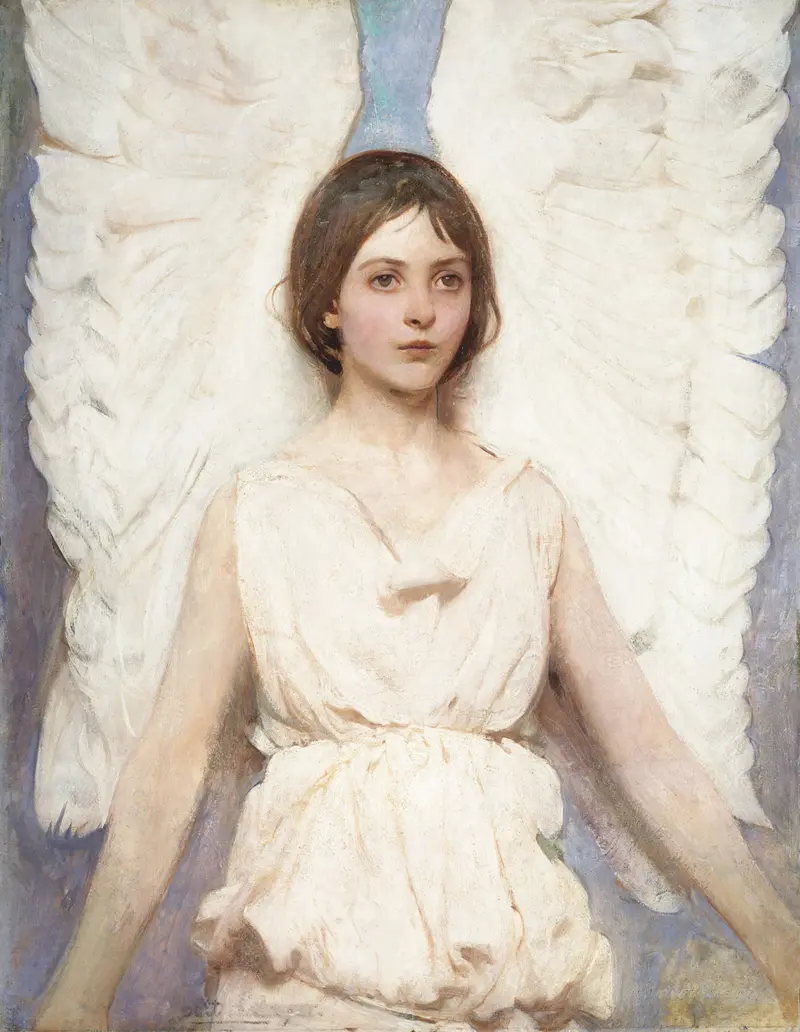
Angel
Abbott Handerson Thayer

Mount Monadnock
Abbott Handerson Thayer
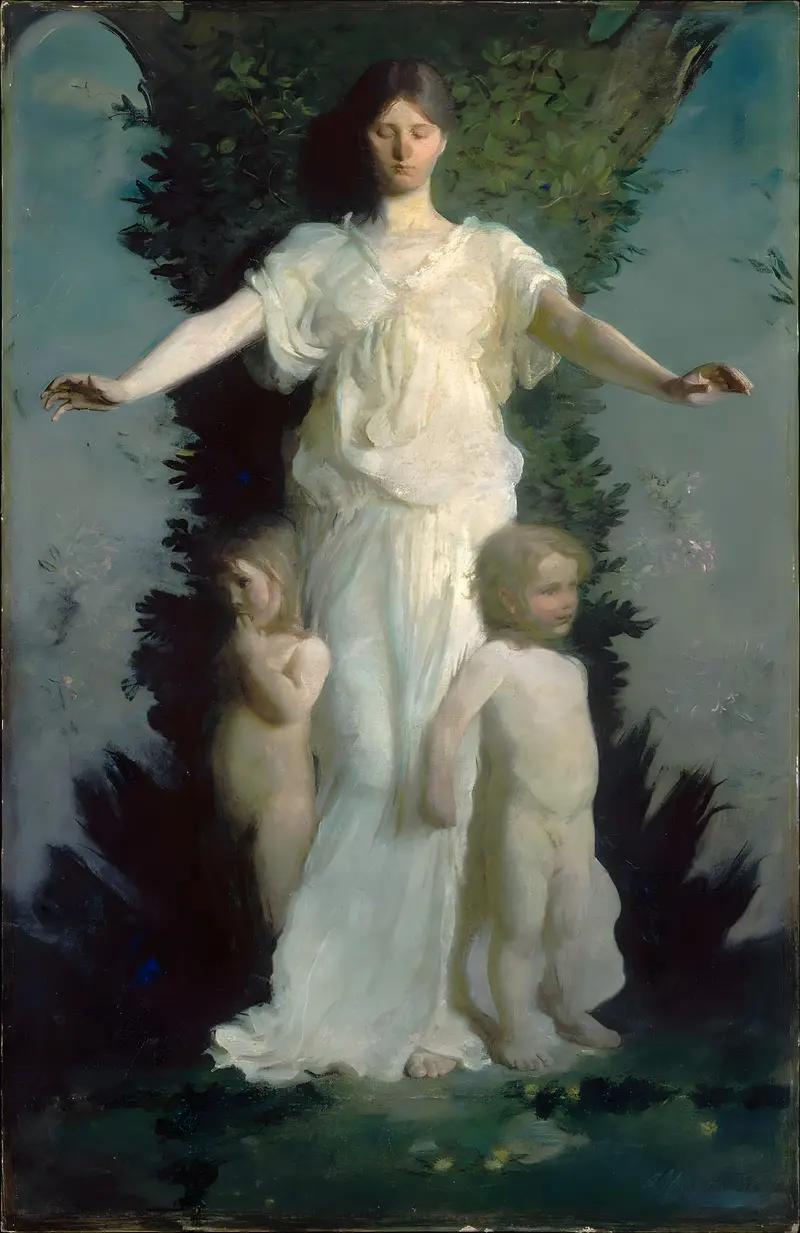
Caritas
Abbott Handerson Thayer

Winter, Monadnock
Abbott Handerson Thayer
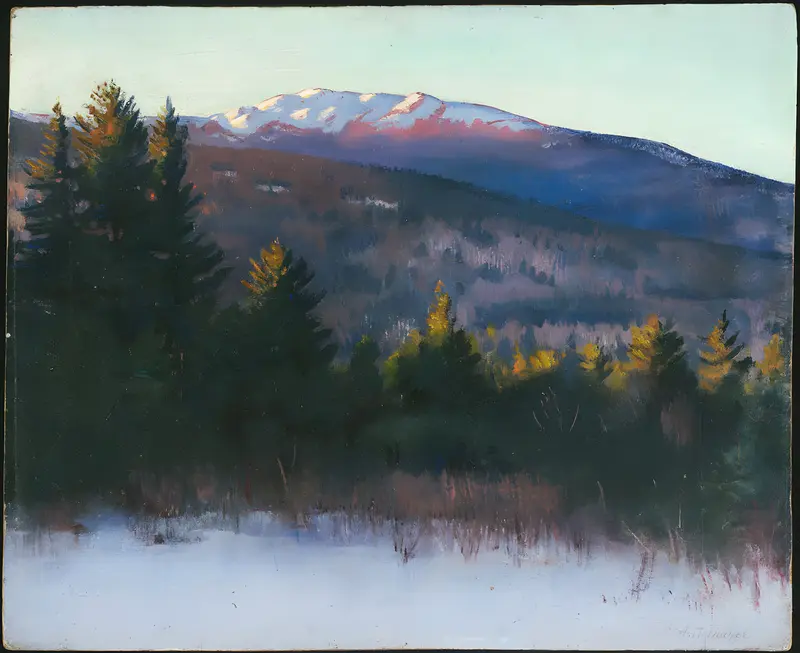
Mount Monadnock
Abbott Handerson Thayer
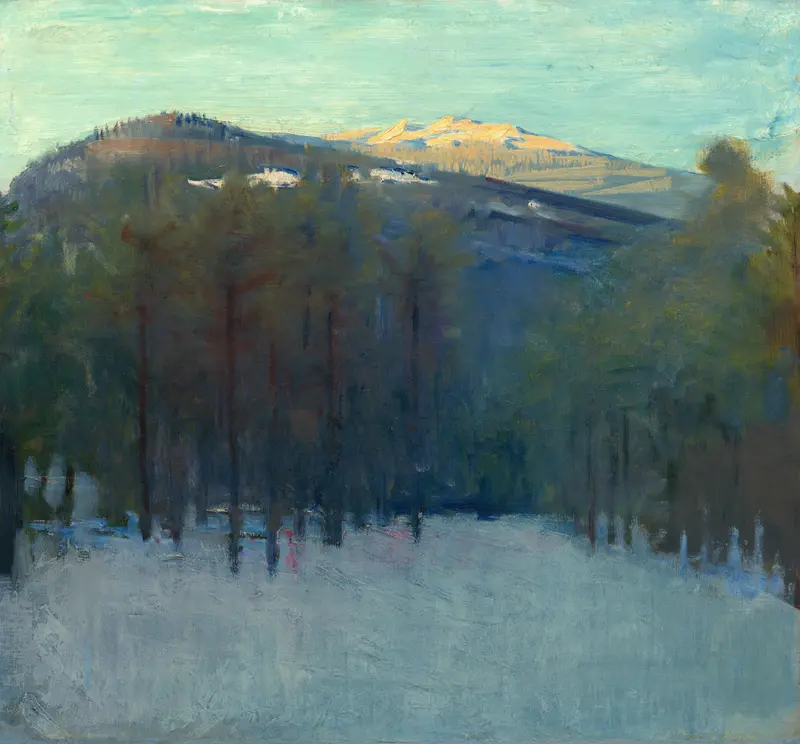
Mount Monadnock
Abbott Handerson Thayer
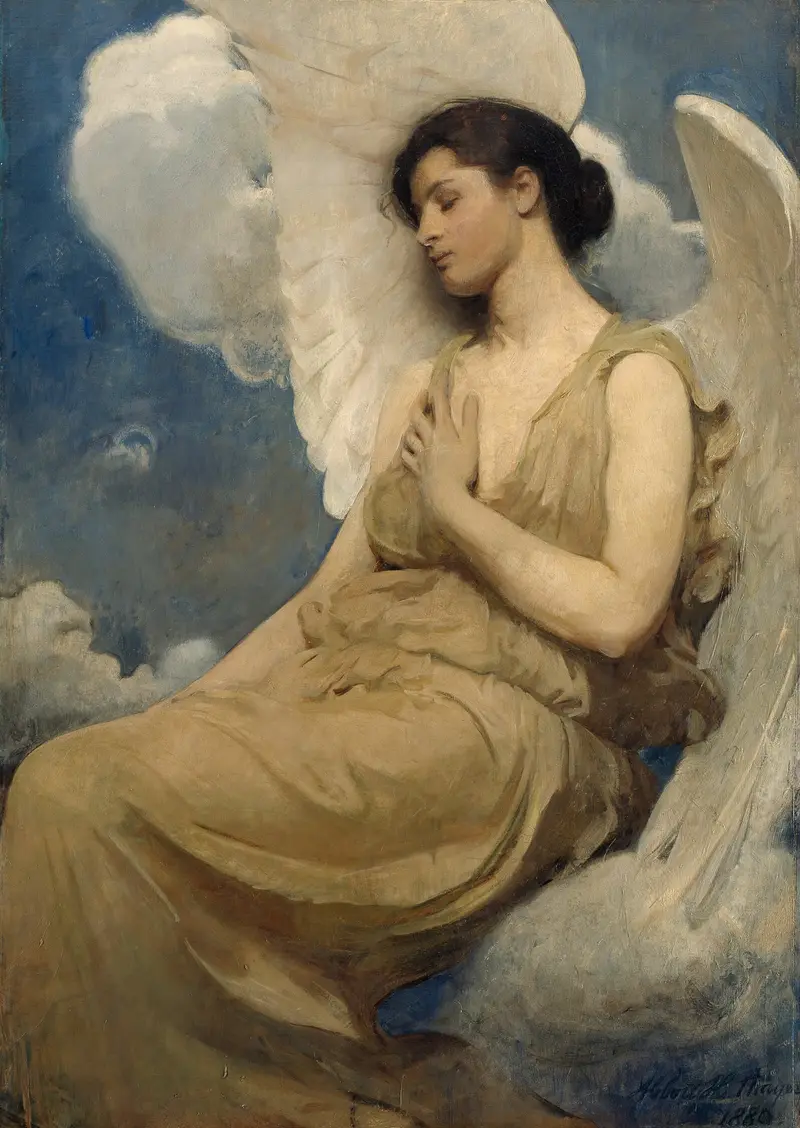
Winged Figure
Abbott Handerson Thayer
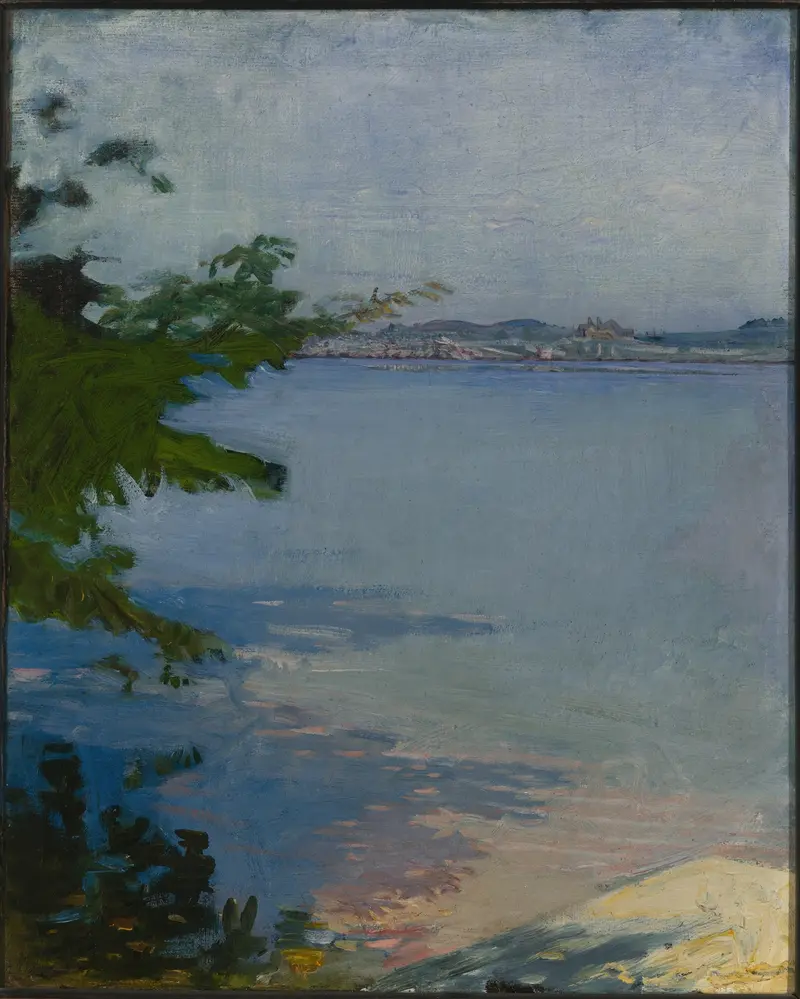
Dublin Pond, New Hampshire
Abbott Handerson Thayer
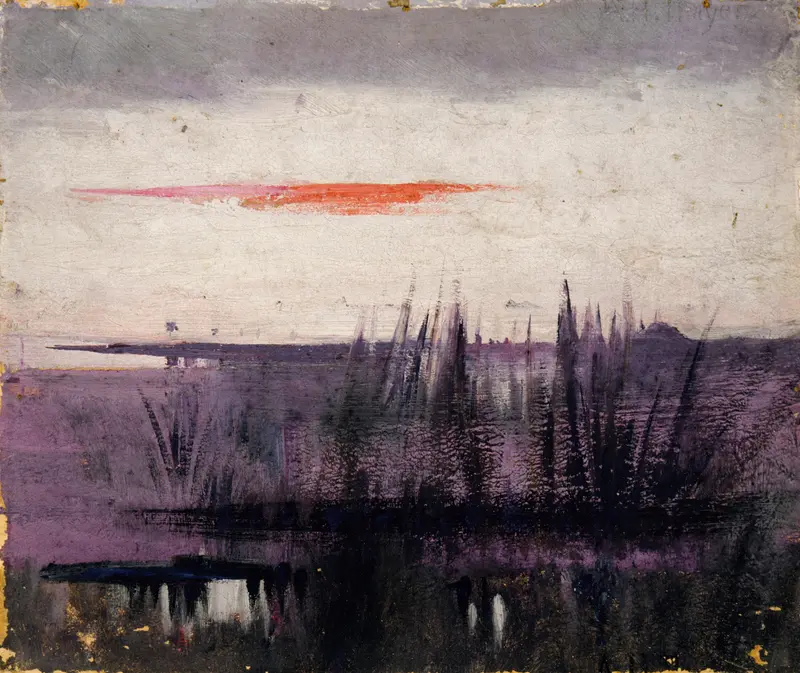
The Sky Simulated By White Flamingoes Study For Book, Concealing Coloration In The Animal Kingdom
Abbott Handerson Thayer
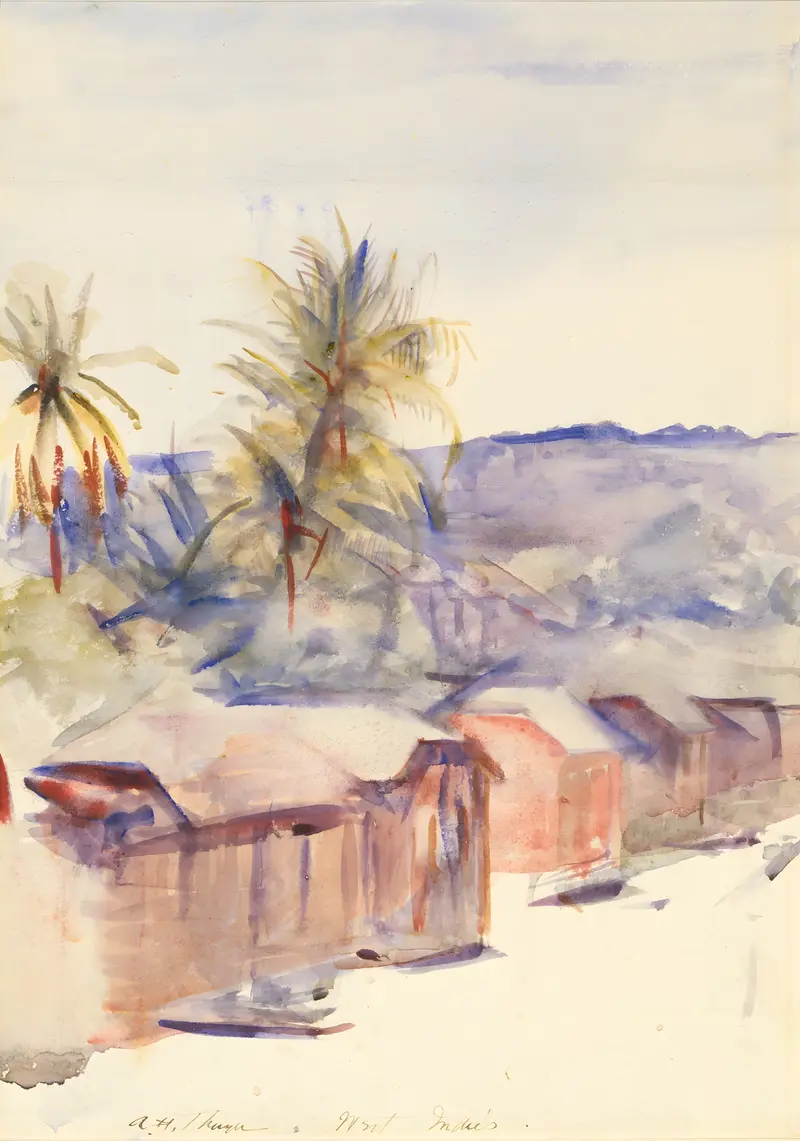
Village Street, Dominica
Abbott Handerson Thayer





