
Portrait of a Lady — History & Facts
No one knows the true identity of the sitter in Portrait of a Lady by Jean-Honoré Fragonard, a mystery that has intrigued art historians for over two centuries. While some have speculated she may be one of Fragonard’s muses or a member of the Parisian elite, no definitive documentation has surfaced. This uncertainty has only added to the painting’s allure, as viewers across generations have searched her gaze for clues.
The portrait stands as a testament to the era’s fascination with individuality and the subtle codes of social status in late eighteenth-century France. The lady turns slightly away from the viewer, her face illuminated by soft, natural light that falls across her powdered skin and delicate features. Her attire, rich yet understated, hints at both refinement and a certain informality—perhaps a nod to the shifting fashions of the 1780s, when the strict formality of court dress began to yield to more personal styles. The directness of her gaze, confident yet reserved, contrasts with the playful sensuality found in Fragonard’s earlier works, such as The Swing.
Here, the artist chooses intimacy over spectacle, focusing attention on the sitter’s expression and the gentle play of light on fabric and flesh, inviting the viewer into a private moment. As with many portraits by Fragonard, the precise origins of Portrait of a Lady remain unclear, and no record of its original commission survives. The painting is typical of the artist’s late career, when he turned increasingly to portraiture, moving away from the exuberant Rococo scenes that made his name. Over the centuries, the work has passed through private collections, sometimes attributed to other artists before consensus returned it to Fragonard.
Today, it stands as a quietly enigmatic example of late eighteenth-century French portraiture, offering a glimpse into both the sitter’s world and the artist’s evolving style.
More Artworks by Jean-Honoré Fragonard

The Swing
Jean-Honoré Fragonard

The Swing
Jean-Honoré Fragonard

A Young Girl Reading
Jean-Honoré Fragonard

The Lock
Jean-Honoré Fragonard

The Triumph of Venus
Jean-Honoré Fragonard

A Game of Hot Cockles
Jean-Honoré Fragonard
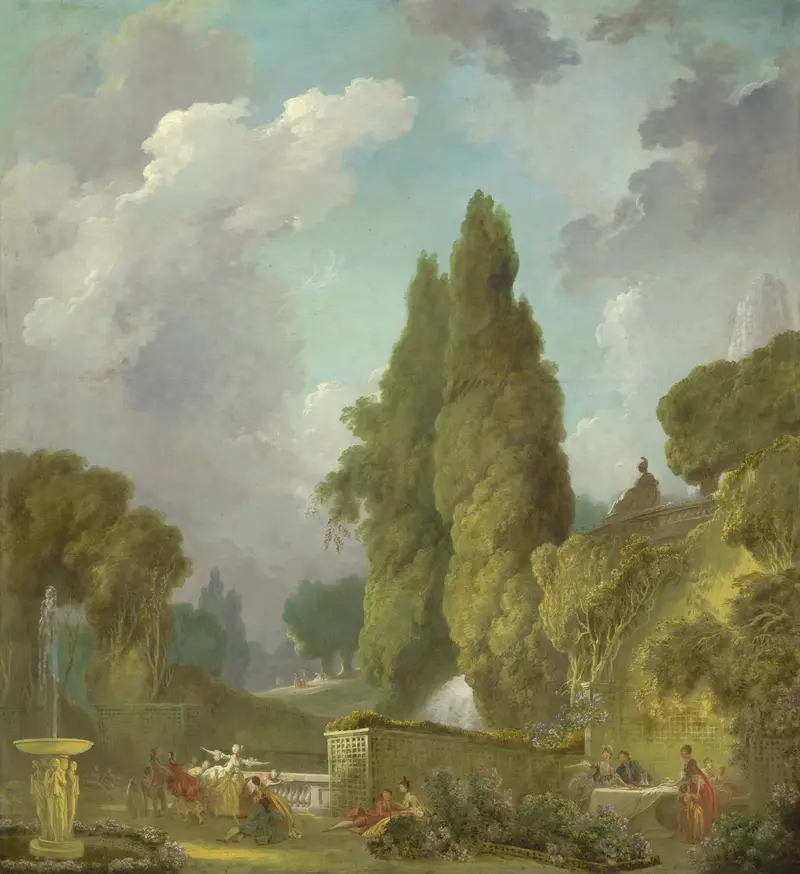
Blindman’s Buff
Jean-Honoré Fragonard
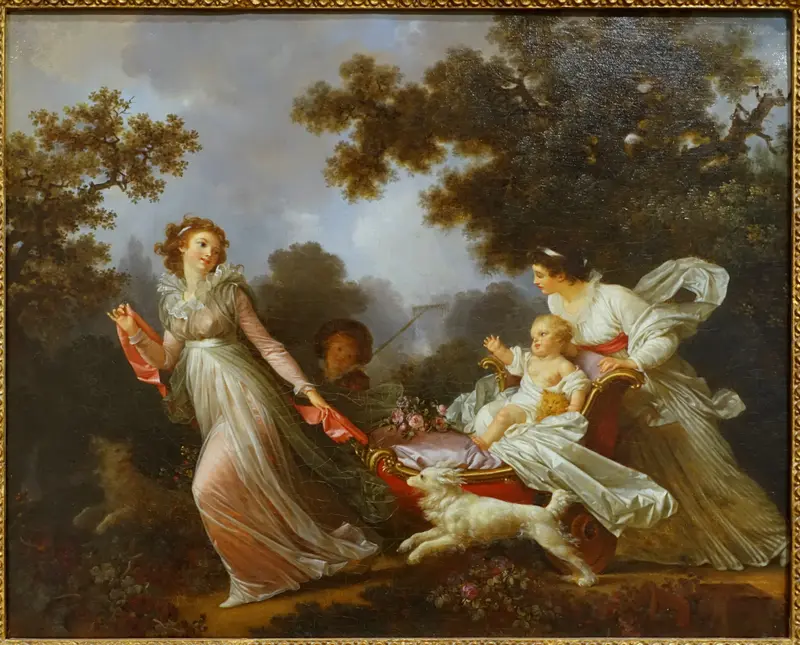
The Beloved Child
Jean-Honoré Fragonard
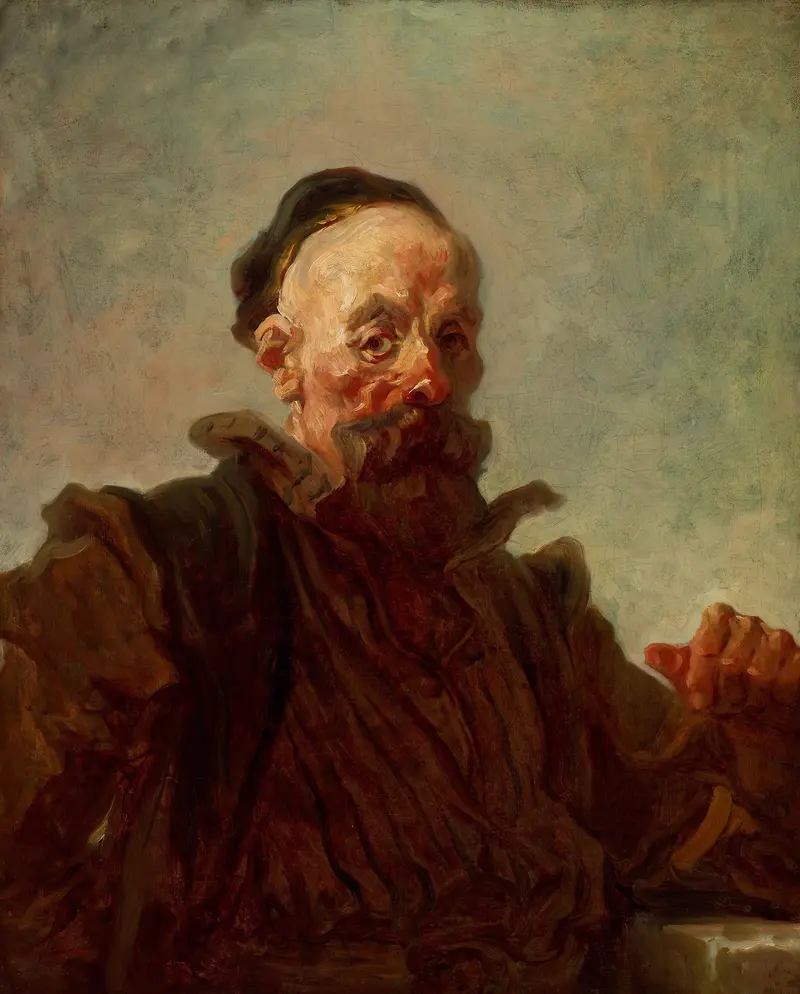
Portrait of a Man in Costume
Jean-Honoré Fragonard
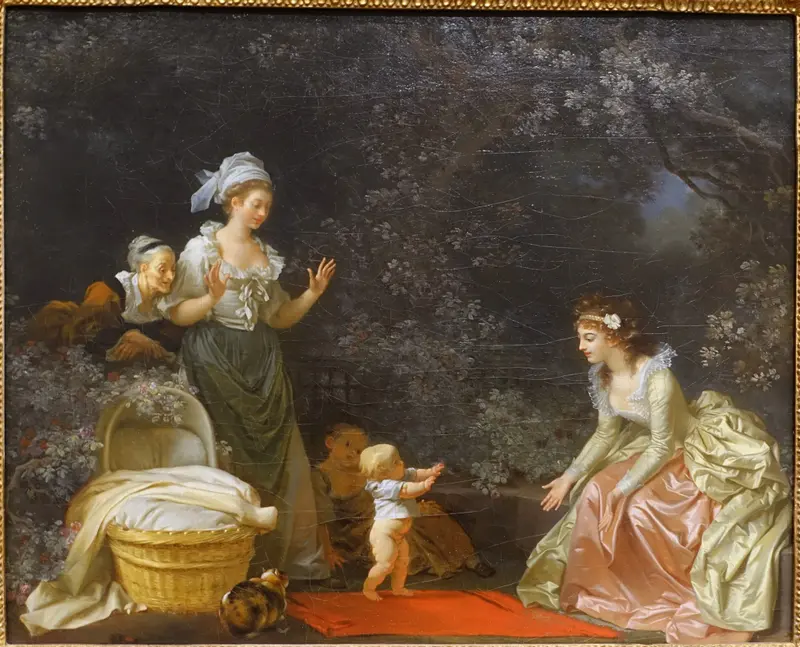
The First Steps
Jean-Honoré Fragonard





