
Portrait of a Lady — History & Facts
The first thing to catch the eye in Portrait of a Lady is the way the sitter seems to pause mid-action, a garland of flowers draped across her arms, as if she’s just gathered them from the blooming bush at her side. Her gaze meets the viewer’s with a quiet confidence, cheeks flushed, lips parted in a hint of a smile. The artist, Jean-Marc Nattier, uses the soft shimmer of her dress and the delicate blossoms to guide the viewer’s attention upward, from the abundance of flowers to the sitter’s poised hand, and finally to her composed face.
Light falls gently across her skin, picking out the pearly beads at her neckline and the subtle sheen of her sleeve, creating a sense of freshness and immediacy. The palette—cool blues, creamy whites, and the lively pinks and yellows of the flowers—sets a mood of gentle celebration, as if this moment is both natural and carefully staged. Painted in 1738, this portrait belongs to the world of eighteenth-century France, when artists like Nattier became celebrated for capturing not just the likeness but the idealized grace of their sitters. Portraits such as this were often commissioned by the elite to broadcast refinement, beauty, and a certain cultivated ease; the flowers here speak of youth and the fleeting pleasures of the season, while the sitter’s attire and bearing hint at her social standing.
Though the specific history of this lady is lost to time, her image now resides in the collection of the Saint Louis Art Museum, a testament to the enduring appeal of Nattier’s vision. The painting invites us to look again, to wonder who she was, and to imagine the world of powdered wigs and perfumed salons that shaped her presence.
More Artworks by Jean-Marc Nattier

Madame Crozat de Thiers and Her Daughter
Jean-Marc Nattier
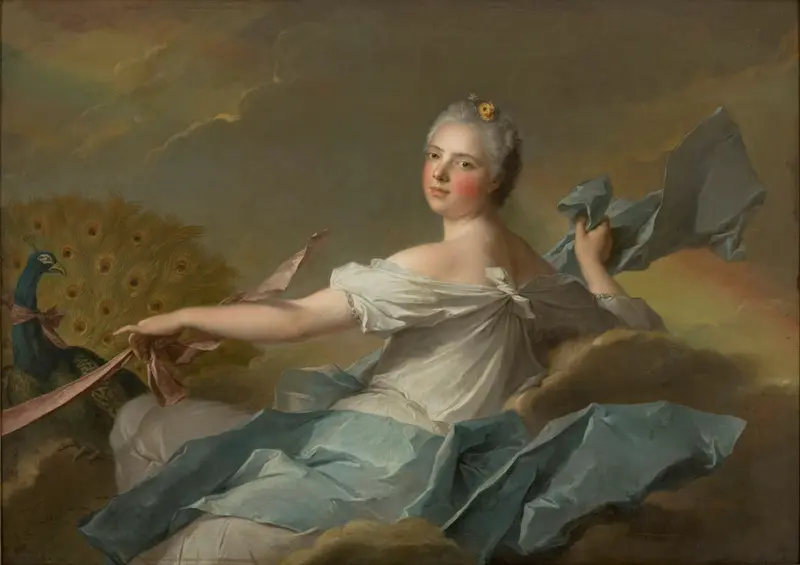
Princess Marie Adélaïde of France - The Air
Jean-Marc Nattier
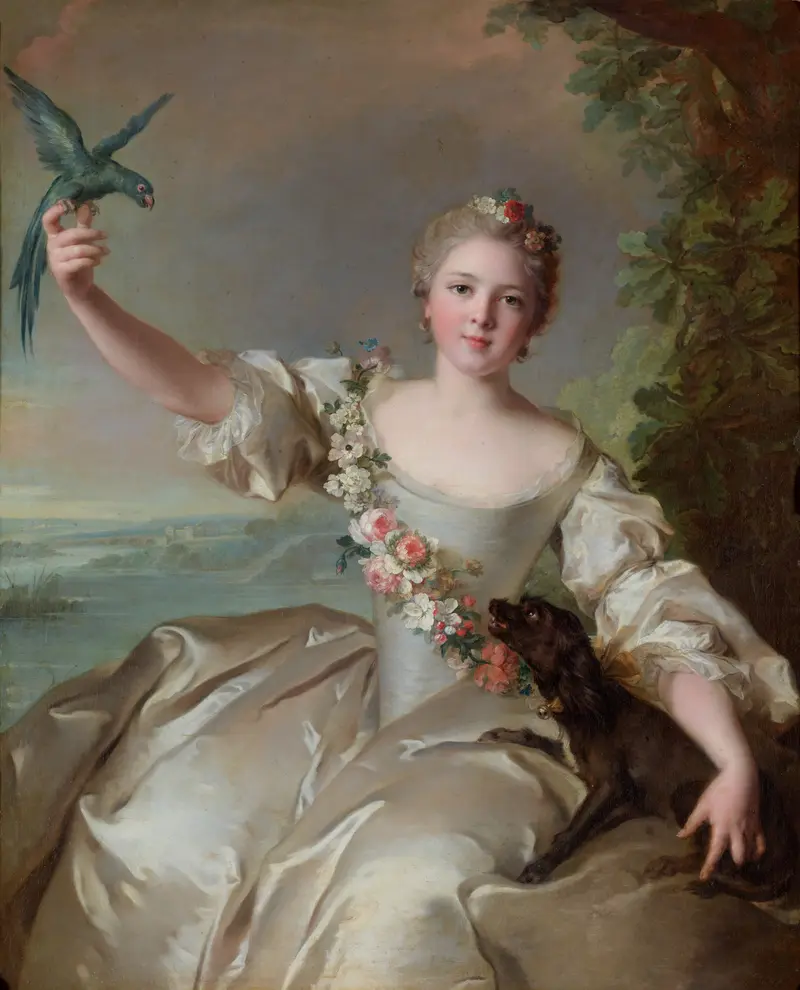
Portrait de Mathilde de Canisy, marquise d'Antin
Jean-Marc Nattier
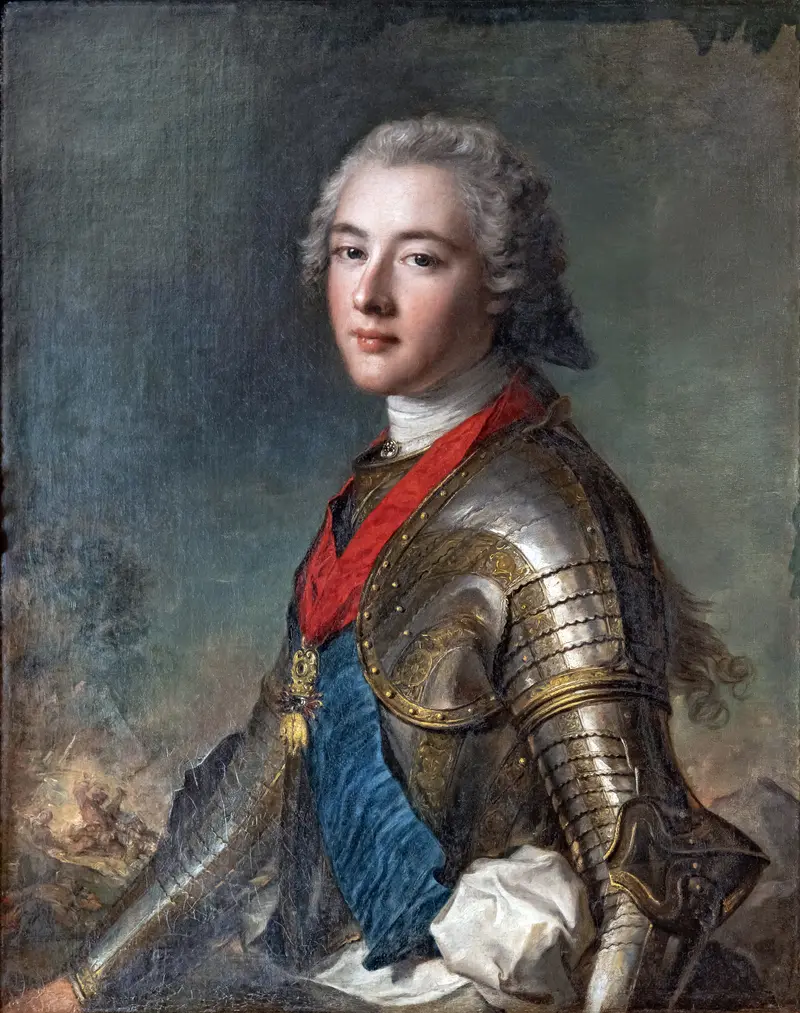
Bemberg Fondation Toulouse - Portrait de Louis Jean Marie de Bourbon, Duc de Penthièvre - Jean Marc Nattier inv.1158 82x65.4
Jean-Marc Nattier
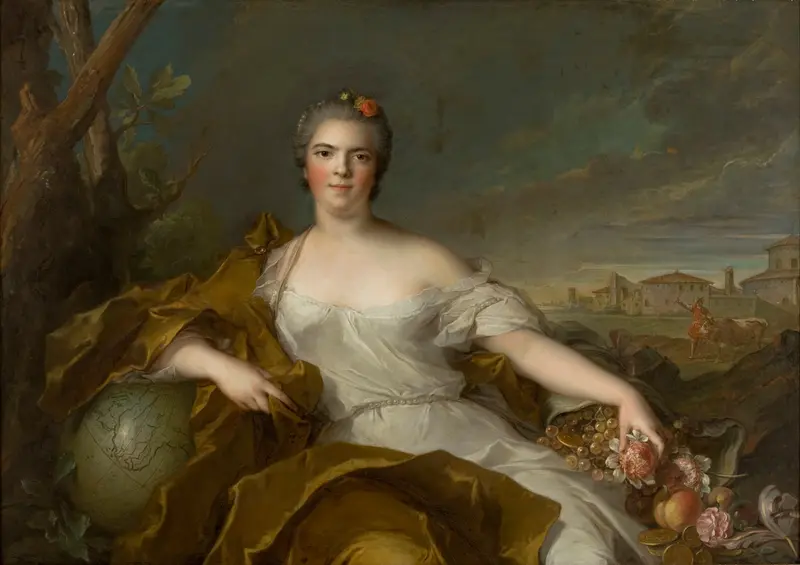
Princess Louise-Élisabeth of France - The Earth
Jean-Marc Nattier
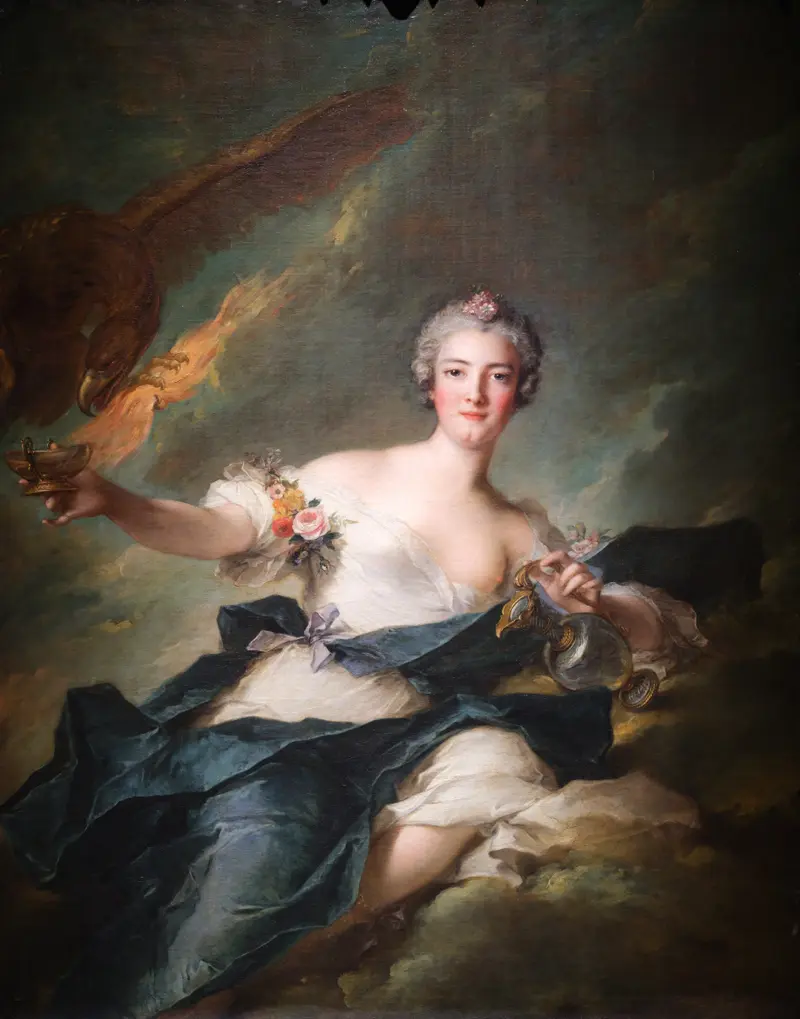
The Duchess of Chaulnes Represented as Hebe
Jean-Marc Nattier
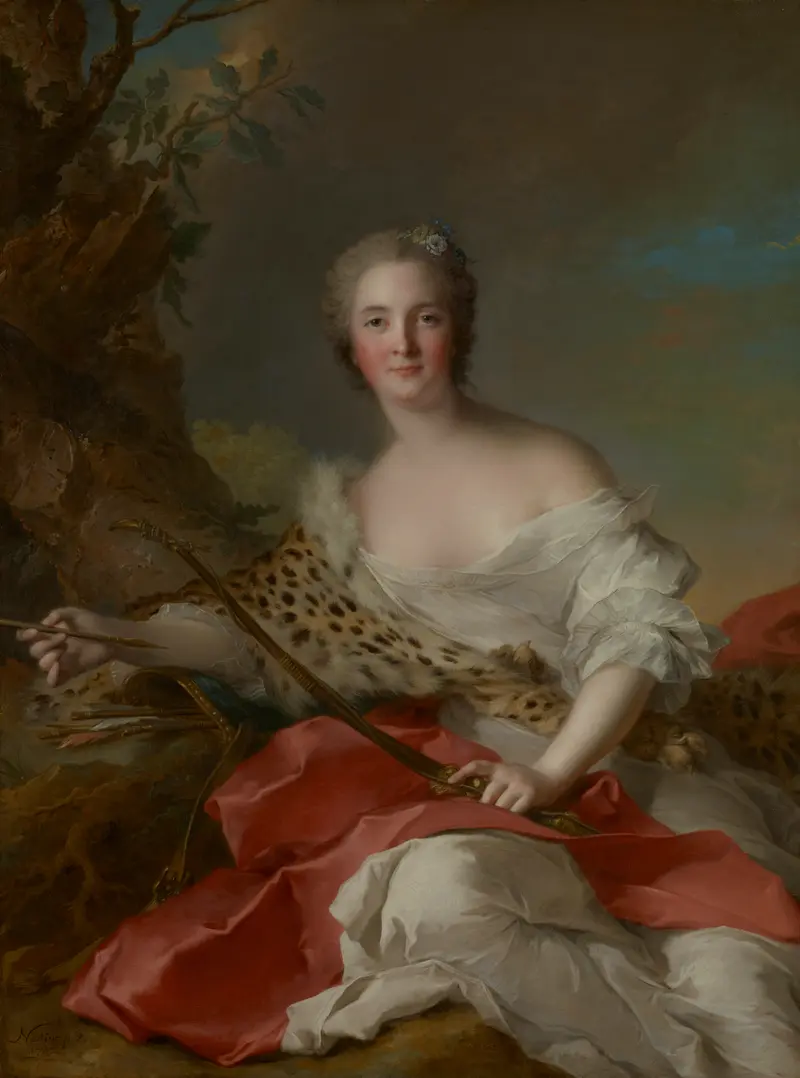
Portrait of Madame Bonnier de la Mosson as Diana (Constance-Gabrielle-Magdeleine du Monciel de Lauraille
Jean-Marc Nattier
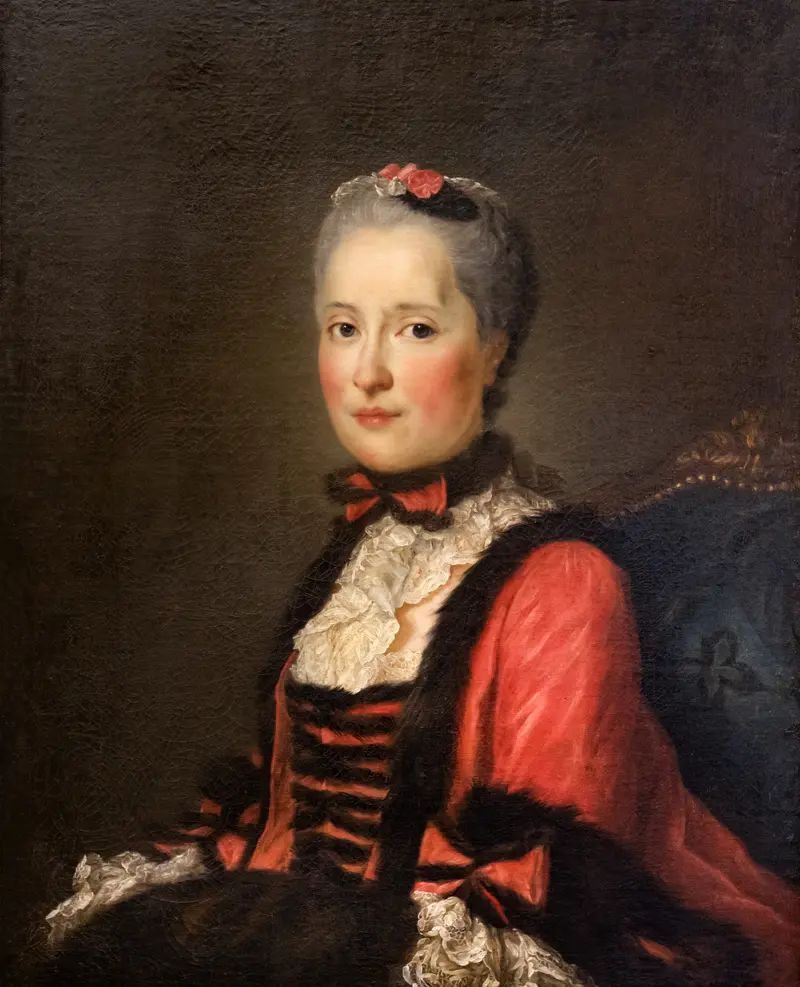
Portrait of Marie-Josephe of Saxony, Dauphine of France
Jean-Marc Nattier
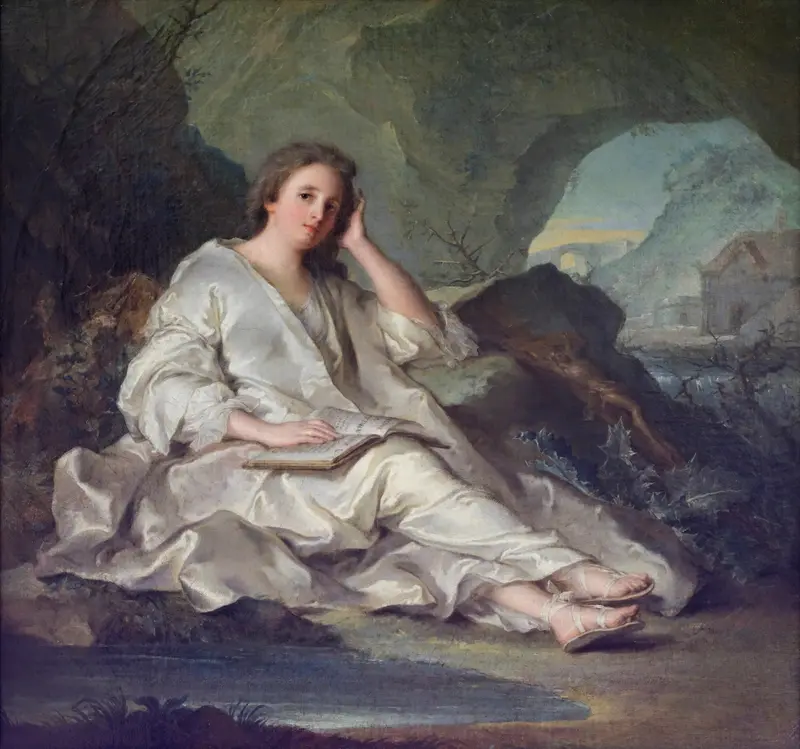
La Madeleine, ou Une Pénitente dans le désert Musée du Louvre Peintures INV 6880 ; MR
Jean-Marc Nattier
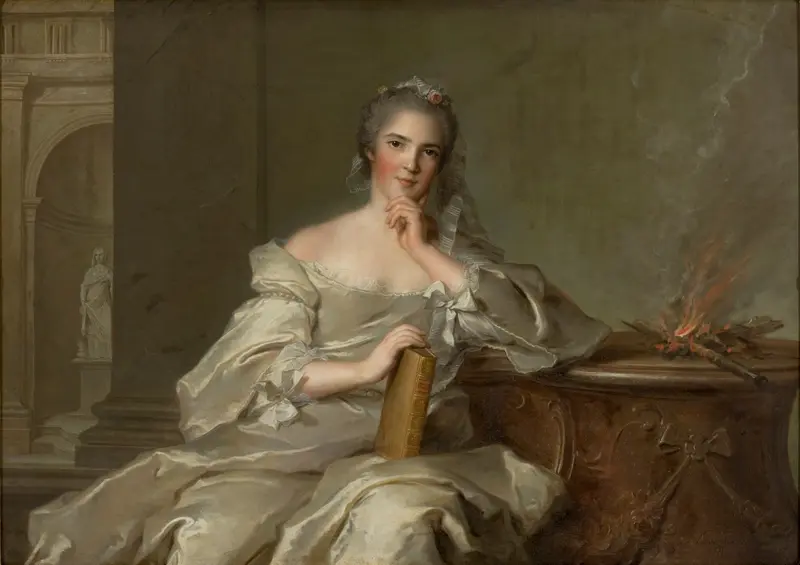
Princess Anne-Henriette of France - The Fire
Jean-Marc Nattier





