
Portrait of a lady, traditionally identified as Maria de' Medici — History & Facts
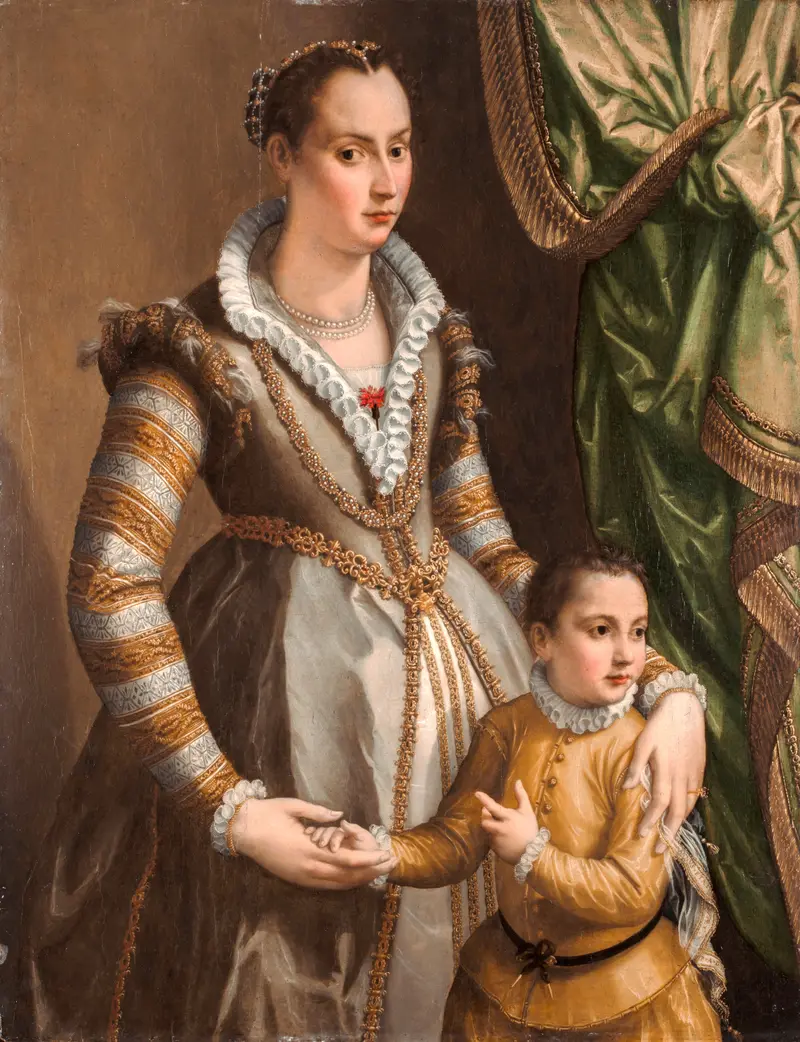
What first seizes the eye in Portrait of a Lady, traditionally identified as Maria de' Medici is the commanding stillness of the sitter, poised between the opulence of her attire and the quiet reserve of her gaze. Every inch of her elaborate dress, from the gold-threaded sleeves to the intricate embroidery and jeweled belt, is painted with a precision that signals both wealth and status. Her right hand, gently holding a closed fan, suggests a moment of composed anticipation, while the other delicately grasps a small, ornate book—perhaps a prayer book or a symbol of learned refinement.
The subdued gray-green background throws her figure into sharp relief, making her presence almost tangible, while the play of light across her pale face and pearls draws the viewer’s attention to the delicate flush of her cheeks and the thoughtful set of her lips. Painted around 1555, this portrait belongs to a world where the Medici family’s power was at its peak, and images like these were both declarations and defenses of dynastic prestige. Whether the sitter is Maria, daughter of Cosimo de’ Medici, or Eleonora di Garzia di Toledo, her identity is wrapped in the codes of Florentine court society: the stiff lace ruff, the pearls, and the rich brocade all speak to a culture where portraiture was a kind of visual contract, affirming lineage and virtue. Such works were often commissioned to mark marriages or alliances, and artists like Alessandro Allori were prized for their ability to balance idealized beauty with recognizable likeness.
Today, the painting’s uncertain attribution only adds to its allure, inviting viewers to linger over the details and imagine the life behind the mask of silk and jewels.
More Artworks by Alessandro Allori

Francesco de' Medici
Alessandro Allori
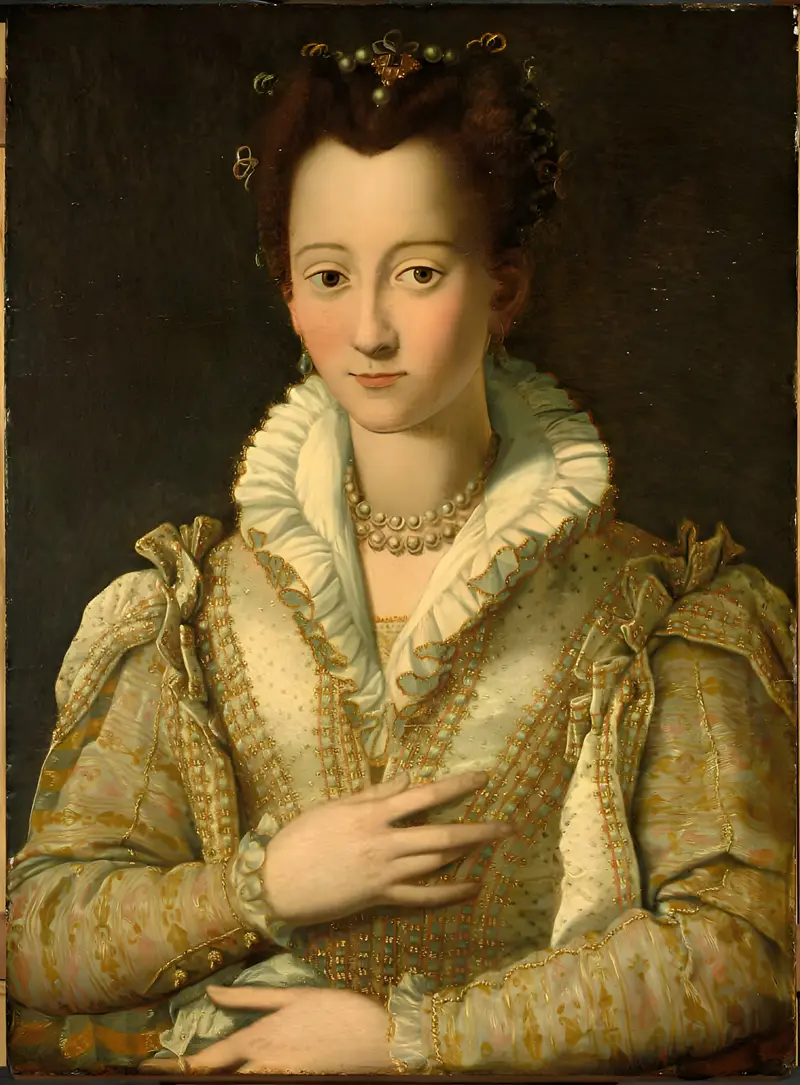
Portrait of a Woman
Alessandro Allori
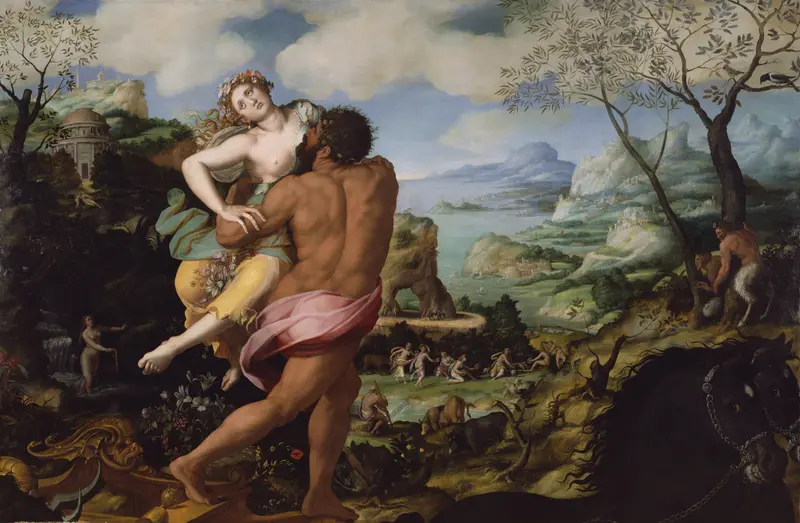
The Abduction of Proserpine
Alessandro Allori
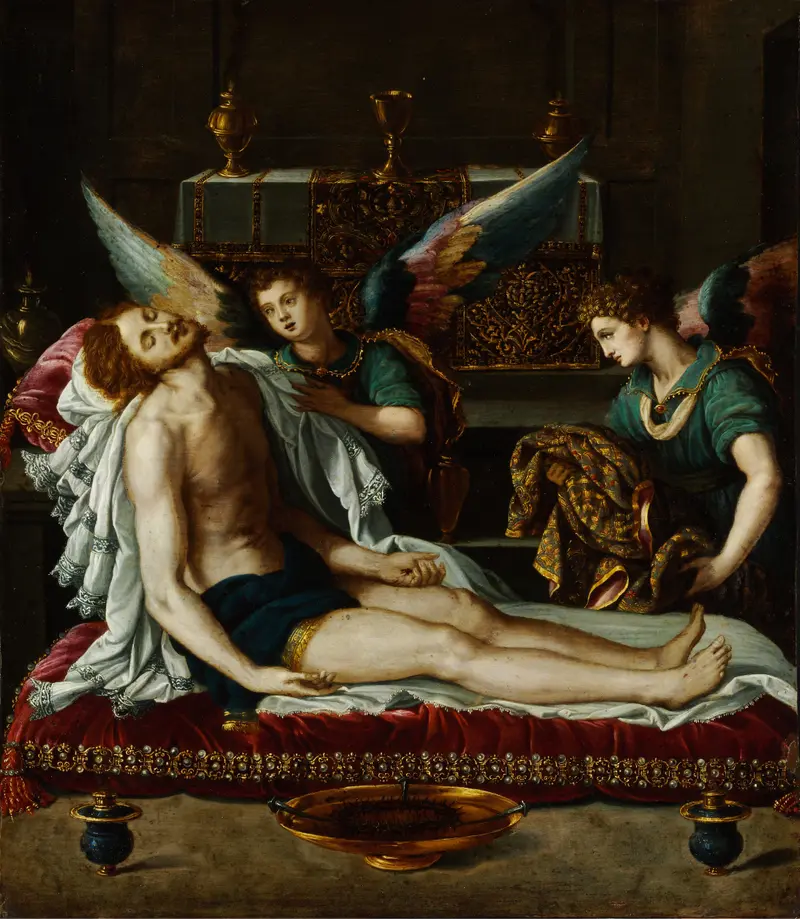
The Body of Christ Anointed by Two Angels
Alessandro Allori
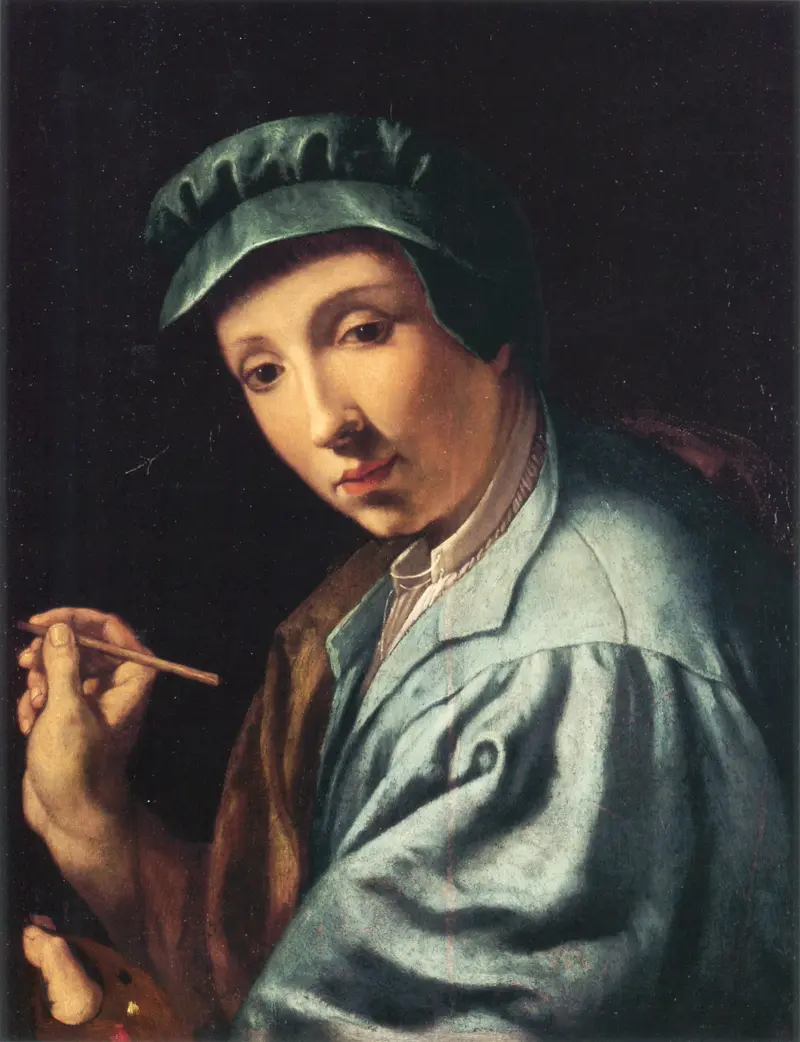
Self-portrait
Alessandro Allori
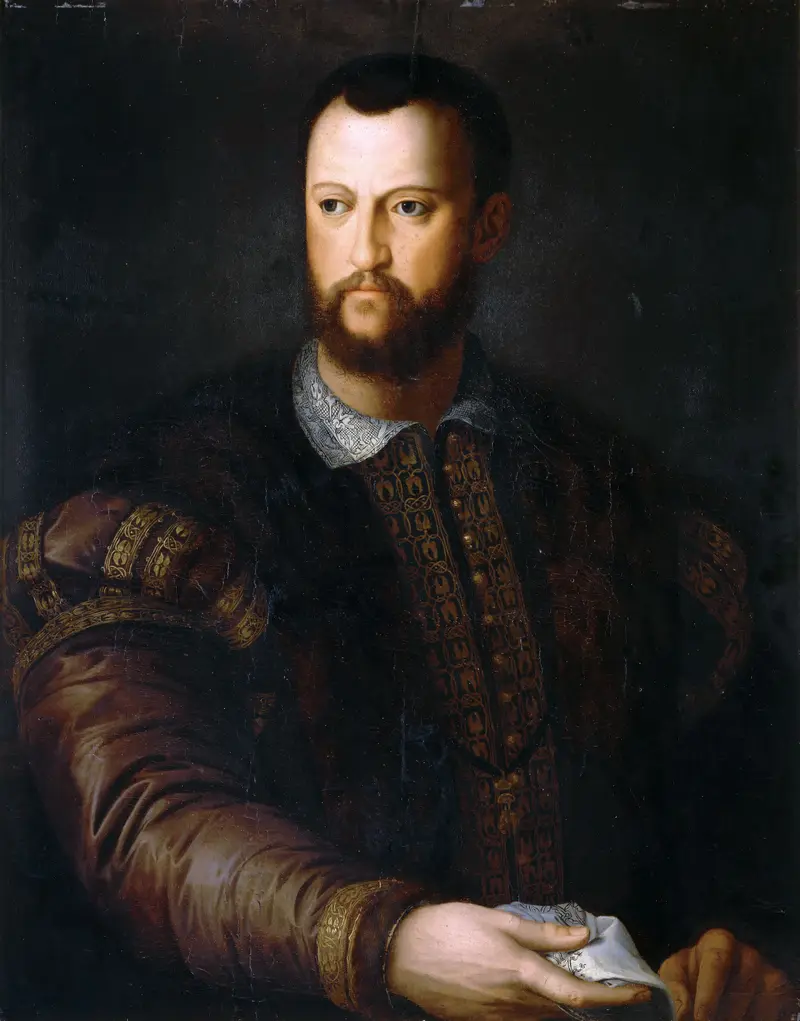
Portrait of Cosimo I de' Medici
Alessandro Allori
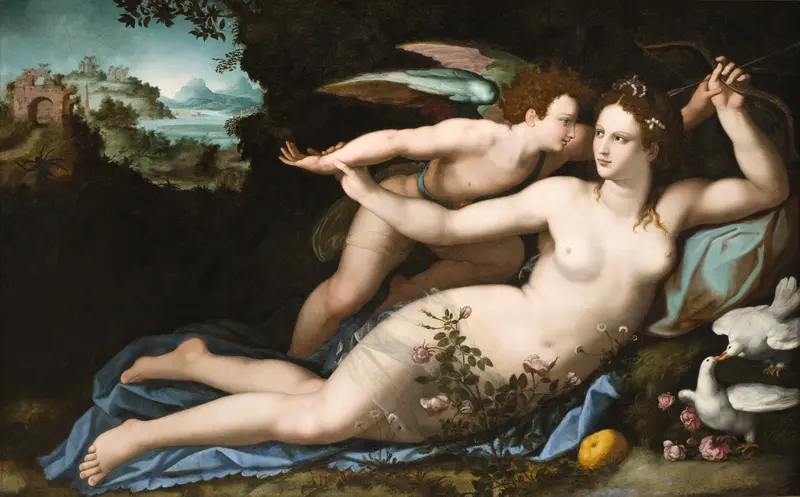
Venus disarming Cupid
Alessandro Allori
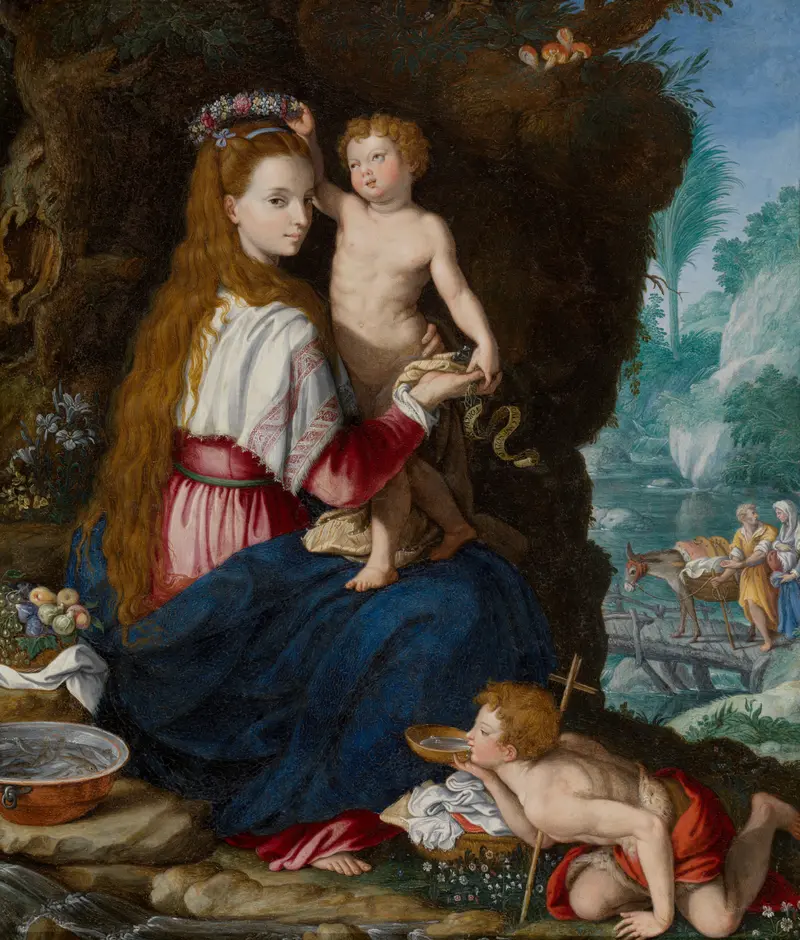
Madonna with Little Saint John
Alessandro Allori
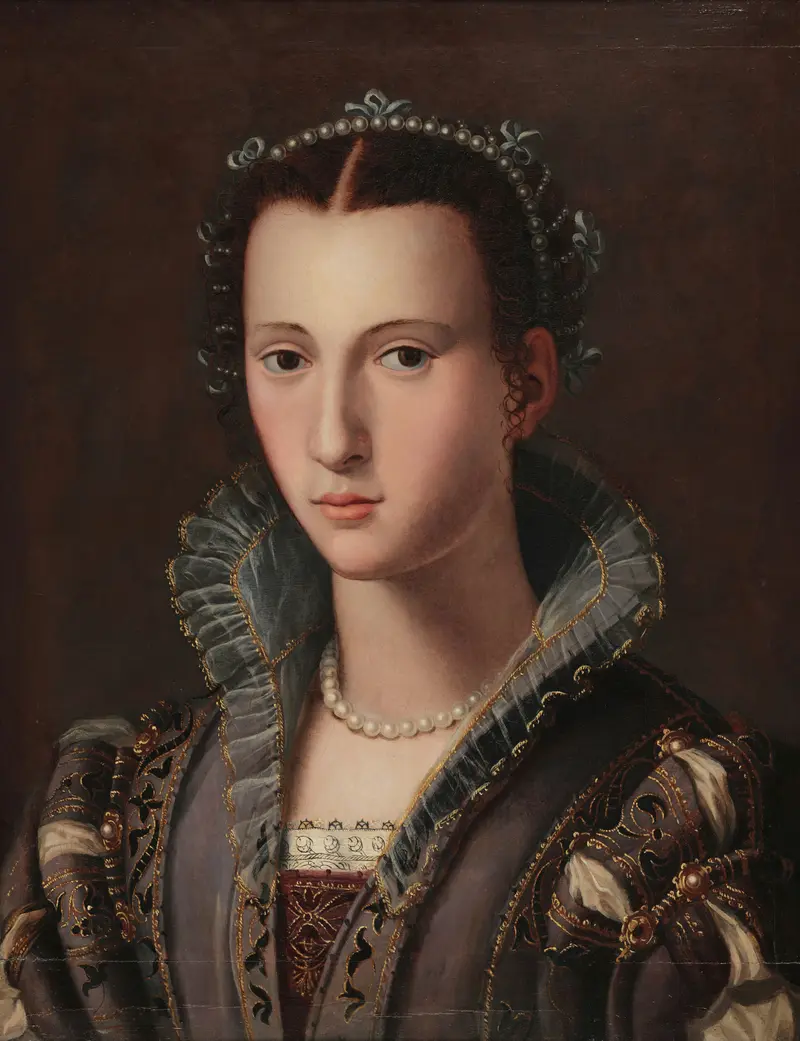
Portrait of a Florentine Lady
Alessandro Allori
Portrait of a Noblewoman with her Son
Alessandro Allori





