
Portrait of a man aged 34 — History & Facts
No one knows the name of the man who sat for Portrait of a man aged 34, but the painting’s inscription—“AETAT SVAE 34, ANNO 1638”—has made it an object of fascination and speculation since it was first recorded in the 18th century. The sitter’s identity remains a mystery, fueling debates among art historians who have proposed everyone from Haarlem merchants to local civic guardsmen. What is certain is that Frans Hals painted this work at the height of his powers, in a period when portraiture was both a business and a theatre of status in the Dutch Republic. The man meets our gaze directly, his lips parted as if caught mid-sentence.
His black attire, trimmed with white lace, marks him as a member of the prosperous middle class, while the simple gold chain at his neck hints at professional achievement rather than aristocratic birth. Hals’s brushwork is unmistakable: loose, lively, and full of energy, especially in the treatment of hair and fabric. The light falls from the left, illuminating the sitter’s face and hands, and casting the background into shadow—a device that draws us into the immediacy of the encounter.
Unlike the more formal, static portraits of Rembrandt, Hals’s approach here is animated, almost conversational, making the viewer feel like a participant rather than a spectator. The early history of Portrait of a man aged 34 is undocumented, typical for many of Hals’s single-figure portraits, which were often commissioned privately and remained in family collections for generations. By the 19th century, the painting had entered the art market and passed through several hands before being acquired by a major museum, where it now hangs among other works of the Dutch Golden Age. Over the years, questions have arisen about whether this canvas was once part of a pair—a pendant to a lost or unidentified female portrait.
Today, the work stands as a testament to Frans Hals’s gift for capturing the fleeting presence of a living person, a hallmark that distinguishes him within the Baroque movement.
More Artworks by Frans Hals

Banquet of the Officers of the St George Civic Guard
Frans Hals

Portrait of Jacob Pietersz Olycan (1596-1638)
Frans Hals
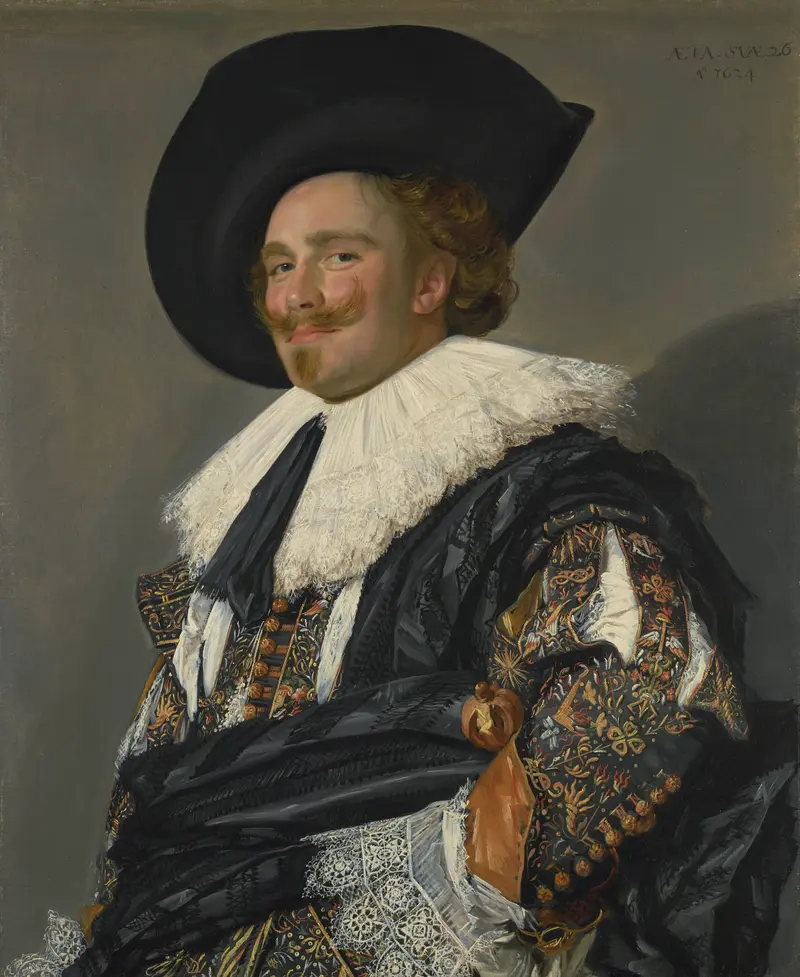
Laughing Cavalier
Frans Hals

Militia Company of District XI under the Command of Captain Reynier Reael, Known as ‘The Meagre Company’
Frans Hals
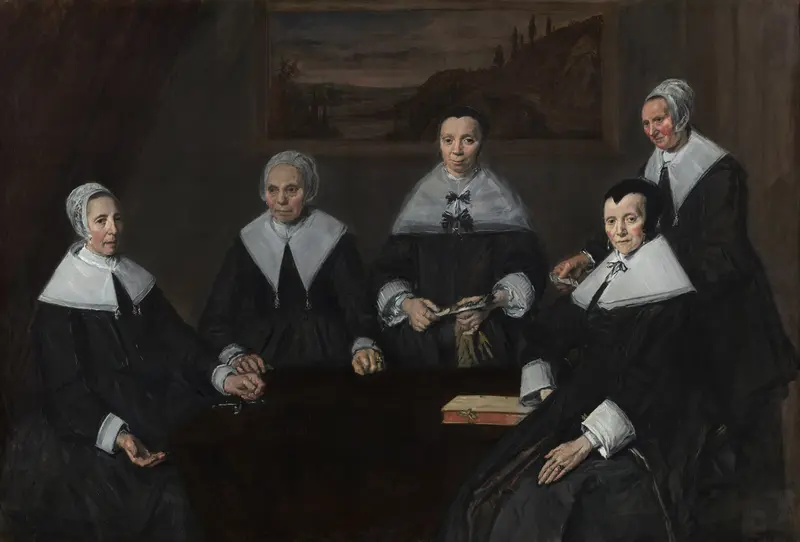
Regentesses of the Old Men's Alms House
Frans Hals
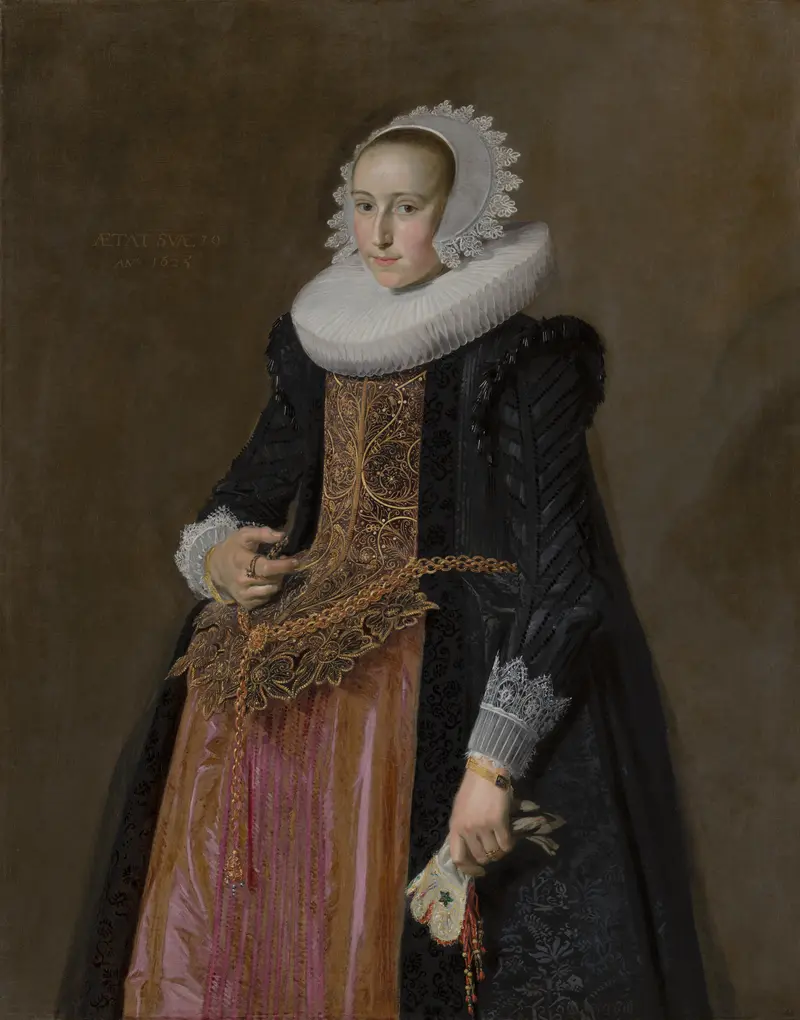
Portrait of Aletta Hanemans (1606–1653)
Frans Hals
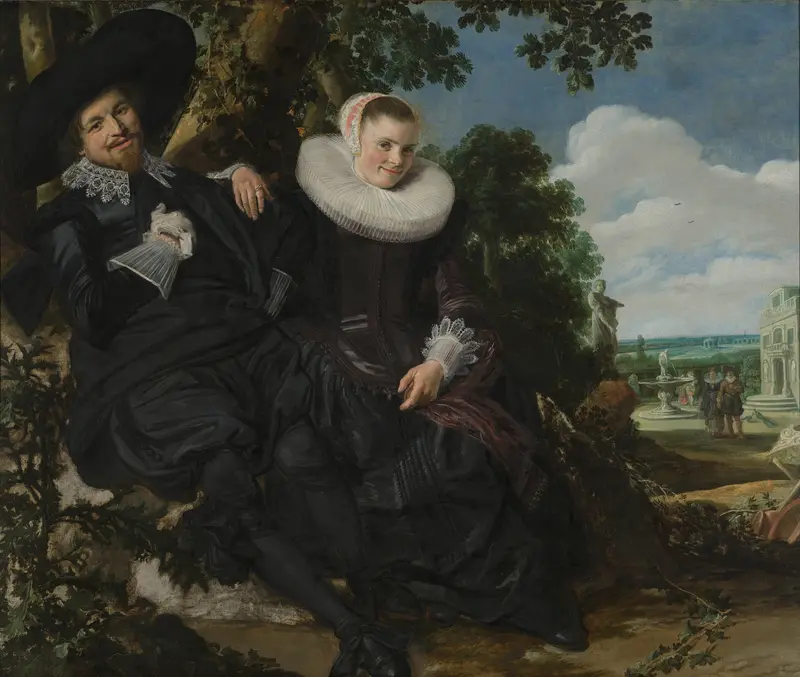
Portrait of a Married Couple, Likely Isaac Abrahamsz Massa and Beatrix van der Laen
Frans Hals
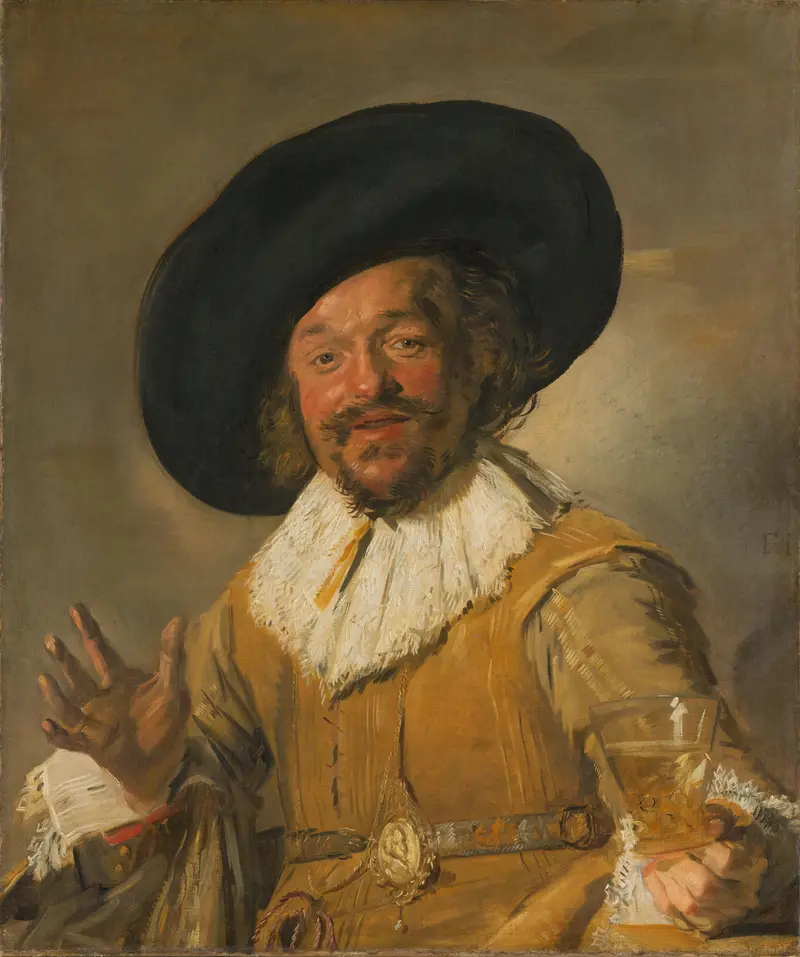
The Merry Drinker
Frans Hals
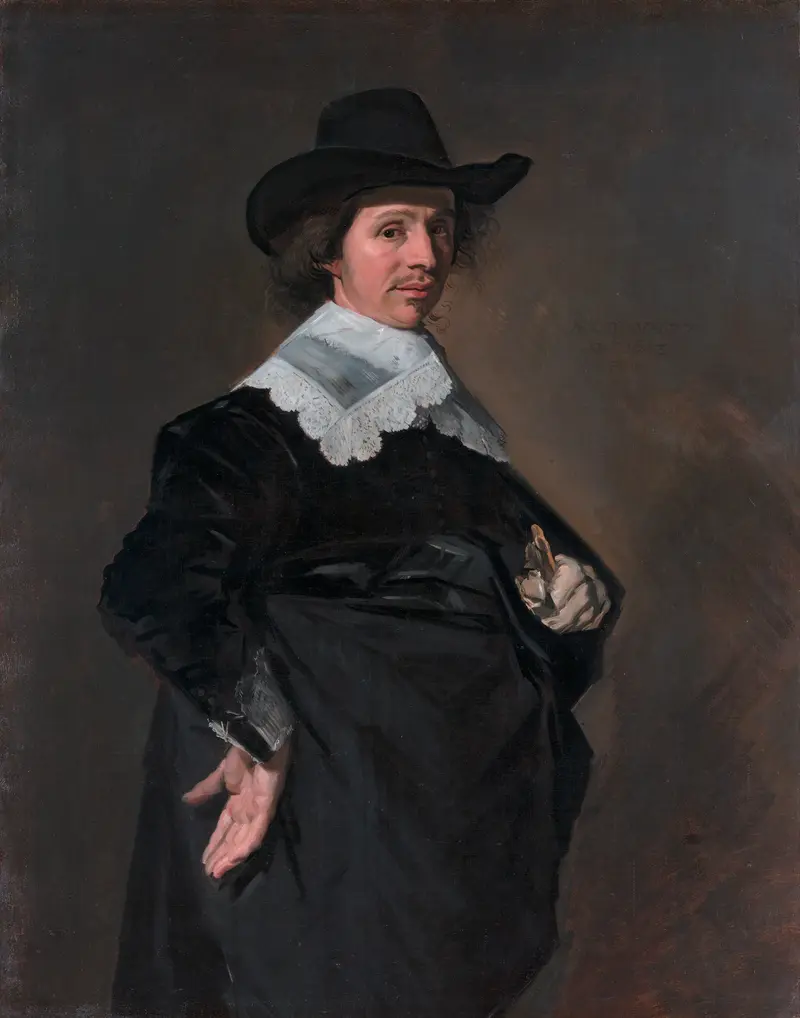
Portrait of Paulus Verschuur
Frans Hals
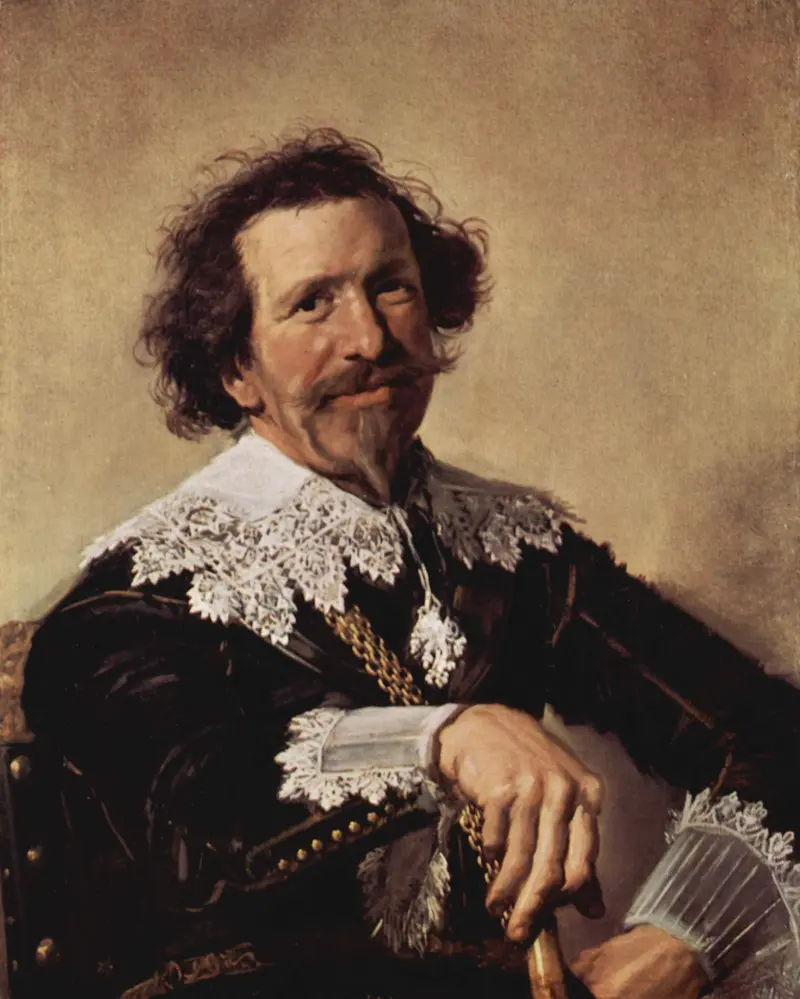
Portrait of Pieter van den Broecke
Frans Hals





