
Portrait of a Man (Francesco Bassano?) — History & Facts
No one can say for certain who sits for Portrait of a Man (Francesco Bassano?), and this uncertainty has sparked debate for centuries. Some believe the sitter is Francesco Bassano, a fellow Venetian painter and close associate of Tintoretto, whose own life ended abruptly in 1592. The question of identity lingers because of the painting’s direct gaze and the sitter’s air of introspection—qualities that seem to hint at a personal connection with the artist.
The lack of documentation about its commission or early ownership only deepens the mystery, making this portrait a fascinating puzzle for art historians. The man meets the viewer’s eyes with a look that is both steady and searching, his lips pressed in a faint line that suggests thoughtfulness or even melancholy. The dark, nondescript background throws his face and upper body into sharp relief, a technique Tintoretto often used to focus attention on psychological presence rather than worldly status. The sitter’s simple black attire, free of ornament, and the absence of any emblem or attribute, strip away clues that might anchor him to a profession or family.
Unlike Titian’s more sumptuous portraits, which drape their subjects in luxury, Tintoretto here relies on the drama of light and expression to reveal character. The result is a portrait that feels intimate, as if we have interrupted a moment of private reflection. Little is known about the early history of Portrait of a Man (Francesco Bassano?), and even its medium remains uncertain, though it is likely oil on canvas, the favored support of Venetian painters in the late sixteenth century. The painting has passed through various hands over the centuries, and its attribution to Tintoretto has not always been uncontested; some earlier catalogues listed it as a work from his studio or circle.
Today, however, most scholars agree on Tintoretto’s authorship, citing the energetic brushwork and psychological depth as hallmarks of his late style. Now housed in a major collection, the portrait stands as a testament to Tintoretto’s fascination with the complexities of identity and the human face, especially in the final years of his prolific career.
More Artworks by Tintoretto
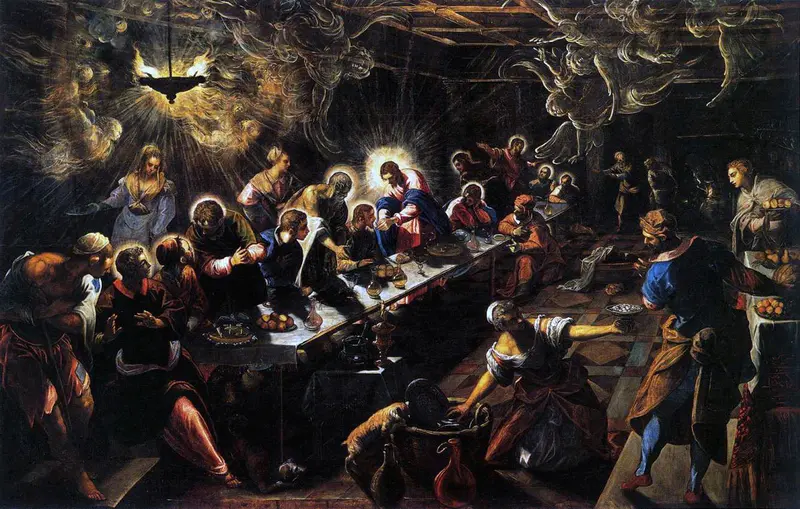
The Last Supper
Tintoretto
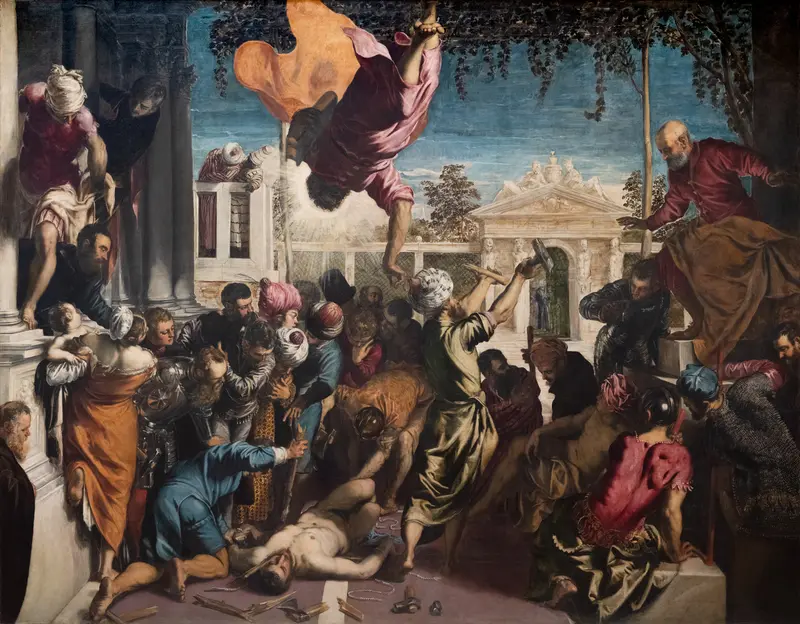
The Miracle of the Slave
Tintoretto
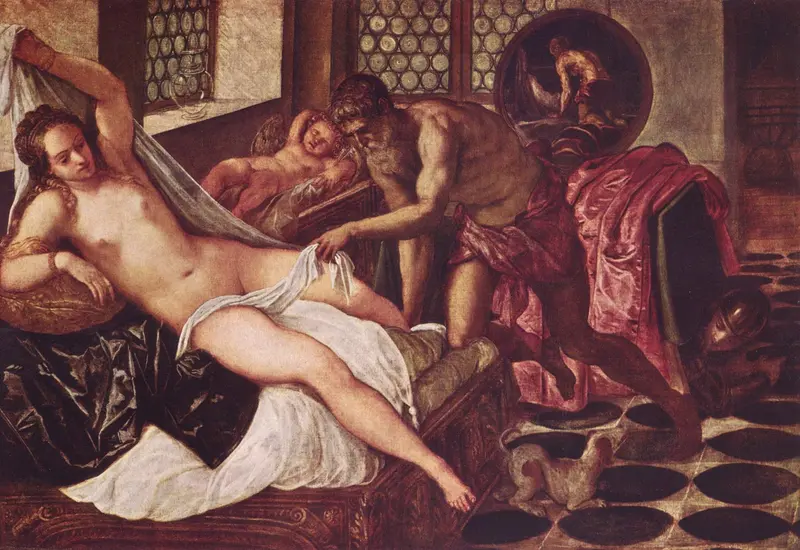
Venus and Mars Surprised by Vulcan
Tintoretto

Adoration of the Shepherds
Tintoretto
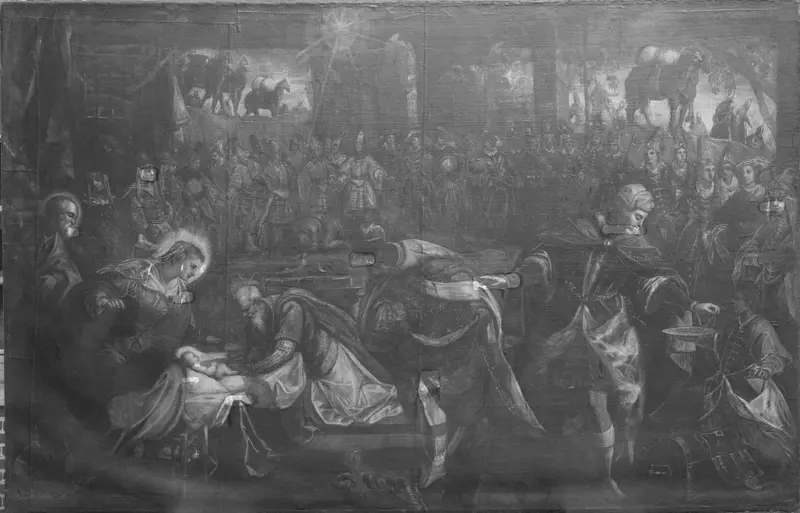
Adoration of the Magi
Tintoretto
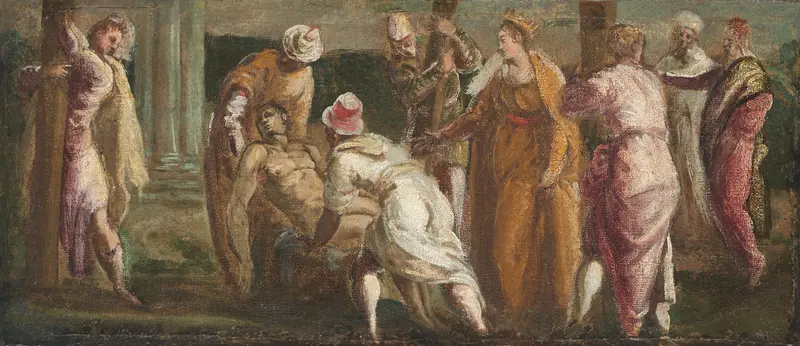
Saint Helen Testing the True Cross
Tintoretto
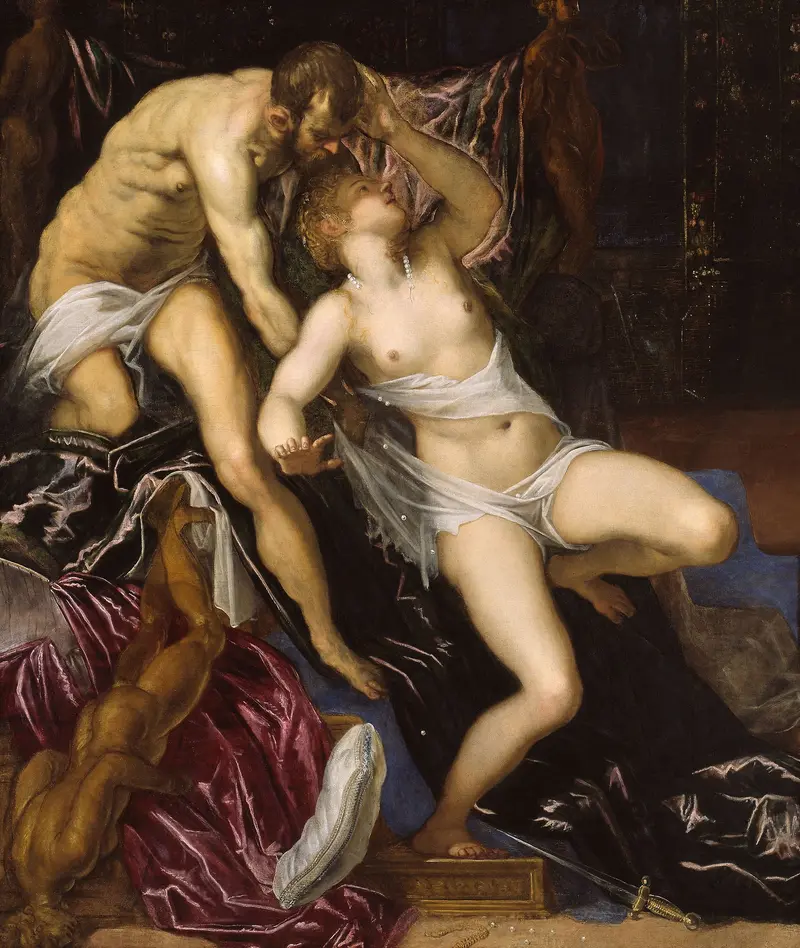
Tarquin and Lucretia
Tintoretto
Two Male Figures in Motion (verso)
Tintoretto
A Female Nude [verso]
Tintoretto
Veduta Kopra
Tintoretto





