
Portrait of a man — History & Facts
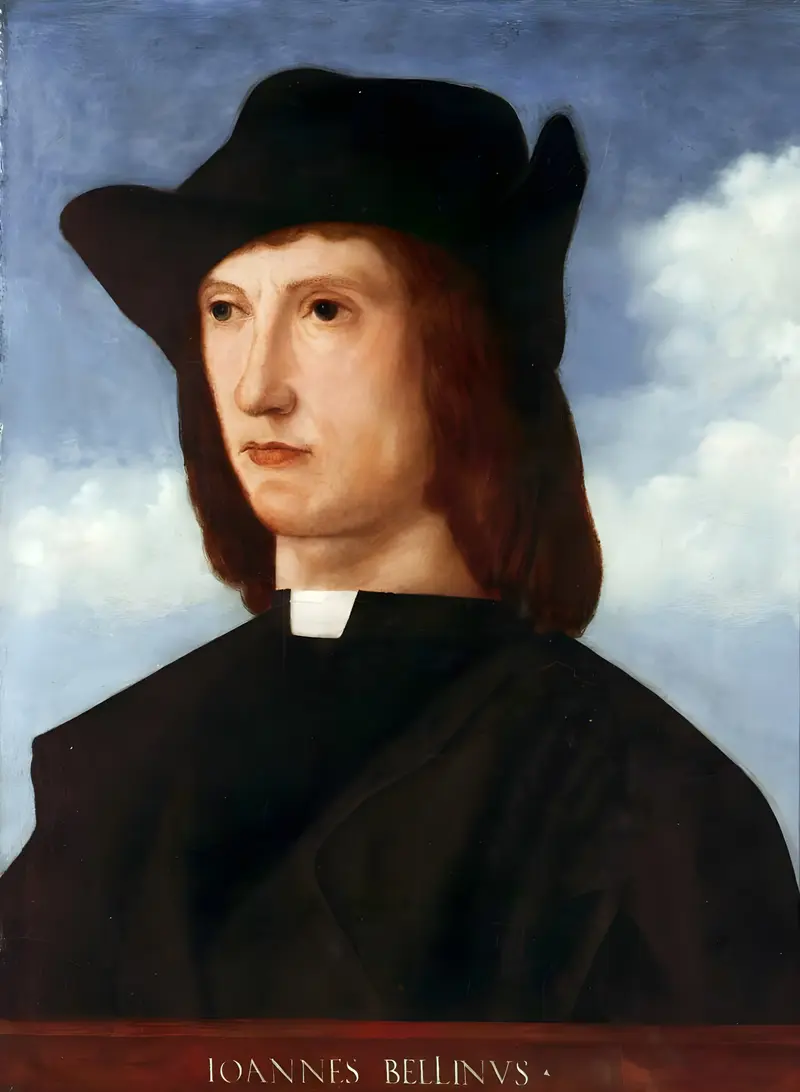
No one knows the name of the man who sat for Portrait of a man, but this anonymity is part of its enduring fascination. Painted by Giovanni Bellini around 1490, the work stands at the dawn of the Venetian Renaissance portrait tradition, a genre that Bellini helped to invent. Unlike the stiff profiles favored in Florence, Bellini’s sitter faces us directly, his gaze alert and searching, as if caught mid-thought.
The painting’s unknown medium—whether oil or tempera—adds another layer to its mystery, as does the absence of any identifying inscription. Scholars still debate whether the subject was a Venetian patrician, a fellow artist, or simply a model. The man’s face emerges from a dark background, illuminated by a gentle, steady light that shapes his features with quiet realism. His plain black cap and simple red robe suggest neither ostentation nor poverty, but a certain dignity and self-possession.
Bellini’s attention to the subtle modeling of flesh and the moist glint in the eye signals a new interest in psychological presence, not just likeness. The sitter’s parted lips and direct gaze draw us into a silent exchange, a technique that would later influence Titian and distinguish Venetian portraiture from the more detached, symbolic works of Antonello da Messina. Here, Bellini captures a living moment, inviting viewers to contemplate the inner life behind the outward appearance. The painting’s early history is largely undocumented, as is often the case with portraits of this period.
It likely remained in private hands for centuries, admired as an example of Bellini’s skill and the Venetian taste for intimate, lifelike images. Only in the nineteenth and twentieth centuries did scholars begin to attribute such works confidently to Giovanni Bellini, distinguishing his hand from that of his workshop and followers. Today, Portrait of a man is recognized as a landmark in the evolution of portraiture, marking a turning point in both the artist’s career and the broader history of Renaissance art.
Its quiet presence continues to challenge and intrigue, a testament to Bellini’s ability to make the ordinary unforgettable.
More Artworks by Giovanni Bellini
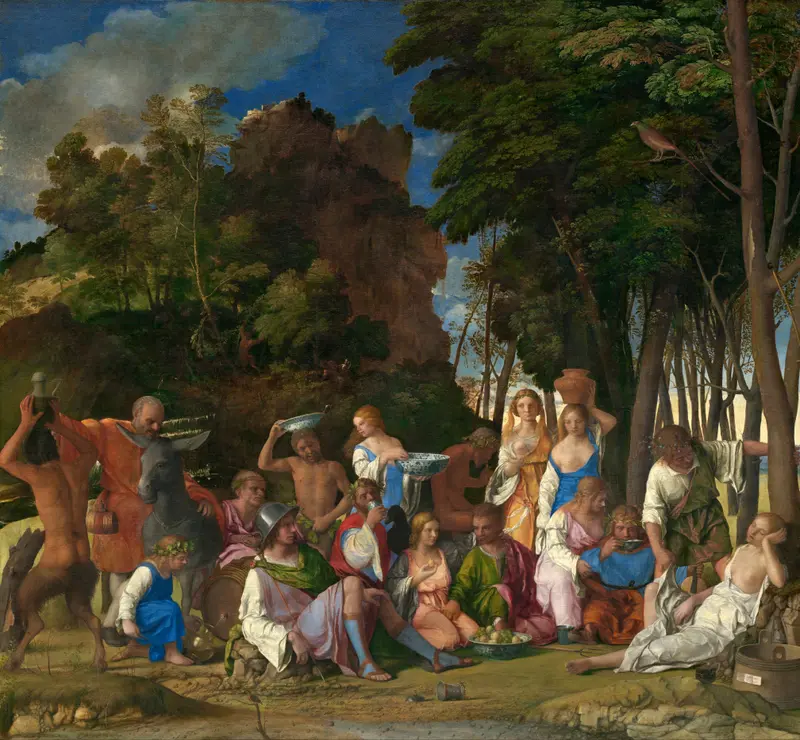
The Feast of the Gods
Giovanni Bellini

Madonna and Child enthroned with Saints and Angels
Giovanni Bellini
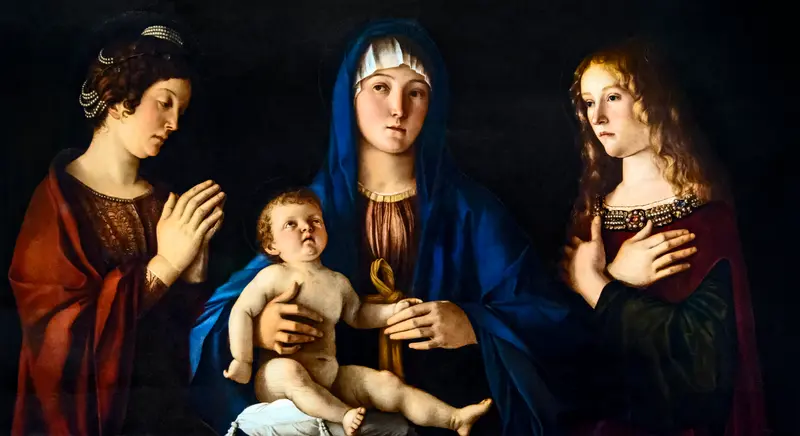
Madonna and Child between Saints Catherine and Mary Magdalene
Giovanni Bellini
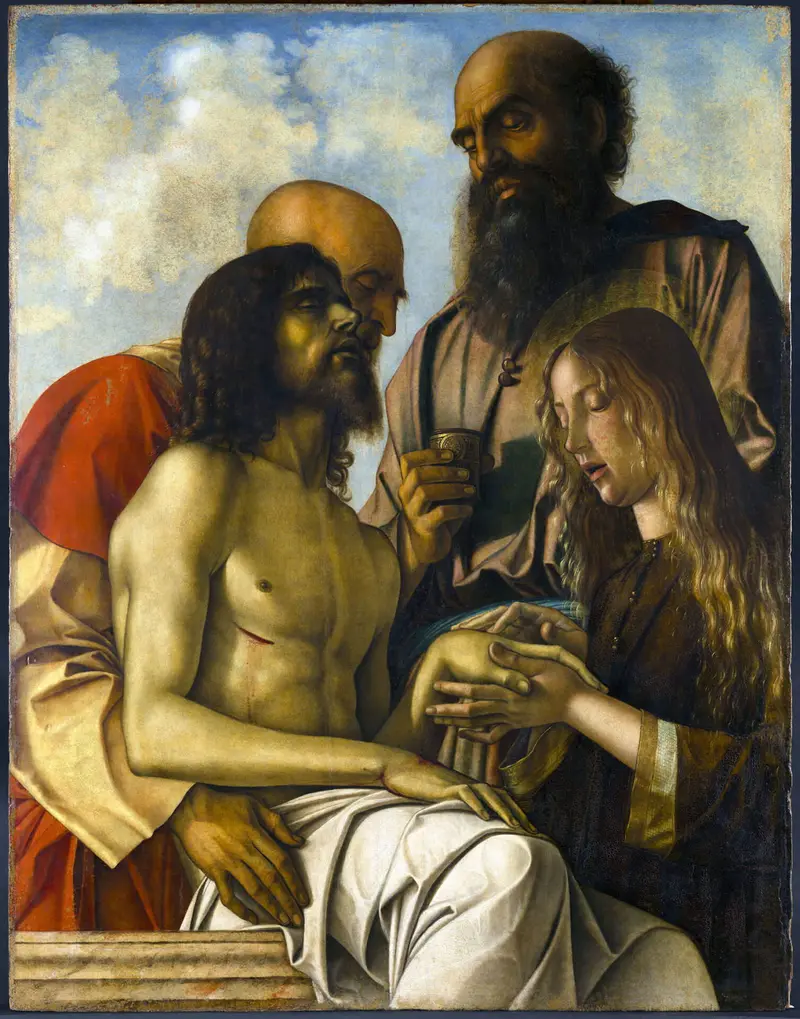
Lamentation over the Dead Christ
Giovanni Bellini
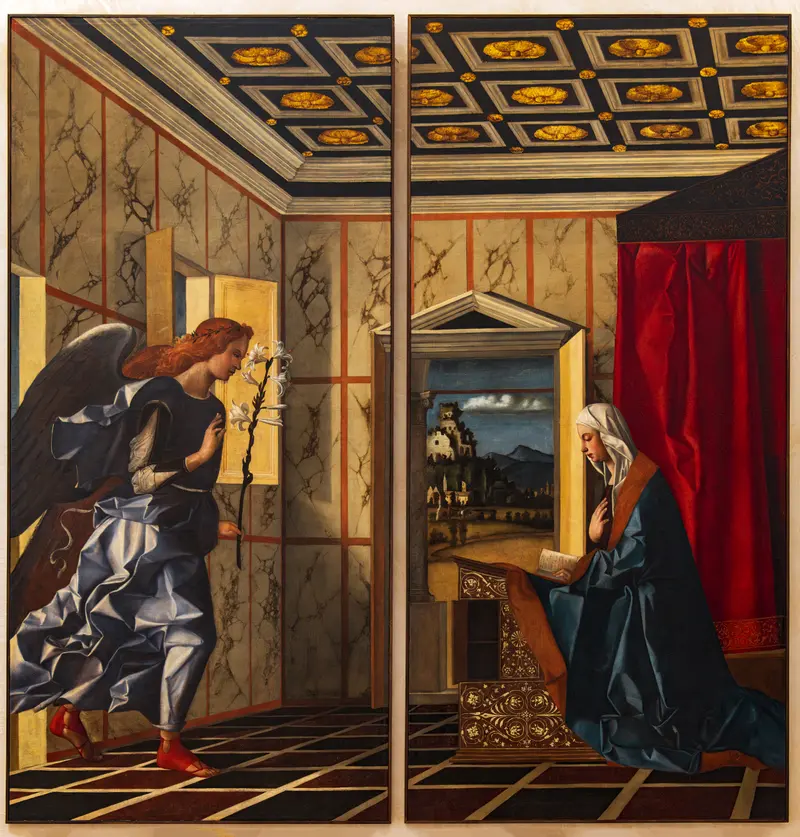
Annunciation
Giovanni Bellini
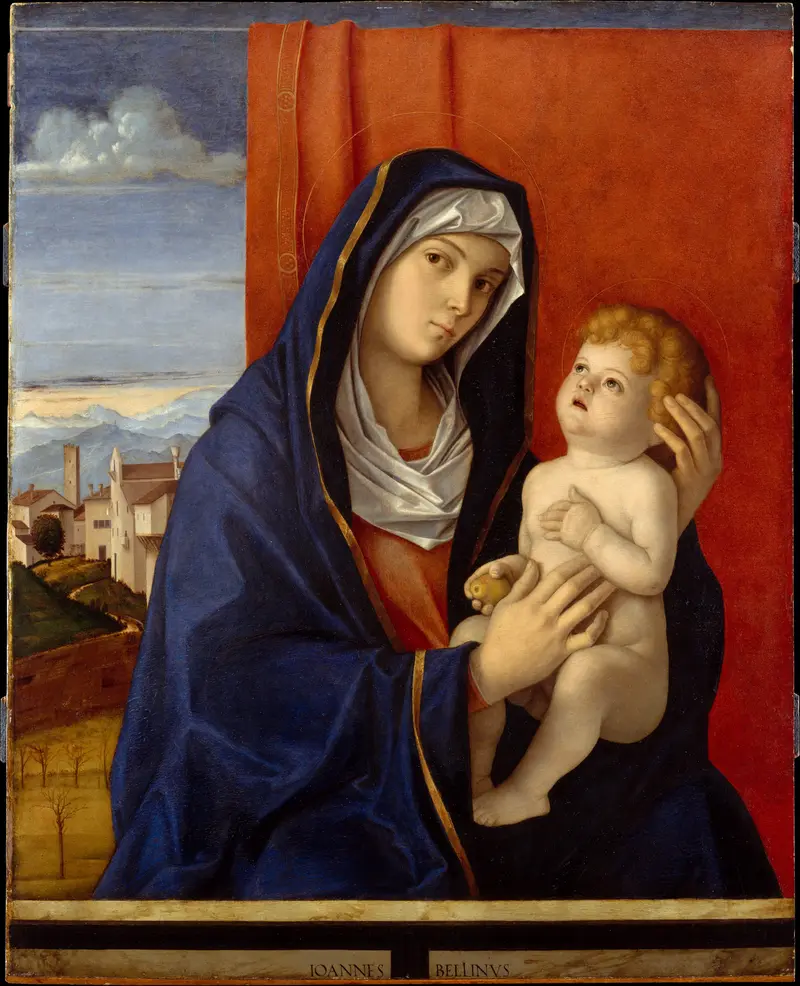
Madonna and Child
Giovanni Bellini
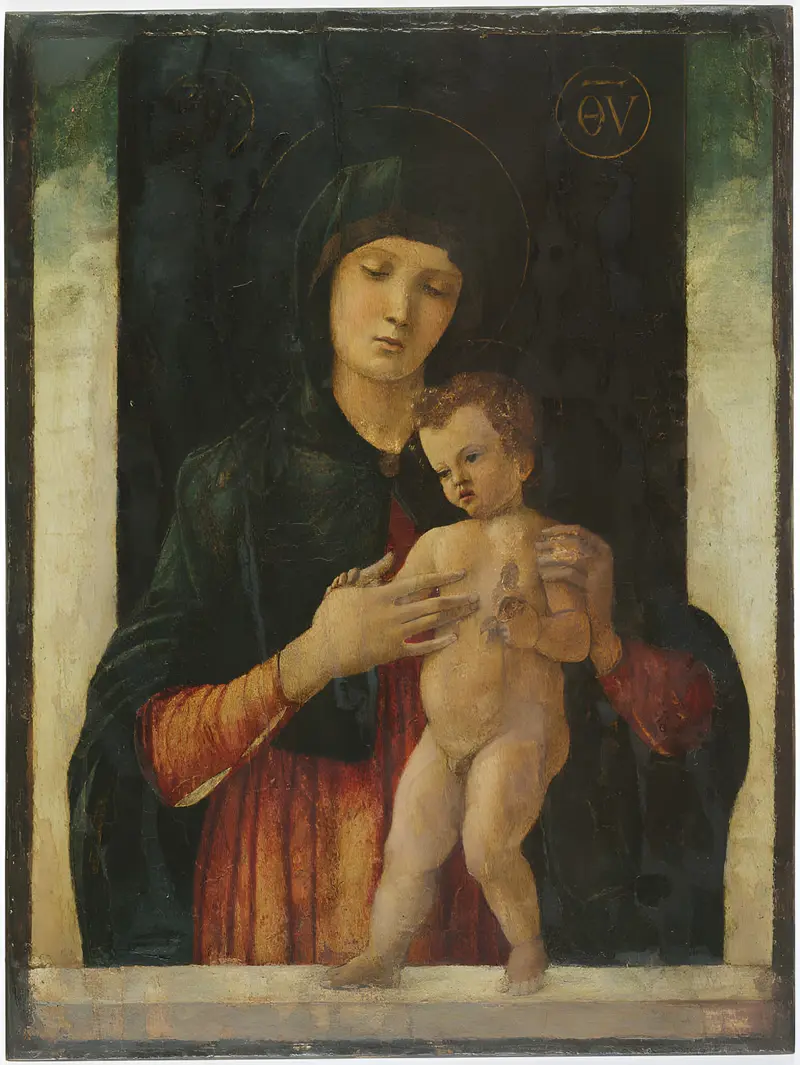
The Virgin and Child
Giovanni Bellini
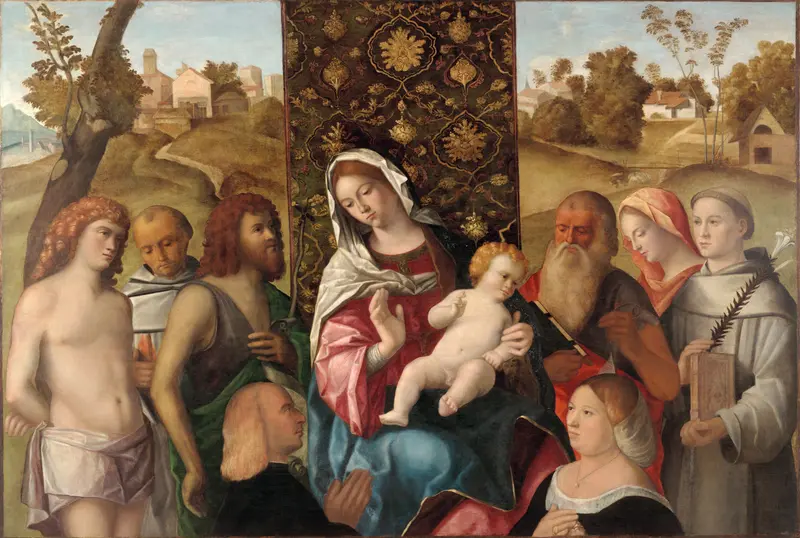
Virgin and Child with Saints Sebastian, Francis, John the Baptist, Jerome, an unidentified female saint, Saint Anthony of Padua and two donors
Giovanni Bellini
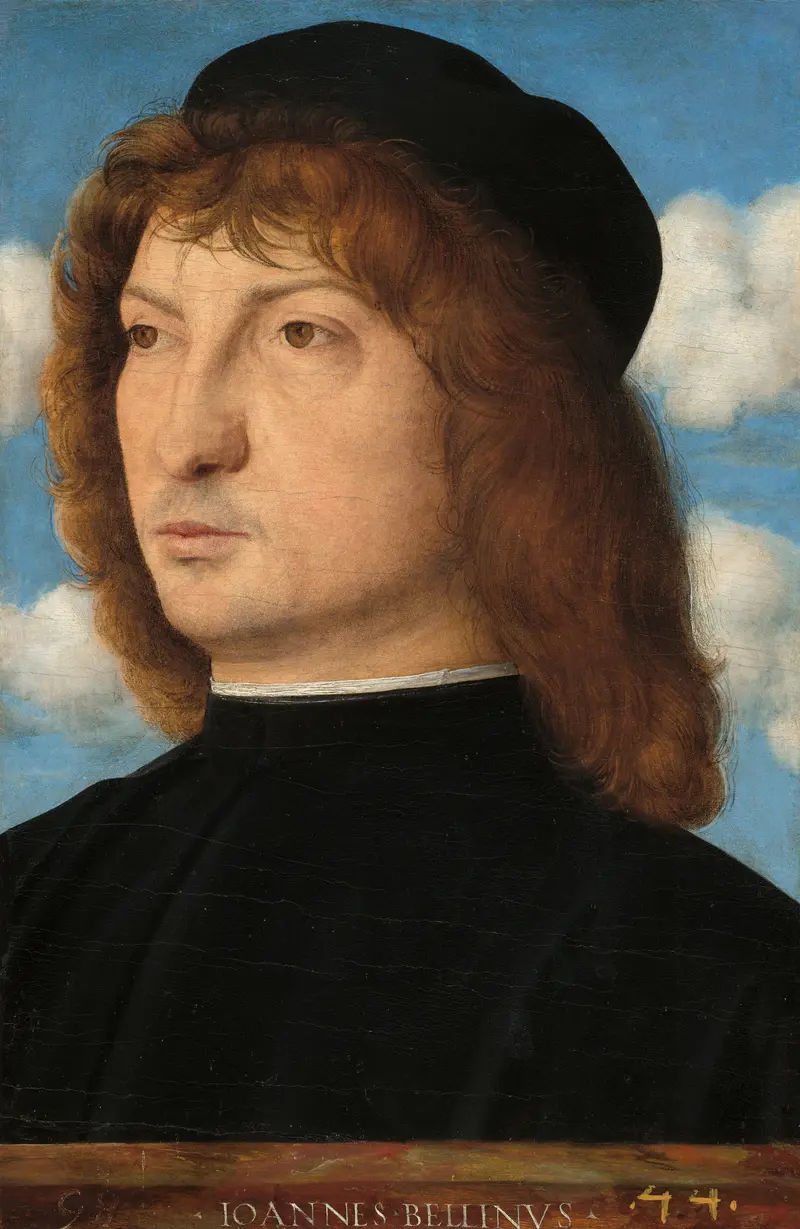
Portrait of a Venetian Gentleman
Giovanni Bellini
Portrait of a Young Man
Giovanni Bellini





