
Portrait of a man in profile, turned to the left — History & Facts
No one knows for certain who the sitter is in Portrait of a man in profile, turned to the left by Simon Vouet, and this mystery has intrigued scholars for generations. Some have speculated that the man could be a fellow artist, a patron, or even a self-portrait, but no documentary evidence has surfaced to confirm any theory. The anonymity of the subject stands out in Vouet’s oeuvre, where commissioned portraits often celebrate the sitter’s identity and status.
Here, the lack of inscription or heraldic device leaves the viewer to wonder whether the painting was ever meant for public display or remained a private study. The man’s face, caught in sharp profile and turned left, is rendered with a clarity and psychological presence characteristic of the early Baroque. His gaze is directed beyond the frame, suggesting contemplation or perhaps the anticipation of an unseen event. The play of light across his brow and cheekbone carves out his features, while the dark, undefined background focuses all attention on the sitter’s expression and silhouette.
This compositional choice recalls the intensity of Caravaggio’s portraits, though Vouet tempers the drama with a softer modeling of flesh and a more reserved palette. The absence of attributes or costume details keeps the portrait enigmatic, inviting the viewer to search the sitter’s features for clues to his identity. The painting’s origins remain obscure, and no contemporary records of its commission or early ownership have been discovered. Simon Vouet spent formative years in Italy before returning to France in 1627, and this work likely dates from his mature period, when he was at the height of his fame as a portraitist and court painter.
Over the centuries, the portrait has passed quietly through private collections, its attribution to Vouet sometimes questioned but now generally accepted based on stylistic grounds. Today, Portrait of a man in profile, turned to the left stands as a testament to Vouet’s ability to capture both likeness and inner life, even when the sitter’s name has been lost to time.
More Artworks by Simon Vouet

Portrait of Louis XIII
Simon Vouet
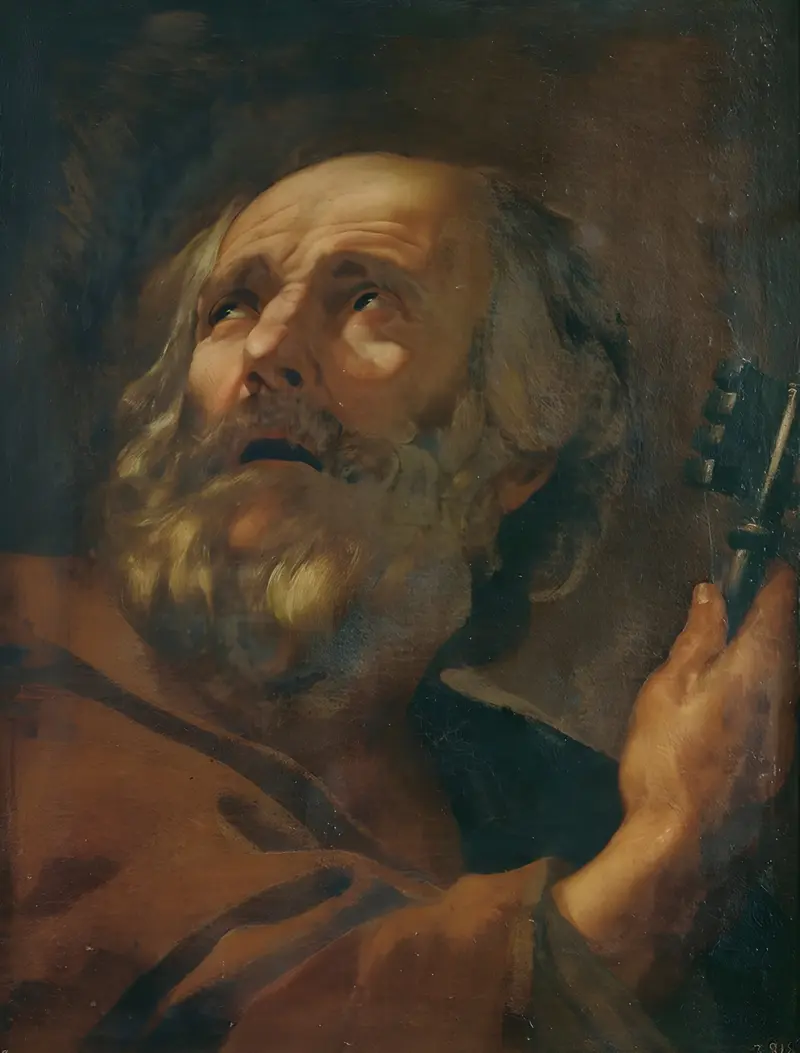
Saint Peter
Simon Vouet
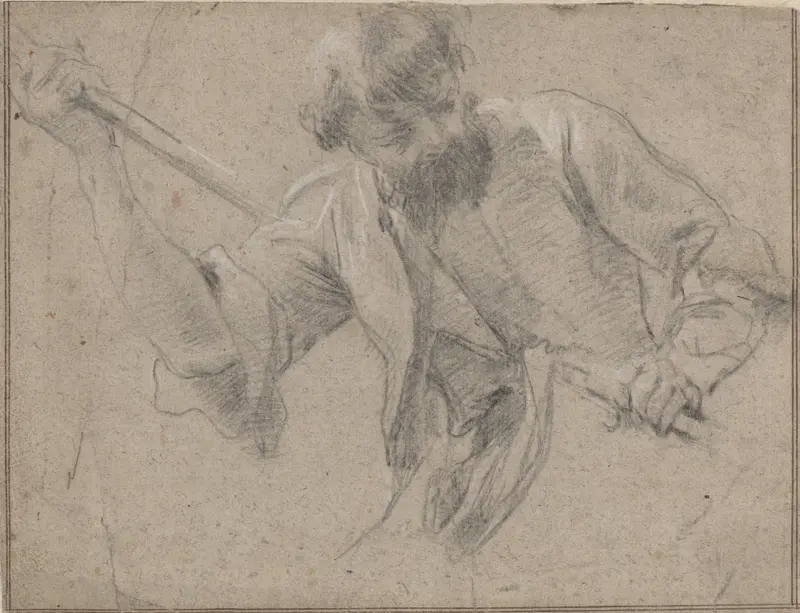
A Bearded Man with a Staff
Simon Vouet
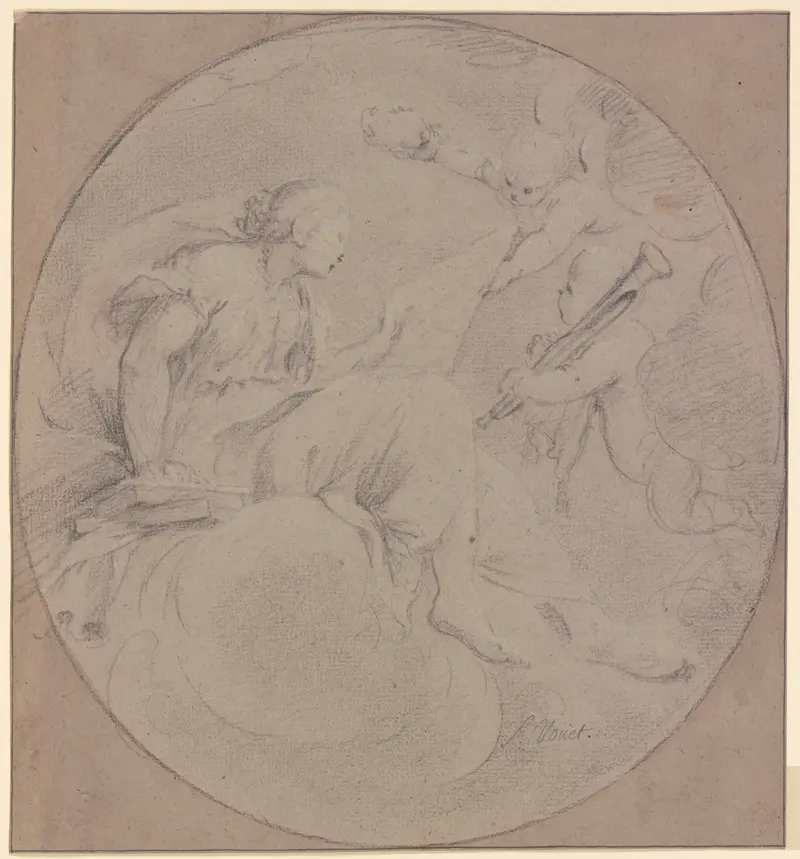
Die Muse der Musik mit zwei Genien, deren einer eine Trompete trägt
Simon Vouet
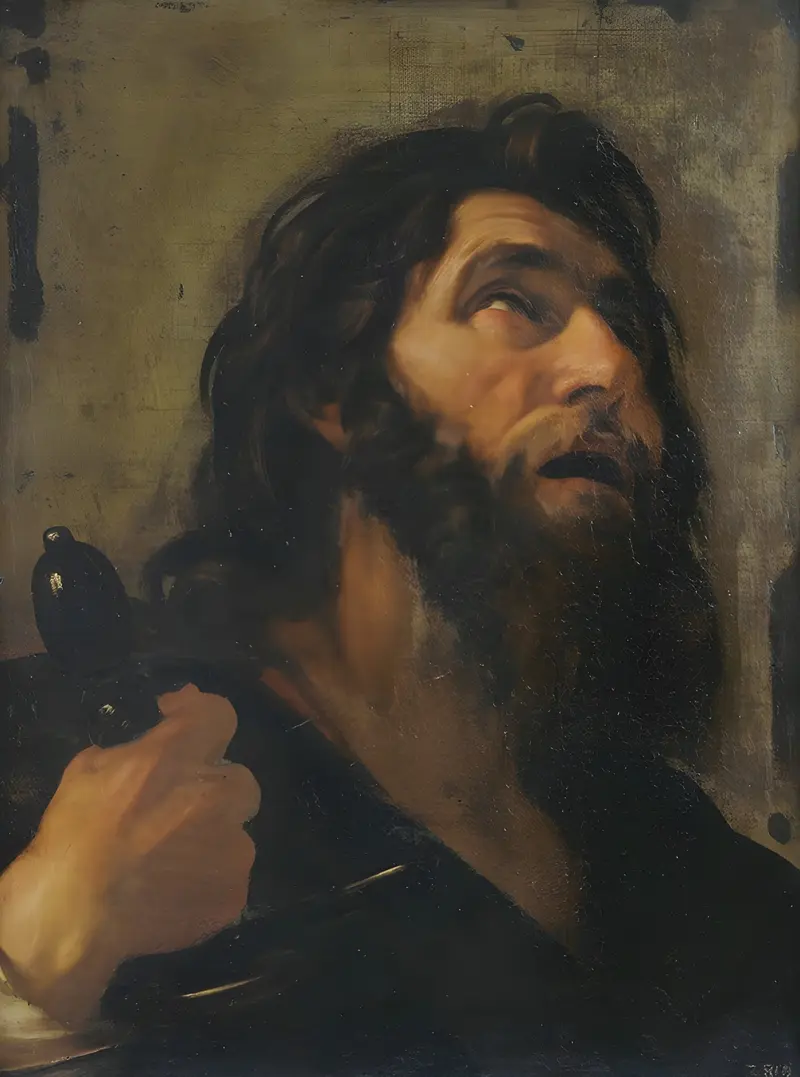
Saint Paul
Simon Vouet
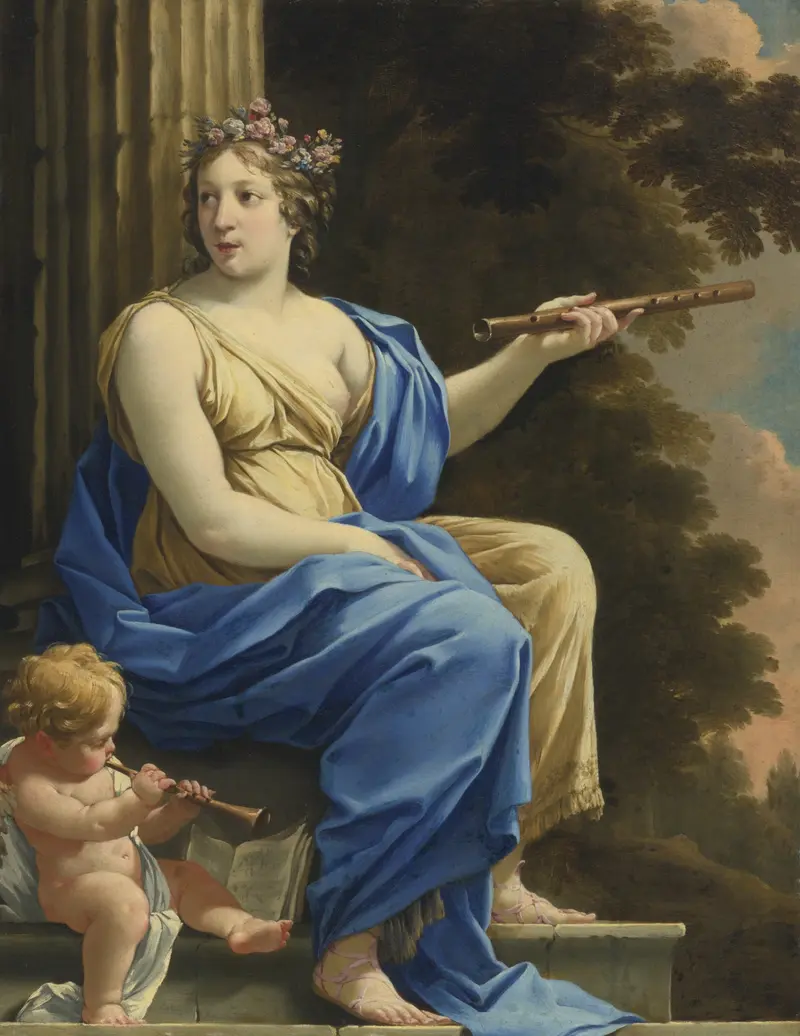
Euterpe, The Muse Of Music And Lyric Poetry
Simon Vouet
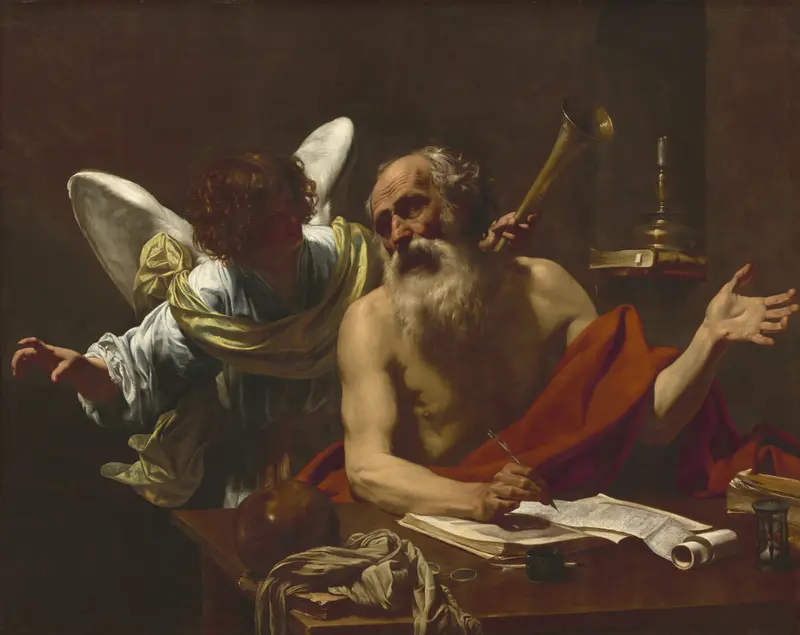
Saint Jerome and the Angel
Simon Vouet
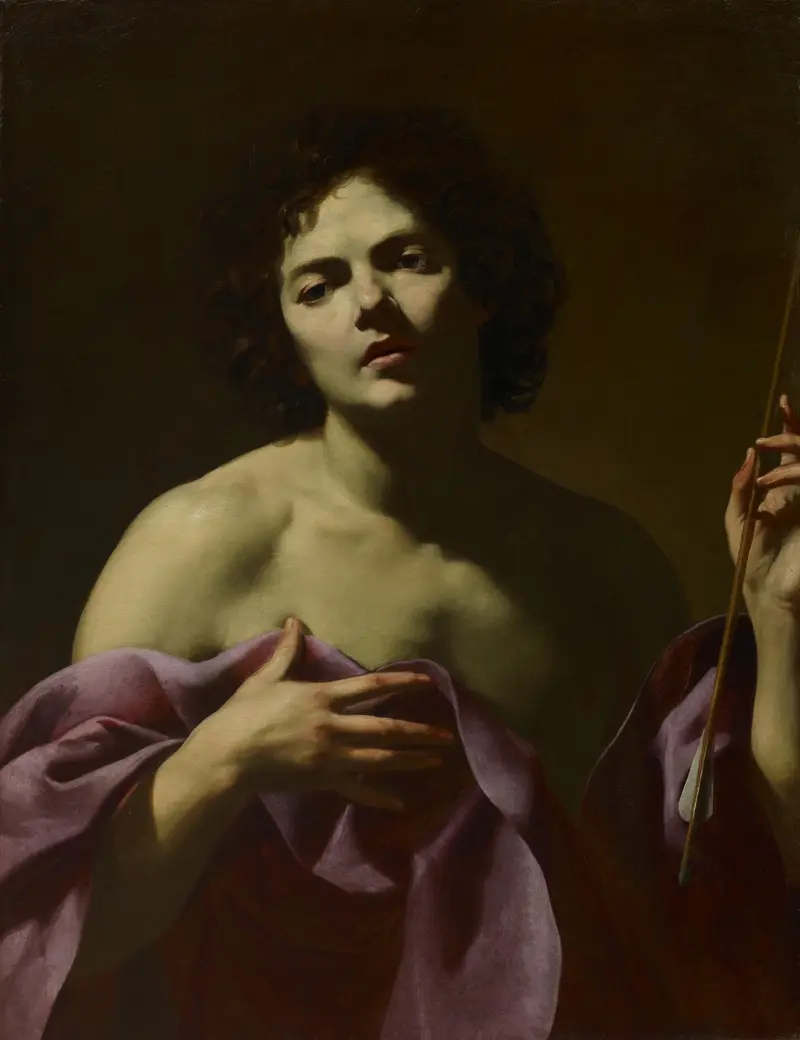
Saint Sebastian
Simon Vouet
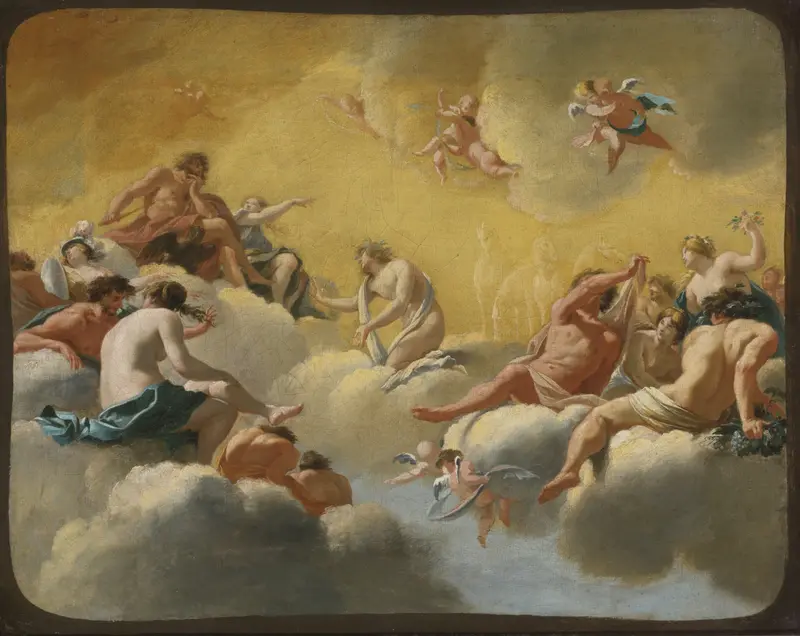
Assembly Of The Gods
Simon Vouet
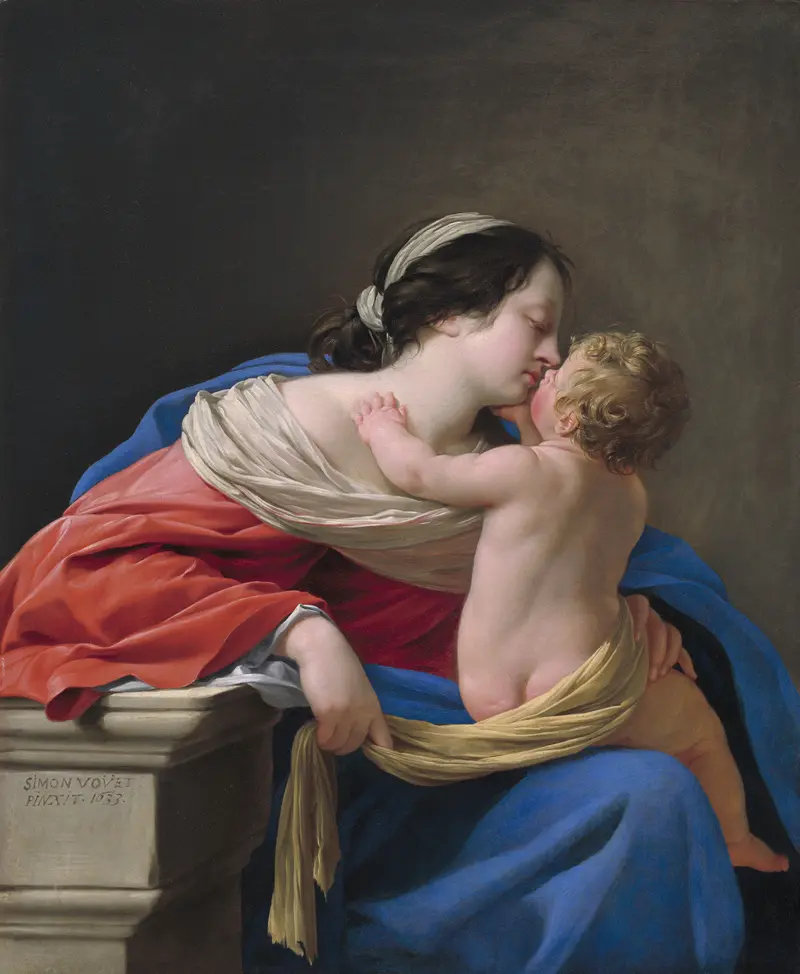
Madonna and Child
Simon Vouet





