
Portrait of a Man Standing — History & Facts
When Portrait of a Man Standing entered the public eye, it sparked immediate debate about the sitter’s identity—a question that remains unanswered today. Unlike many of Frans Hals’s portraits, which often feature prominent Haarlem citizens, the man’s name has been lost, and no contemporary records link him to the painting. This anonymity has only deepened the fascination, with scholars poring over the sitter’s attire and posture for clues.
The painting’s date, 1619, places it at a turning point in Dutch society, when the merchant class was rising and portraiture was a means of self-assertion. The man stands, nearly life-sized, his body angled but his gaze direct, as if caught mid-conversation. His right hand rests on his hip, a gesture of confidence echoed by the crisp white ruff and the dark, sober clothing that signal both wealth and restraint. The loose, energetic brushwork—so characteristic of Hals—brings a sense of immediacy, the sitter’s face alive with individuality rather than idealization.
In contrast to the formality of Anthony van Dyck’s court portraits, Hals captures a fleeting moment, the sitter’s personality emerging through pose and paint rather than props or grand settings. The early provenance of Portrait of a Man Standing is uncertain; no commission documents survive, and it does not appear in early Haarlem inventories. Its style, however, marks it as a product of Hals’s first mature period, when he was refining the lively realism that would define his career. Over centuries, the painting has passed through private collections, sometimes misattributed or paired with companion pieces.
Today, it is recognized as a key example of Dutch Golden Age portraiture, hanging in a major museum and offering visitors a direct encounter with the enigmatic self-assurance of a seventeenth-century citizen.
More Artworks by Frans Hals

Banquet of the Officers of the St George Civic Guard
Frans Hals

Portrait of Jacob Pietersz Olycan (1596-1638)
Frans Hals
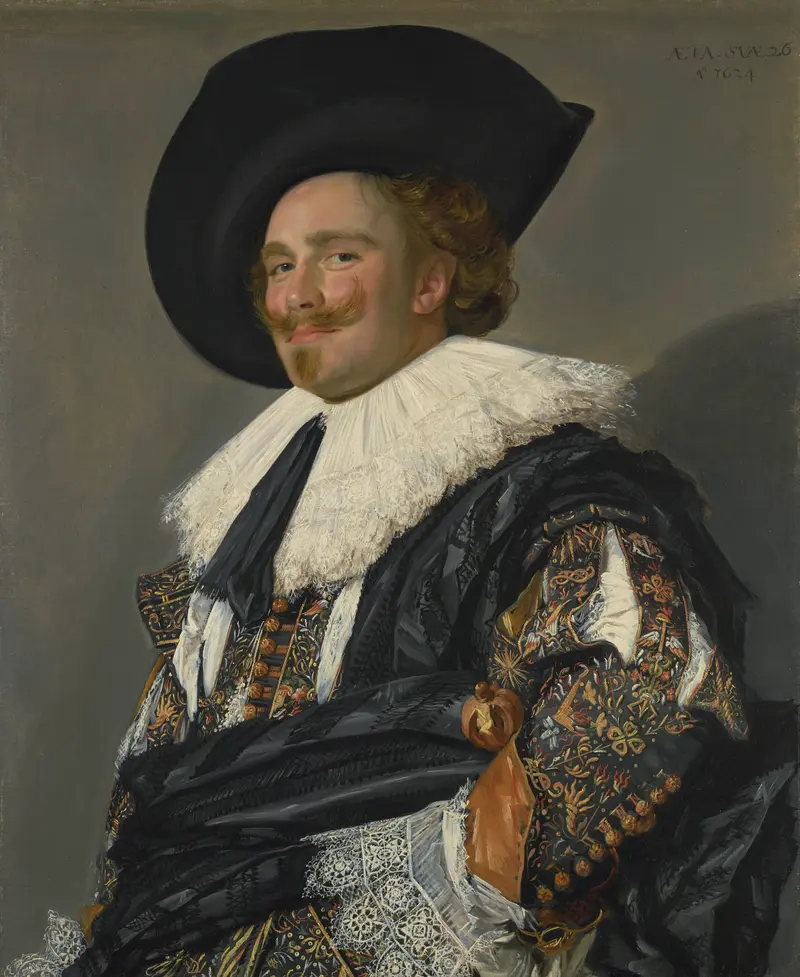
Laughing Cavalier
Frans Hals

Militia Company of District XI under the Command of Captain Reynier Reael, Known as ‘The Meagre Company’
Frans Hals
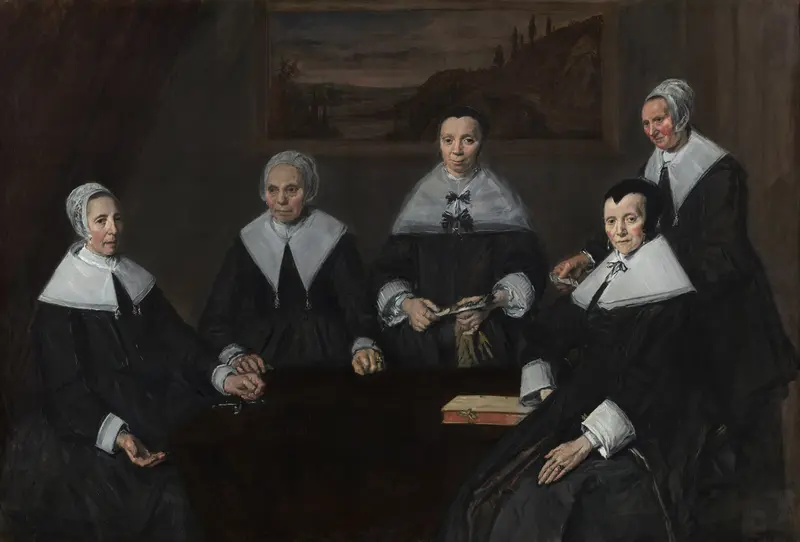
Regentesses of the Old Men's Alms House
Frans Hals
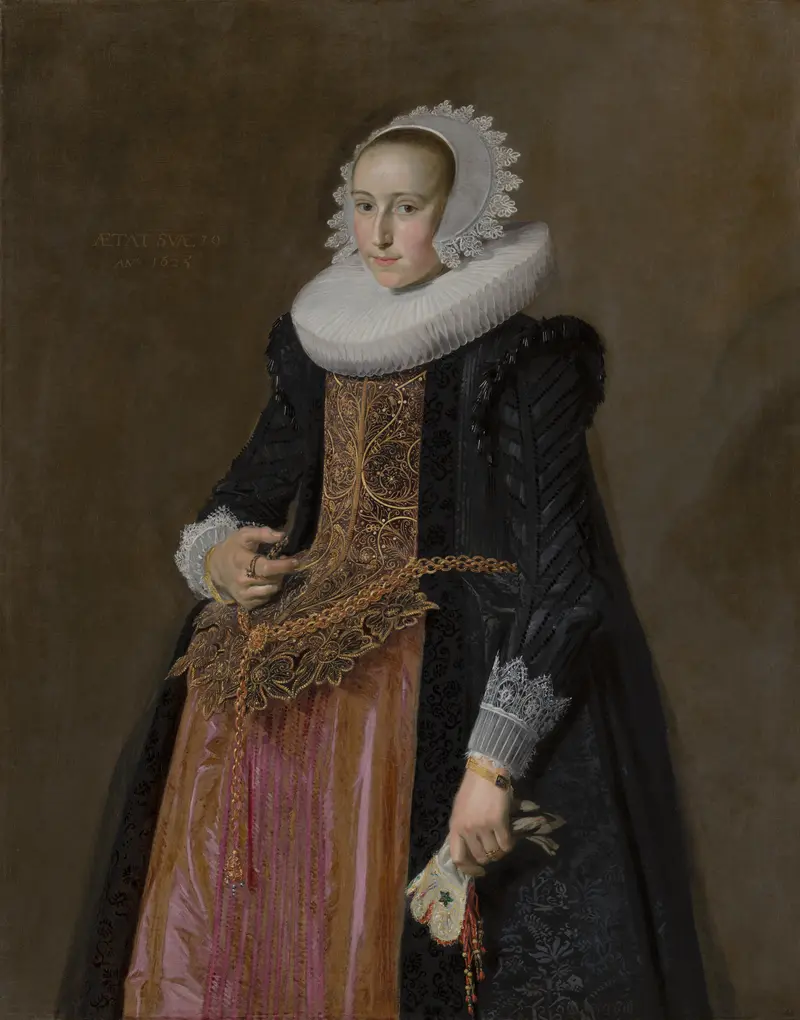
Portrait of Aletta Hanemans (1606–1653)
Frans Hals
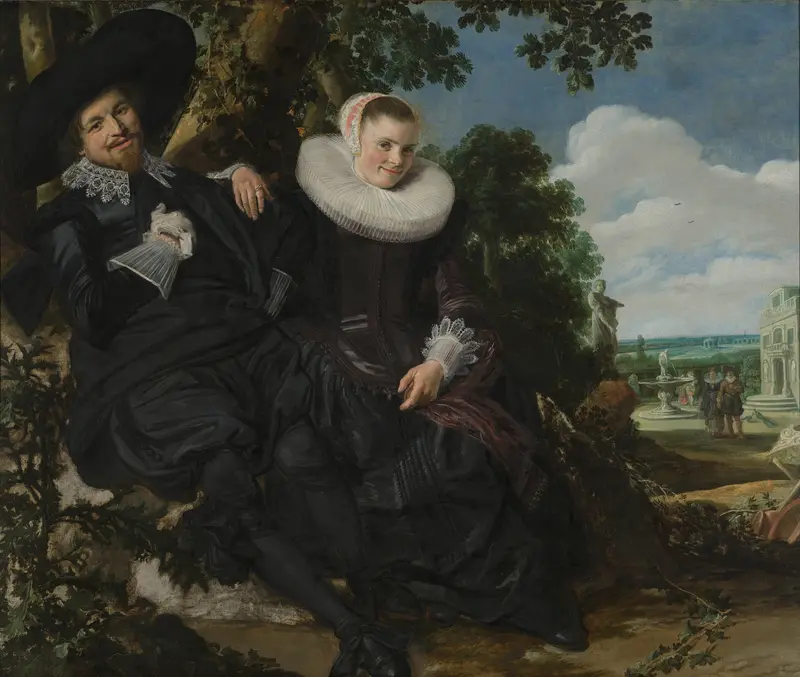
Portrait of a Married Couple, Likely Isaac Abrahamsz Massa and Beatrix van der Laen
Frans Hals
The Merry Drinker
Frans Hals
Portrait of Paulus Verschuur
Frans Hals
Portrait of Pieter van den Broecke
Frans Hals





