
Portrait of a Procurator — History & Facts
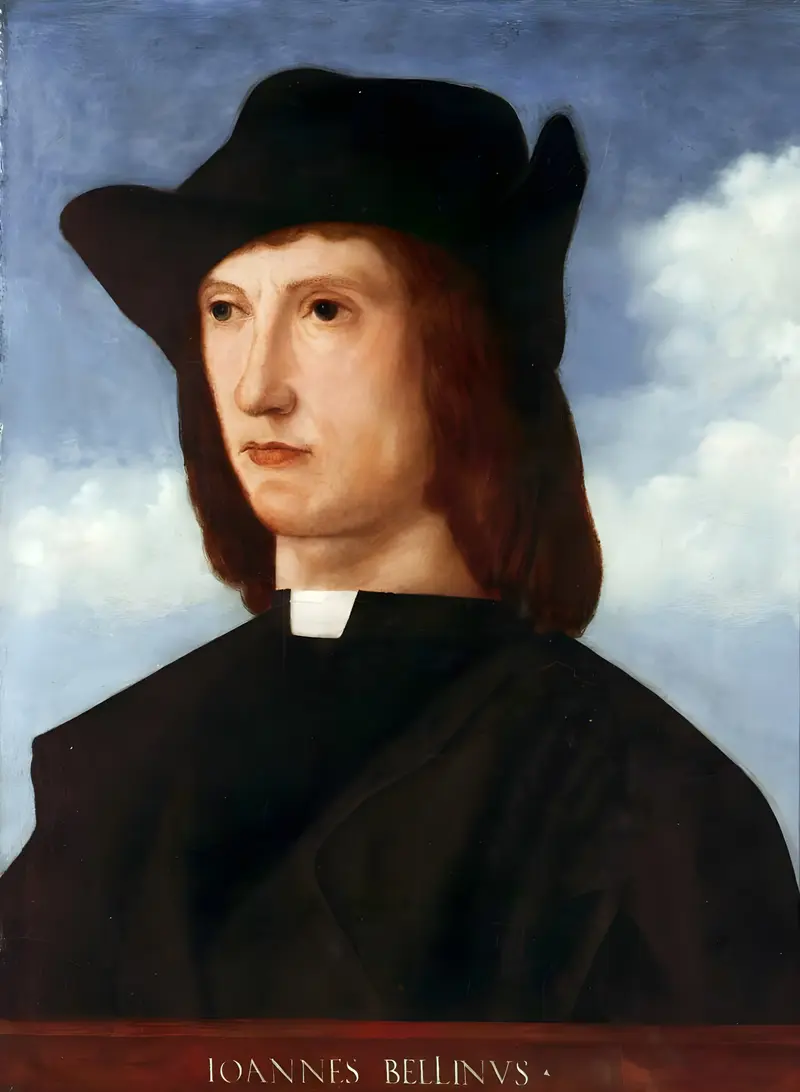
When Giovanni Bellini painted Portrait of a Procurator in 1507, Venice was at the height of its power, and its most senior officials—the Procurators of San Marco—were among the most respected men in the Republic. The office was second only to the Doge, and portraits of these figures were both a mark of status and a visual record for the city’s archives. This painting stands out because it is one of the few surviving images of a procurator from Bellini’s own hand, created when he was already the leading painter of Venice and well into his seventies.
The sitter’s identity remains uncertain, but the painting’s date and style anchor it at the very end of Bellini’s long career, a moment when Venetian portraiture was about to be transformed by younger artists like Titian. The sitter faces us in three-quarter view, his gaze calm and direct, dressed in the distinctive fur-lined robe and stiff white cap of his office—symbols of dignity and incorruptibility. Bellini’s handling of light, falling gently across the man’s face, reveals not only the textures of skin and fabric but also the sitter’s inner life: thoughtful, perhaps a little weary, but resolute. The absence of distracting background or elaborate props focuses attention on character rather than power, a contrast with the more theatrical portraits of Venetian officials by Tintoretto in the next generation.
Bellini’s subtle modeling and restrained palette give the painting a sense of quiet authority, inviting the viewer to consider the responsibilities and burdens of public service. Little is known about the early history of Portrait of a Procurator, though it likely remained in Venice for centuries, possibly within the family of the sitter or in the possession of the Procurators themselves. The painting’s attribution to Giovanni Bellini has never been seriously questioned, thanks to its unmistakable style and the date inscribed on its surface. Today, it is valued not only as a rare example of Bellini’s late portraiture but also as a document of Venetian civic life on the eve of the High Renaissance.
Its restrained dignity marks the end of an era, just before the bold innovations of Titian and Giorgione would redefine Venetian painting for the next generation.
More Artworks by Giovanni Bellini
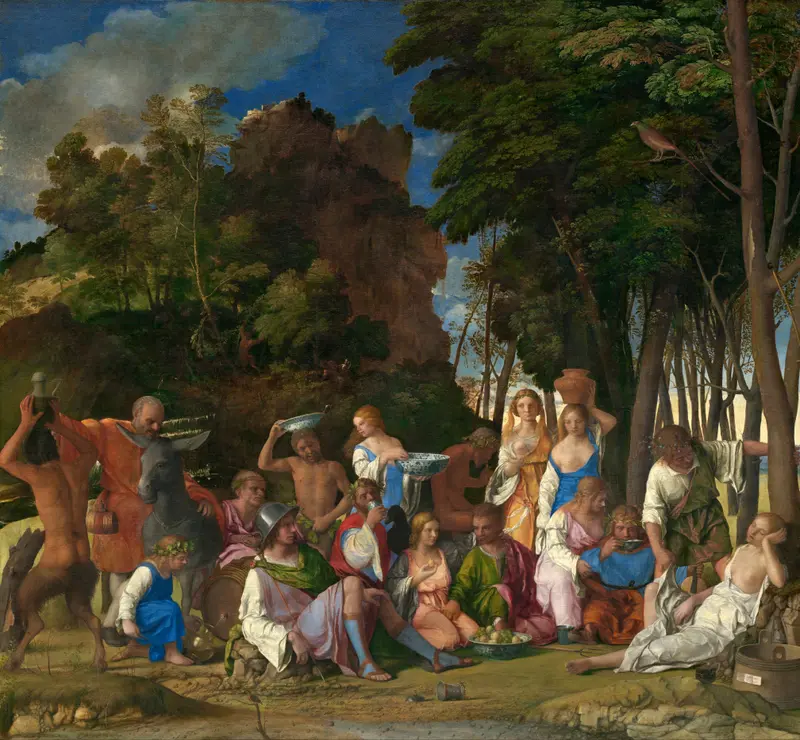
The Feast of the Gods
Giovanni Bellini

Madonna and Child enthroned with Saints and Angels
Giovanni Bellini
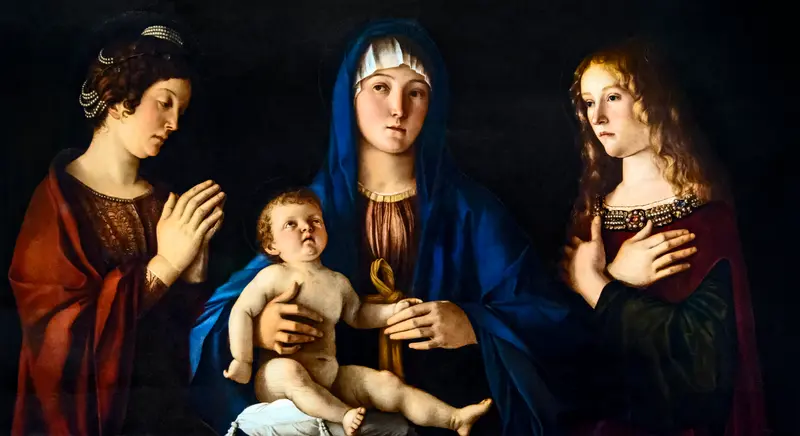
Madonna and Child between Saints Catherine and Mary Magdalene
Giovanni Bellini
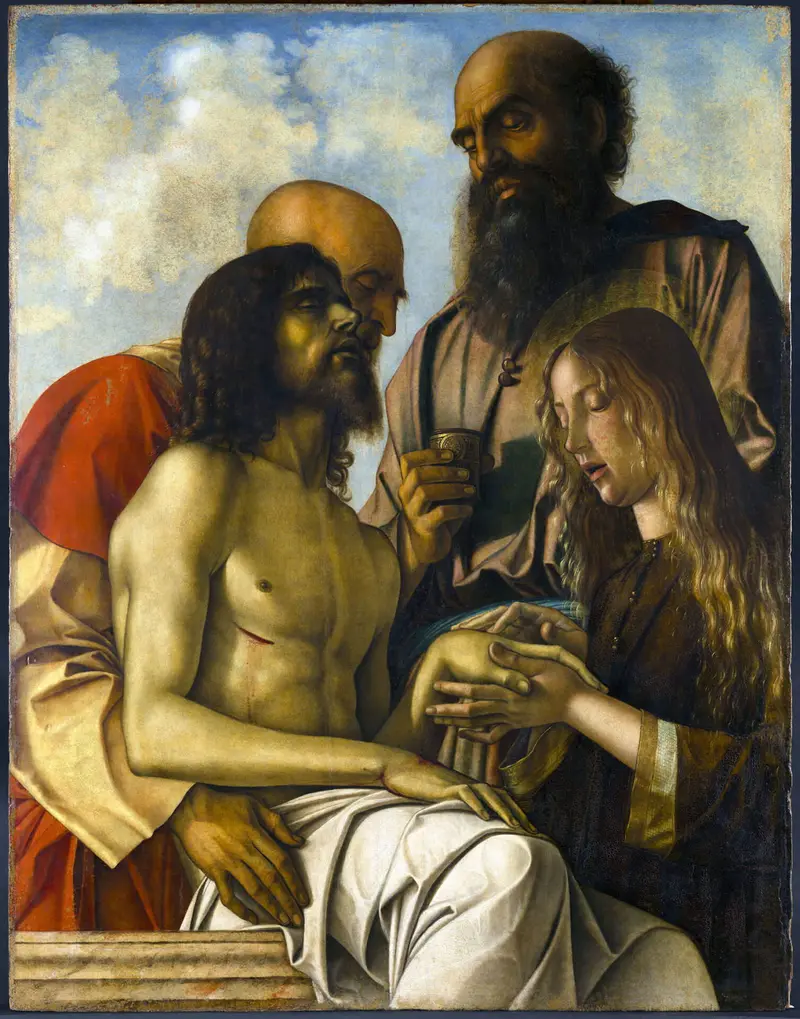
Lamentation over the Dead Christ
Giovanni Bellini
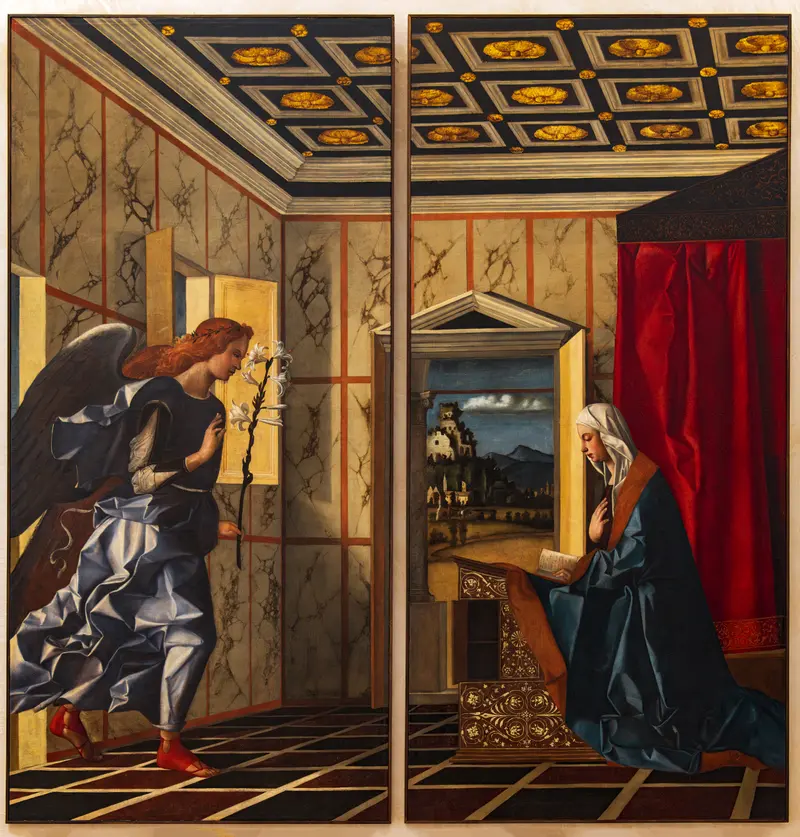
Annunciation
Giovanni Bellini
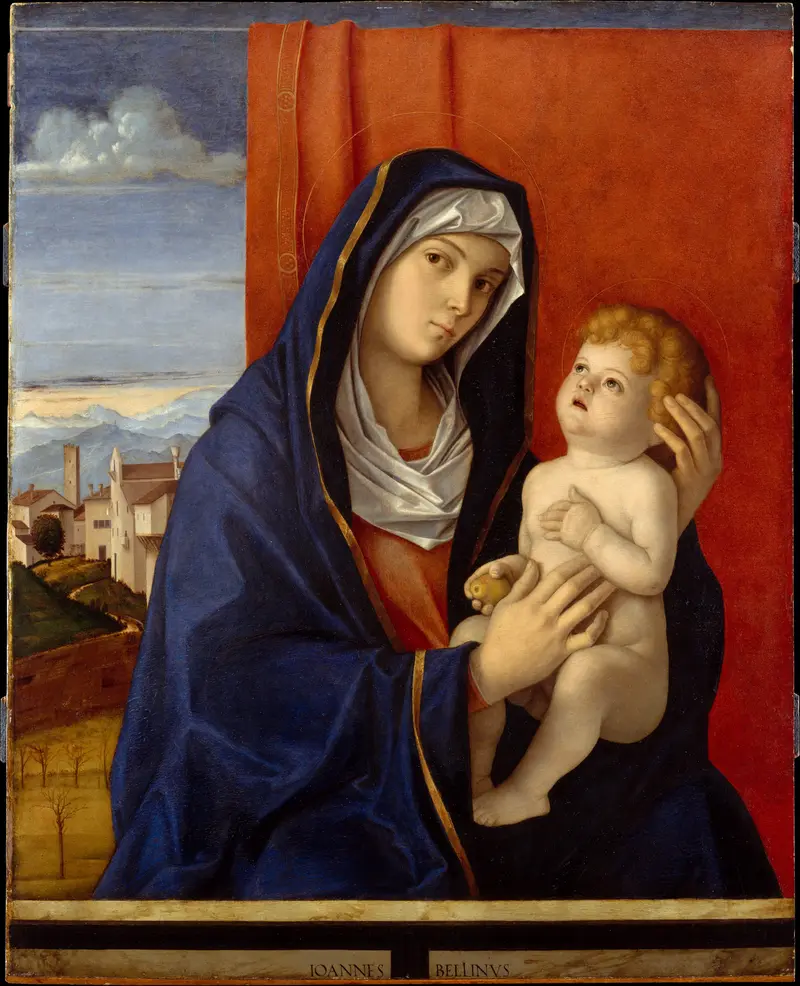
Madonna and Child
Giovanni Bellini
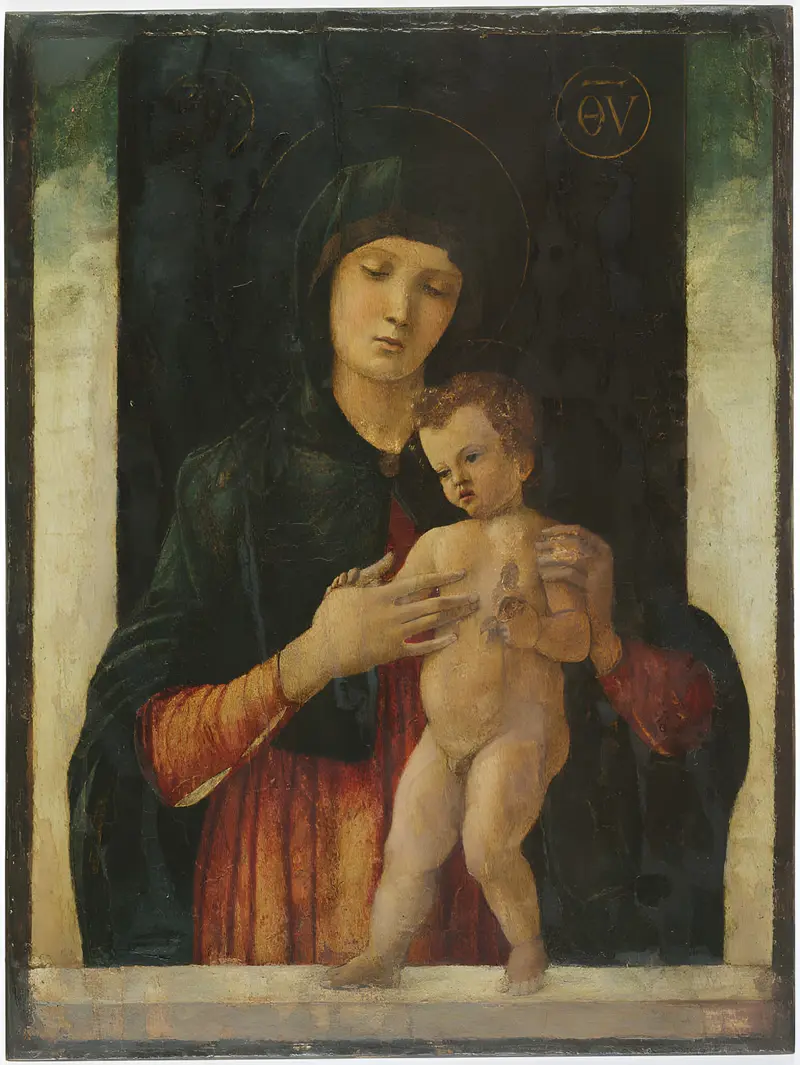
The Virgin and Child
Giovanni Bellini
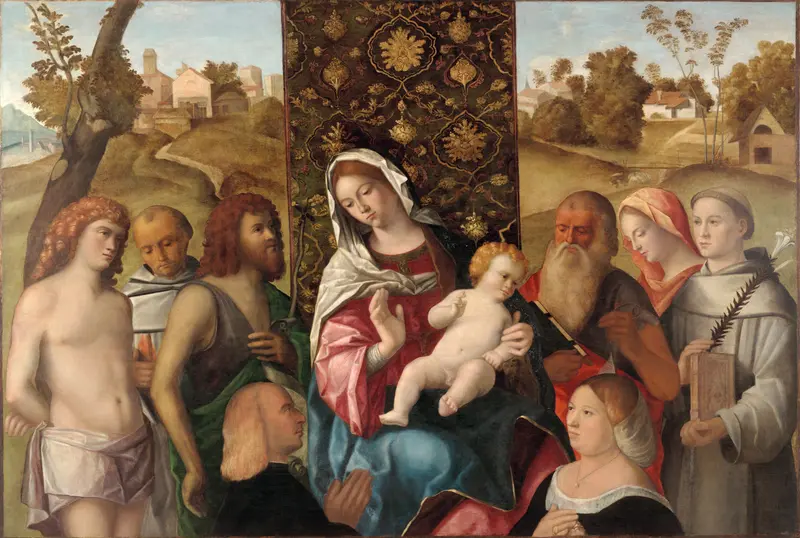
Virgin and Child with Saints Sebastian, Francis, John the Baptist, Jerome, an unidentified female saint, Saint Anthony of Padua and two donors
Giovanni Bellini
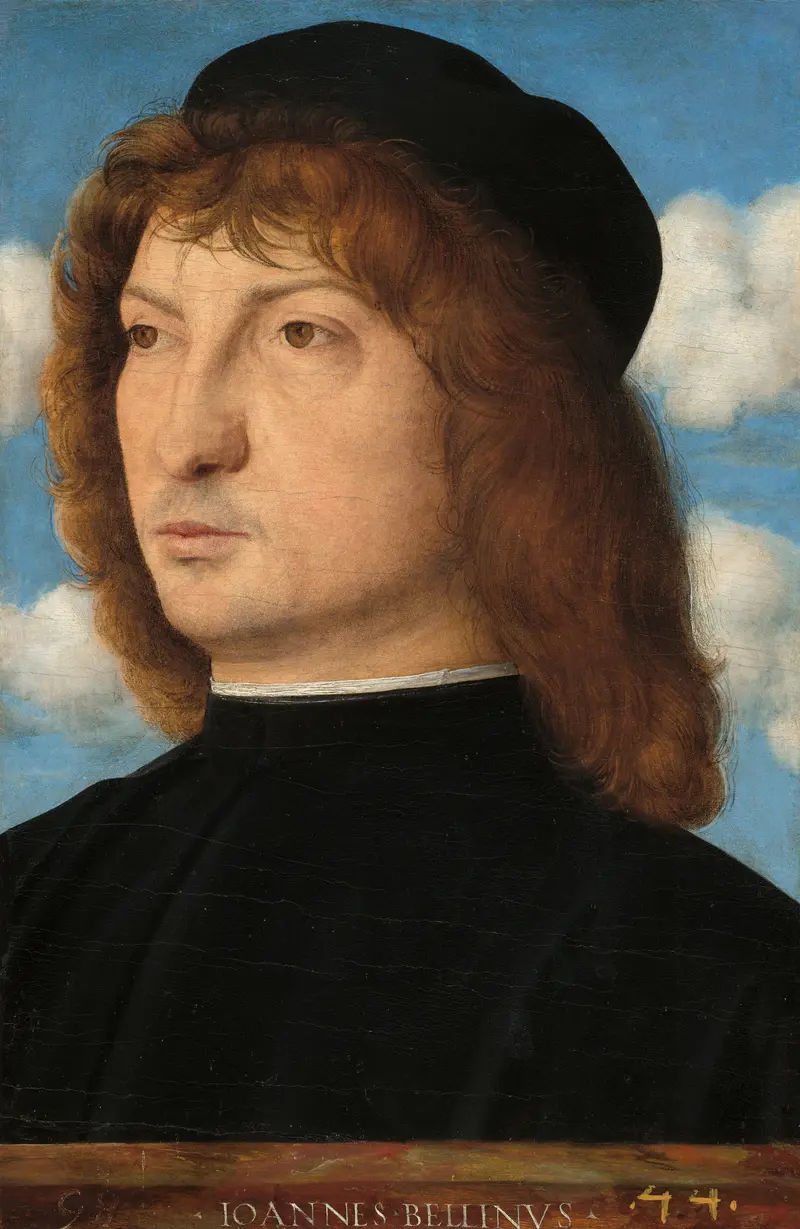
Portrait of a Venetian Gentleman
Giovanni Bellini
Portrait of a Young Man
Giovanni Bellini





