
Portrait of a Woman — History & Facts
What first catches the eye is the quiet confidence in the sitter’s half-smile, a look that seems to meet the viewer with both reserve and candor. The deep, lustrous violet of her gown, rendered with a painter’s delight in the play of light on silk, signals not only wealth but a taste for the refined simplicity that was beginning to replace the excesses of pre-Revolutionary fashion. The feathered hat, perched at a rakish angle, draws attention upward, while the red sash at her waist anchors the composition and adds a note of boldness.
Her direct gaze, framed by softly powdered curls and the delicate lace at her collar, suggests a woman aware of her place in a changing world, yet determined to claim her own space within it. Painted in 1790, as France hovered on the brink of transformation, this portrait by Adélaïde Labille-Guiard belongs to a moment when portraiture was both a personal and political act. While history has kept few traces of this particular sitter’s story, works like this—now in the National Museum of Women in the Arts—remind us that the late eighteenth century was an era when women artists like Labille-Guiard carved out their own reputations, often painting members of the aristocracy who themselves were negotiating new identities. Portraits of this kind were prized as tokens of status and memory, yet here, the pared-down setting and natural landscape hint at shifting values and the uncertain future ahead.
The sitter’s steady gaze invites us to wonder what she saw on the horizon.
More Artworks by Adélaïde Labille-Guiard
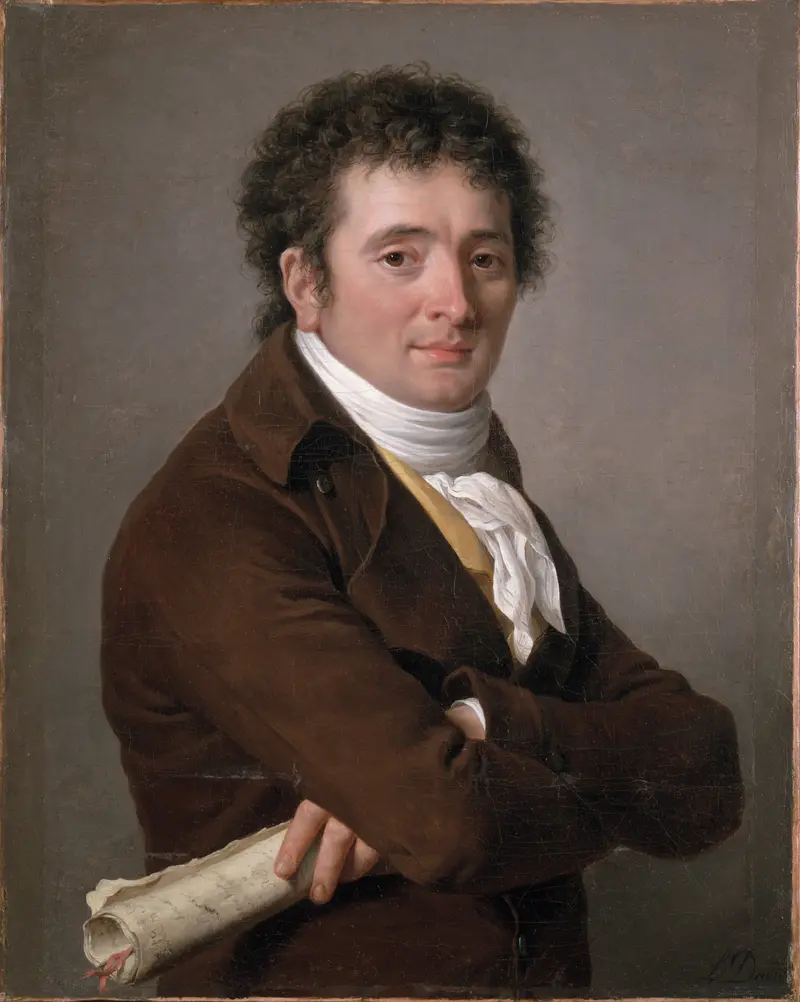
Tournelle, called Dublin (1761-1820)
Adélaïde Labille-Guiard
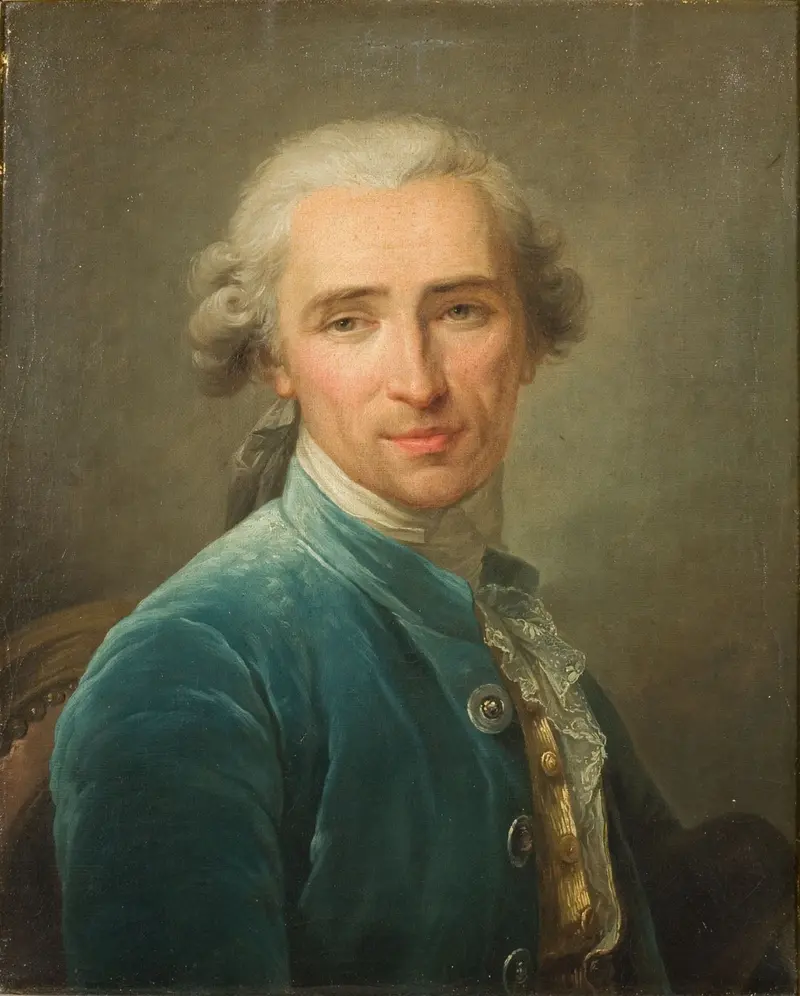
Portrait de Joseph Benoît Suvée
Adélaïde Labille-Guiard
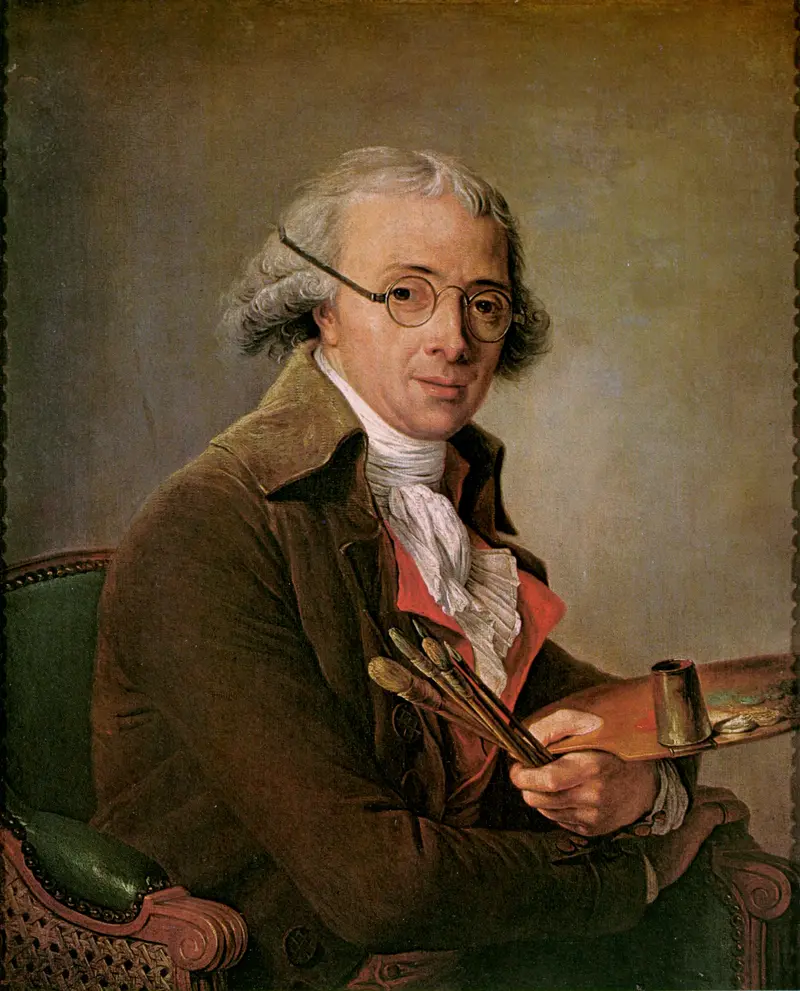
The Painter François-André Vincent
Adélaïde Labille-Guiard
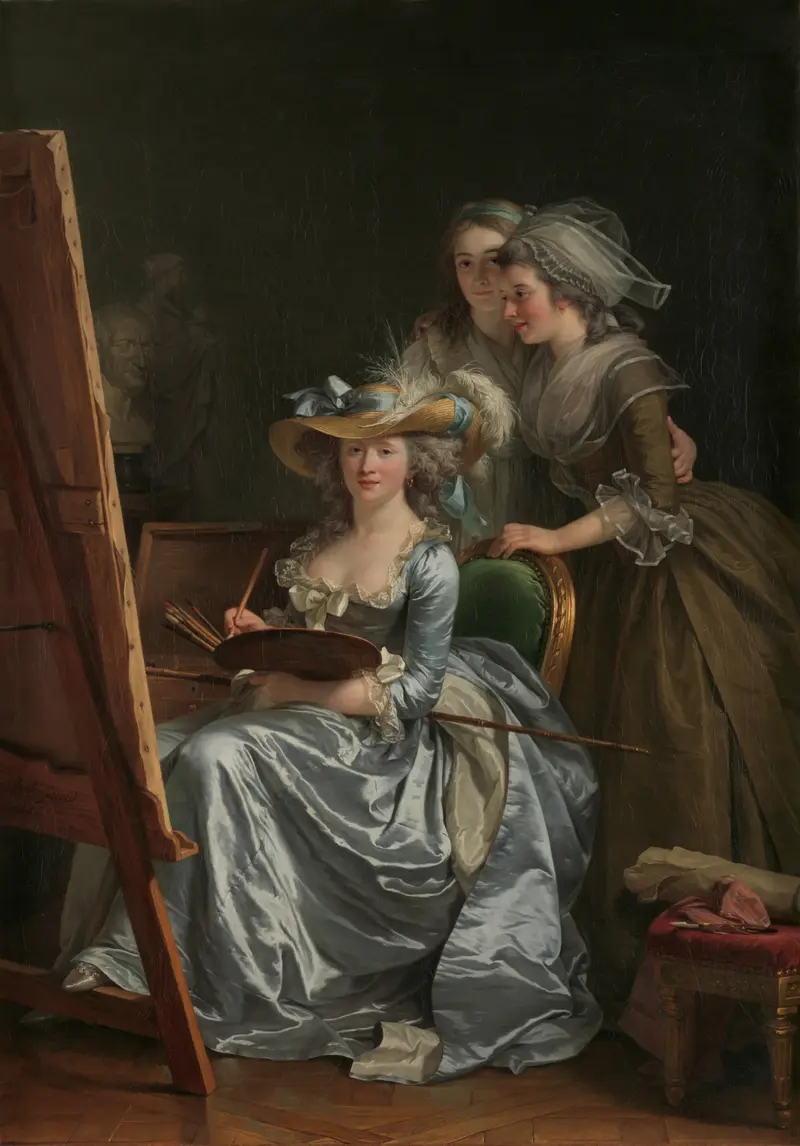
Self-Portrait with Two Pupils
Adélaïde Labille-Guiard
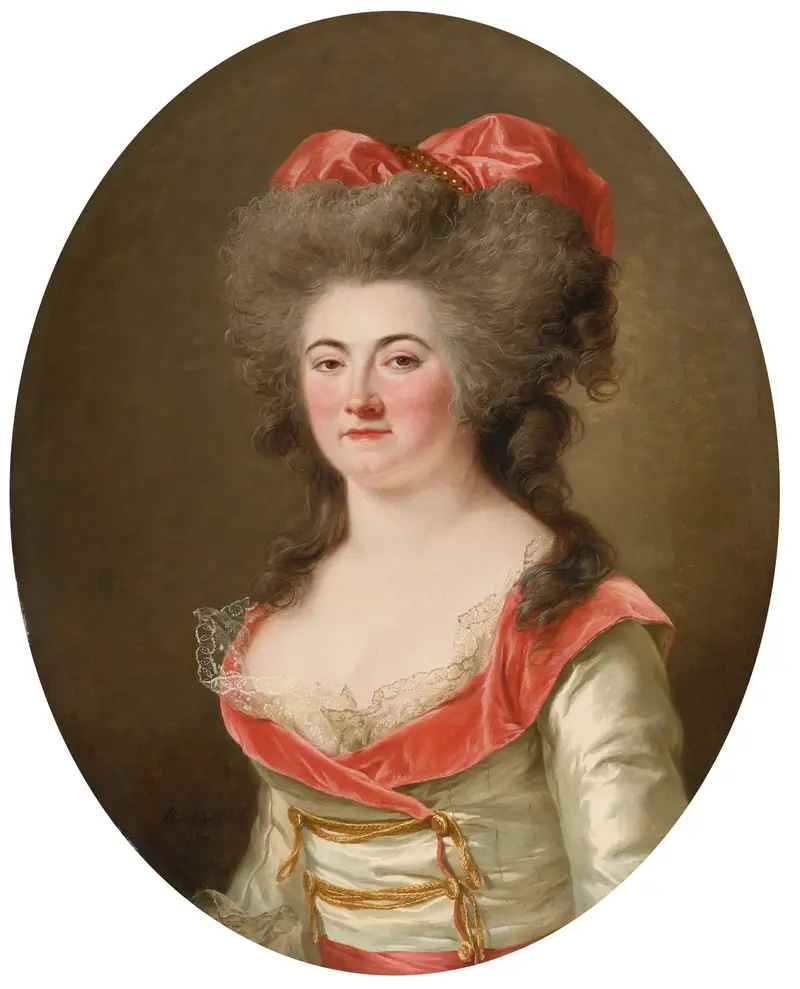
Portrait of a Lady
Adélaïde Labille-Guiard
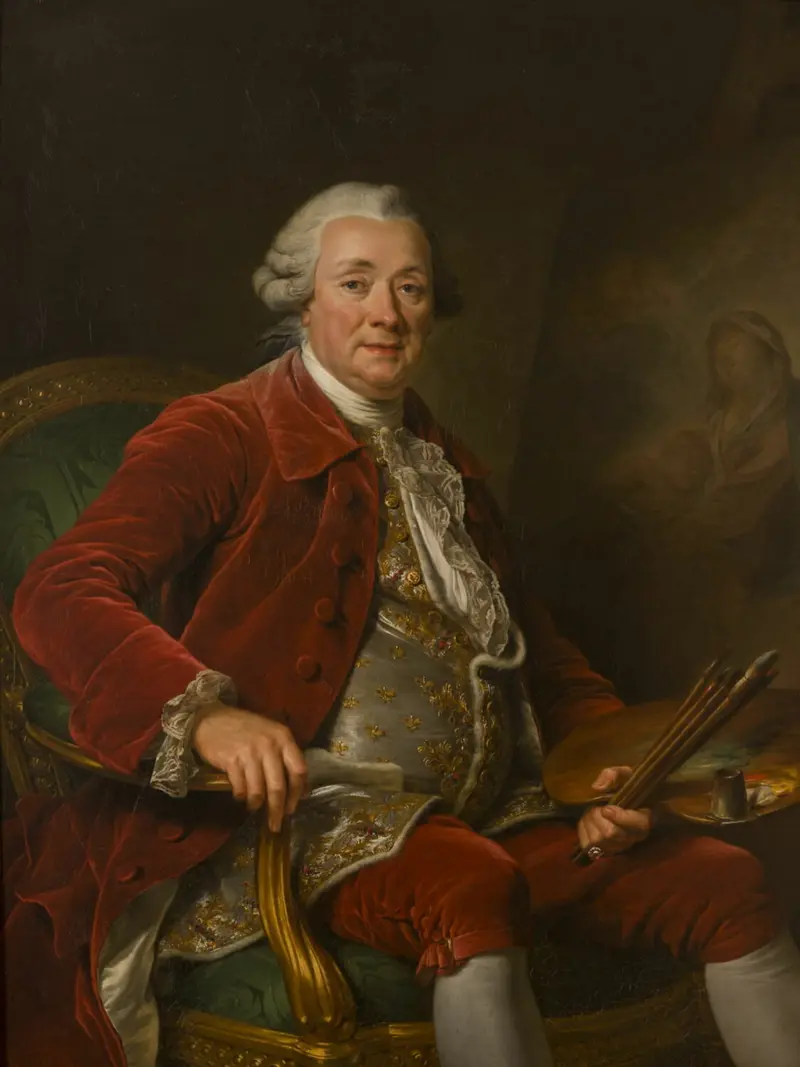
Portrait of Charles-Amédée-Philippe Van Loo
Adélaïde Labille-Guiard

Portrait of Elisabeth of France, Duchess of Parma (1727-1759)
Adélaïde Labille-Guiard
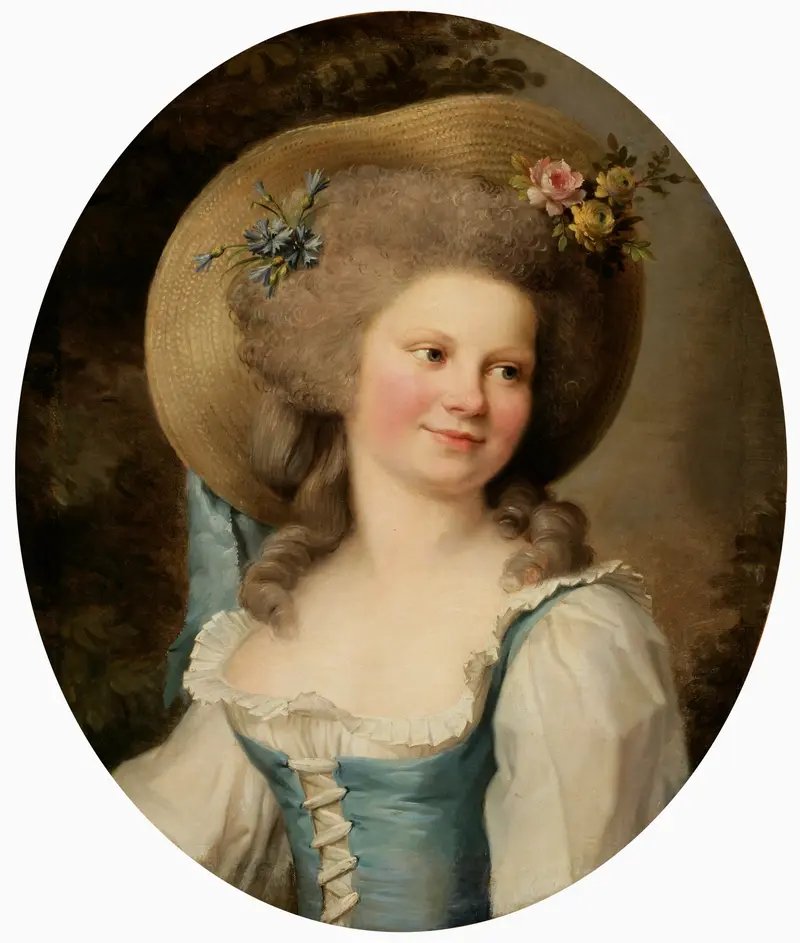
Mme Dugazon in the role of Babet
Adélaïde Labille-Guiard
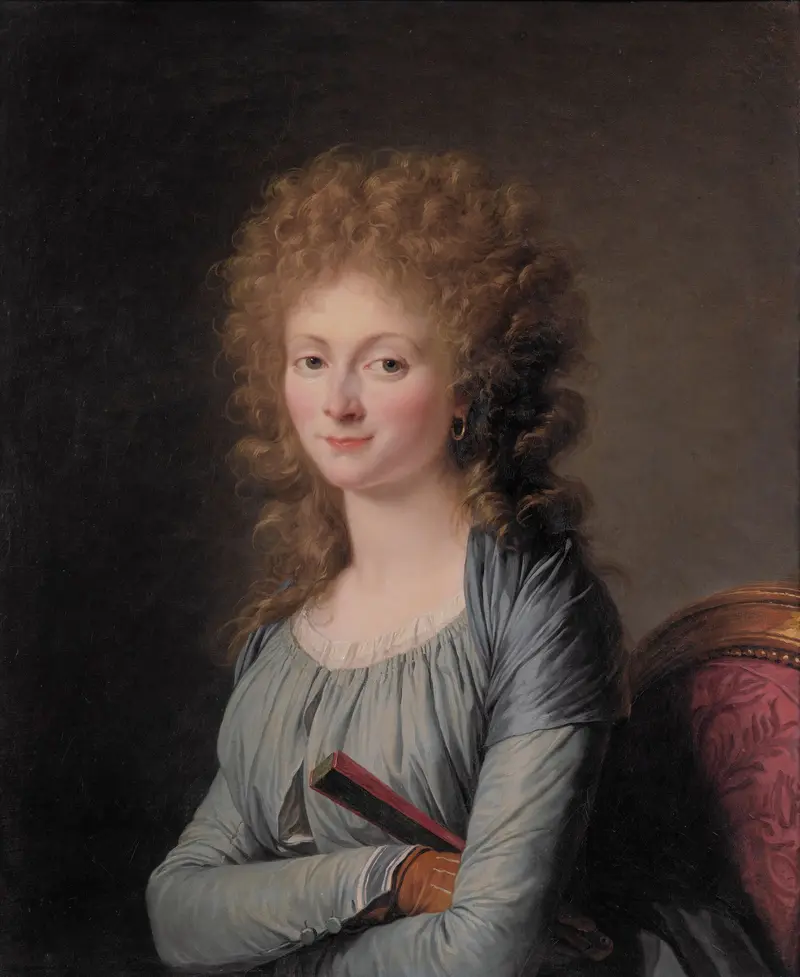
Portrait of Duchesse d'Aiguillon
Adélaïde Labille-Guiard
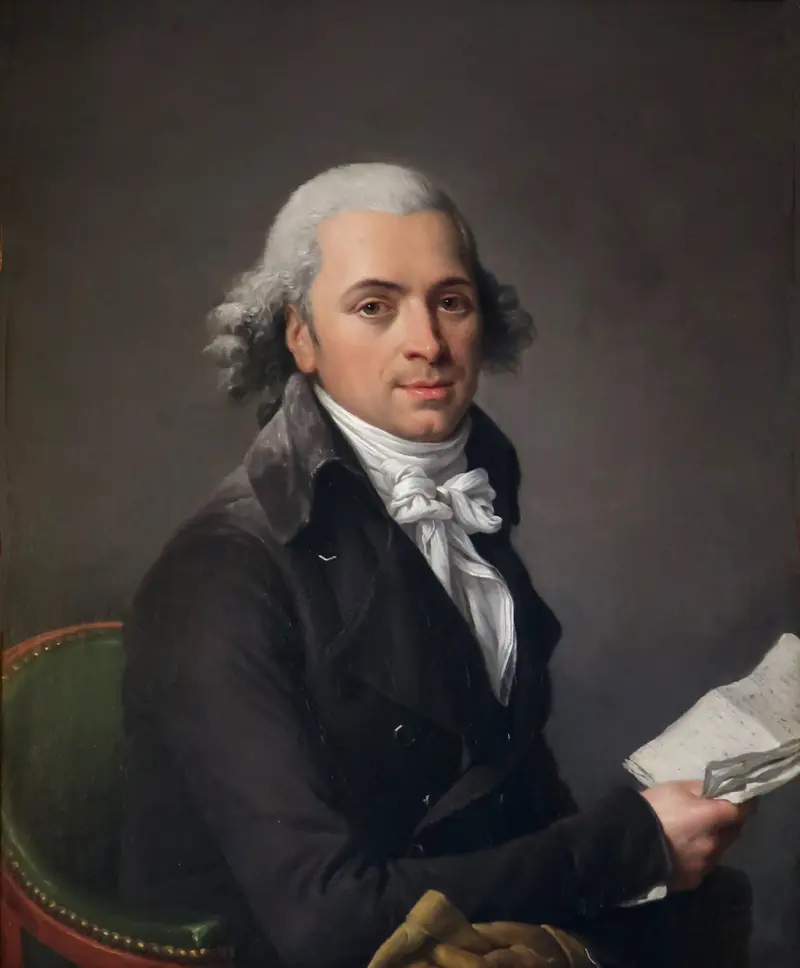
Monsieur Meunier
Adélaïde Labille-Guiard





