
Portrait of a Woman, Called the Marquise Perrin de Cypierre — History & Facts
What first catches the eye is the subject’s confident, almost playful gaze, meeting the viewer with a directness rare in formal portraiture of her day. Her cheeks are flushed with the bloom of youth, echoed by the fresh flowers she gathers in her hand and basket. The blue ribbon at her neck and draped across her shoulders is not just a flourish of Rococo fashion, but a device that draws the eye upward, framing her face and setting it aglow against the cool, shaded background.
Every detail — from the soft, luminous skin to the careful arrangement of blossoms — is designed to suggest both cultivated elegance and effortless charm. The setting, half garden, half stage, blurs the boundary between reality and artifice, inviting us to linger in this moment of poised delight. Painted in 1753, this portrait belongs to the world of mid-eighteenth-century France, a time when artists like Jean-Marc Nattier were sought after by the aristocracy for their ability to flatter and idealize. Portraits such as this were not only records of appearance, but also statements of status, taste, and personal mythmaking.
The sitter’s costume and setting speak to the Rococo era’s love of nature tamed and adorned, of private gardens and intimate pleasures. While the true story of this woman’s life may be lost to time, her image now resides in the Metropolitan Museum of Art, a testament to the enduring allure of an age when art and identity were entwined in ribbons and roses. Look again, and see how much of a world can be conjured by a glance and a handful of flowers.
More Artworks by Jean-Marc Nattier

Madame Crozat de Thiers and Her Daughter
Jean-Marc Nattier
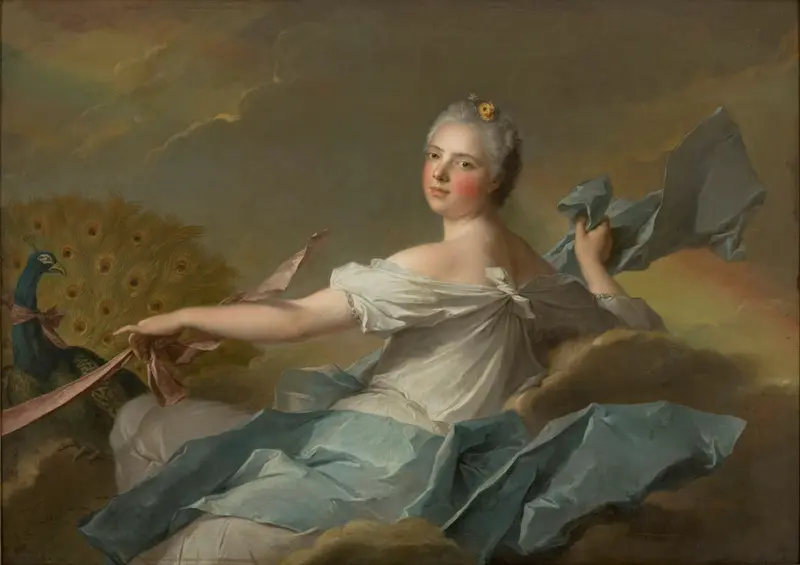
Princess Marie Adélaïde of France - The Air
Jean-Marc Nattier
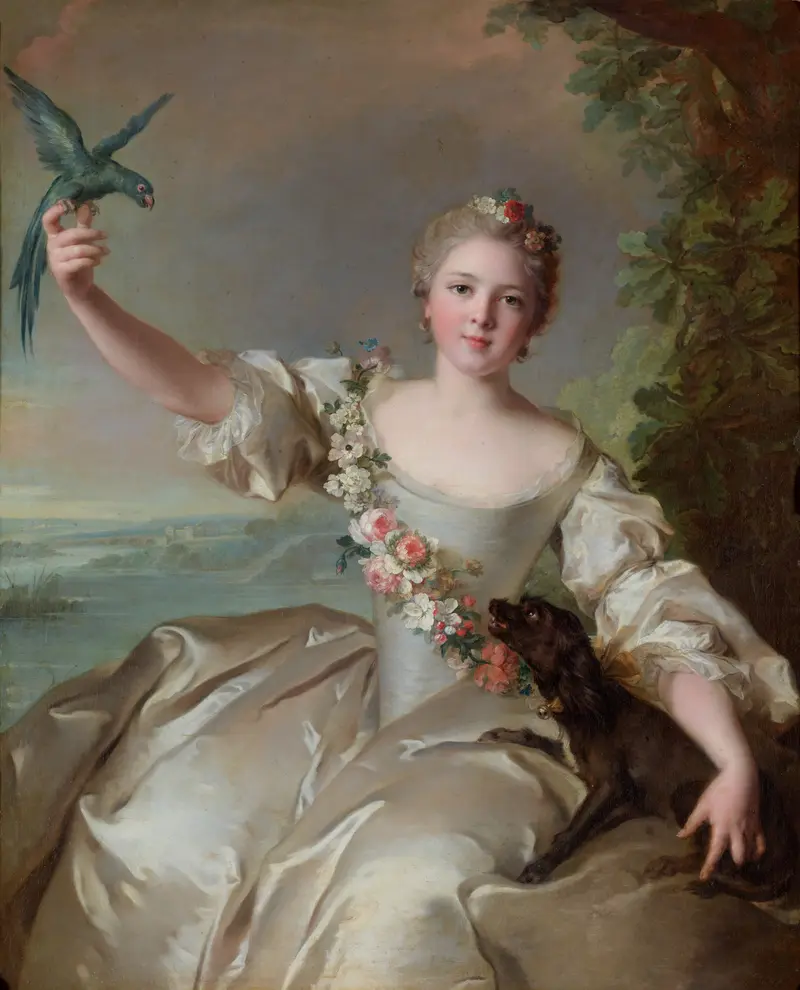
Portrait de Mathilde de Canisy, marquise d'Antin
Jean-Marc Nattier
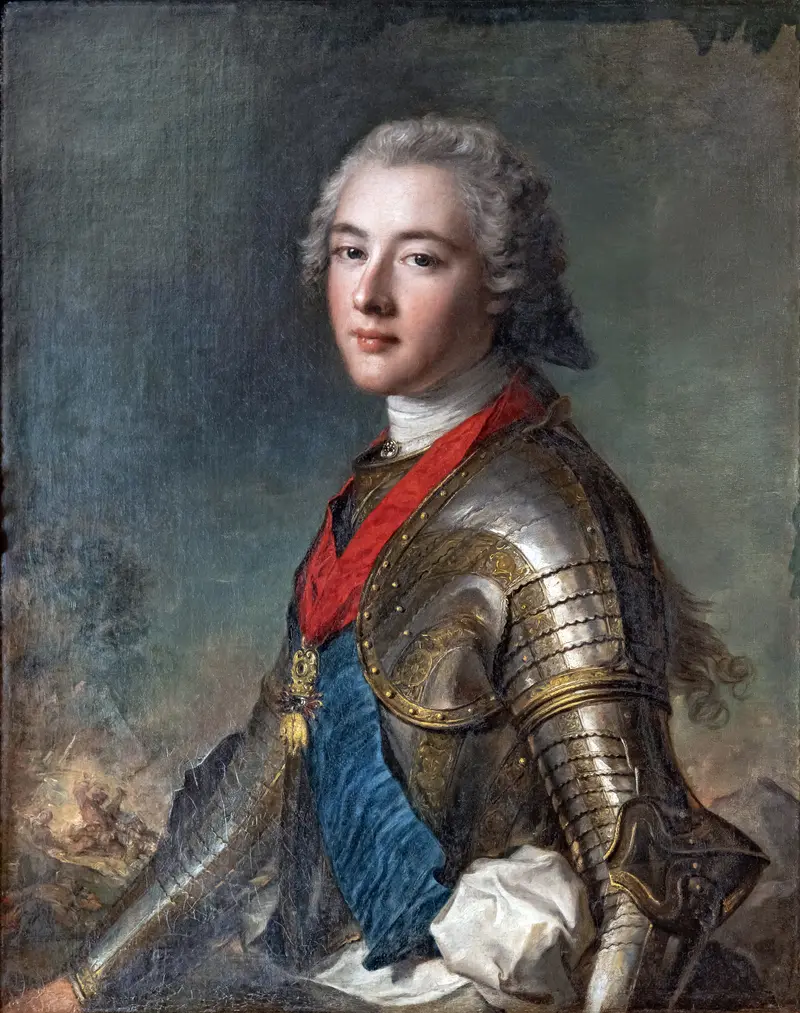
Bemberg Fondation Toulouse - Portrait de Louis Jean Marie de Bourbon, Duc de Penthièvre - Jean Marc Nattier inv.1158 82x65.4
Jean-Marc Nattier
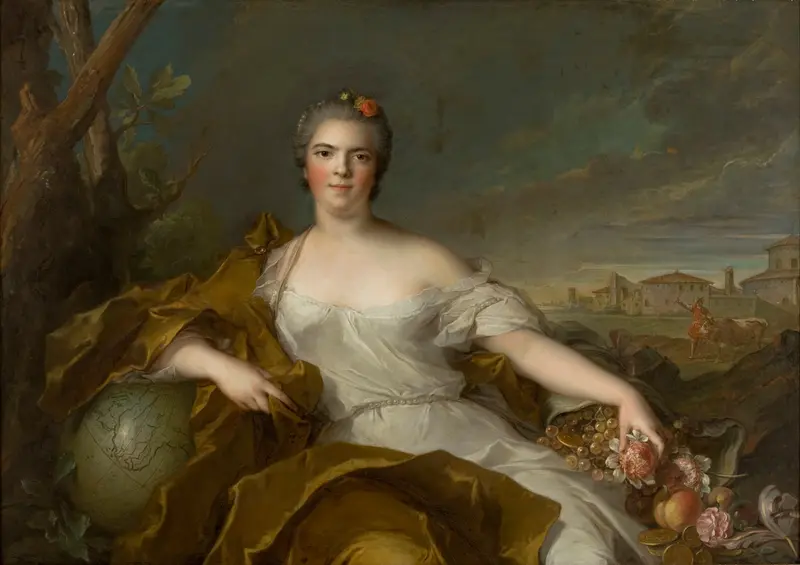
Princess Louise-Élisabeth of France - The Earth
Jean-Marc Nattier
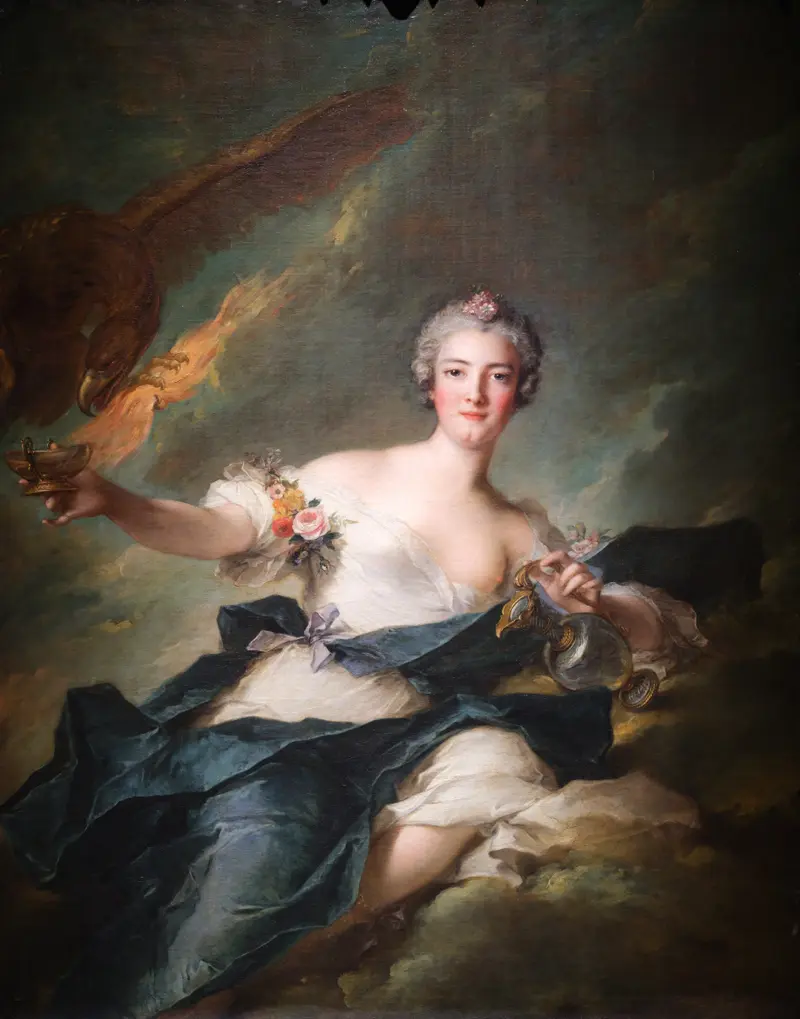
The Duchess of Chaulnes Represented as Hebe
Jean-Marc Nattier
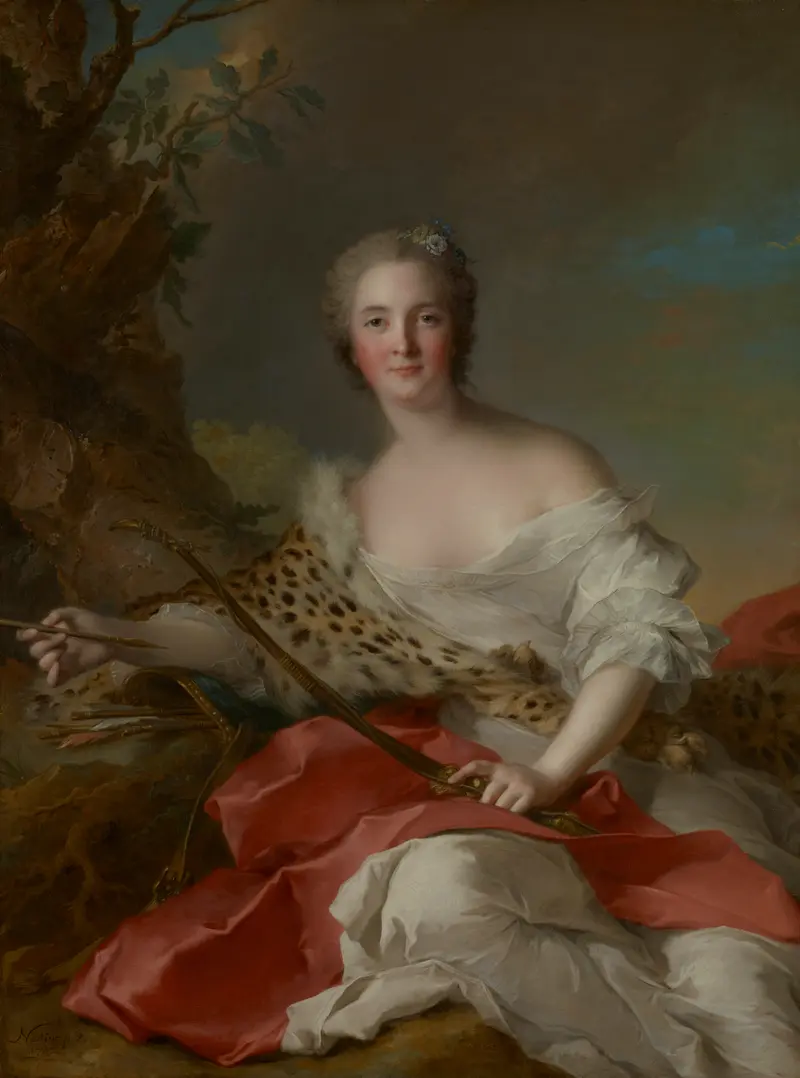
Portrait of Madame Bonnier de la Mosson as Diana (Constance-Gabrielle-Magdeleine du Monciel de Lauraille
Jean-Marc Nattier
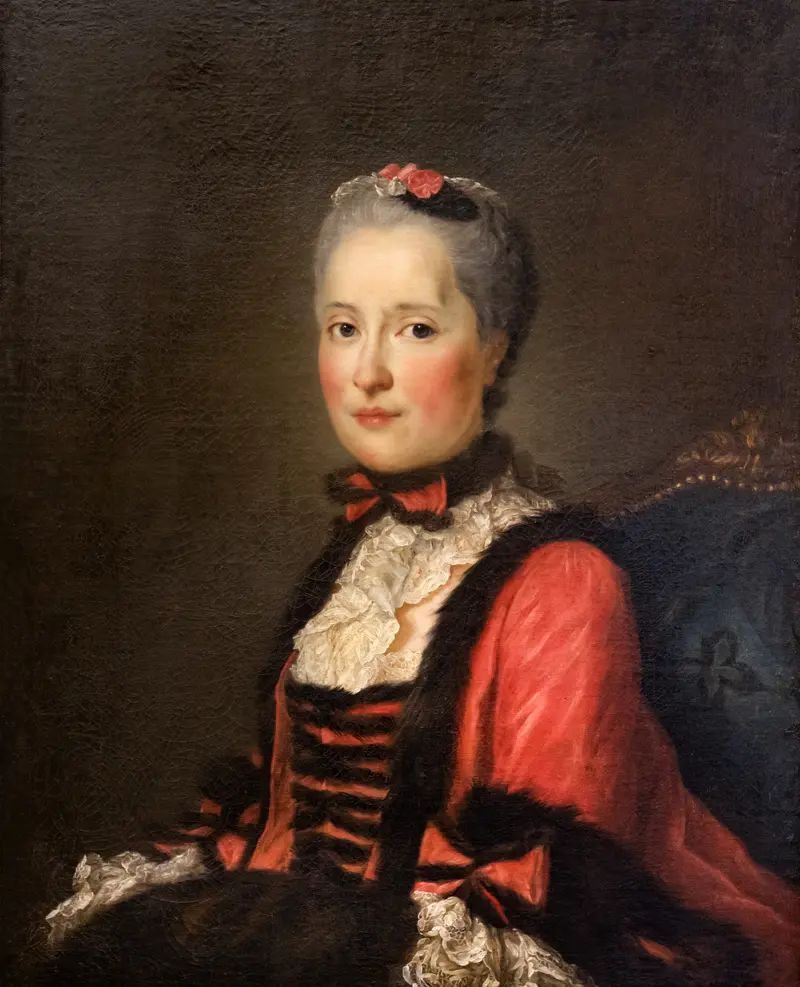
Portrait of Marie-Josephe of Saxony, Dauphine of France
Jean-Marc Nattier
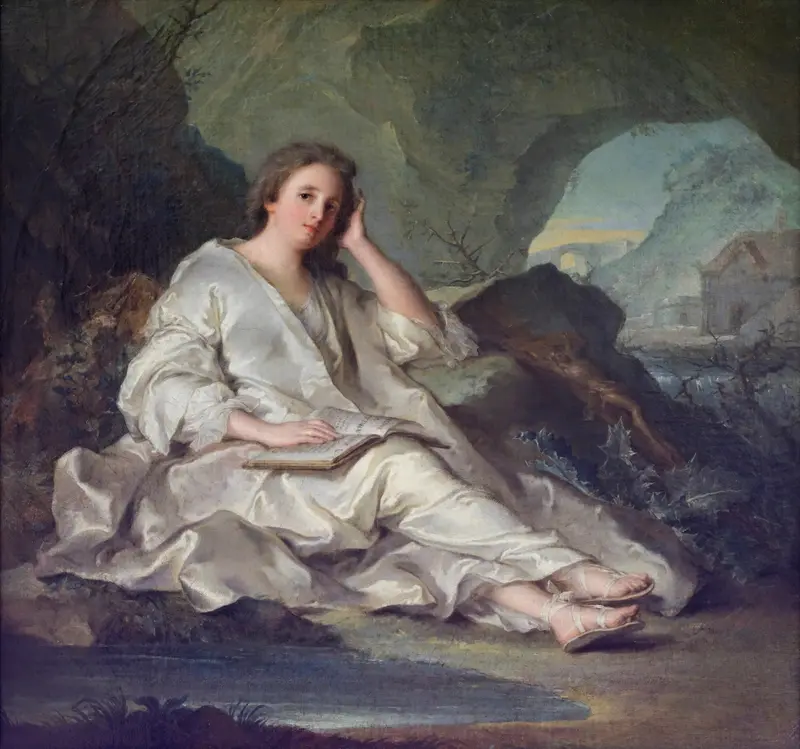
La Madeleine, ou Une Pénitente dans le désert Musée du Louvre Peintures INV 6880 ; MR
Jean-Marc Nattier
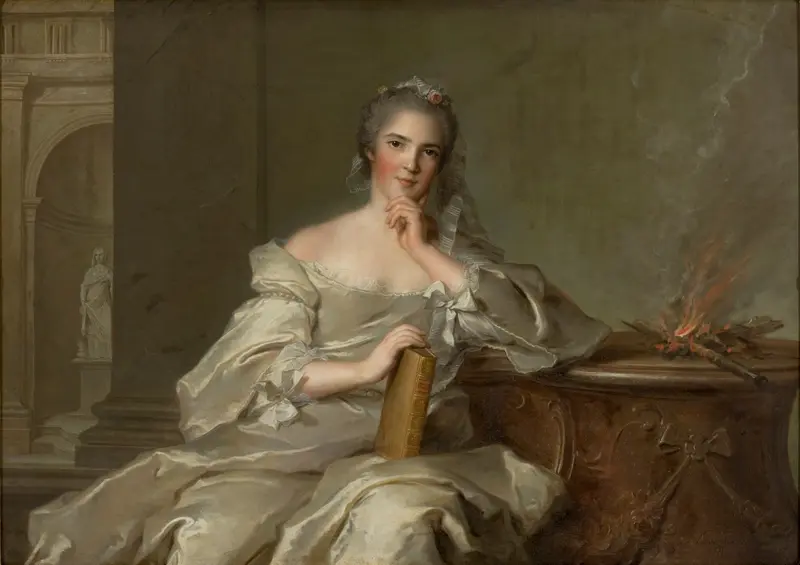
Princess Anne-Henriette of France - The Fire
Jean-Marc Nattier





