
Portrait of a Woman — History & Facts
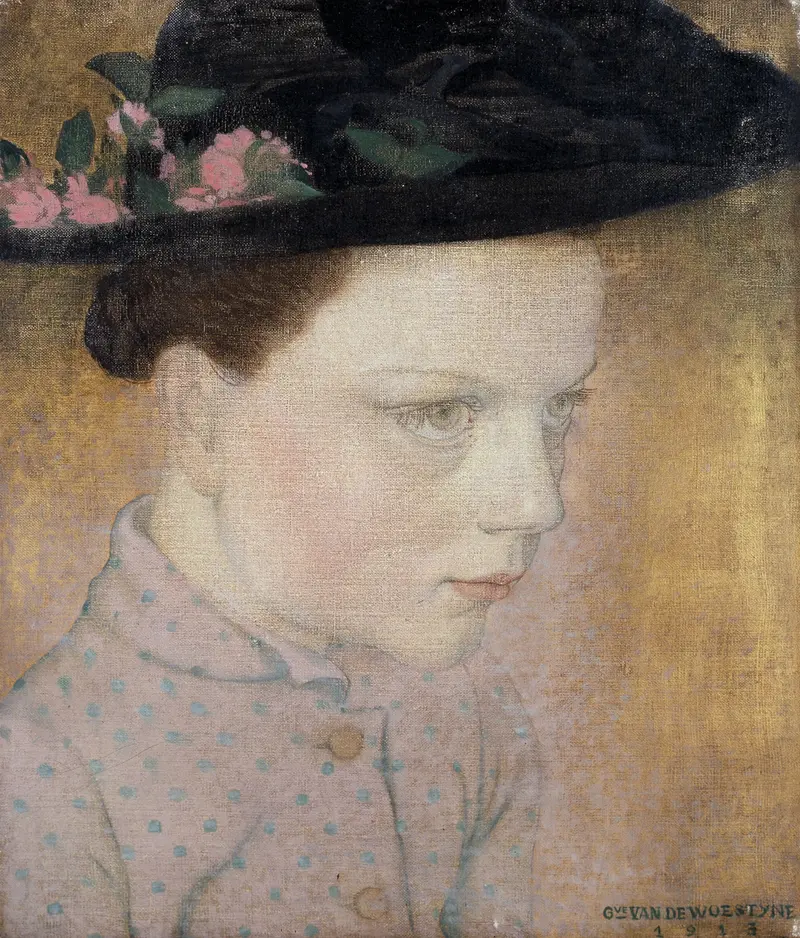
No one knows the true identity of the sitter in Portrait of a Woman by Gustave Van de Woestijne, and this mystery has intrigued viewers and scholars alike since its first public exhibition. The artist, a central figure of the early twentieth-century Flemish Expressionism movement, often painted those close to him—family, friends, and villagers—yet left this woman's name unrecorded. This anonymity has led to speculation: was she a relative, a patron, or a figure from daily life in rural Flanders? The lack of documentation has only deepened the painting’s enigmatic aura, making it a touchstone for discussions about identity and representation in Van de Woestijne's work. The woman sits upright, her gaze direct yet reserved, framed by a somber background that pushes her presence forward.
Her hands, folded neatly in her lap, suggest composure and perhaps resignation, while the subtle modeling of her face reveals both strength and vulnerability. The muted palette—earthy browns, ochres, and soft greens—echoes the subdued light of the Flemish countryside, a hallmark of Van de Woestijne's style. Unlike the idealized women of Renaissance portraiture or the theatrical subjects of Van Dyck, this sitter is rendered with an honesty that borders on introspection, recalling the psychological depth of Käthe Kollwitz's portraits.
The absence of overt symbols or luxurious dress keeps the focus on her expression, inviting viewers to imagine her inner life. Portrait of a Woman has spent much of its existence in private hands, surfacing only occasionally in exhibitions dedicated to Van de Woestijne and his circle. Its precise date and medium remain undocumented, a not uncommon fate for works by the artist, who often worked quickly and did not always sign or date his canvases. Today, the painting is recognized as a significant example of Van de Woestijne's mature portraiture, valued for its psychological insight and restrained technique.
It stands as a quiet testament to the artist’s fascination with the inner worlds of ordinary people, and continues to invite new questions each time it is shown.
More Artworks by Gustave Van de Woestijne
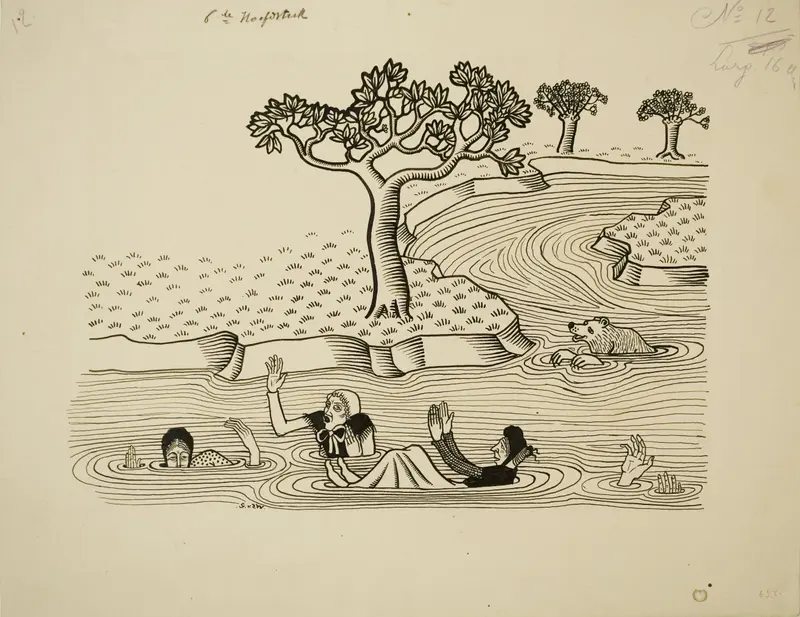
How Brown went out with Reynard where he thought he was eating honey and how he was caught by head and feet and suffered further misfortune
Gustave Van de Woestijne
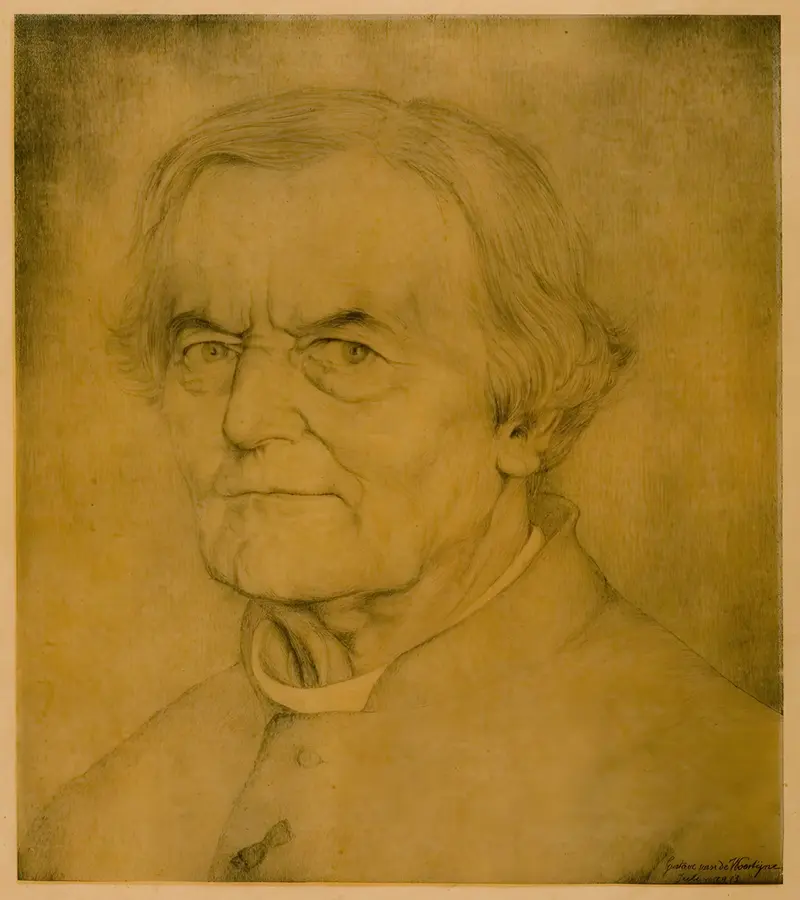
Portrait of Hugo Verriest
Gustave Van de Woestijne
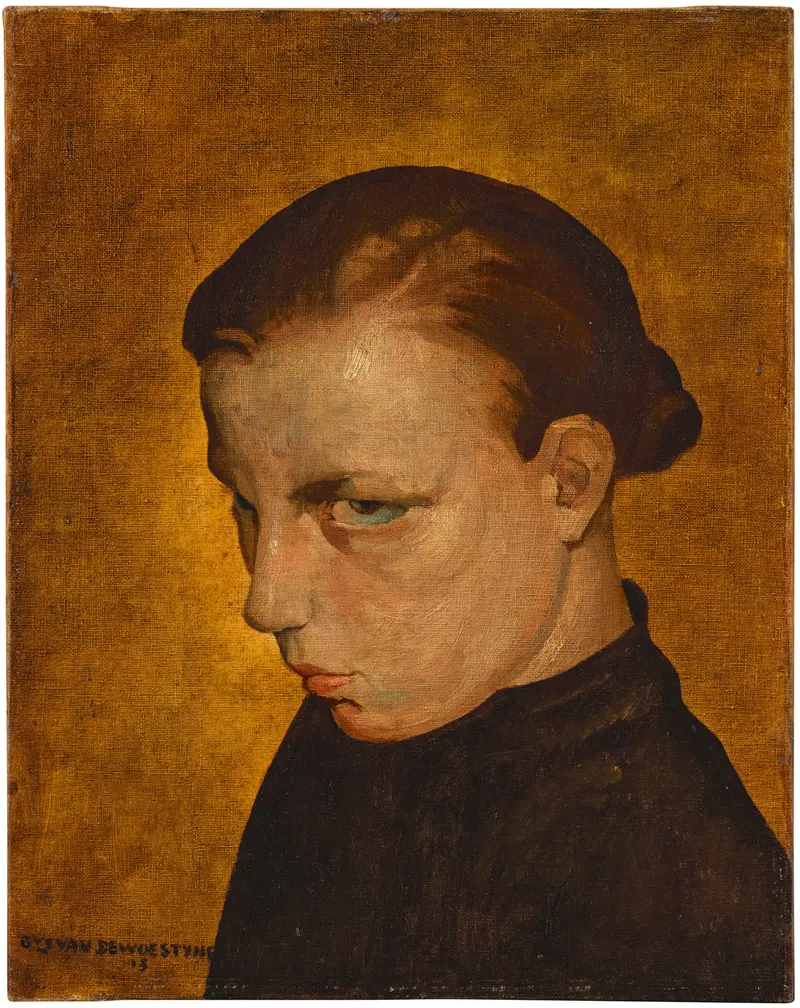
Angèle
Gustave Van de Woestijne
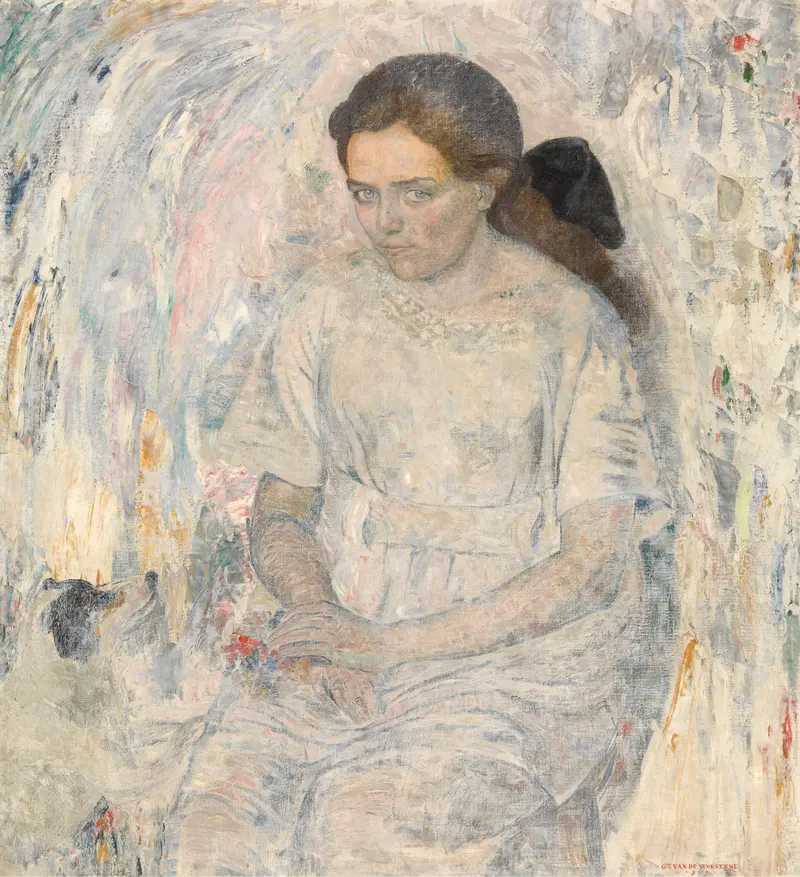
Adrienne
Gustave Van de Woestijne
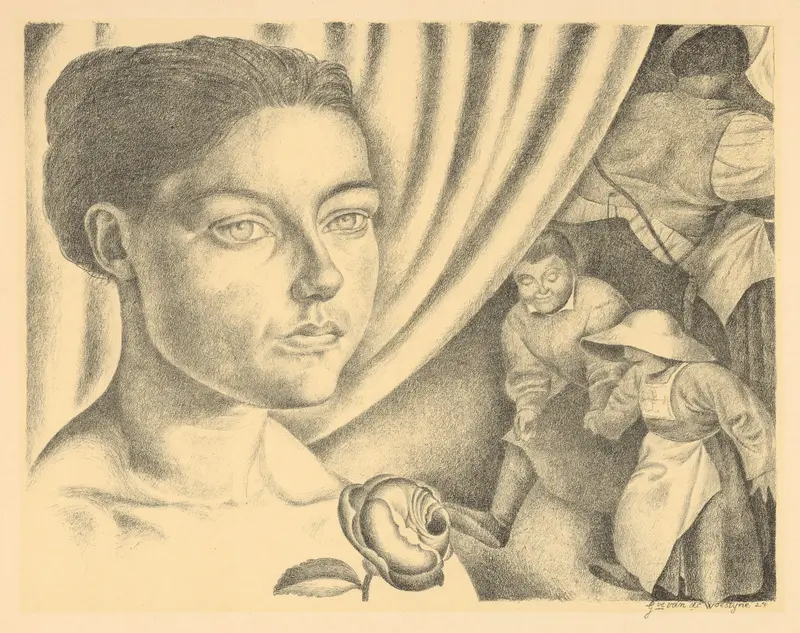
Jeune Femme
Gustave Van de Woestijne
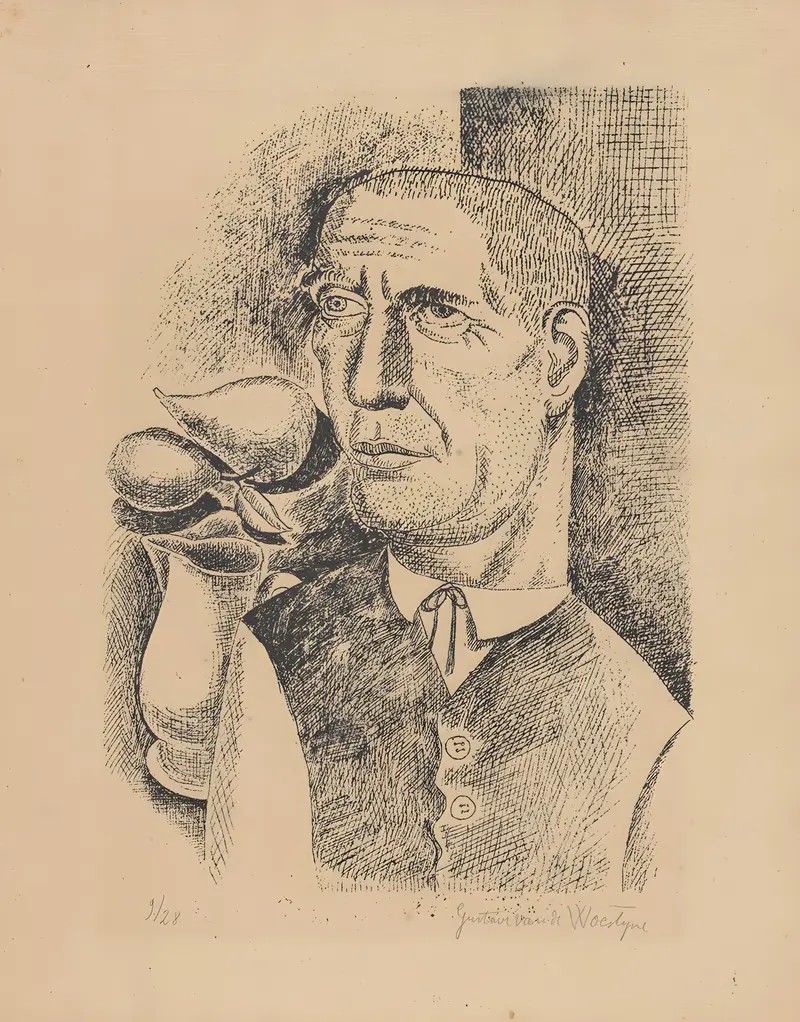
Boer op zijn zondags (Paysan endimanché)
Gustave Van de Woestijne
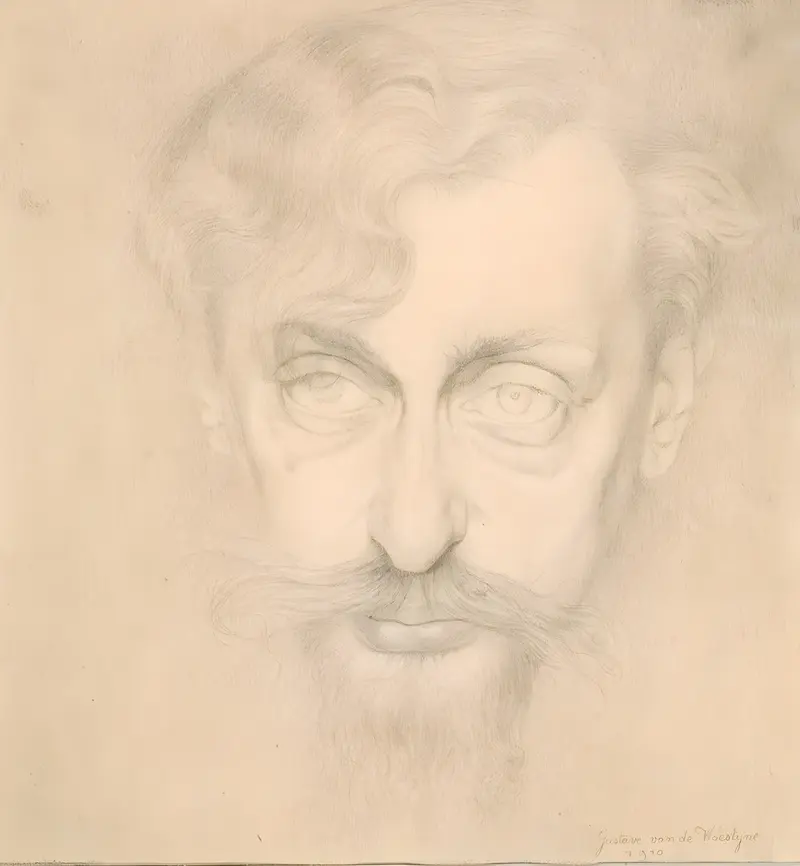
Portrait of the Writer Karel van de Woestijne
Gustave Van de Woestijne
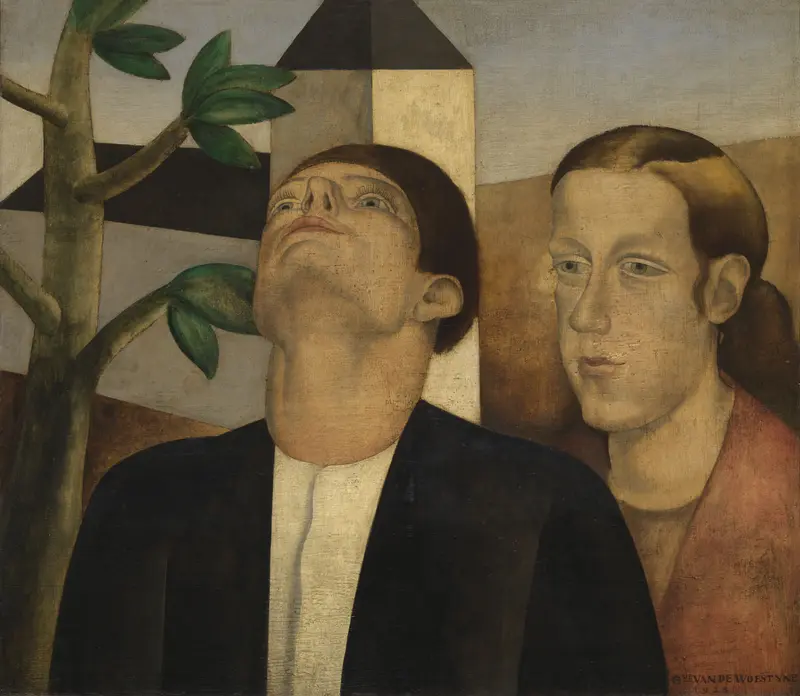
Azure
Gustave Van de Woestijne
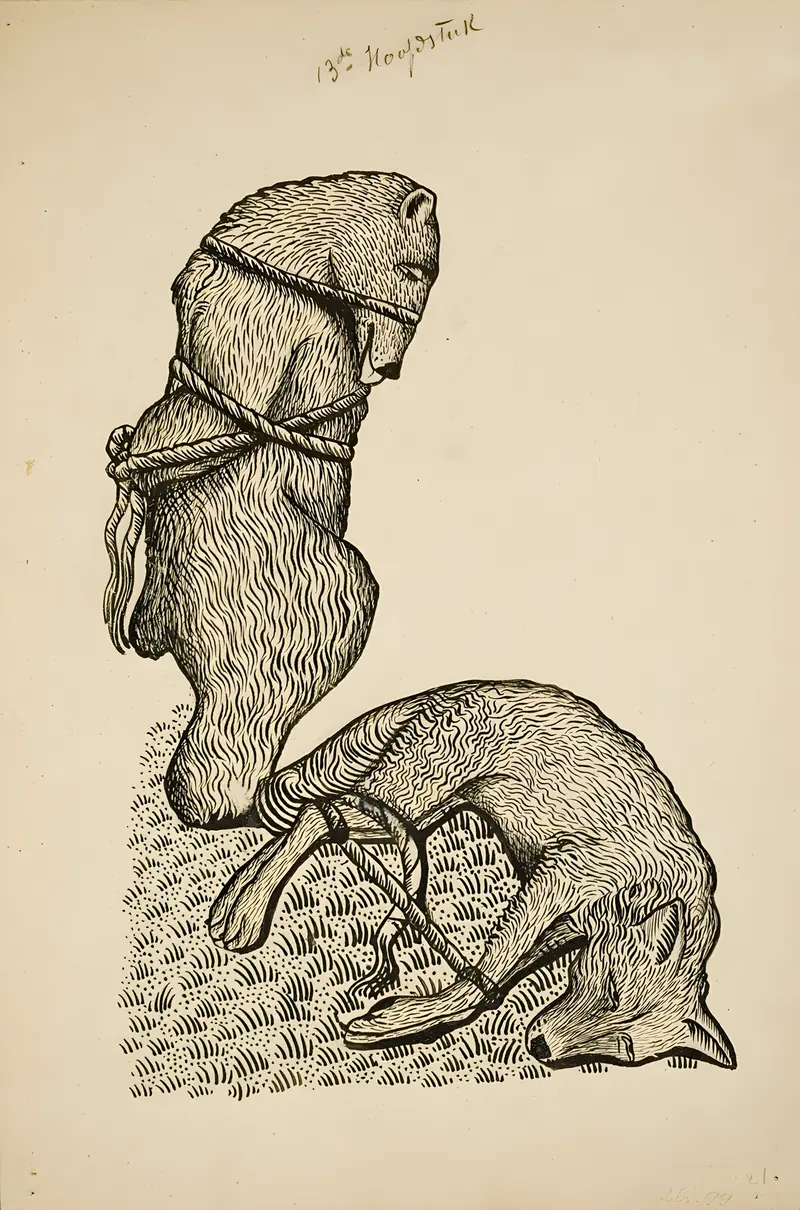
How Reinaert devises a new trick to get free and exterminate his enemies
Gustave Van de Woestijne
Country Girl
Gustave Van de Woestijne





