
Portrait of a woman, possibly Maria Larp — History & Facts
No one can say for certain who the sitter is in Portrait of a woman, possibly Maria Larp, but the uncertainty itself has kept viewers and scholars intrigued for centuries. Painted by Frans Hals in 1634, this work is often paired with a male portrait believed to be her husband, Pieter Tjarck, yet definitive identification remains elusive. The painting stands as a vivid testament to the Dutch tradition of marriage portraits, which flourished in Haarlem during the early seventeenth century.
The question of the woman’s true identity has prompted a lively debate, with some pointing to similarities in costume and physiognomy with other known sitters, while others highlight the lack of documentary evidence. This enduring mystery has only added to the painting’s allure. The woman sits in three-quarter view, her gaze meeting the viewer with a composed confidence, hands delicately arranged to display her ornate wedding ring and a finely wrought lace cuff. The dark background sets off the crisp white of her millstone ruff and the shimmering black of her dress, details that signal both her wealth and her adherence to the sober fashions of the Dutch Golden Age.
Hals’s brushwork is lively and direct, capturing the texture of lace and the softness of flesh with remarkable immediacy—qualities that distinguish his portraits from the more polished, idealized works of Anthony van Dyck. The sitter’s slight smile and relaxed posture hint at a personality behind the formal attire, suggesting a moment of private dignity within the conventions of public display. Little is known about the painting’s early history, though it likely remained in private hands for generations, as was common for family portraits of this kind. Over time, the lack of clear provenance and the ambiguous identity of the sitter led to periods of misattribution and scholarly debate.
Today, Portrait of a woman, possibly Maria Larp is recognized as a significant example of Frans Hals’s mature period, when his reputation as Haarlem’s leading portraitist was at its height. The painting now resides in the collection of the National Gallery, London, where it continues to invite speculation and admiration from visitors and historians alike.
More Artworks by Frans Hals

Banquet of the Officers of the St George Civic Guard
Frans Hals

Portrait of Jacob Pietersz Olycan (1596-1638)
Frans Hals
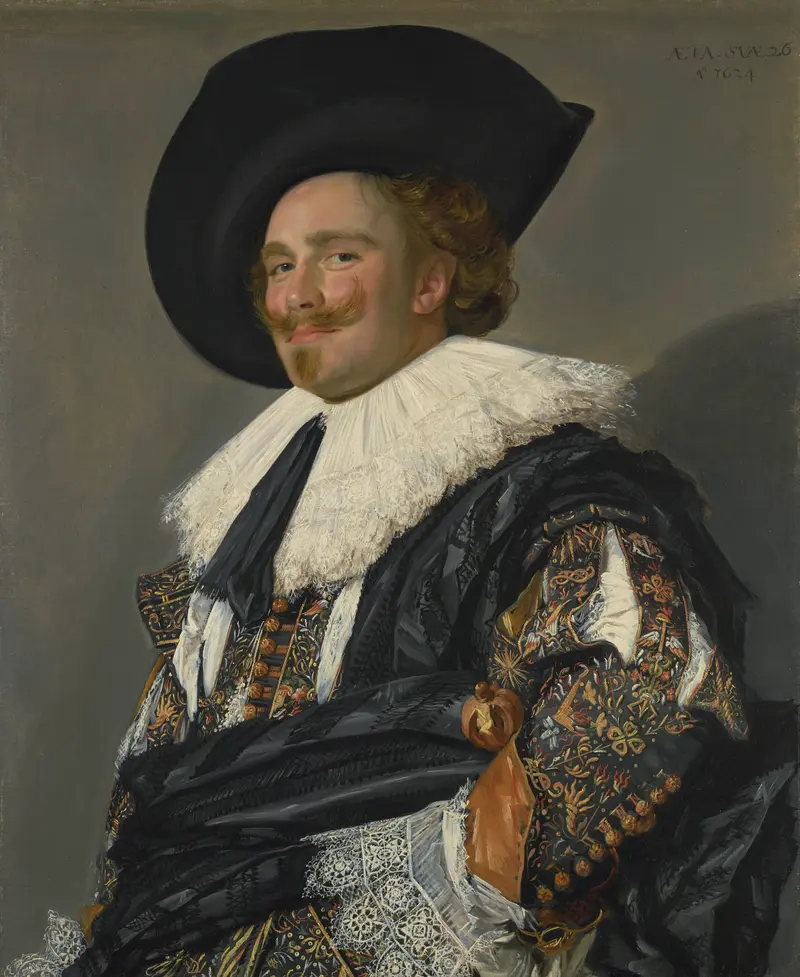
Laughing Cavalier
Frans Hals

Militia Company of District XI under the Command of Captain Reynier Reael, Known as ‘The Meagre Company’
Frans Hals
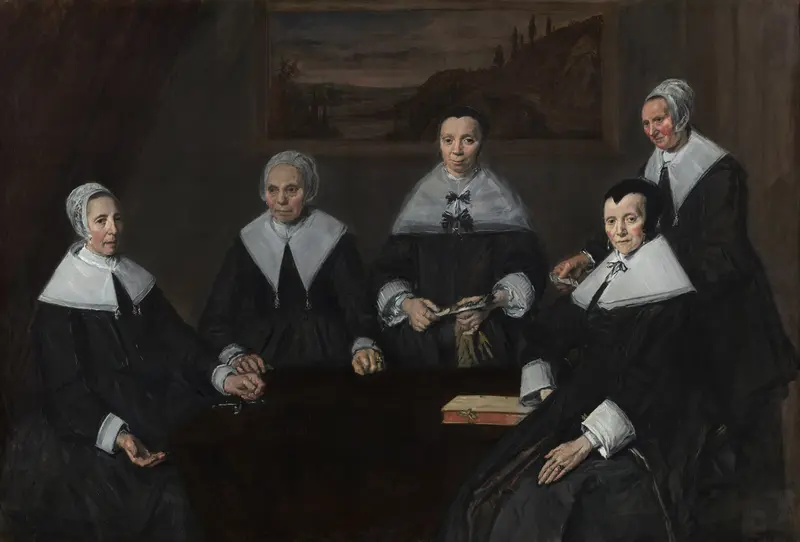
Regentesses of the Old Men's Alms House
Frans Hals
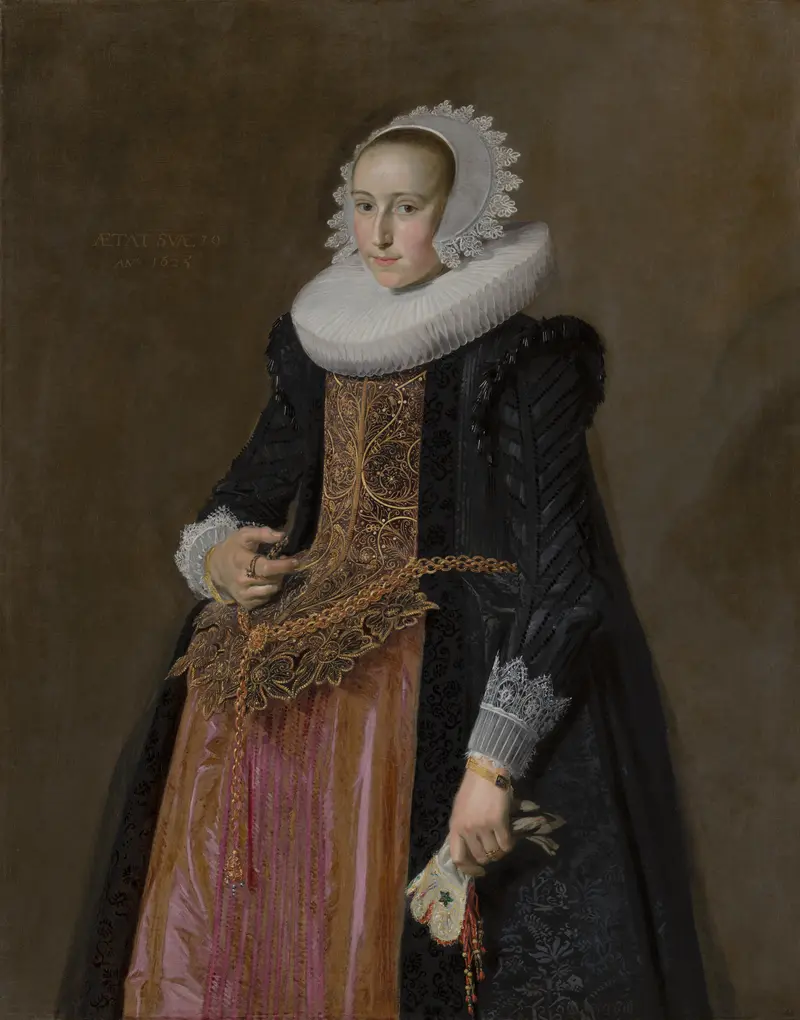
Portrait of Aletta Hanemans (1606–1653)
Frans Hals
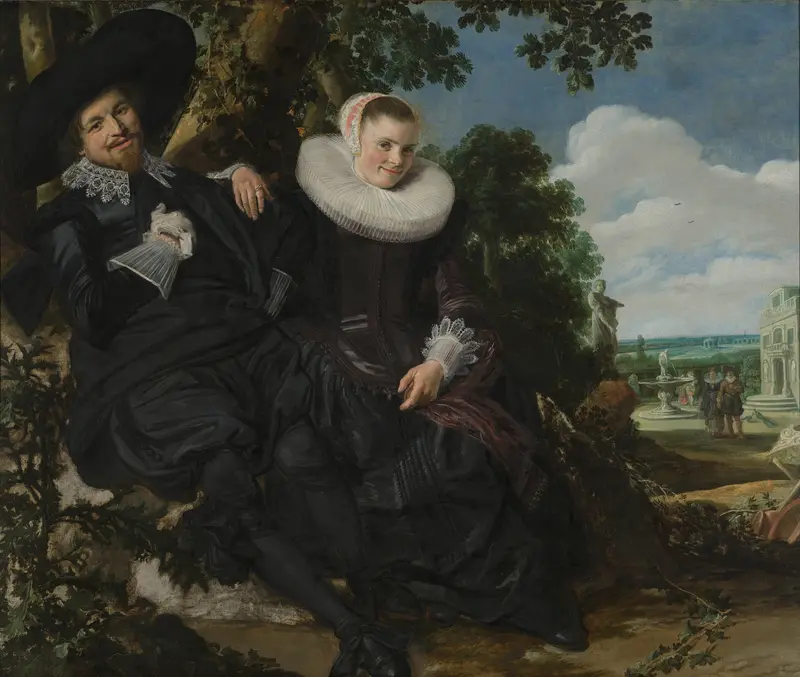
Portrait of a Married Couple, Likely Isaac Abrahamsz Massa and Beatrix van der Laen
Frans Hals
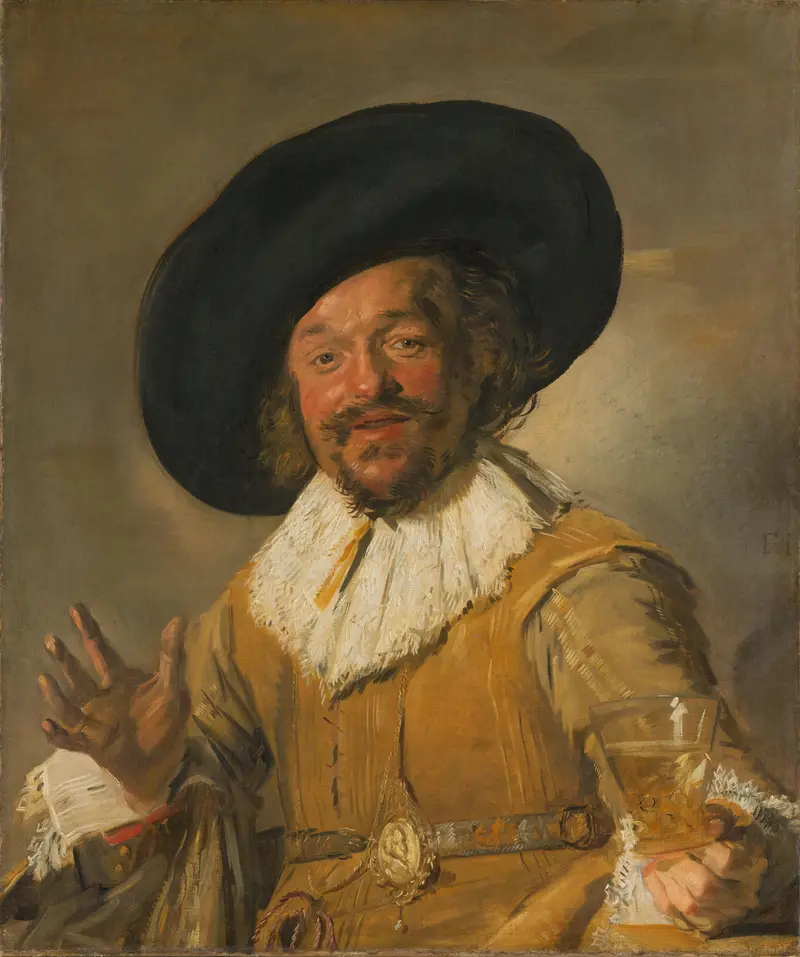
The Merry Drinker
Frans Hals
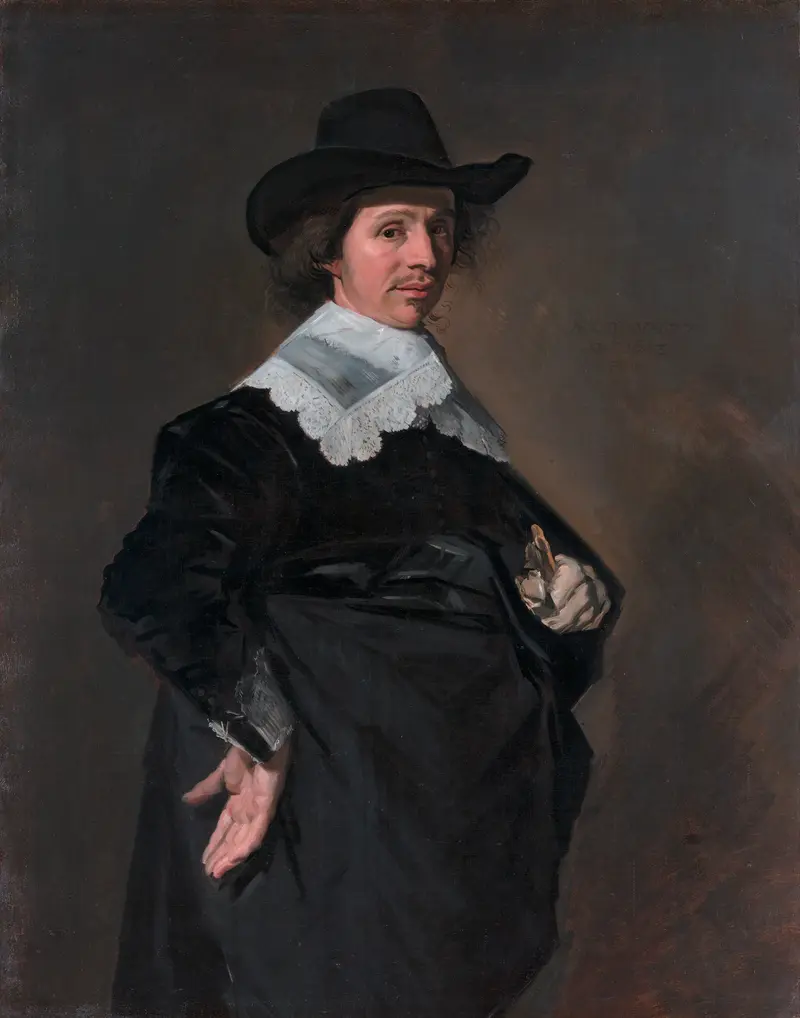
Portrait of Paulus Verschuur
Frans Hals
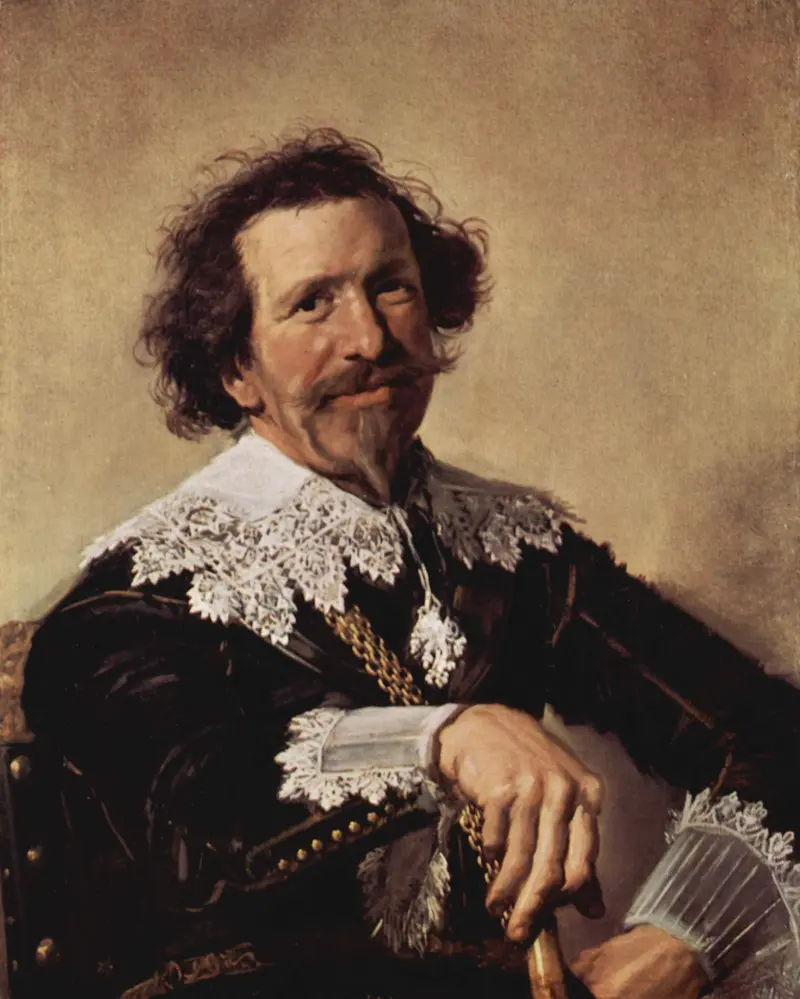
Portrait of Pieter van den Broecke
Frans Hals





