
Portrait of a Woman Standing — History & Facts
Few portraits from the early Dutch Golden Age have sparked as much debate as Portrait of a Woman Standing by Frans Hals, painted in 1612. The identity of the sitter remains a mystery, despite centuries of speculation and research. Some have suggested she belonged to Haarlem’s wealthy merchant class, while others point to the elaborate lace and jewelry as clues to her family’s status.
The painting’s uncertain provenance has led to lively discussions among art historians, who note that this work is one of the earliest known full-length female portraits by Hals, an unusual choice for the time. The woman stands upright, her gaze steady and direct, hands delicately clasped at her waist. Her dark dress, trimmed with intricate white lace, signals both modesty and affluence, while the subtle glint of a gold chain hints at her social position. The ruff encircling her neck, rendered with Hals’s famously brisk brushwork, draws attention to her composed face, where a faint smile plays at the lips.
Unlike the more formal, static portraits of Hals’s contemporaries such as Michiel Jansz. van Mierevelt, this sitter’s posture and expression suggest a quiet confidence and individuality. The light, falling from the left, models her features with a naturalism that would become a hallmark of Hals’s mature style. The early history of Portrait of a Woman Standing is not well documented, and no contemporary records of its commission have survived.
It is likely that the portrait was painted for the sitter’s family, as was customary in Haarlem at the time, and may once have been paired with a portrait of her husband. Over the centuries, the painting has passed through several private collections, occasionally surfacing at auctions and exhibitions. Its attribution to Frans Hals was once questioned, but technical analysis and stylistic comparisons have confirmed his hand.
Today, the work stands as a testament to Hals’s early innovation in portraiture, offering a rare glimpse into the lives and aspirations of Haarlem’s elite women in the early seventeenth century.
More Artworks by Frans Hals

Banquet of the Officers of the St George Civic Guard
Frans Hals

Portrait of Jacob Pietersz Olycan (1596-1638)
Frans Hals
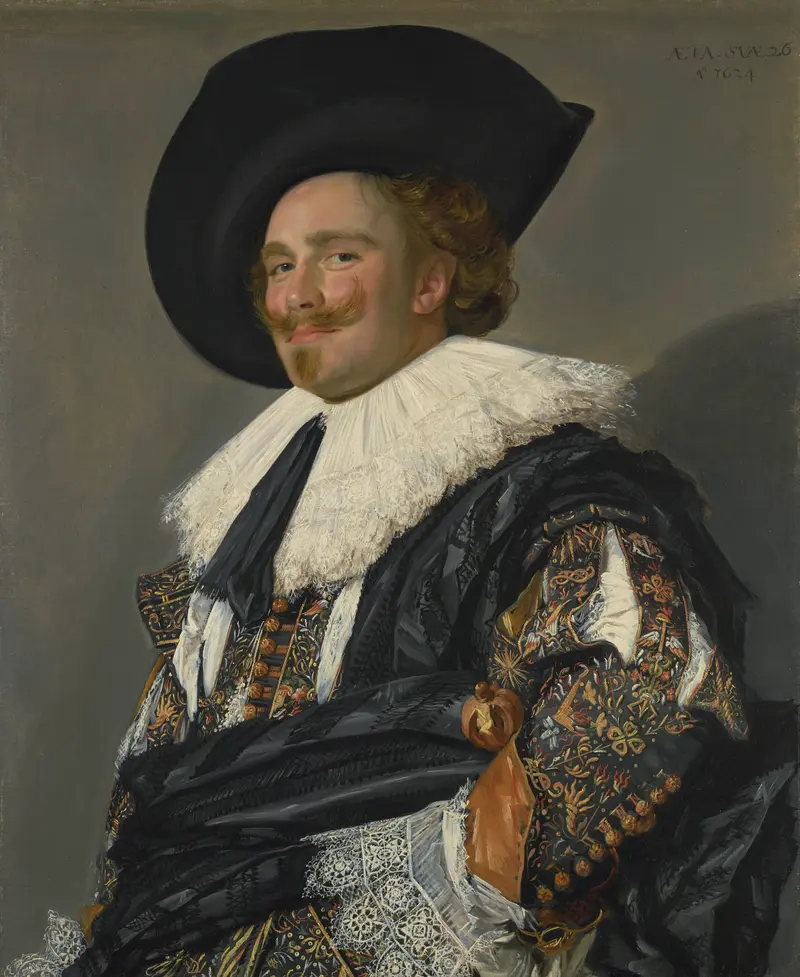
Laughing Cavalier
Frans Hals

Militia Company of District XI under the Command of Captain Reynier Reael, Known as ‘The Meagre Company’
Frans Hals
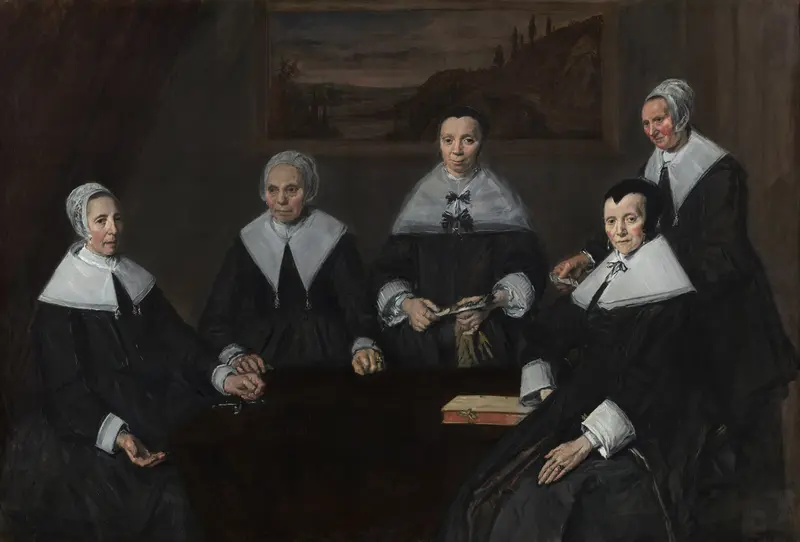
Regentesses of the Old Men's Alms House
Frans Hals
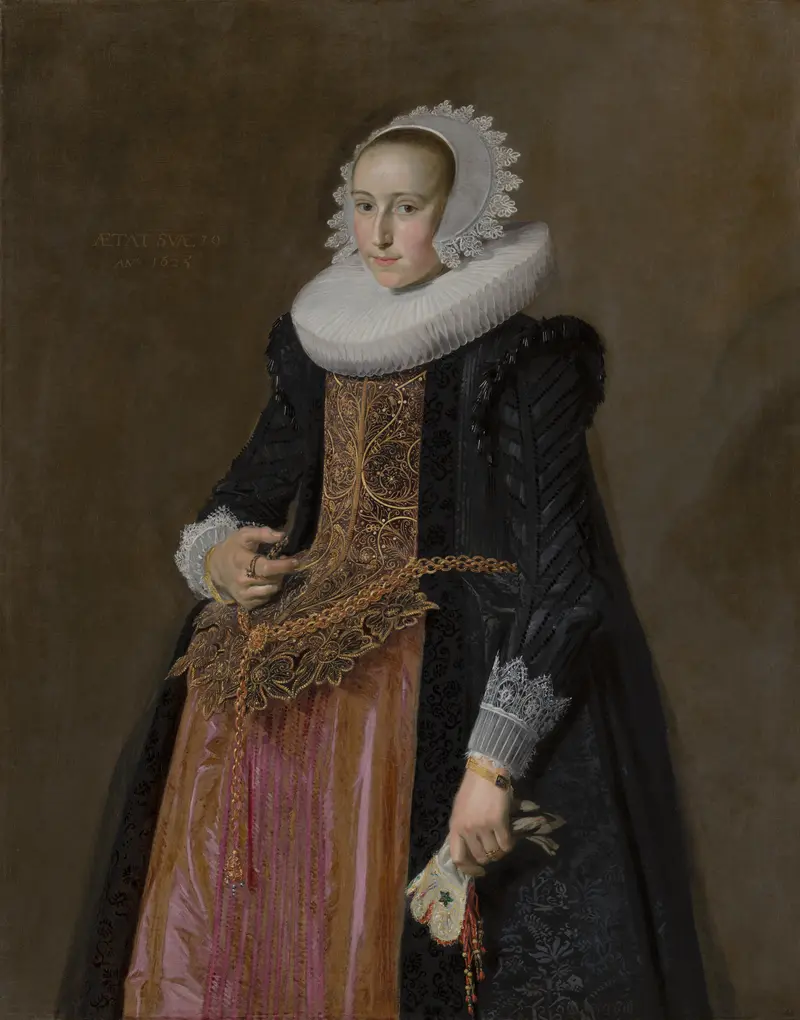
Portrait of Aletta Hanemans (1606–1653)
Frans Hals
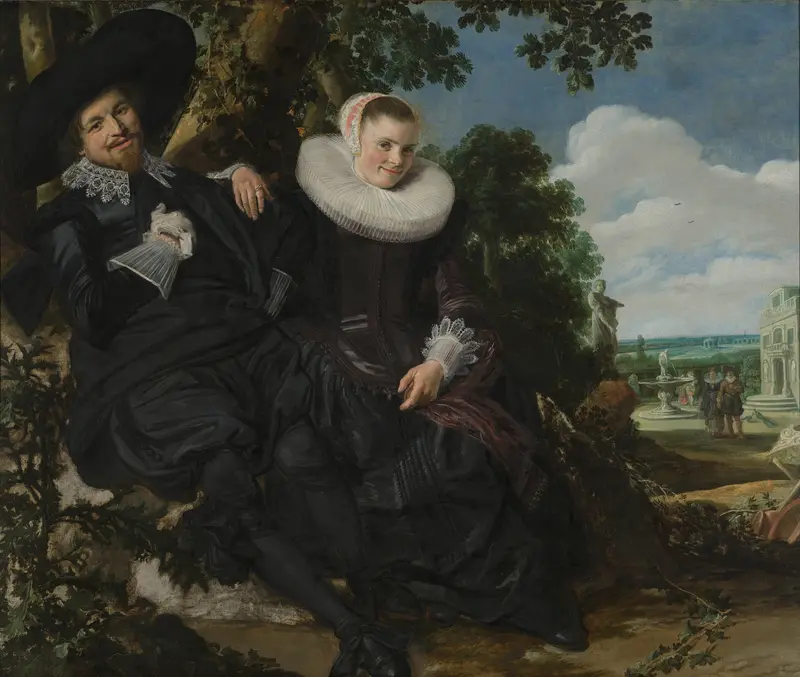
Portrait of a Married Couple, Likely Isaac Abrahamsz Massa and Beatrix van der Laen
Frans Hals
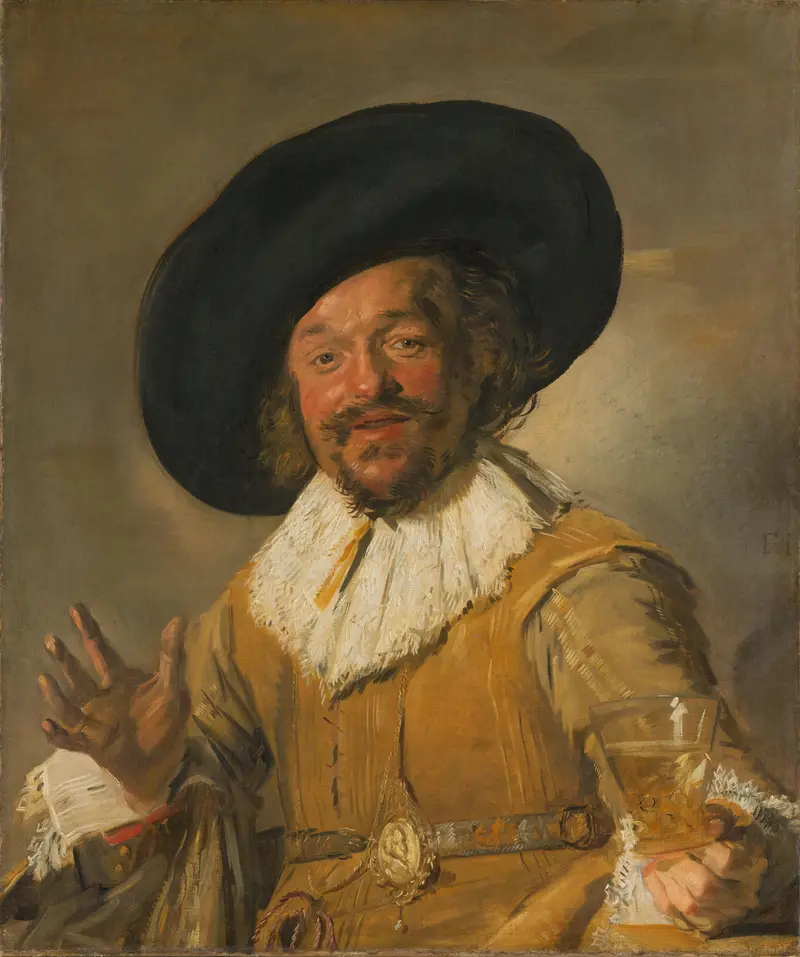
The Merry Drinker
Frans Hals
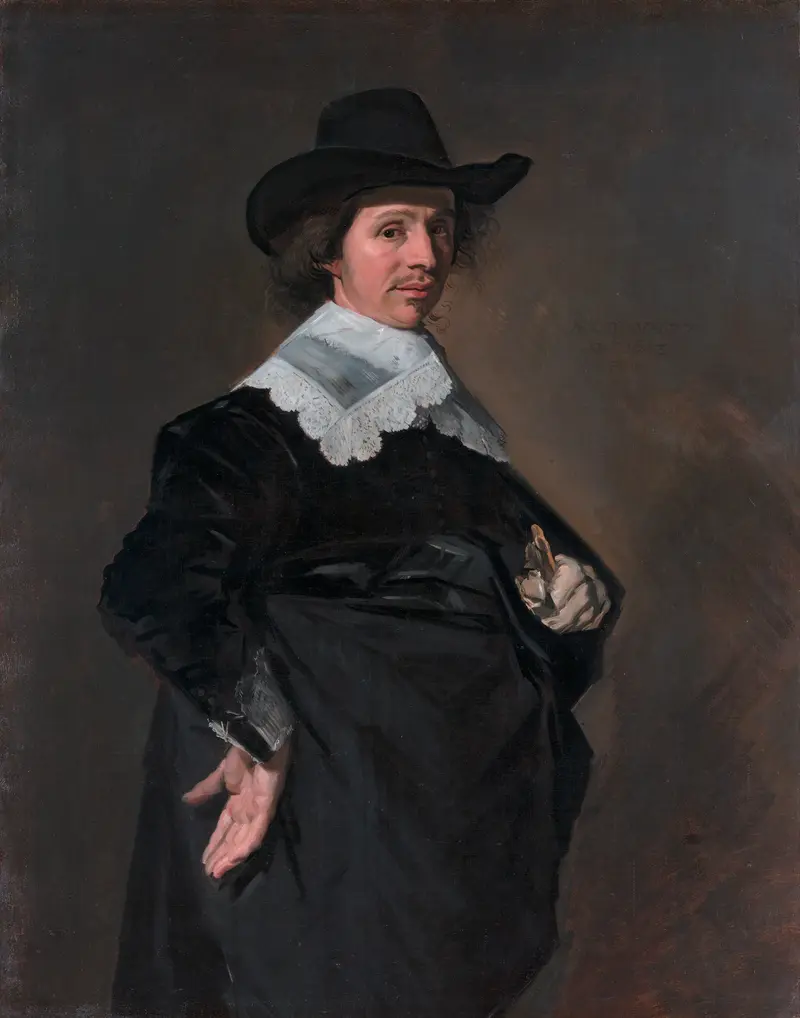
Portrait of Paulus Verschuur
Frans Hals
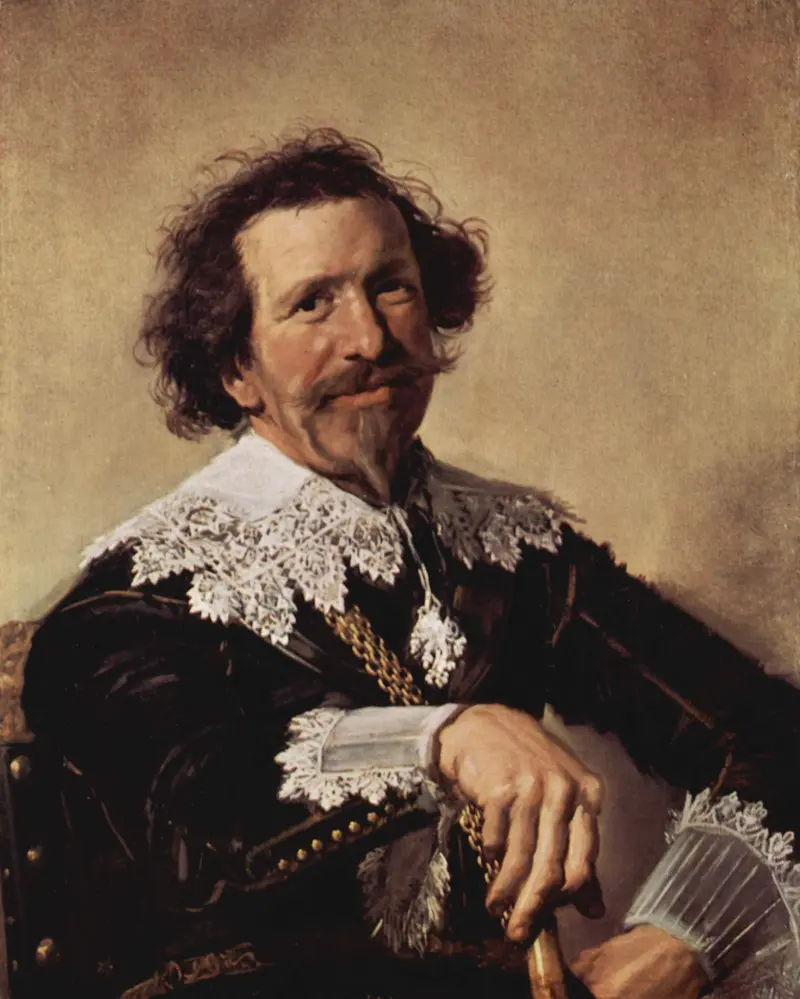
Portrait of Pieter van den Broecke
Frans Hals





