
The Virgin with the Blessing Child — History & Facts
No fewer than five autograph versions of The Virgin with the Blessing Child by Giovanni Bellini are known today, a testament to both the popularity of this composition and the artist’s own fascination with the subject. Each version, while similar in pose and mood, bears subtle variations in the gestures, landscape, and the delicate interplay of color. This 1482 painting stands out for its serene intimacy, a quality that led early collectors to prize it above others.
In the late 15th century, Bellini’s Madonnas were so sought after in Venice that patrons would wait months, even years, for delivery. At the heart of the scene, the Christ Child sits upright on the Virgin’s lap, his tiny hand raised in a gesture of blessing. Mary’s gaze is gentle but distant, her right hand supporting the Child, her left resting lightly on a parapet that separates the sacred figures from the viewer’s world. The soft, golden light caresses their faces, suggesting dawn or early morning—a symbol of hope and renewal.
Behind them, a tranquil landscape unfolds: rolling hills, a winding river, and a distant city, all painted with the atmospheric depth that would later influence Giorgione and Titian. Unlike earlier, more formal Byzantine icons, Bellini’s Madonna is approachable, her humanity emphasized by the tender interaction with her son. The precise provenance of this version remains uncertain, as is often the case with Bellini’s Madonnas, which were produced for both private devotion and public altars. What is clear is that by the early 16th century, works like this had cemented Bellini’s reputation as the leading painter in Venice, shaping the course of the Venetian Renaissance.
Over centuries, The Virgin with the Blessing Child has passed through the hands of collectors and religious institutions, each generation finding new meaning in its quiet beauty. Today, its luminous serenity continues to draw visitors, hanging in a museum gallery where Bellini’s innovations in color and atmosphere can be appreciated up close.
More Artworks by Giovanni Bellini
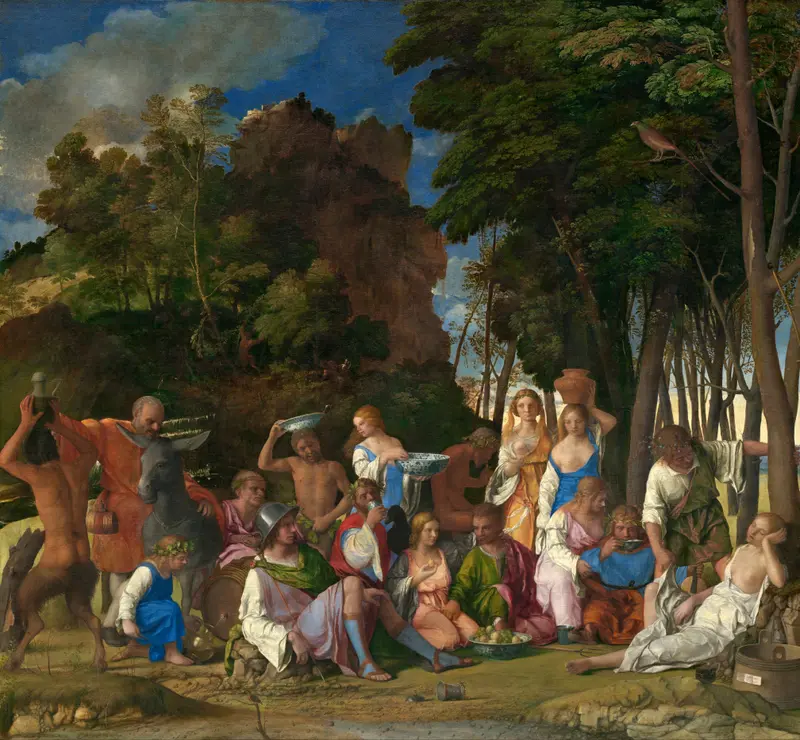
The Feast of the Gods
Giovanni Bellini

Madonna and Child enthroned with Saints and Angels
Giovanni Bellini
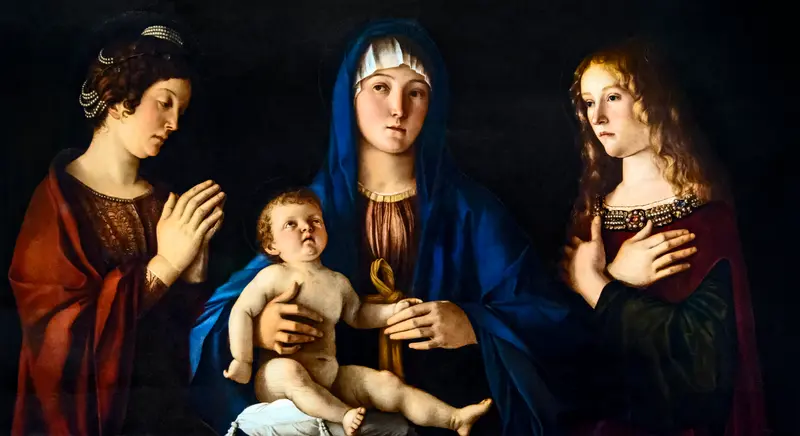
Madonna and Child between Saints Catherine and Mary Magdalene
Giovanni Bellini
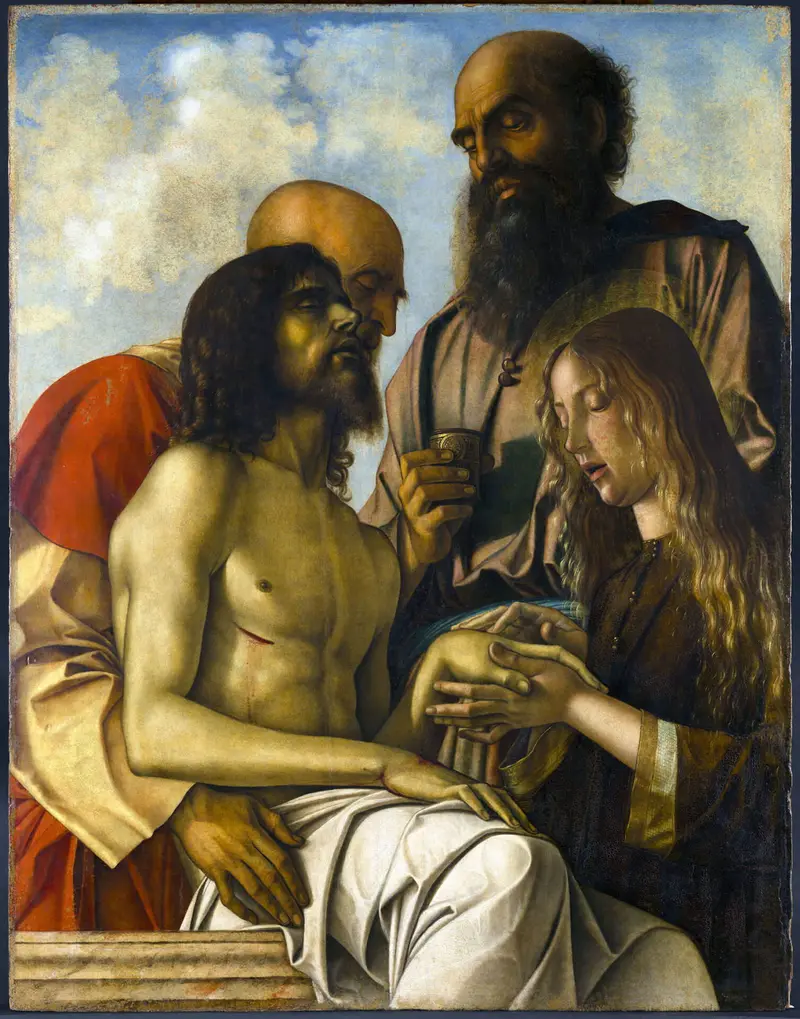
Lamentation over the Dead Christ
Giovanni Bellini
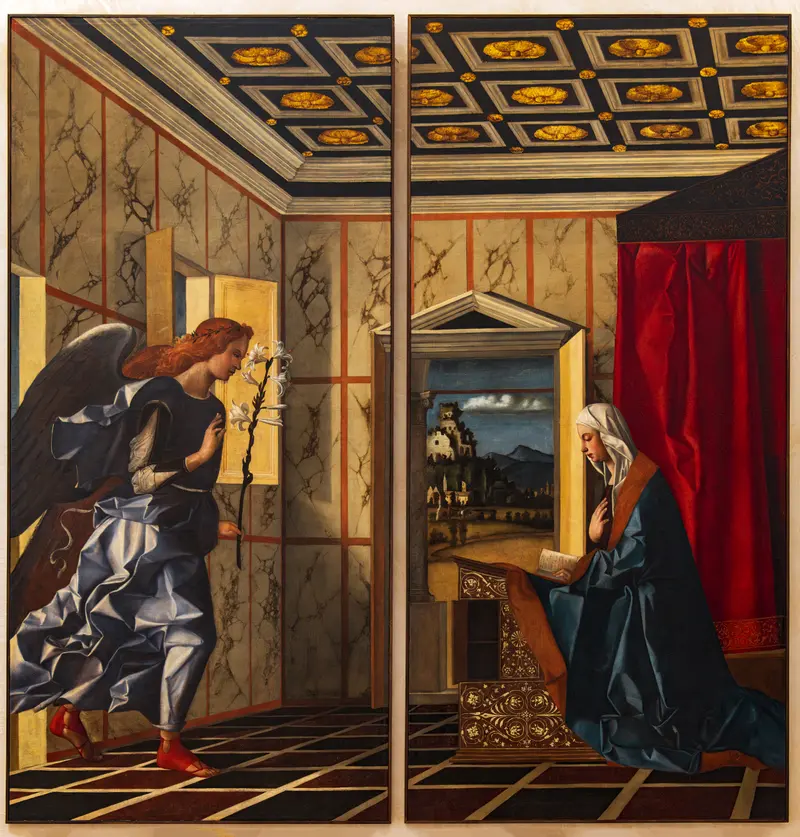
Annunciation
Giovanni Bellini
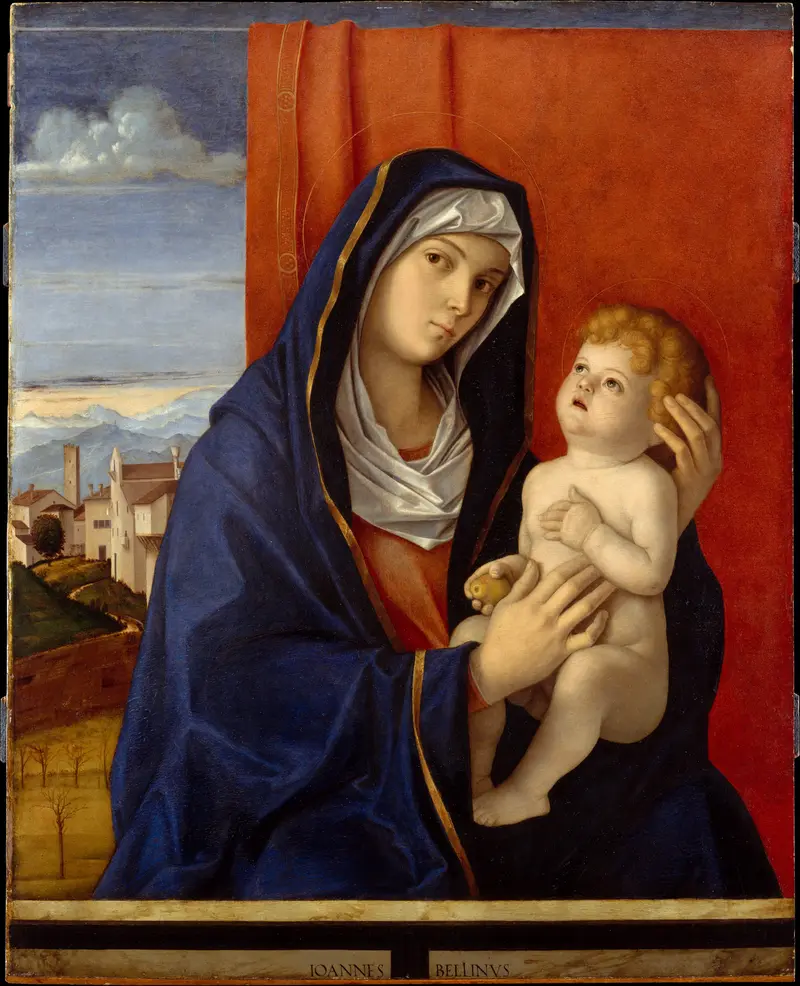
Madonna and Child
Giovanni Bellini
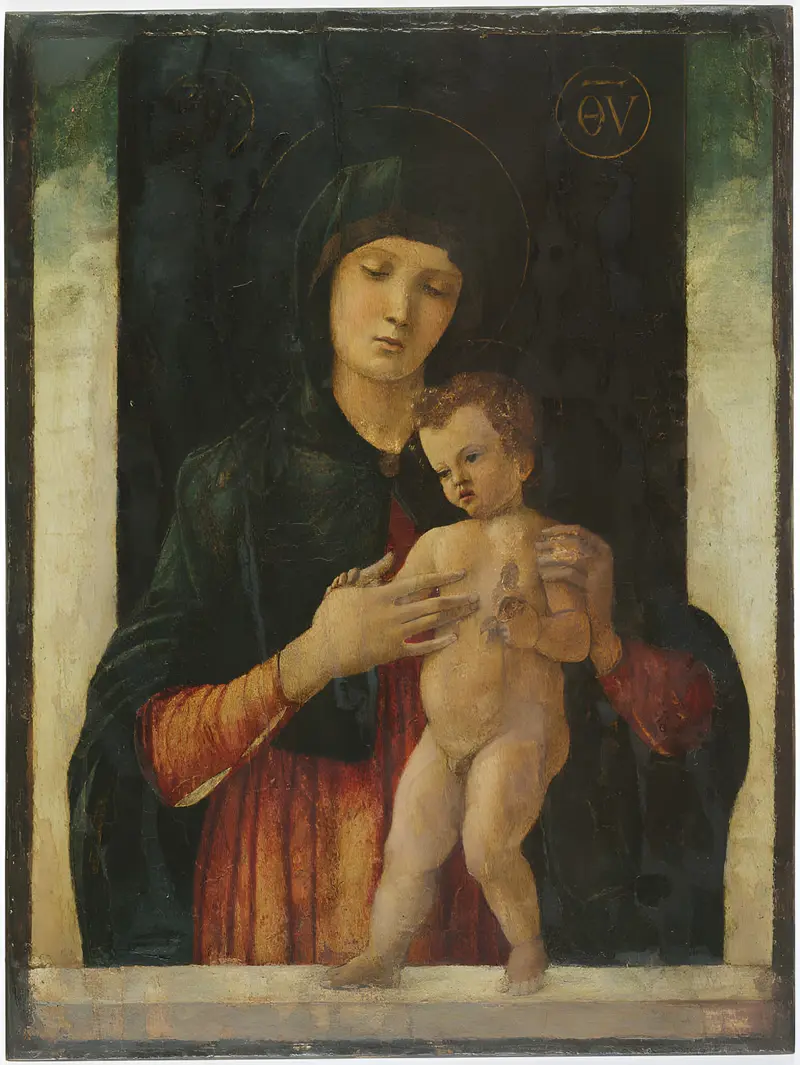
The Virgin and Child
Giovanni Bellini
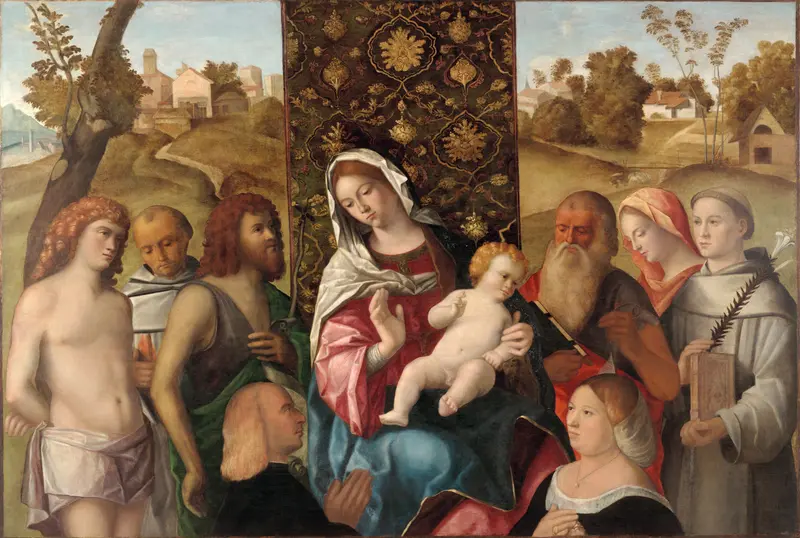
Virgin and Child with Saints Sebastian, Francis, John the Baptist, Jerome, an unidentified female saint, Saint Anthony of Padua and two donors
Giovanni Bellini
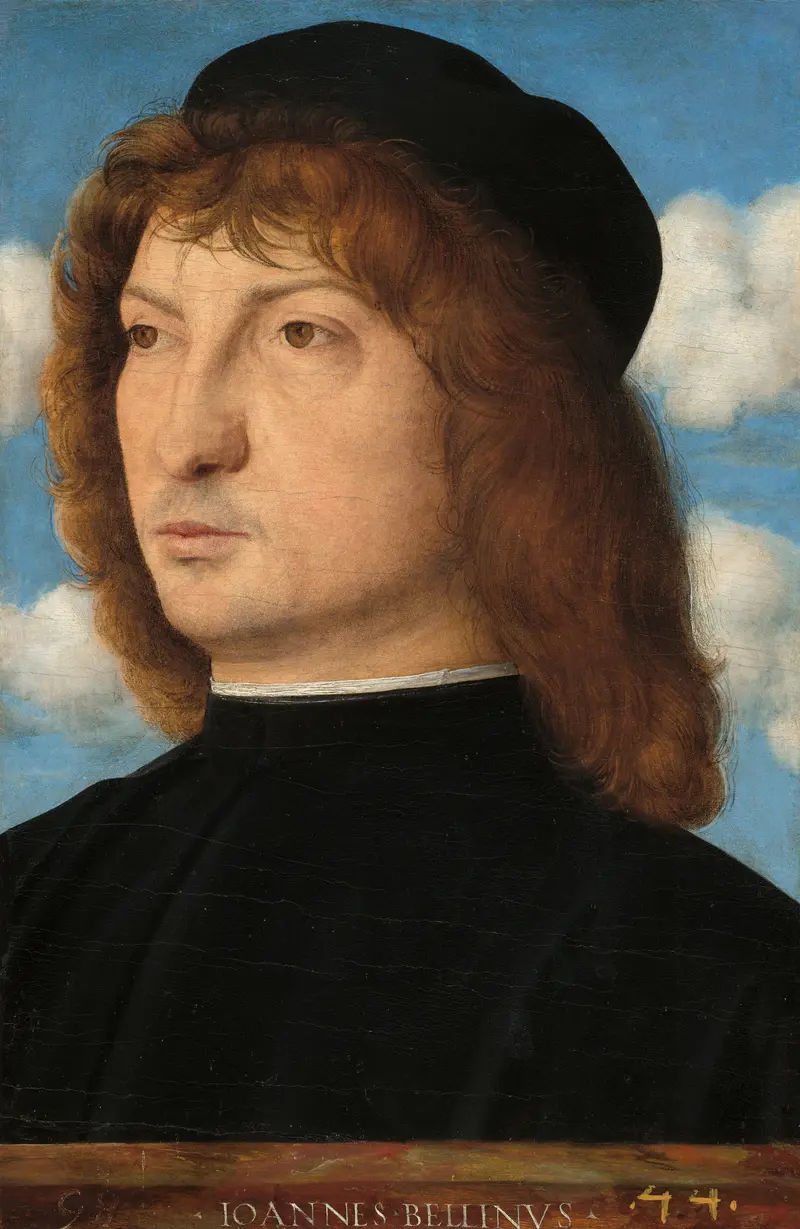
Portrait of a Venetian Gentleman
Giovanni Bellini
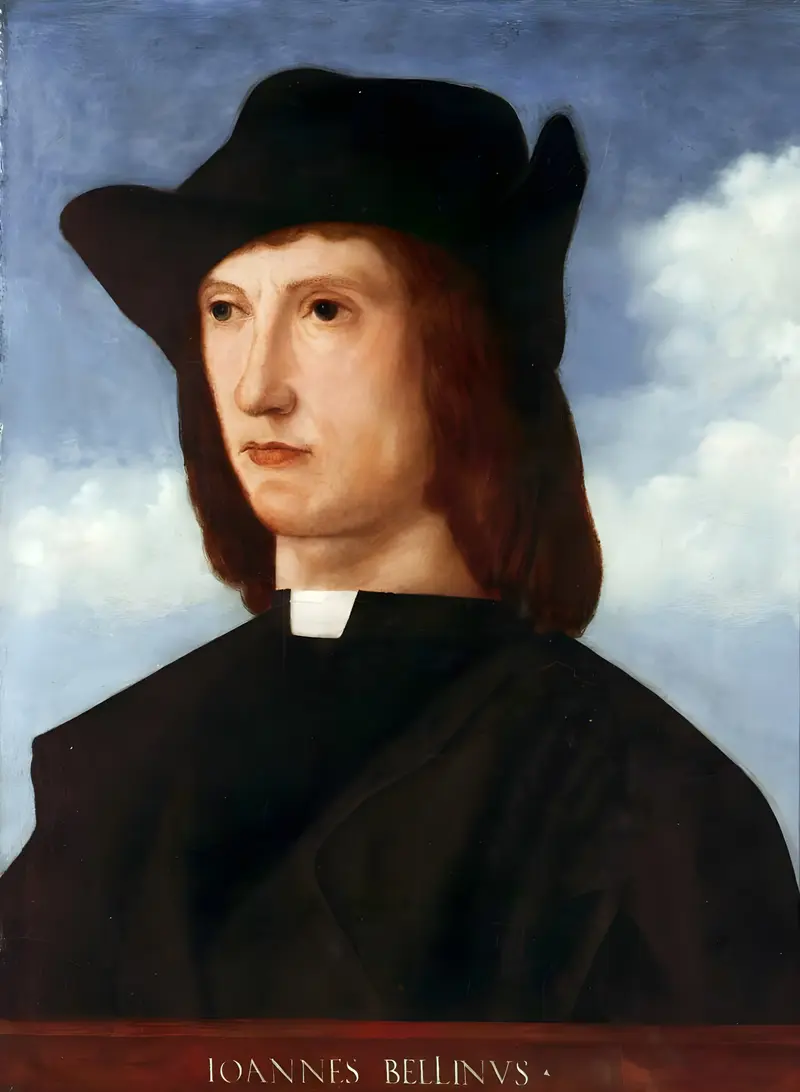
Portrait of a Young Man
Giovanni Bellini





