
Portrait of a Young Woman — History & Facts
What first holds the eye in Portrait of a Young Woman by Antoni Kozakiewicz is the quiet directness of the sitter’s gaze—steady, reserved, and edged with the faintest shadow of thought. Her face emerges from a background so dark it might be velvet, every contour softly modeled by the gentle, even light. The artist’s hand lingers on the details that make her an individual: the pink carnation tucked into her braided hair, the cameo earring and brooch, and the delicate ruffles of rose-colored ribbon at her throat.
These accents, vivid against her dark dress, seem chosen to draw the viewer’s attention upward, toward her thoughtful expression. The effect is intimate, as though we have interrupted a moment of private reflection. Painted in 1870, this portrait belongs to a world where likenesses were more than mere records—they were tokens of status, affection, or familial pride, often commissioned to mark a turning point in a young woman’s life. In the later nineteenth century, artists like Kozakiewicz worked at the crossroads of tradition and change, capturing their sitters with a realism that hints at the new social mobility and shifting roles of women in European society.
The painting now resides in the National Museum in Kraków, a quiet testament to both the sitter’s individuality and the era’s fascination with personal identity. The longer one looks, the more the painting invites speculation about the life behind those steady eyes.
More Artworks by Antoni Kozakiewicz

Gypsies
Antoni Kozakiewicz
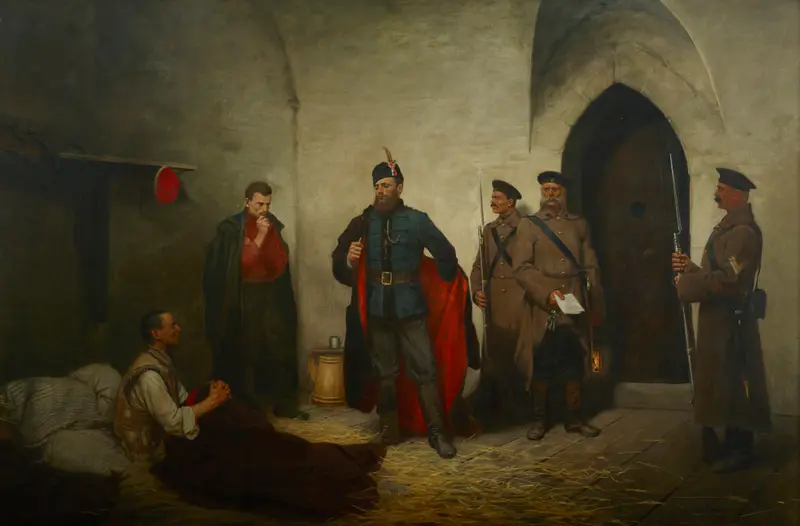
"I Don't Care What the Punishment Will Be"
Antoni Kozakiewicz
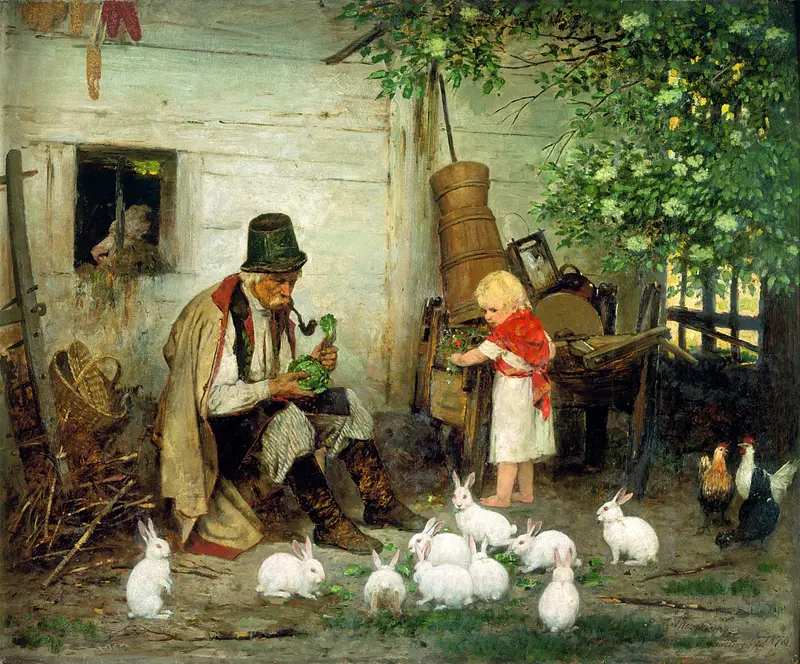
Maciej, król nad króle ("Pan Tadeusz", Księga VI)
Antoni Kozakiewicz
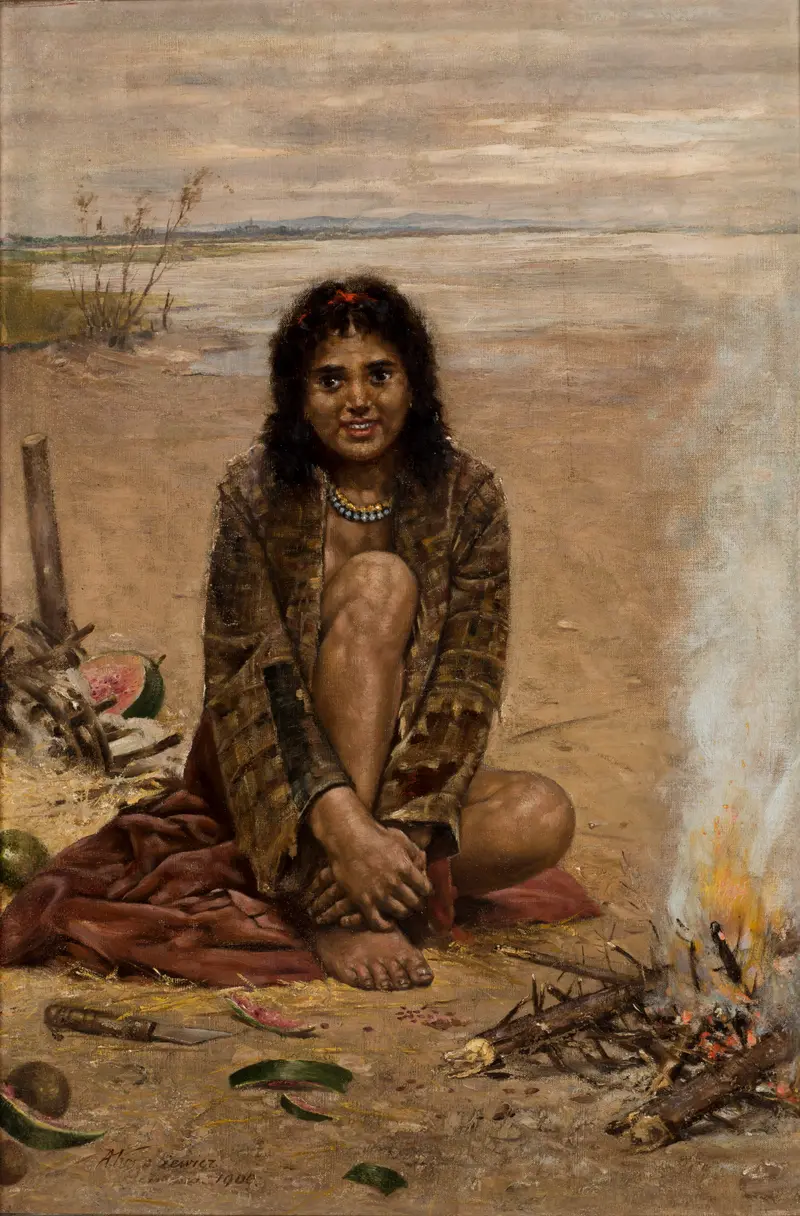
A Gypsy Woman
Antoni Kozakiewicz
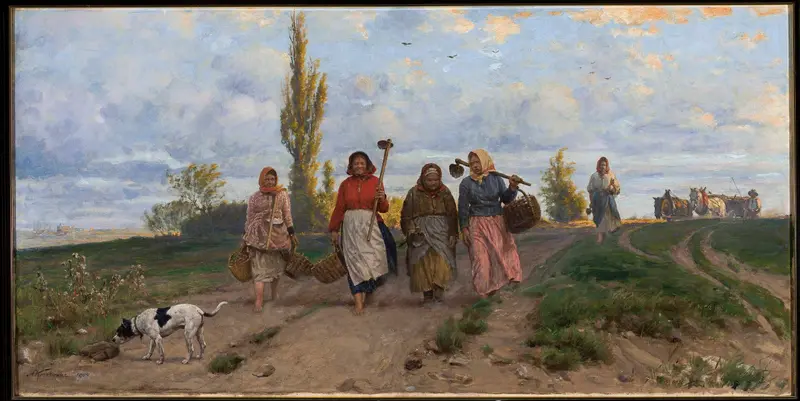
Women returning from the fields
Antoni Kozakiewicz
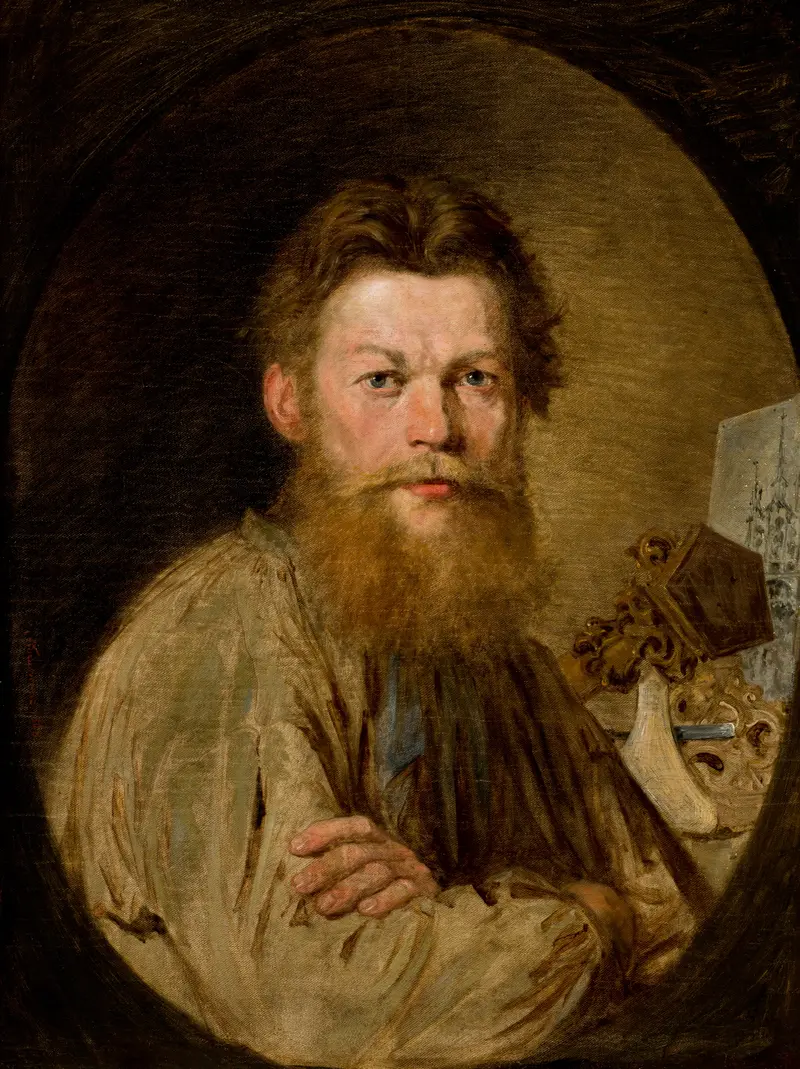
Portrait of Sculptor Kazimierz Wakulski
Antoni Kozakiewicz
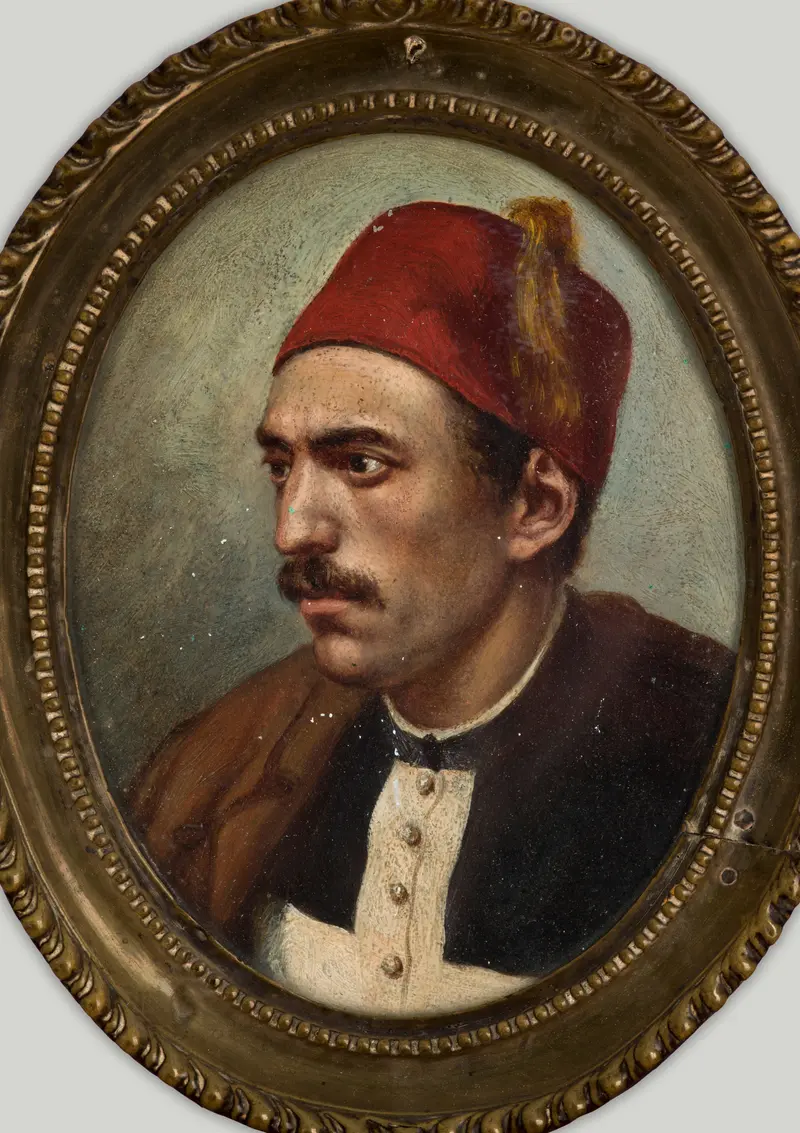
Portrait of General François de Rochebrune
Antoni Kozakiewicz
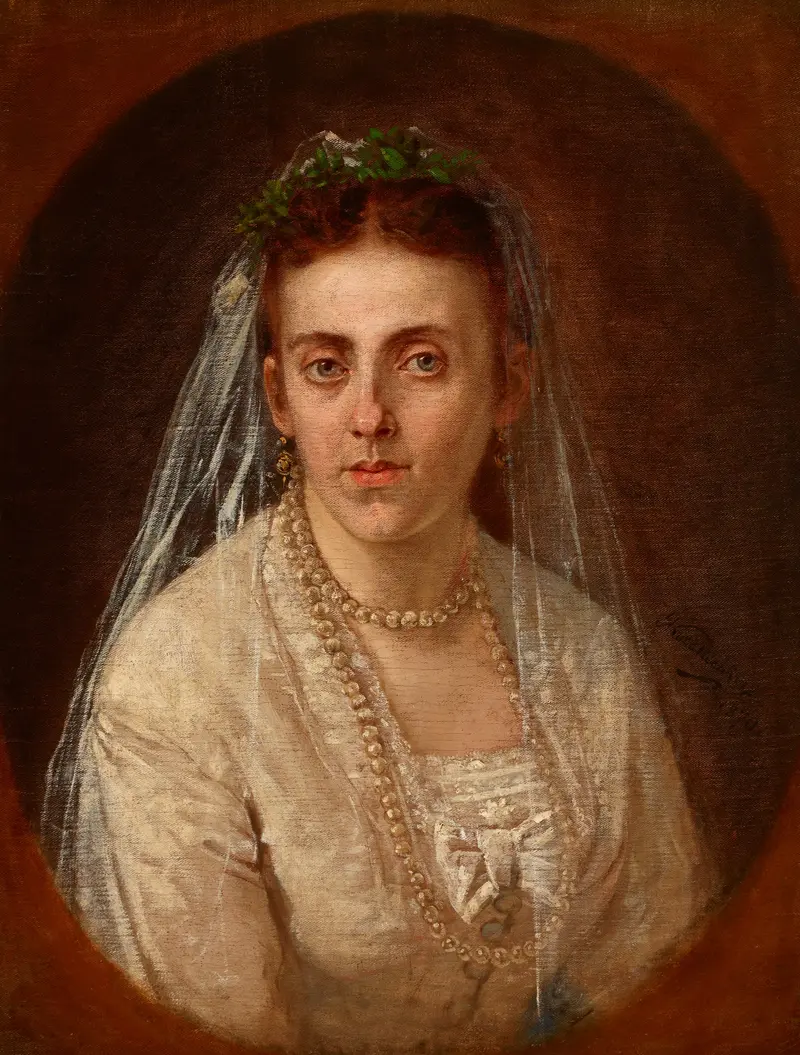
Portrait of Sydonia Wakulska
Antoni Kozakiewicz
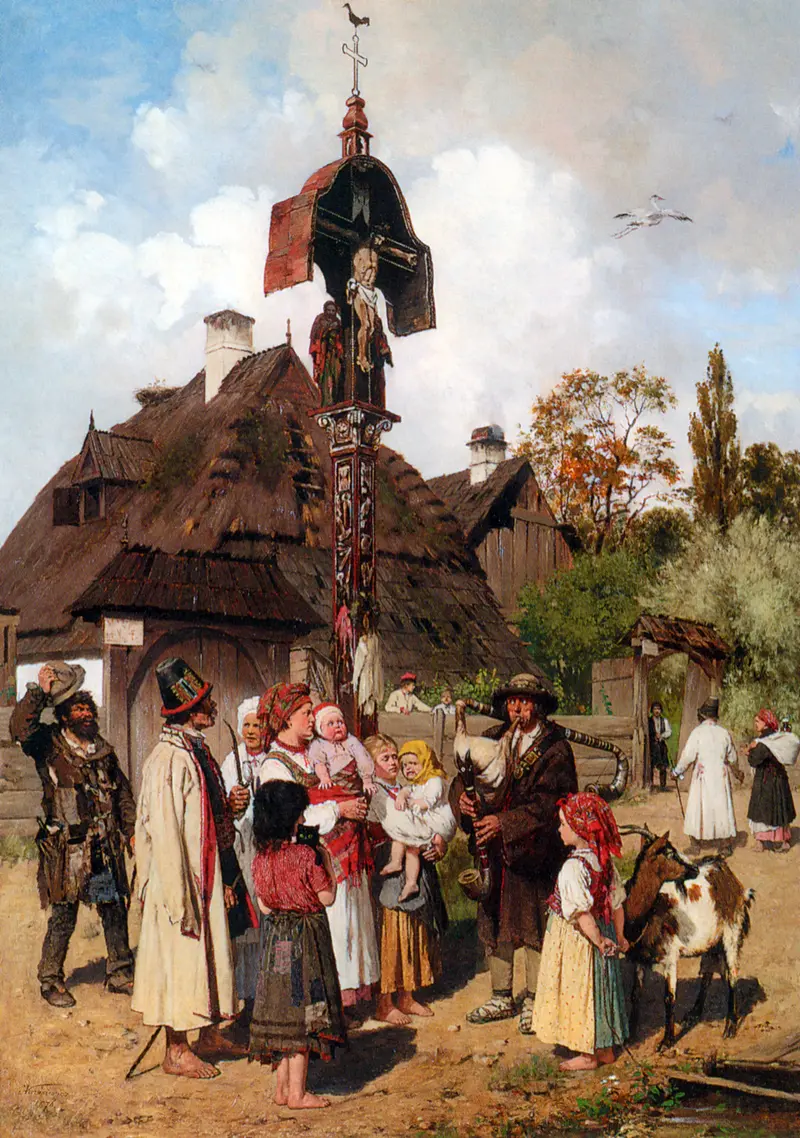
Koncert Kobziarza
Antoni Kozakiewicz
Bad omen
Antoni Kozakiewicz





