
Gypsies — History & Facts
A circle of faces glows in the hush of dusk, each one caught in the flickering warmth of a campfire that is just out of sight. The eye is drawn first to the woman at the center, her bright red kerchief and upright posture marking her as the silent anchor of the group. Around her, children and adults lean in, their bodies forming a loose arc, hands busy with food or gesture, eyes alert to stories or song.
The palette is earthy and muted, with only a few splashes of color — a blue skirt, a yellow scarf — to break the subdued harmony of browns and ochres. Shadows stretch long across the grass, and the sky is already heavy with night, but the gathering radiates a quiet intimacy, as if the world beyond the fire’s reach has faded away. Every detail, from the battered tinware at their feet to the worn hems of their clothes, invites us into a moment of pause and belonging. Painted in 1924, this scene belongs to a long tradition of European art that turned its gaze to the margins of society, depicting Romani life not as spectacle but as daily reality.
In the early twentieth century, artists across Central and Eastern Europe were drawn to such subjects, sometimes out of fascination, sometimes from a wish to record ways of life threatened by modernization and shifting borders. The work now resides in the National Museum in Kraków, a city that itself has long been a crossroads of cultures. Little is recorded about the journey of this specific painting, but its presence in a public collection ensures that the quiet dignity of its subjects endures.
Look again at those faces — each one a reminder of stories both told and untold.
More Artworks by Antoni Kozakiewicz
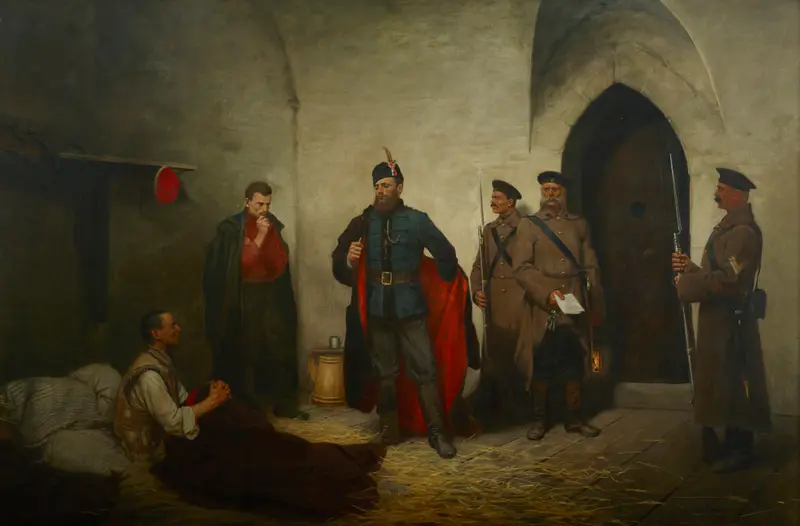
"I Don't Care What the Punishment Will Be"
Antoni Kozakiewicz
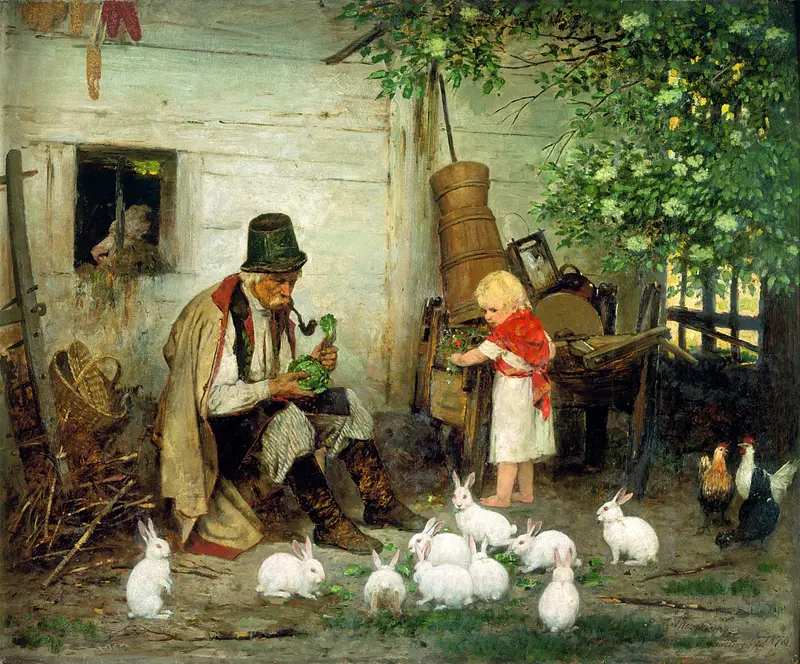
Maciej, król nad króle ("Pan Tadeusz", Księga VI)
Antoni Kozakiewicz
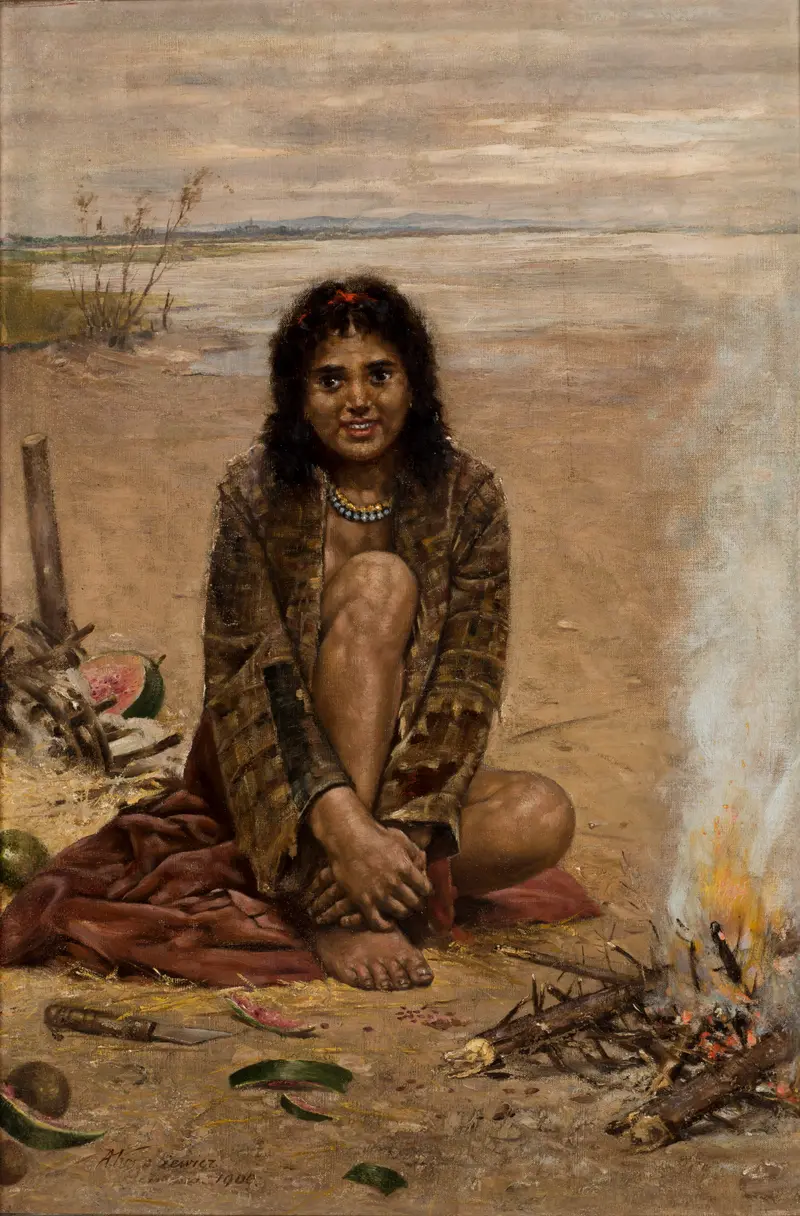
A Gypsy Woman
Antoni Kozakiewicz
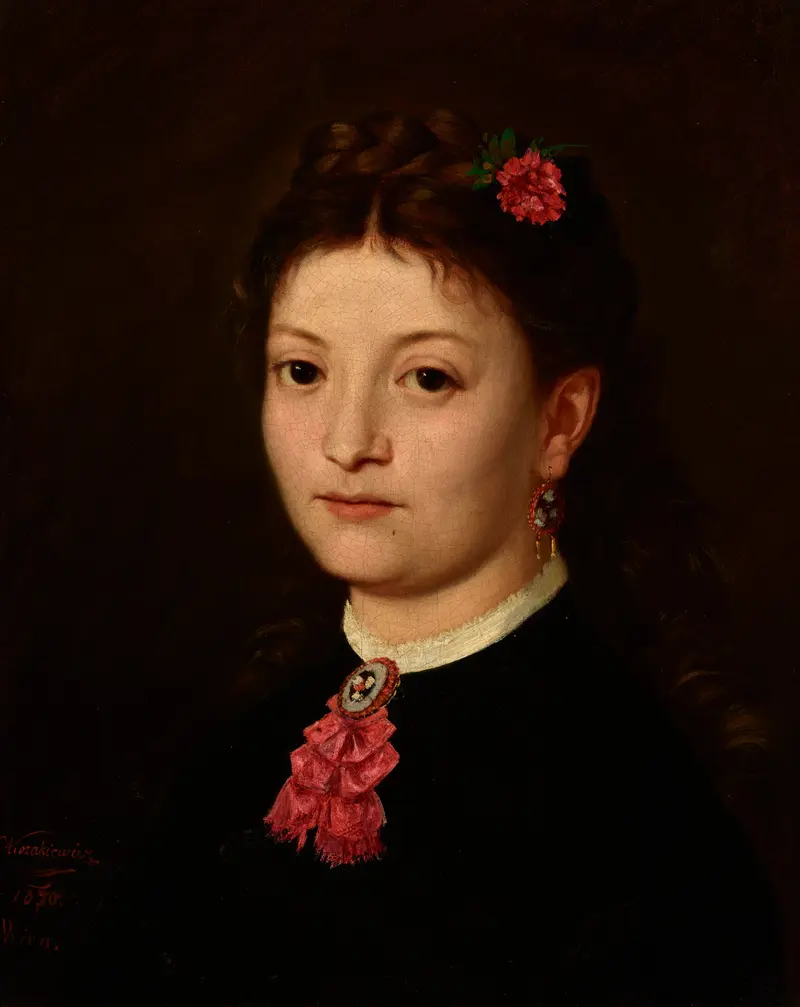
Portrait of a Young Woman
Antoni Kozakiewicz
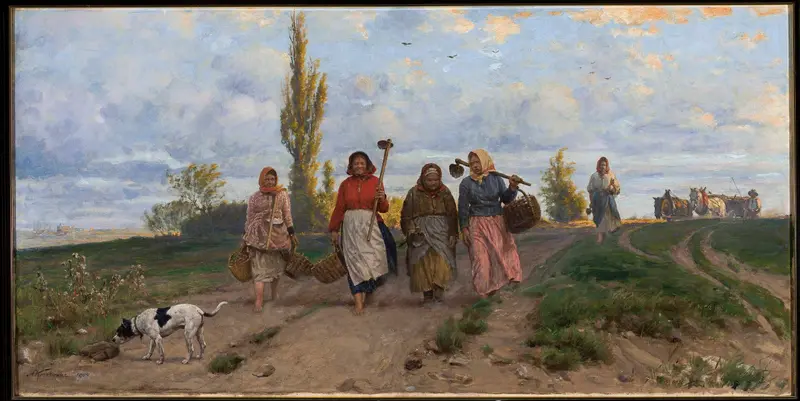
Women returning from the fields
Antoni Kozakiewicz
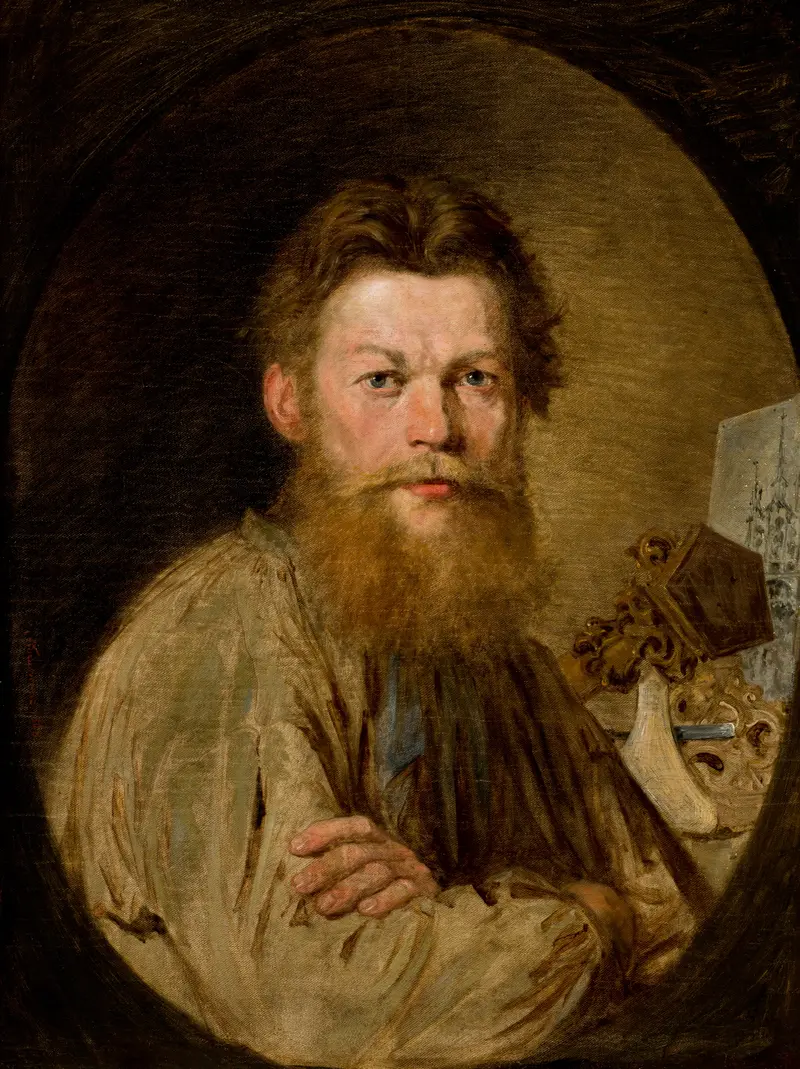
Portrait of Sculptor Kazimierz Wakulski
Antoni Kozakiewicz
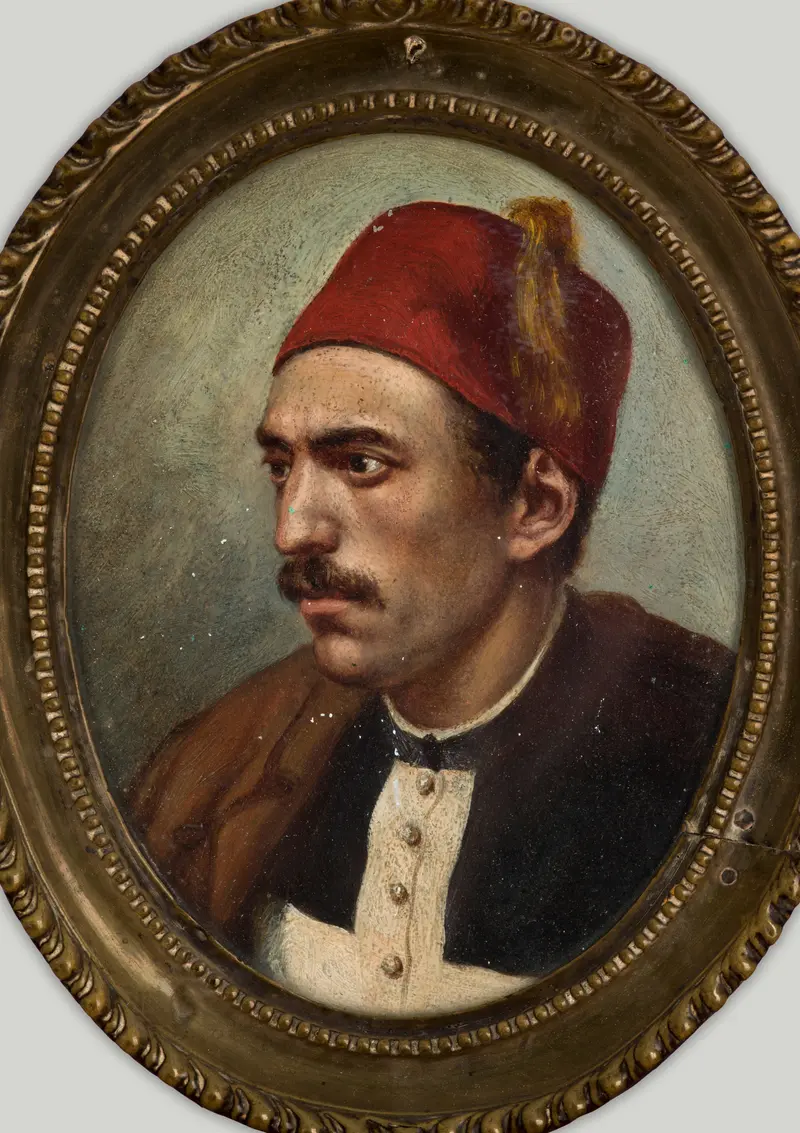
Portrait of General François de Rochebrune
Antoni Kozakiewicz
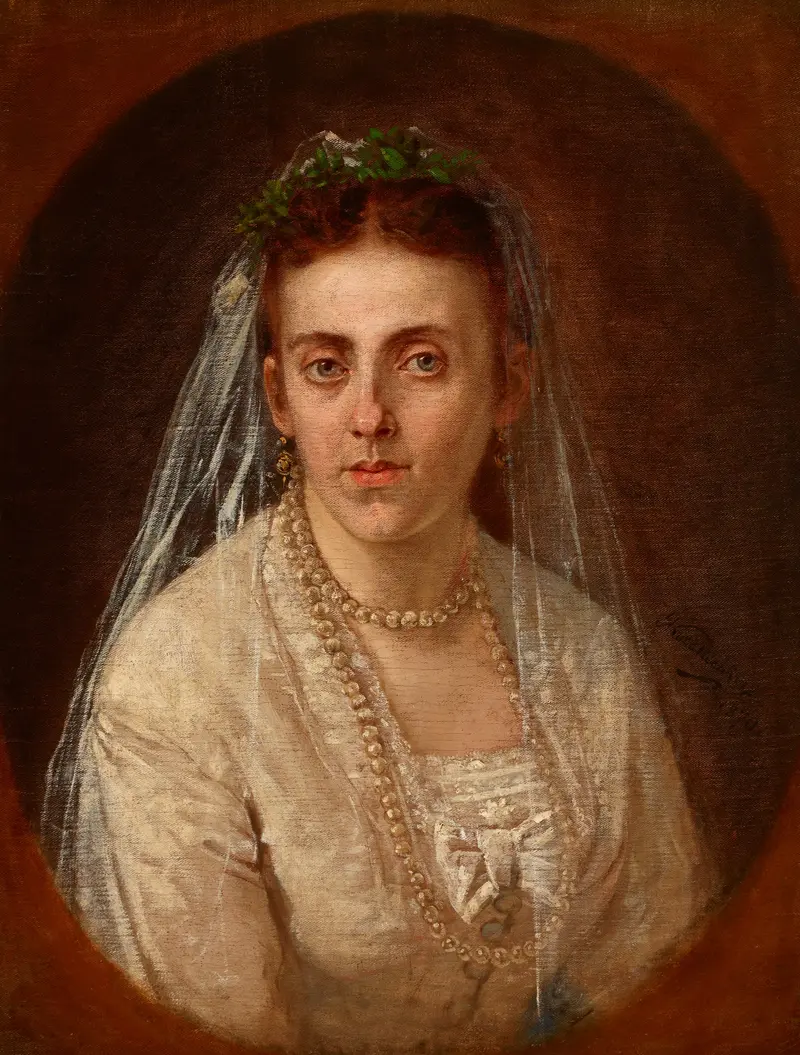
Portrait of Sydonia Wakulska
Antoni Kozakiewicz
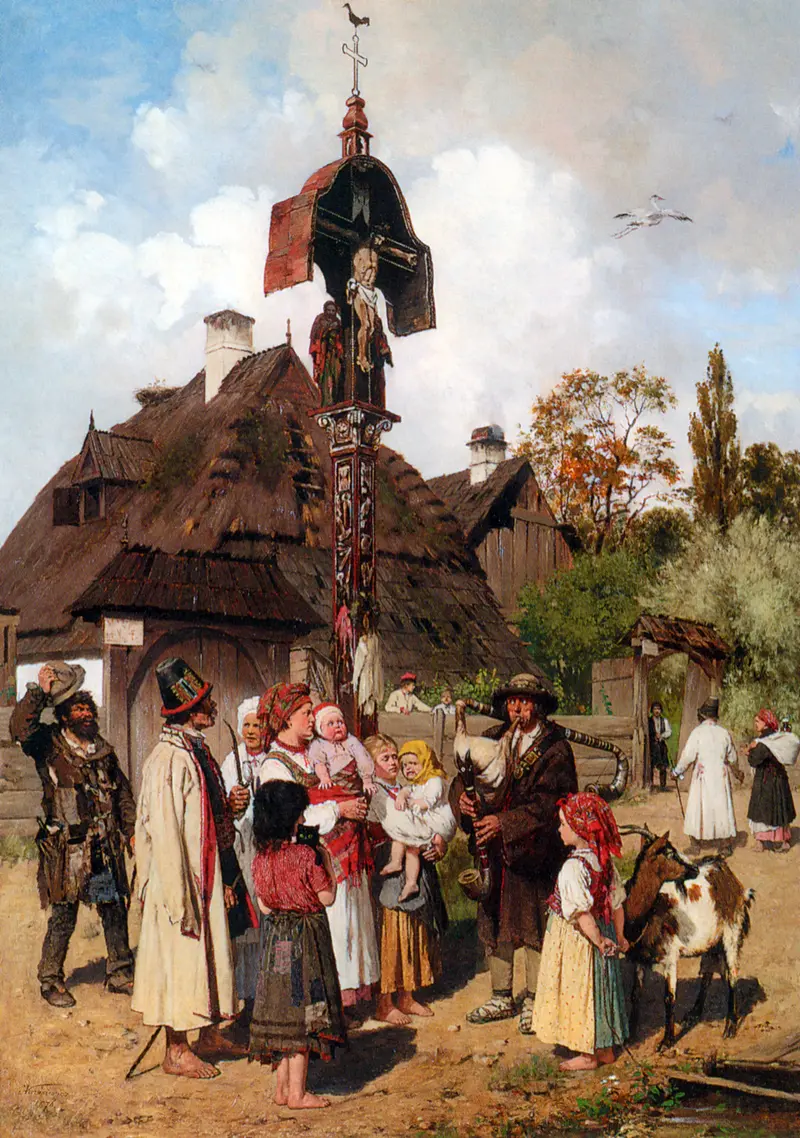
Koncert Kobziarza
Antoni Kozakiewicz
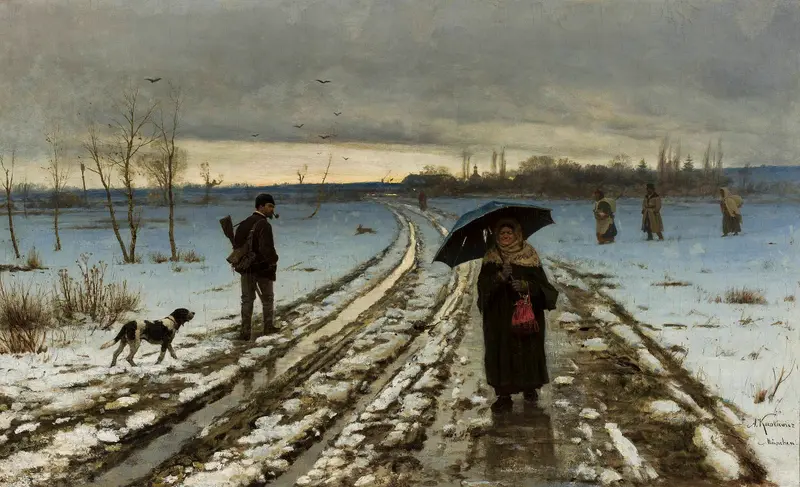
Bad omen
Antoni Kozakiewicz
More Genre Scene Art

Banquet of the Officers of the St George Civic Guard
Frans Hals

Rembrandt and Saskia in the Scene of the Prodigal Son
Rembrandt van Rijn

Bal du moulin de la Galette
Pierre-Auguste Renoir

Quadrille at the Moulin Rouge
Henri de Toulouse-Lautrec

A Burial at Ornans
Gustave Courbet

When Will You Marry?
Paul Gauguin