
Maciej, król nad króle ("Pan Tadeusz", Księga VI) — History & Facts
What draws the eye first is not the old man, but the sudden, almost magical congregation of white rabbits at his feet, their ears upright and luminous against the muted earth. The man, pipe in mouth and cabbage in hand, is absorbed in his gentle task, while a small girl in a red kerchief tends to her own work nearby, her attention split between the rabbits and the flowers she gathers. The light falls softly through the foliage, illuminating the animals and casting a tranquil spell over the scene.
Every object — the baskets, the churn, the scattered tools — speaks to the rhythms of rural life, but the rabbits, described so vividly in the source as blooming like narcissus, are the true protagonists here, their bright eyes and snowy fur drawing the viewer into a quiet world where patience is rewarded with trust. Painted in 1879, Maciej, król nad króle ("Pan Tadeusz", Księga VI) by Antoni Kozakiewicz belongs to a tradition of 19th-century Polish art that celebrated the customs and landscapes of the countryside, often drawing inspiration from literary sources such as Pan Tadeusz. These works were cherished for their ability to conjure a sense of place and memory, especially in a time when Poland’s political fate was uncertain and nostalgia for the land ran deep. The painting’s presence in the collection of the Leszno museum speaks to the enduring affection for such scenes, even as history has left few traces of the artist’s wider career.
Look again at the rabbits, and see not just animals, but a fleeting moment of peace and order in a changing world.
More Artworks by Antoni Kozakiewicz

Gypsies
Antoni Kozakiewicz
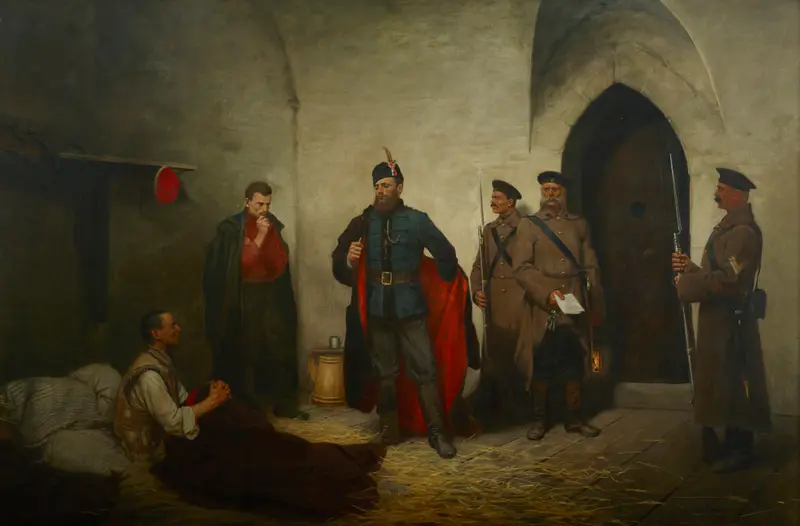
"I Don't Care What the Punishment Will Be"
Antoni Kozakiewicz
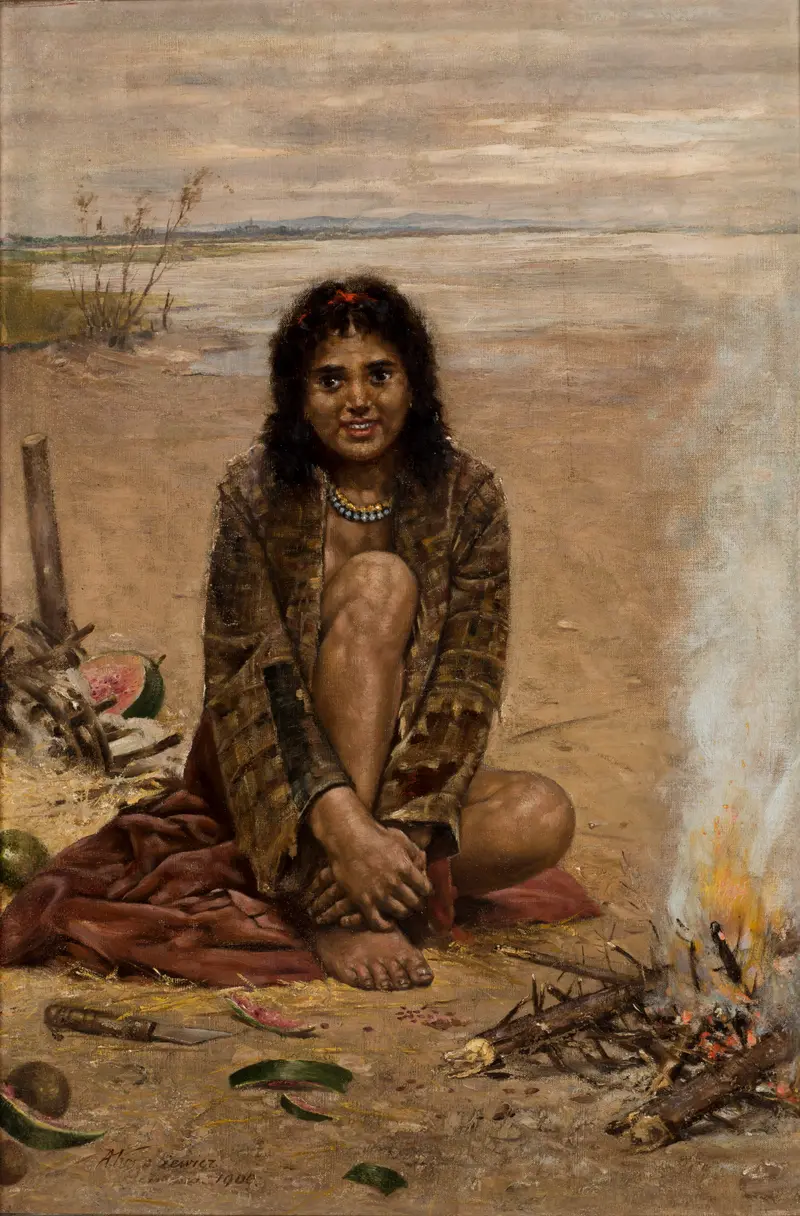
A Gypsy Woman
Antoni Kozakiewicz
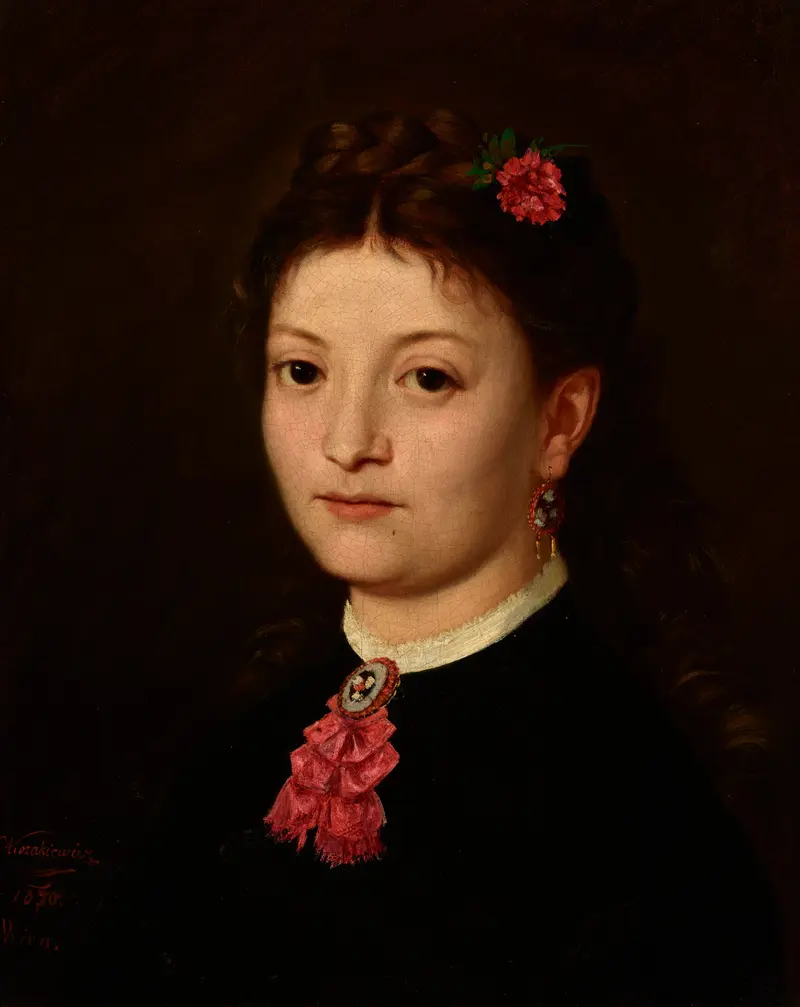
Portrait of a Young Woman
Antoni Kozakiewicz
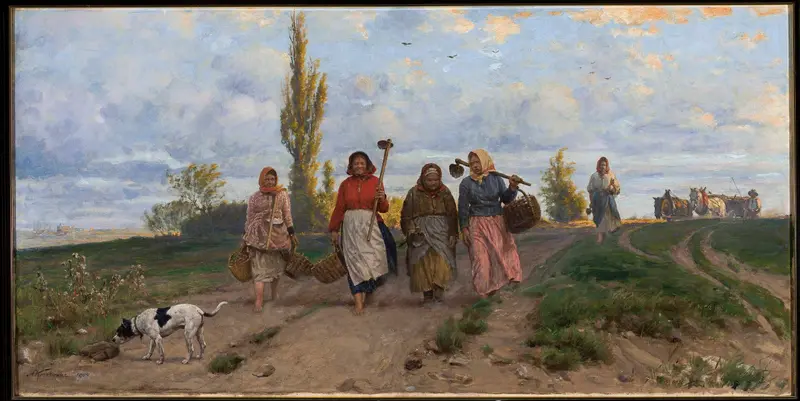
Women returning from the fields
Antoni Kozakiewicz
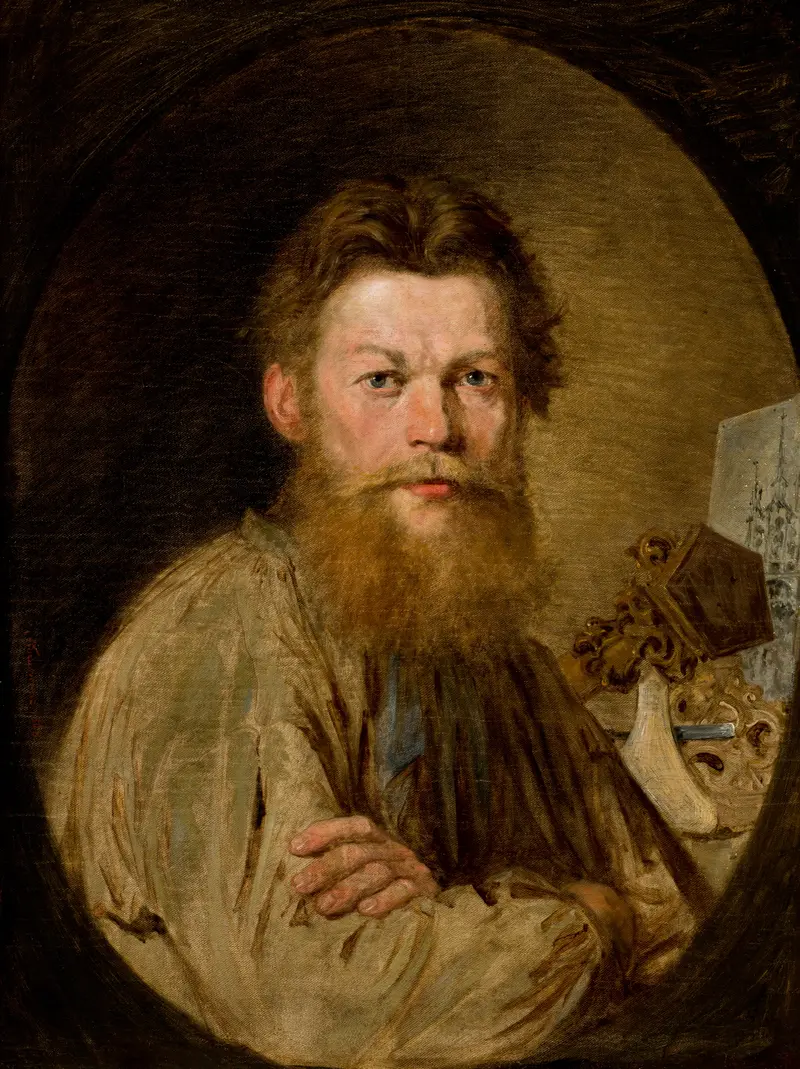
Portrait of Sculptor Kazimierz Wakulski
Antoni Kozakiewicz
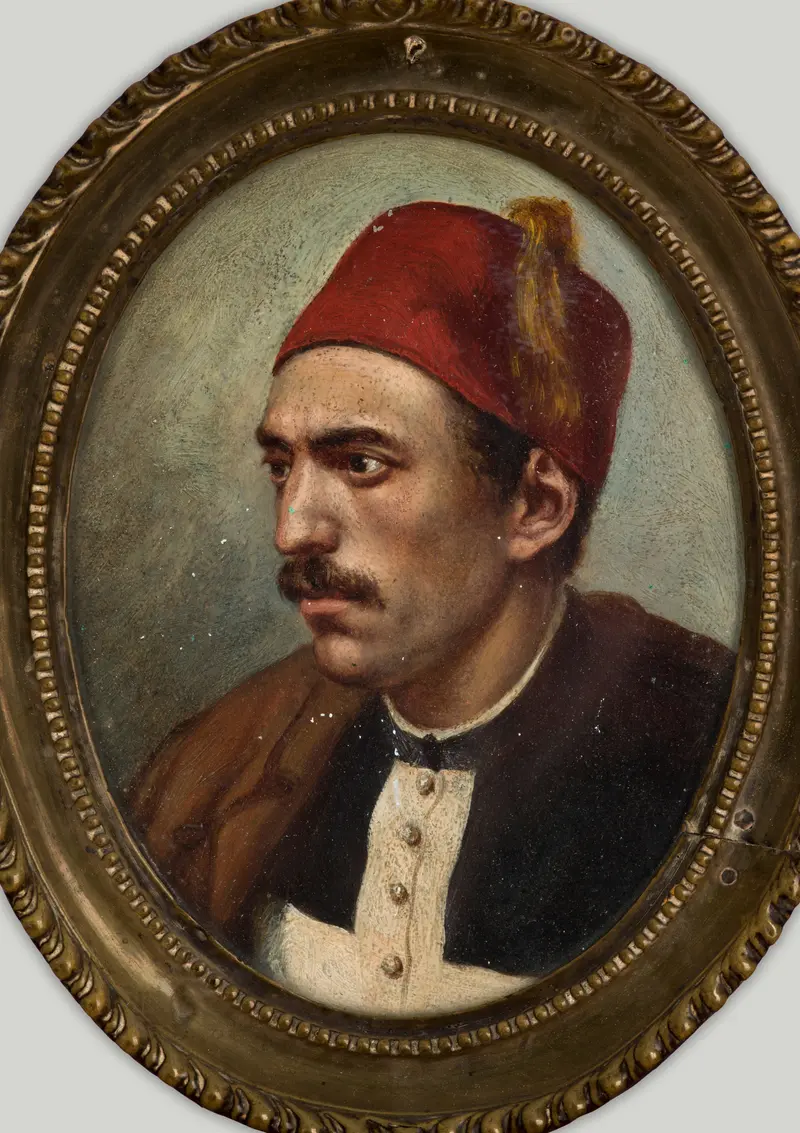
Portrait of General François de Rochebrune
Antoni Kozakiewicz
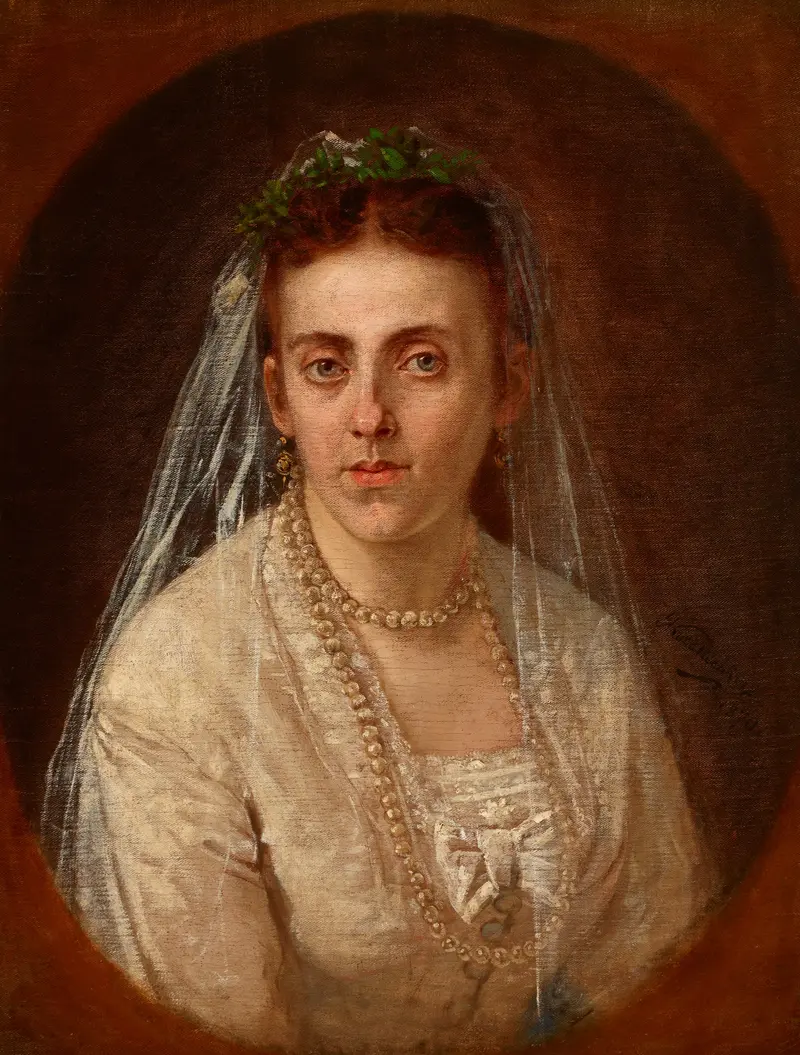
Portrait of Sydonia Wakulska
Antoni Kozakiewicz
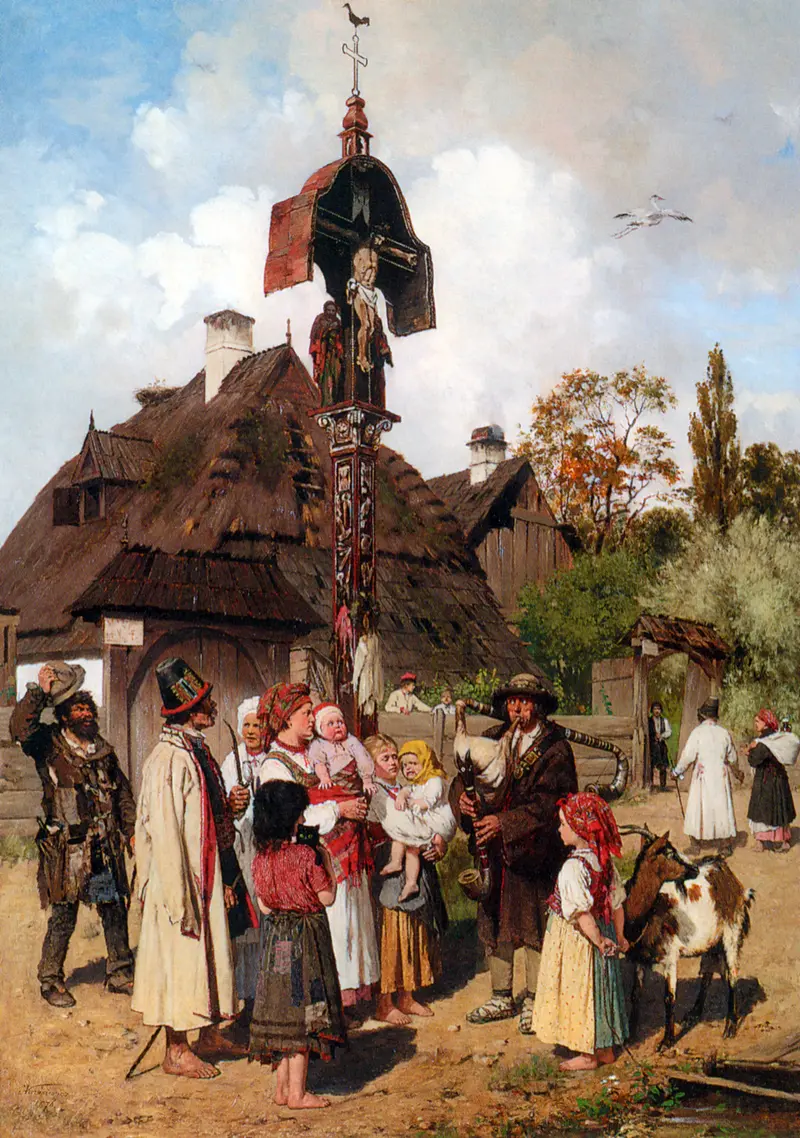
Koncert Kobziarza
Antoni Kozakiewicz
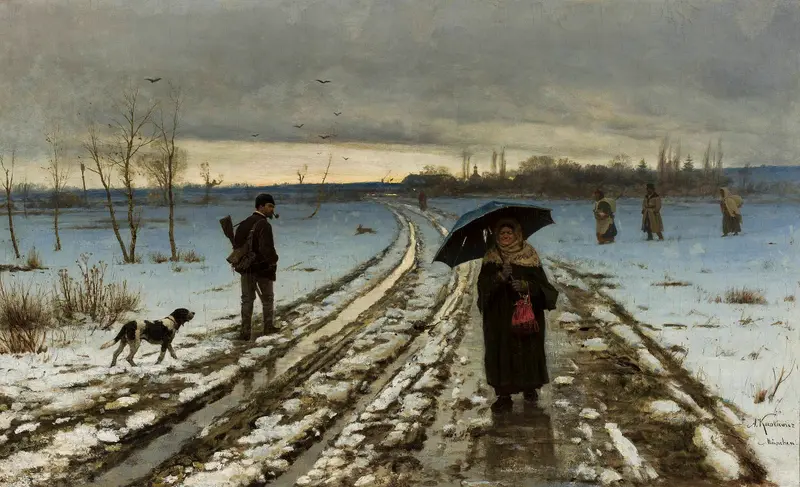
Bad omen
Antoni Kozakiewicz
More Genre Scene Art

Banquet of the Officers of the St George Civic Guard
Frans Hals

Rembrandt and Saskia in the Scene of the Prodigal Son
Rembrandt van Rijn

Bal du moulin de la Galette
Pierre-Auguste Renoir

Quadrille at the Moulin Rouge
Henri de Toulouse-Lautrec

A Burial at Ornans
Gustave Courbet

When Will You Marry?
Paul Gauguin