
Koncert Kobziarza — History & Facts
A crowd gathers beneath a tall, painted roadside cross, their attention caught by the music of a kobziarz—a traditional bagpiper—whose cheeks puff as he fills the air with melody. The scene is alive with detail: a woman in bright folk dress cradles her child, a barefoot girl tugs at the ear of a goat, and the faces in the crowd are a tapestry of curiosity, delight, and everyday fatigue. The light falls warmly on the thatched roofs and embroidered garments, guiding the eye upward to the cross and the stork perched atop, a subtle emblem of home and continuity.
Every gesture in Koncert Kobziarza by Antoni Kozakiewicz is purposeful: the musician’s stance signals pride and tradition, while the villagers’ arrangement around him suggests the centrality of music and faith to rural life. Painted in 1876, this work belongs to a period when artists across Eastern Europe turned their gaze to village customs and folk rituals, capturing a world on the cusp of change. Such paintings were often commissioned or collected by urban patrons longing for a vision of national roots, or by those seeking to document traditions threatened by modernization. The careful rendering of costumes, instruments, and architecture in Koncert Kobziarza speaks to a broader 19th-century fascination with ethnographic accuracy, yet the scene’s warmth and immediacy transcend mere record-keeping.
History has kept few traces of this painting’s early journey, but its vivid storytelling invites us to linger, searching the faces for echoes of a vanished rural world.
More Artworks by Antoni Kozakiewicz

Gypsies
Antoni Kozakiewicz
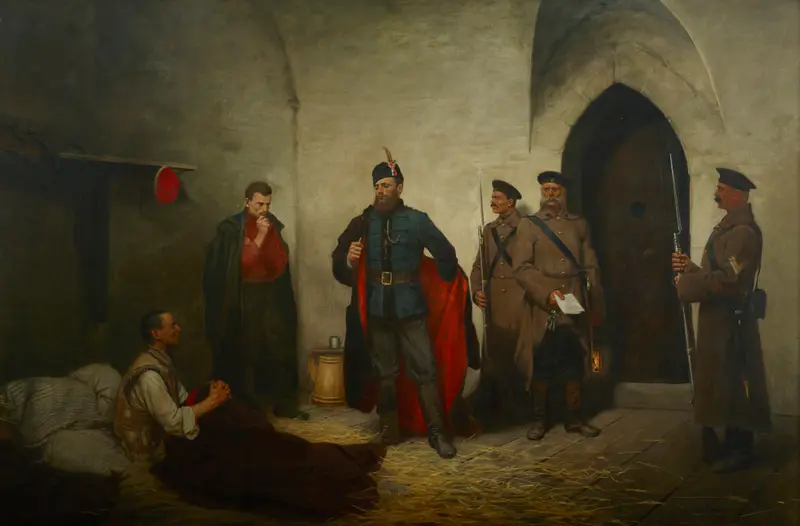
"I Don't Care What the Punishment Will Be"
Antoni Kozakiewicz
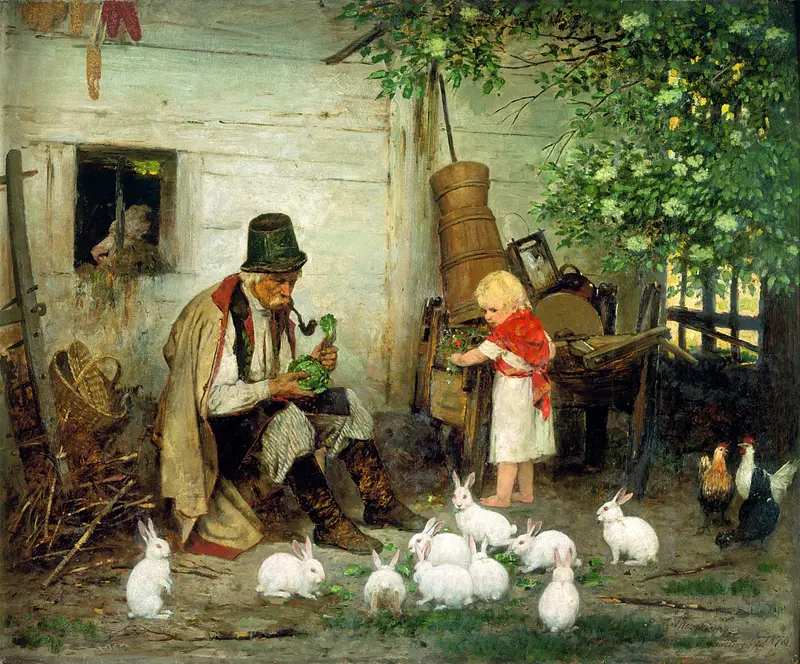
Maciej, król nad króle ("Pan Tadeusz", Księga VI)
Antoni Kozakiewicz
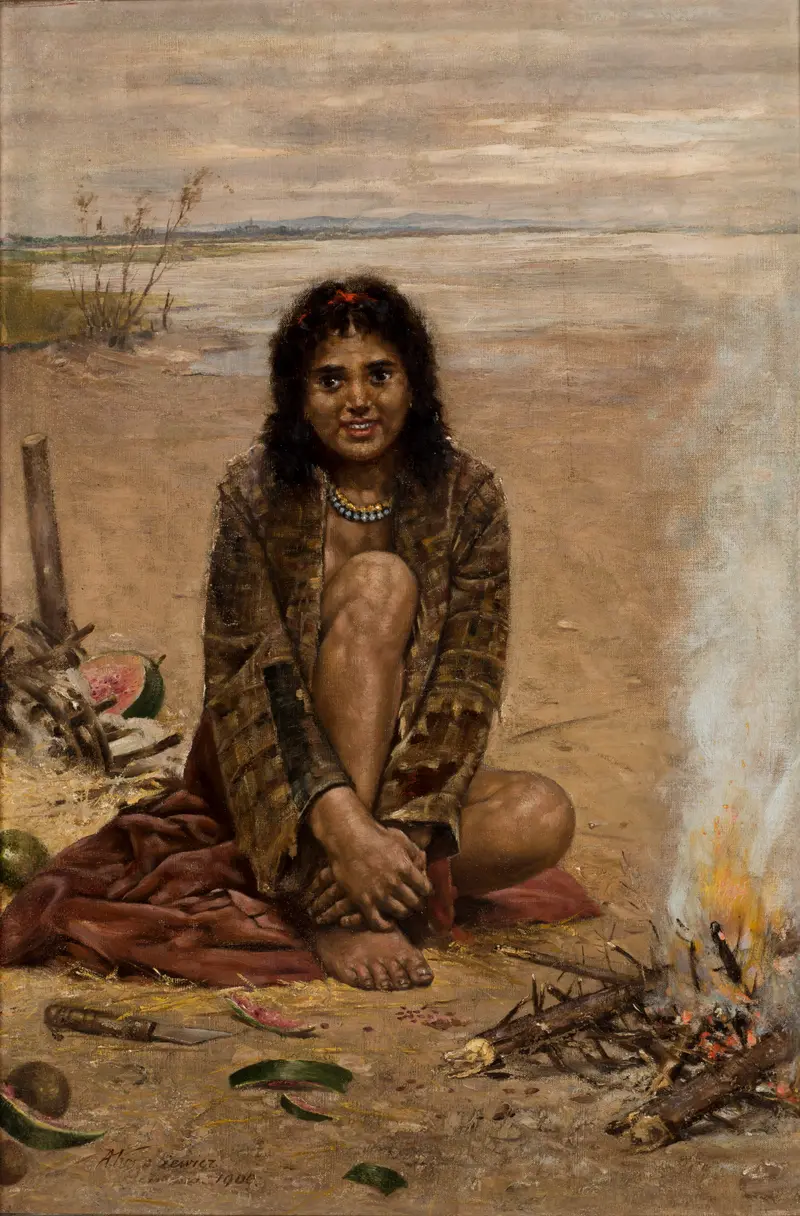
A Gypsy Woman
Antoni Kozakiewicz
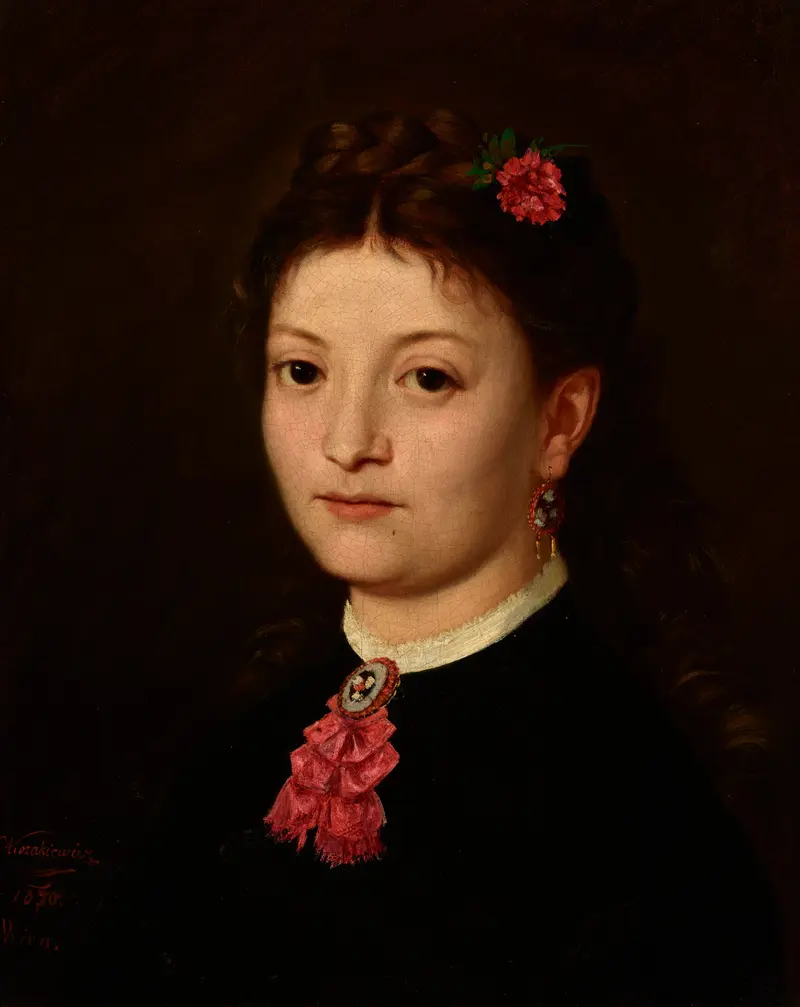
Portrait of a Young Woman
Antoni Kozakiewicz
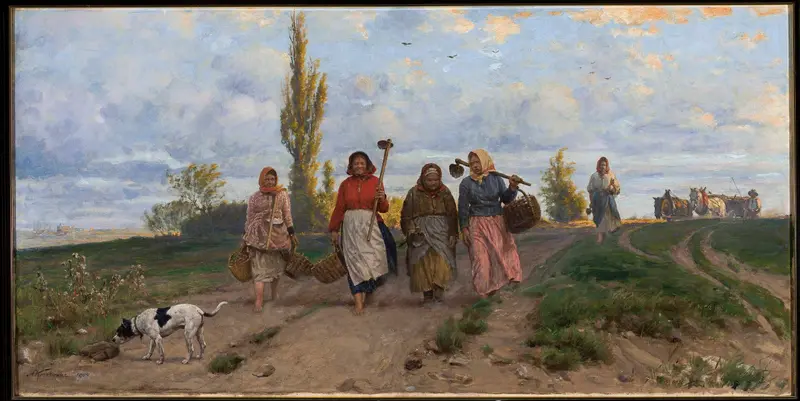
Women returning from the fields
Antoni Kozakiewicz
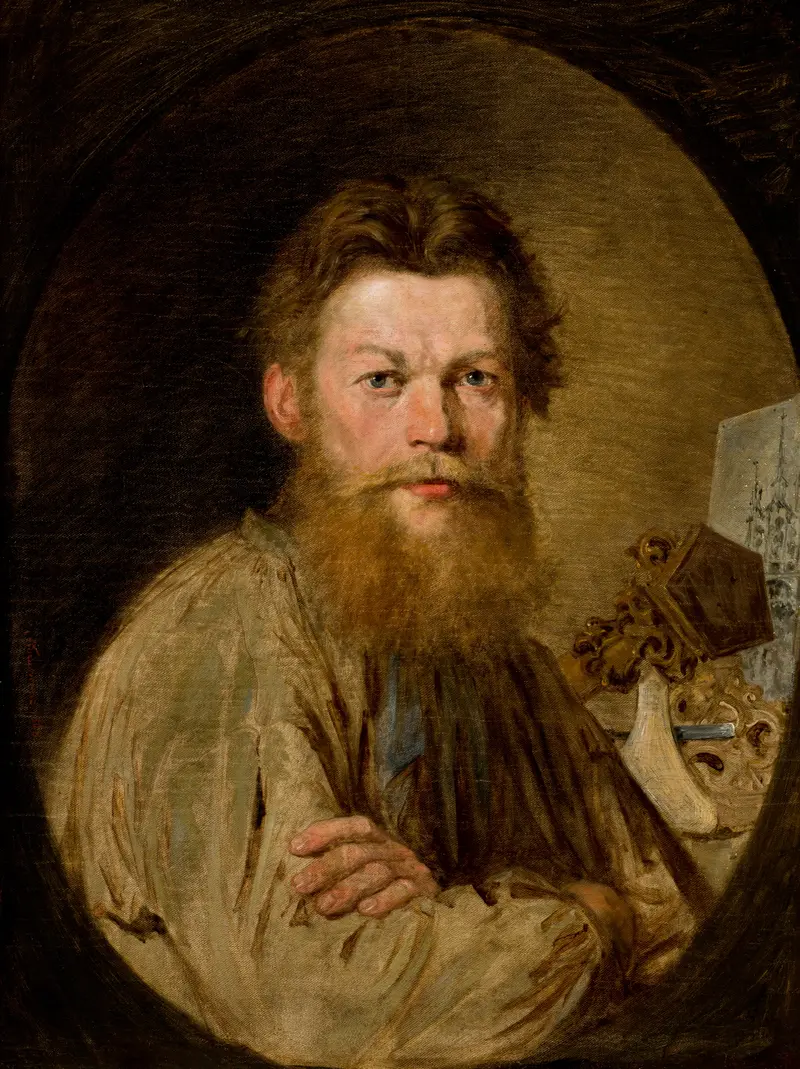
Portrait of Sculptor Kazimierz Wakulski
Antoni Kozakiewicz
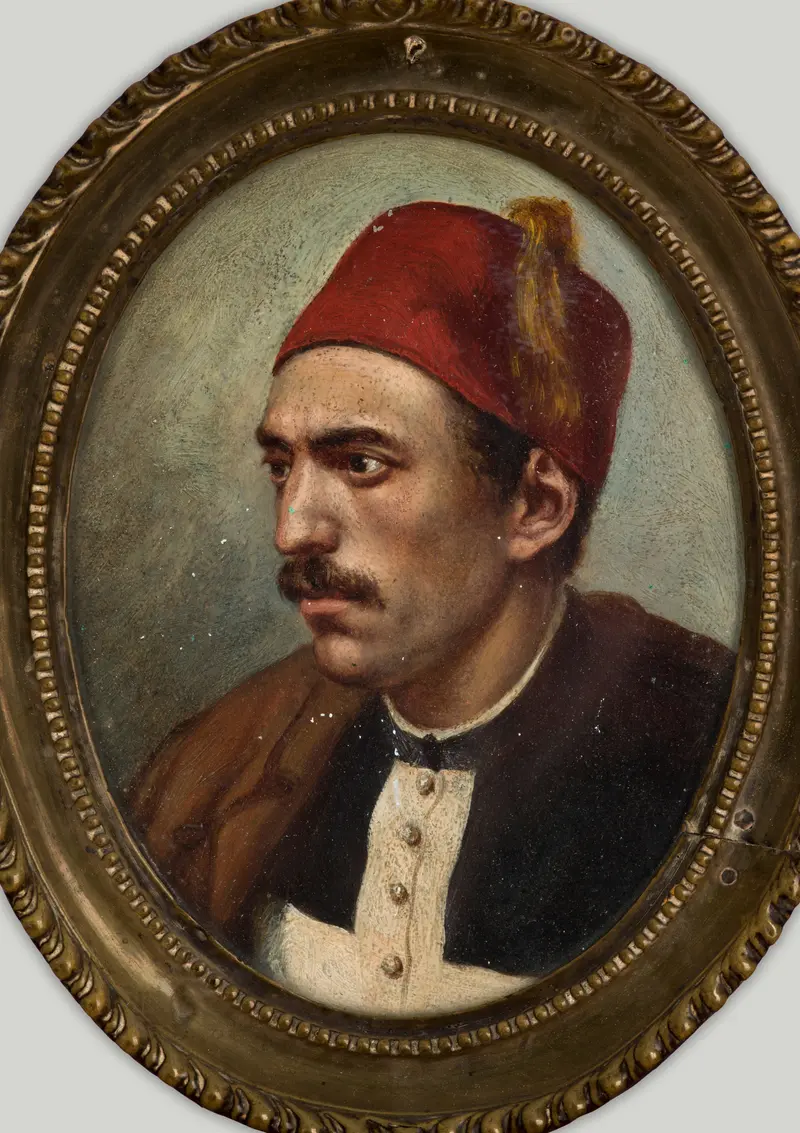
Portrait of General François de Rochebrune
Antoni Kozakiewicz
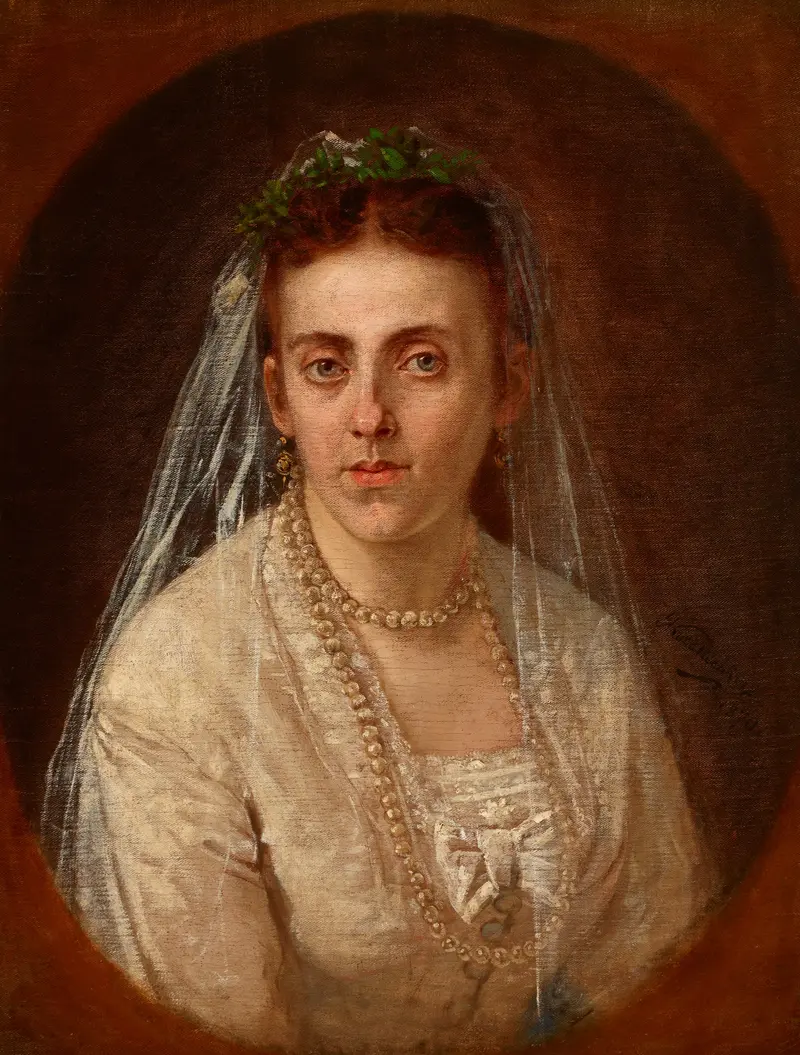
Portrait of Sydonia Wakulska
Antoni Kozakiewicz
Bad omen
Antoni Kozakiewicz
More Genre Scene Art

Banquet of the Officers of the St George Civic Guard
Frans Hals

Rembrandt and Saskia in the Scene of the Prodigal Son
Rembrandt van Rijn

Bal du moulin de la Galette
Pierre-Auguste Renoir

Quadrille at the Moulin Rouge
Henri de Toulouse-Lautrec

A Burial at Ornans
Gustave Courbet

When Will You Marry?
Paul Gauguin