
Portrait of a Young Woman, said to be Gabrielle de Caraman, Marquise de la Fare — History & Facts
When Portrait of a Young Woman, said to be Gabrielle de Caraman, Marquise de la Fare was first attributed to Jean-Honoré Fragonard, it stirred debate among scholars who noted its striking departure from his more exuberant, playful scenes. Unlike his famous fantasy portraits, this work presents a sitter whose identity remains uncertain, despite the traditional association with Gabrielle de Caraman. The question of who she truly was lingers, as no contemporary documentation confirms the name inscribed later on the frame.
This mystery has become part of the painting’s allure, drawing viewers into the world of 18th-century portraiture and its shifting conventions. The young woman meets our gaze with a quiet confidence, her features softly illuminated against a muted background. She wears a simple dress, adorned with delicate lace and a string of pearls—symbols of refinement, yet understated compared to the opulence seen in other portraits of the period. Fragonard’s brushwork is lively, especially in the rendering of her hair and the subtle blush on her cheeks, suggesting both immediacy and intimacy.
Unlike the formal, distant air of Élisabeth Vigée Le Brun’s aristocratic sitters, this portrait feels closer, more personal, as if the artist and subject shared a private understanding. The light draws attention to her thoughtful expression, inviting speculation about her inner life. Little is known about the early history of this painting, including its original commission or the precise circumstances of its creation. It likely remained in private hands for much of its existence, passed down through families who cherished its charm.
Only in the 20th century did it emerge in public collections, where its attribution to Fragonard was debated and gradually accepted by leading experts. Today, the portrait stands as a testament to the artist’s versatility, revealing a quieter, more introspective side of Fragonard that contrasts with his celebrated scenes of flirtation and fête galante. Its presence in museum galleries continues to provoke questions about identity, authorship, and the enduring power of a painted gaze.
More Artworks by Jean-Honoré Fragonard
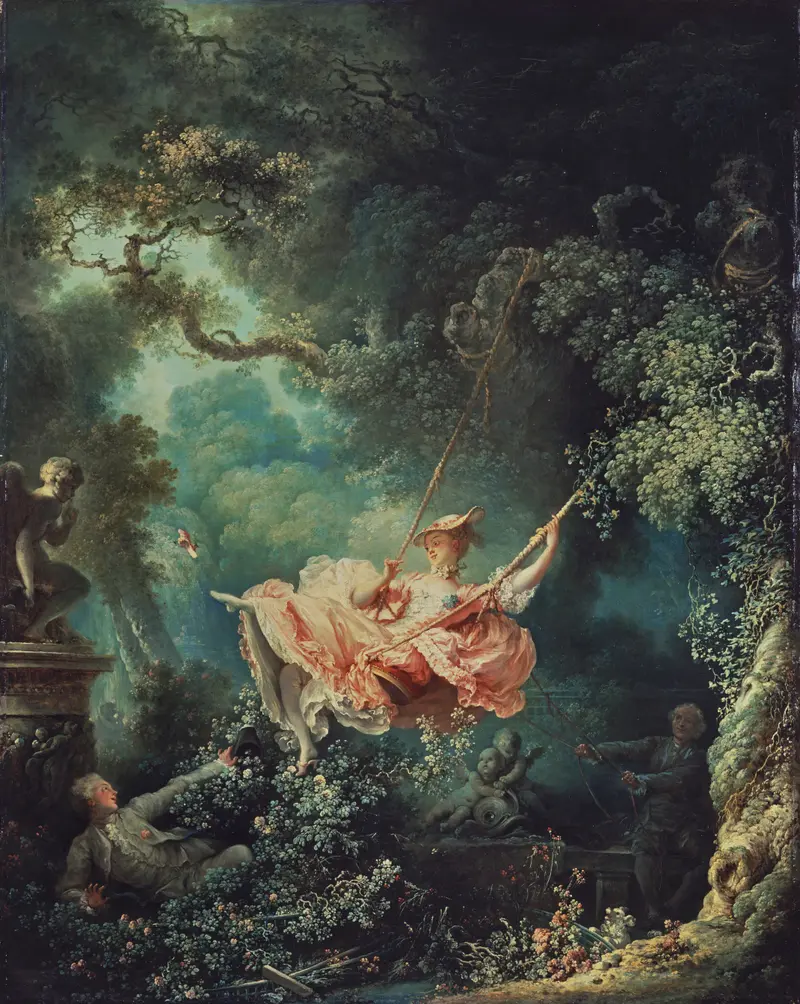
The Swing
Jean-Honoré Fragonard

The Swing
Jean-Honoré Fragonard
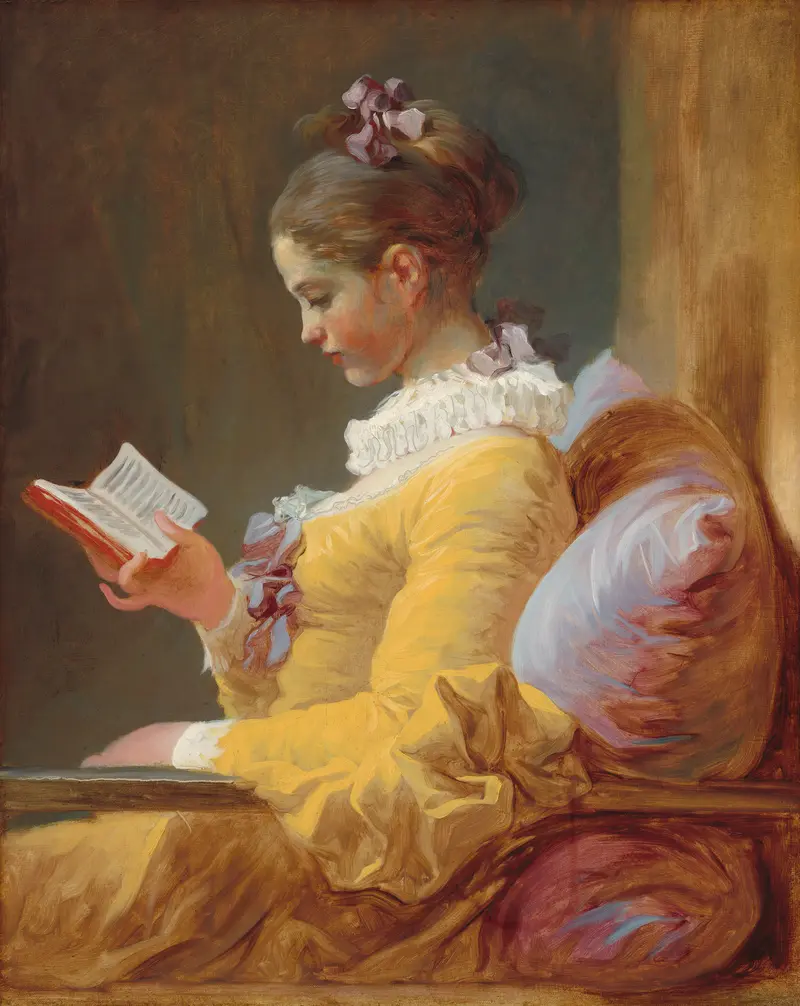
A Young Girl Reading
Jean-Honoré Fragonard
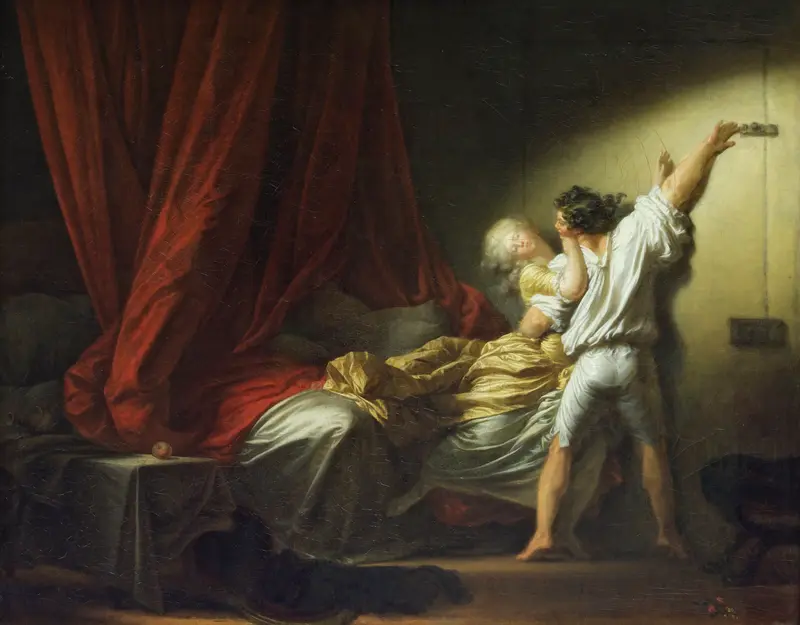
The Lock
Jean-Honoré Fragonard
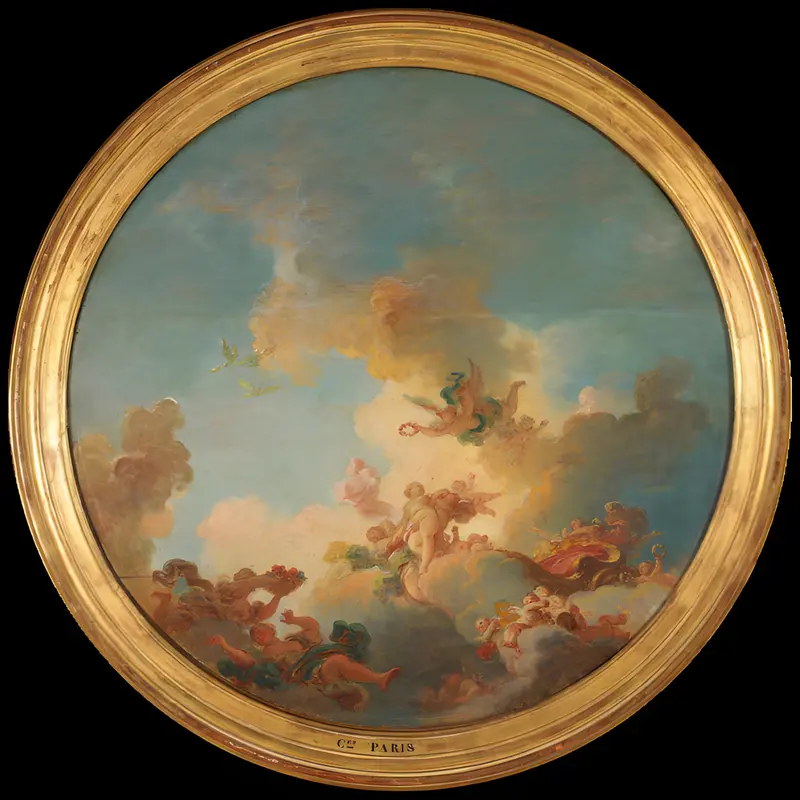
The Triumph of Venus
Jean-Honoré Fragonard
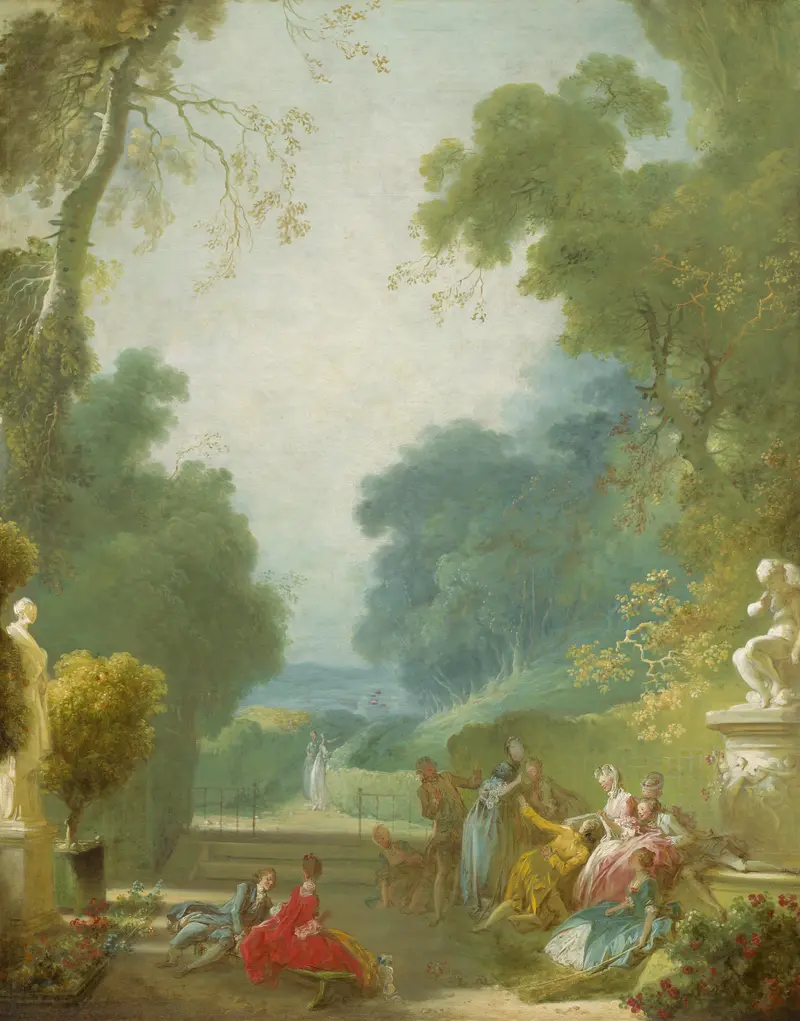
A Game of Hot Cockles
Jean-Honoré Fragonard
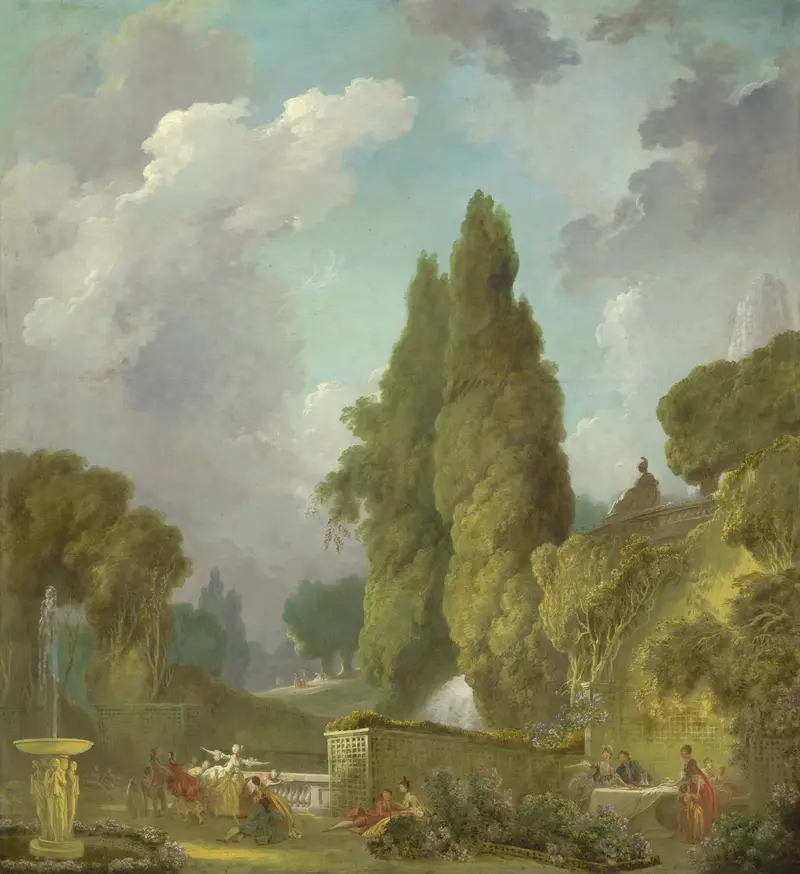
Blindman’s Buff
Jean-Honoré Fragonard
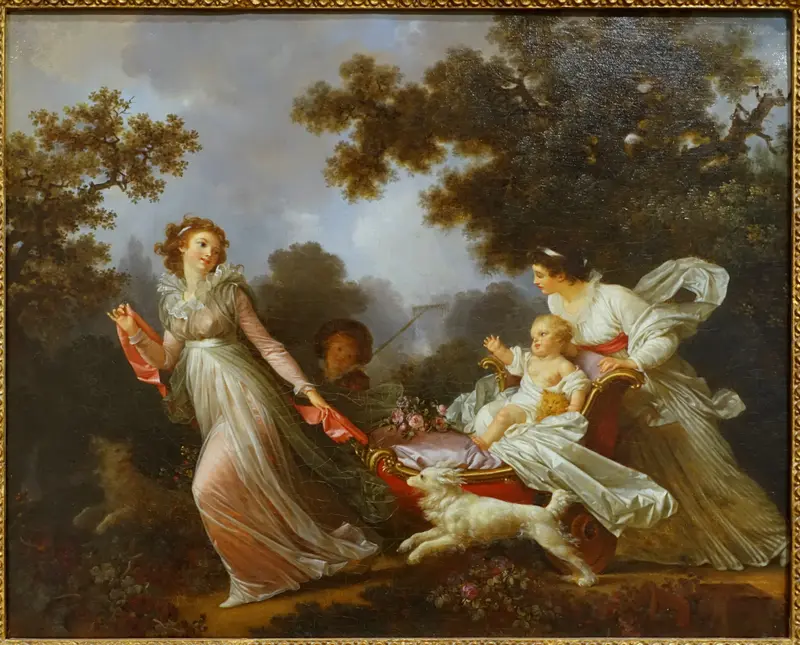
The Beloved Child
Jean-Honoré Fragonard
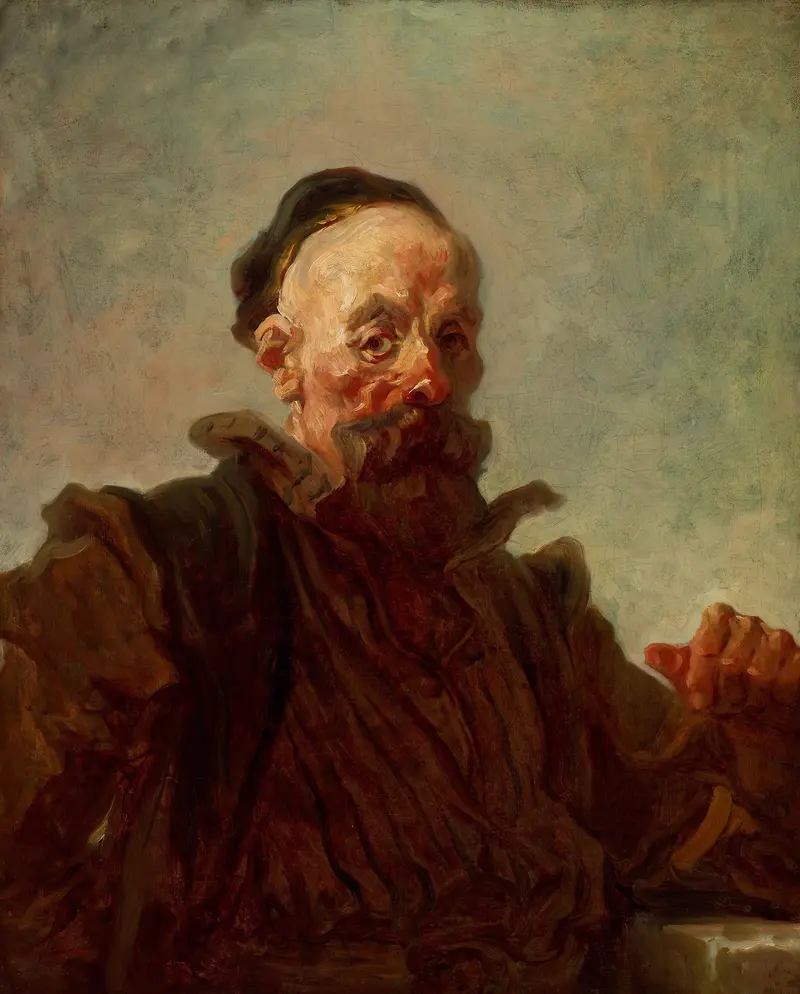
Portrait of a Man in Costume
Jean-Honoré Fragonard
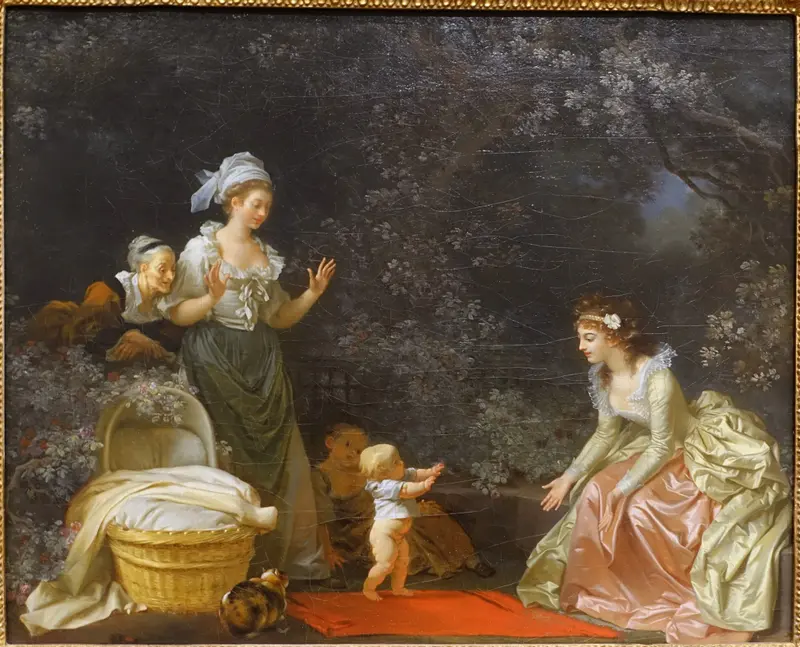
The First Steps
Jean-Honoré Fragonard





