
Portrait of Alof de Wignacourt and his Page — History & Facts
When Caravaggio arrived in Malta in 1607, he found himself in the company of knights and intrigue, but also under the protection of Grand Master Alof de Wignacourt, who commissioned this portrait to assert his authority and modernize his image. The painting was not just a likeness, but a calculated piece of propaganda: Wignacourt, head of the Knights of Malta, wanted to be seen as both a pious leader and a worldly prince. The inclusion of a page—a young attendant—was unusual, signaling Wignacourt’s wealth and cosmopolitan court.
This dual portrait was so striking that it became the talk of Malta’s elite, and soon after, Caravaggio’s dramatic style would influence portraiture across Europe. In the painting, Wignacourt stands armored and alert, his gaze direct, his hand resting on the hilt of his sword. The page, dressed in black and white, looks out with youthful curiosity, holding the Grand Master’s helmet. The chain and cross of the Order gleam on Wignacourt’s chest, underscoring his authority, while the deep shadows and sharp light—Caravaggio’s trademark—lend the figures a sense of immediacy and presence.
Unlike the more static and distant portraits of leaders by Titian, here Caravaggio brings us close, making us feel the tension between power and vulnerability, age and youth. The composition speaks of a world where loyalty is personal, and status is performed for all to see. After its completion, Portrait of Alof de Wignacourt and his Page remained in Malta, a prized possession of the Order. Over centuries, the painting survived the island’s sieges and political upheavals, though its authorship was occasionally questioned due to Caravaggio’s tumultuous life and the presence of studio copies.
Today, it hangs in the Louvre, a testament to Caravaggio’s brief but transformative Maltese period. The work marks a turning point in his career: here, the artist fused psychological insight with the grandeur of official portraiture, leaving an indelible mark on European art.
More Artworks by Caravaggio
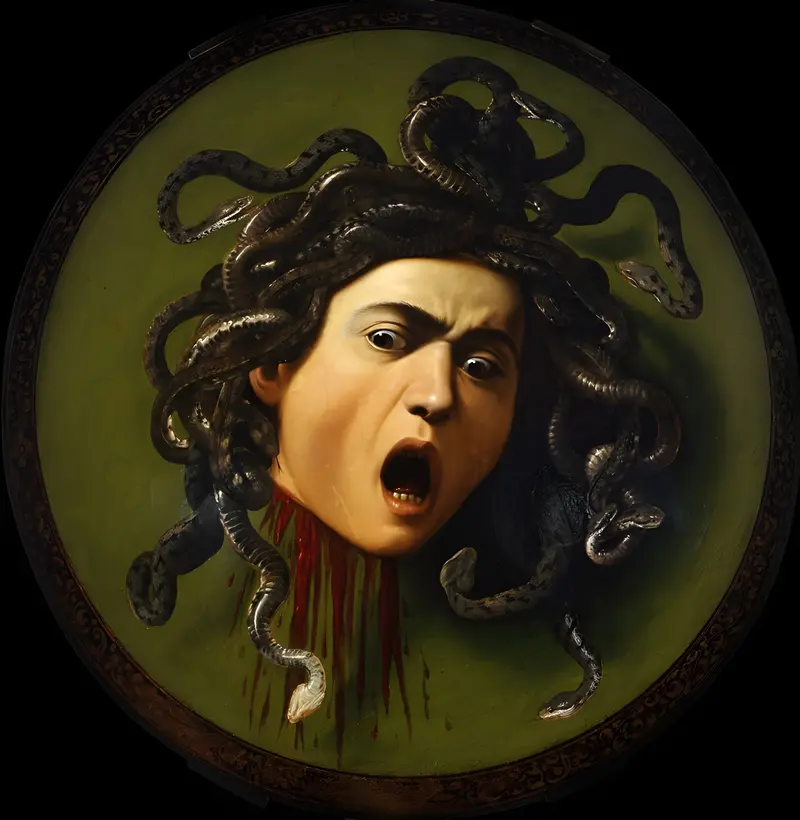
Medusa
Caravaggio
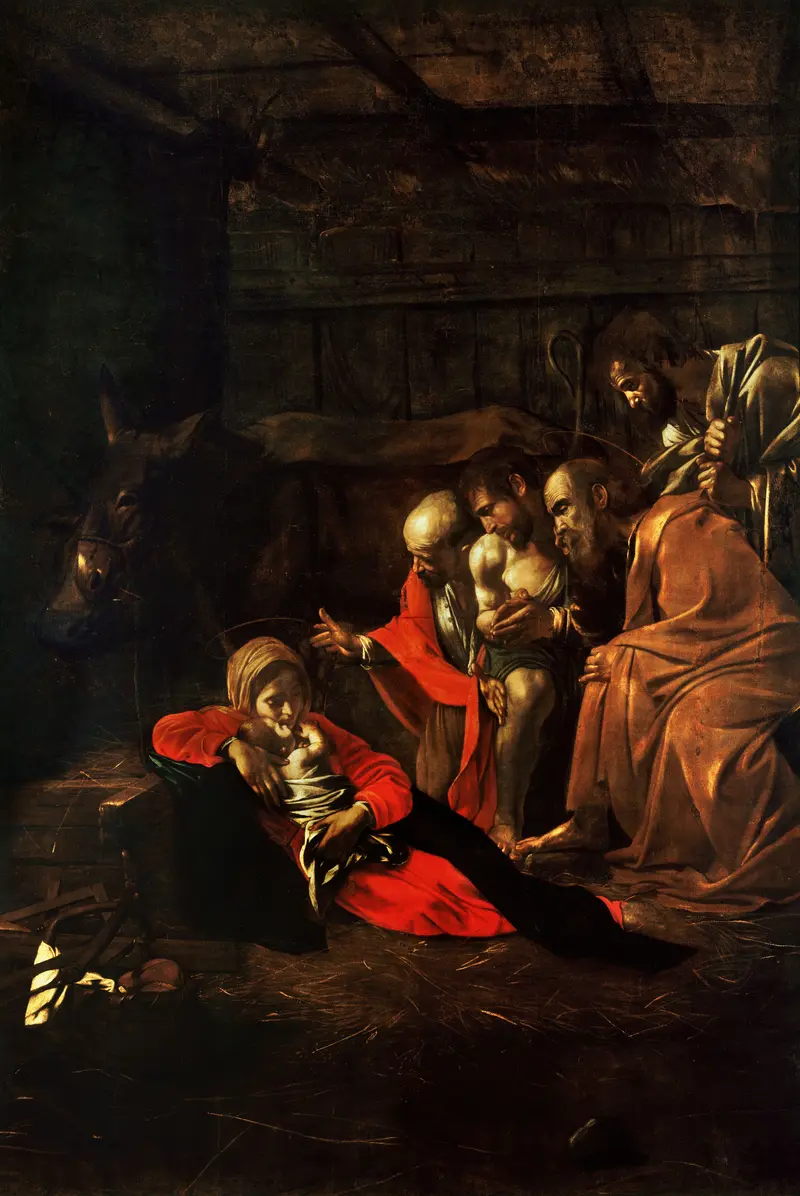
Adoration of the Shepherds
Caravaggio
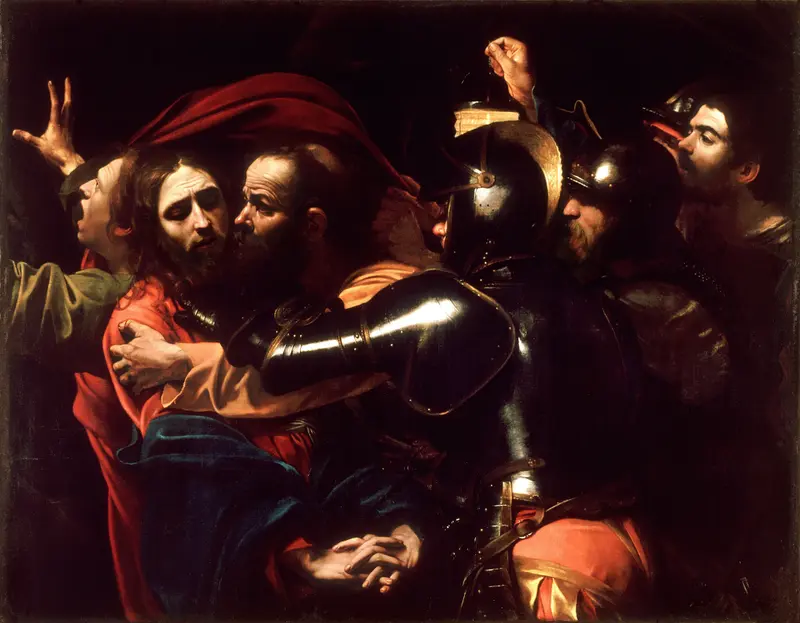
The Taking of Christ
Caravaggio
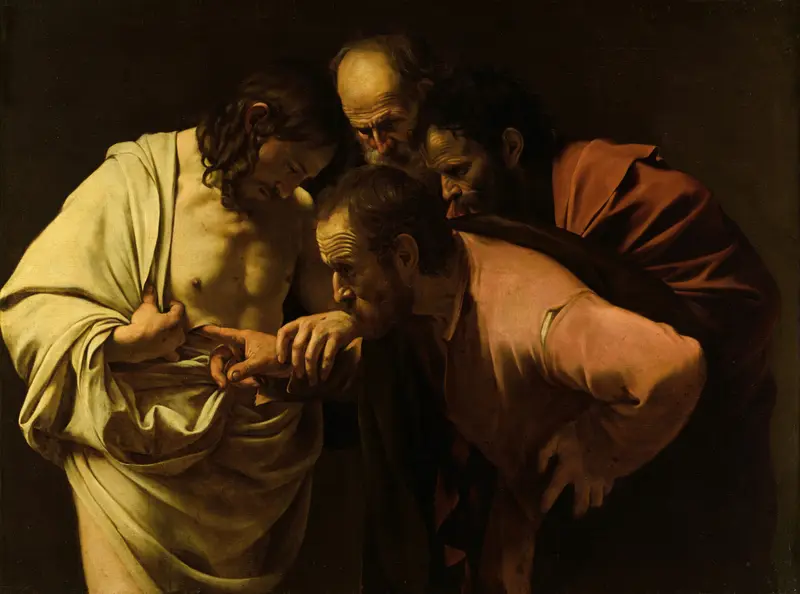
The Incredulity of Saint Thomas
Caravaggio
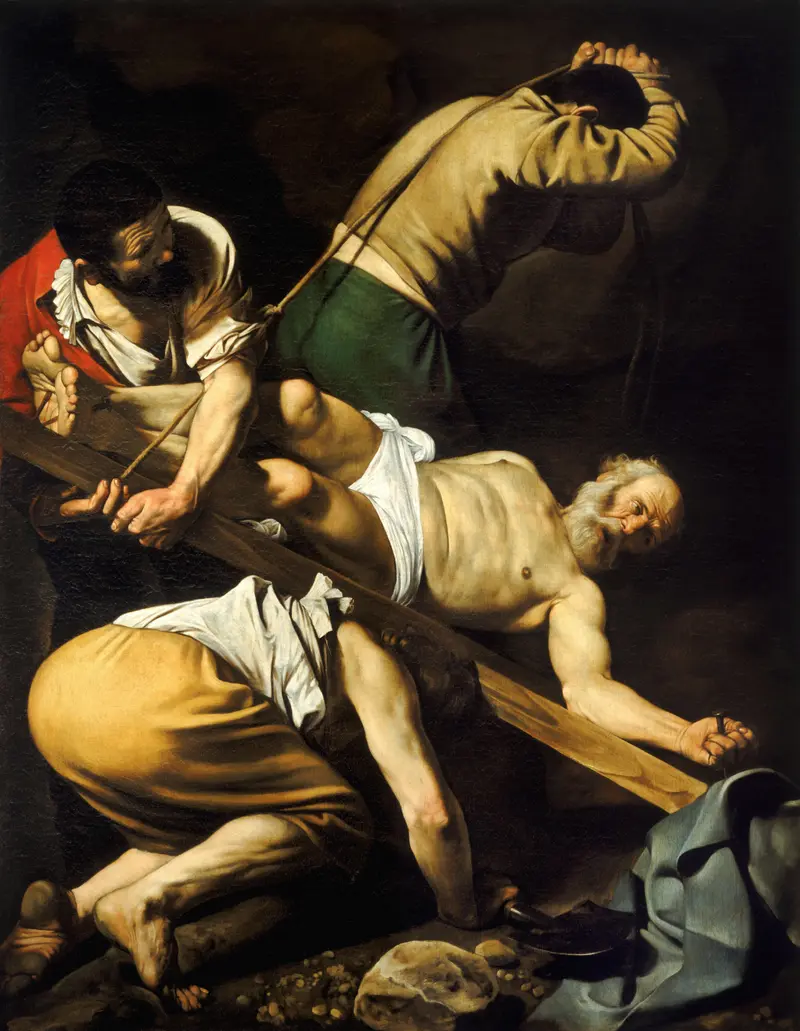
Crucifixion of Saint Peter
Caravaggio
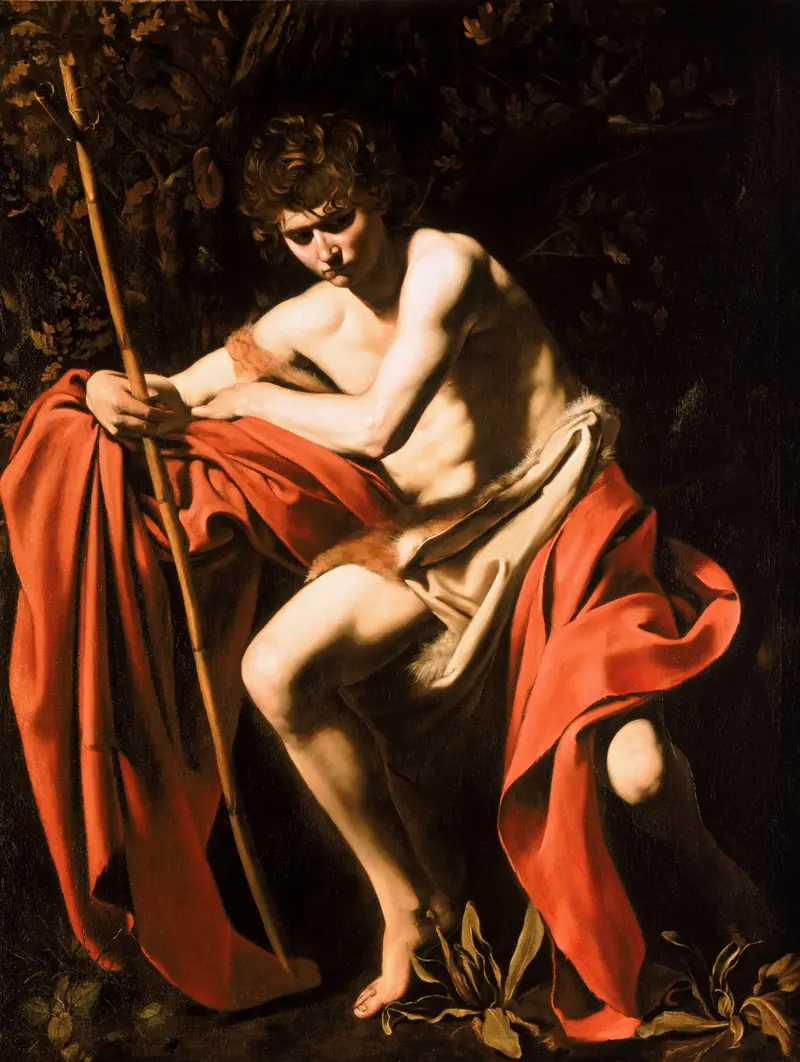
Saint John The Baptist In The Wilderness
Caravaggio

Saint Matthew and the angel
Caravaggio
The Inspiration of Saint Matthew
Caravaggio

Conversion on the Way to Damascus
Caravaggio
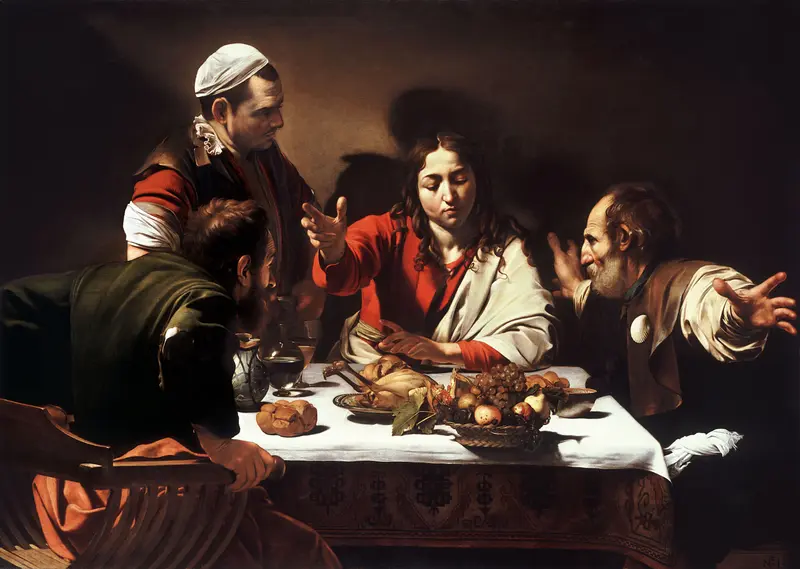
Supper at Emmaus
Caravaggio





