
Portrait of an old woman — History & Facts
When Portrait of an old woman was first unveiled in 1633, it was immediately recognized for its unflinching realism—a hallmark of Frans Hals’s mature style. Unlike many of his contemporaries, Hals was known for capturing not just the likeness, but the living presence of his sitters, regardless of their age or social standing. This painting, one of several late-life portraits by Hals, stands out for its subject’s advanced age and the dignity with which she is rendered, at a time when old age was rarely commemorated in such a direct and honest way.
The sitter’s identity remains uncertain, sparking ongoing debate among scholars about whether she was a prominent Haarlem citizen or a relative of the artist himself. The old woman sits upright, her hands folded in her lap, eyes meeting the viewer with calm fortitude. Her white cap and austere black dress, trimmed with a delicate lace collar, speak to her probable status as a respectable widow in 17th-century Dutch society. The soft, flickering brushwork—so different from the smooth finish of Rembrandt or the idealized faces of Van Dyck—gives her flesh a sense of immediacy and vulnerability.
The light falls gently across her face, illuminating wrinkles and the faintest suggestion of a smile, suggesting both the hardships and the wisdom of a long life. Unlike the formal, almost regal presentation in Rembrandt’s Portrait of Aeltje Uylenburgh, Hals offers a more intimate, almost conversational encounter. The painting’s early provenance is obscure, typical for many of Hals’s portraits, which often remained in family collections for generations before entering the art market. It was not until the 19th century that Portrait of an old woman gained wider recognition, as interest in Hals’s loose technique and psychological insight grew among collectors and critics.
Today, the work is celebrated as a key example of Hals’s late period, when his brushwork became more expressive and his subjects more introspective. The painting now hangs in a major European museum, a testament to the enduring fascination with Hals’s ability to capture the spirit of ordinary lives in extraordinary detail.
More Artworks by Frans Hals

Banquet of the Officers of the St George Civic Guard
Frans Hals

Portrait of Jacob Pietersz Olycan (1596-1638)
Frans Hals

Laughing Cavalier
Frans Hals

Militia Company of District XI under the Command of Captain Reynier Reael, Known as ‘The Meagre Company’
Frans Hals

Regentesses of the Old Men's Alms House
Frans Hals
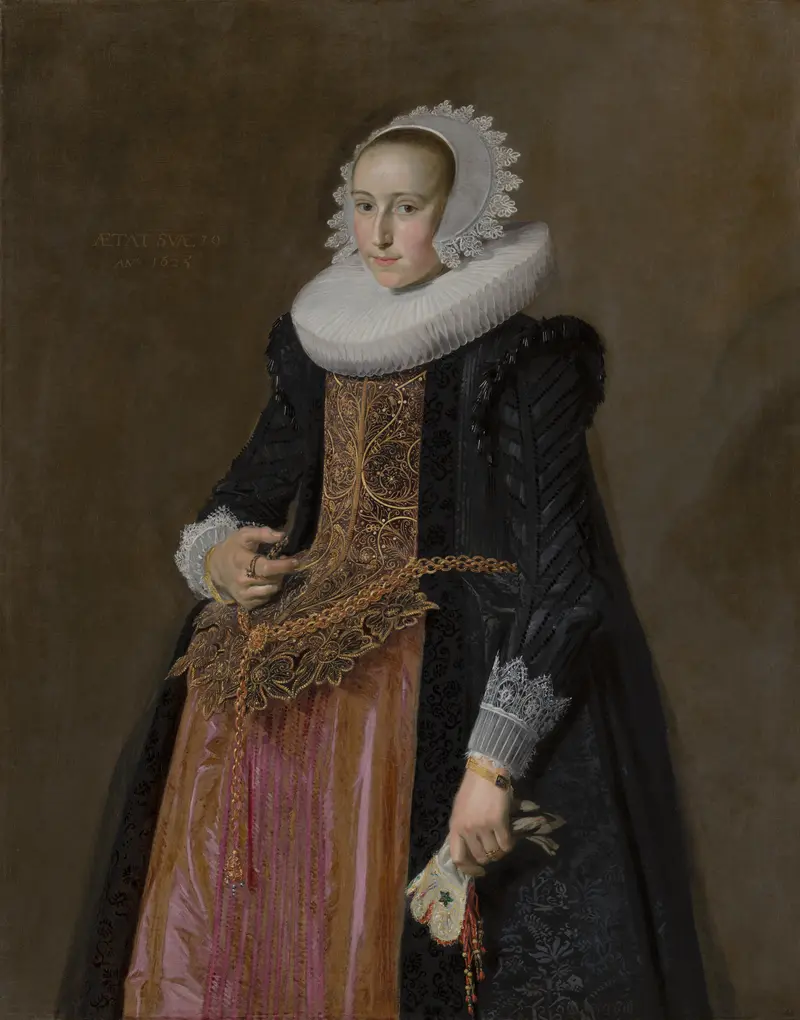
Portrait of Aletta Hanemans (1606–1653)
Frans Hals

Portrait of a Married Couple, Likely Isaac Abrahamsz Massa and Beatrix van der Laen
Frans Hals
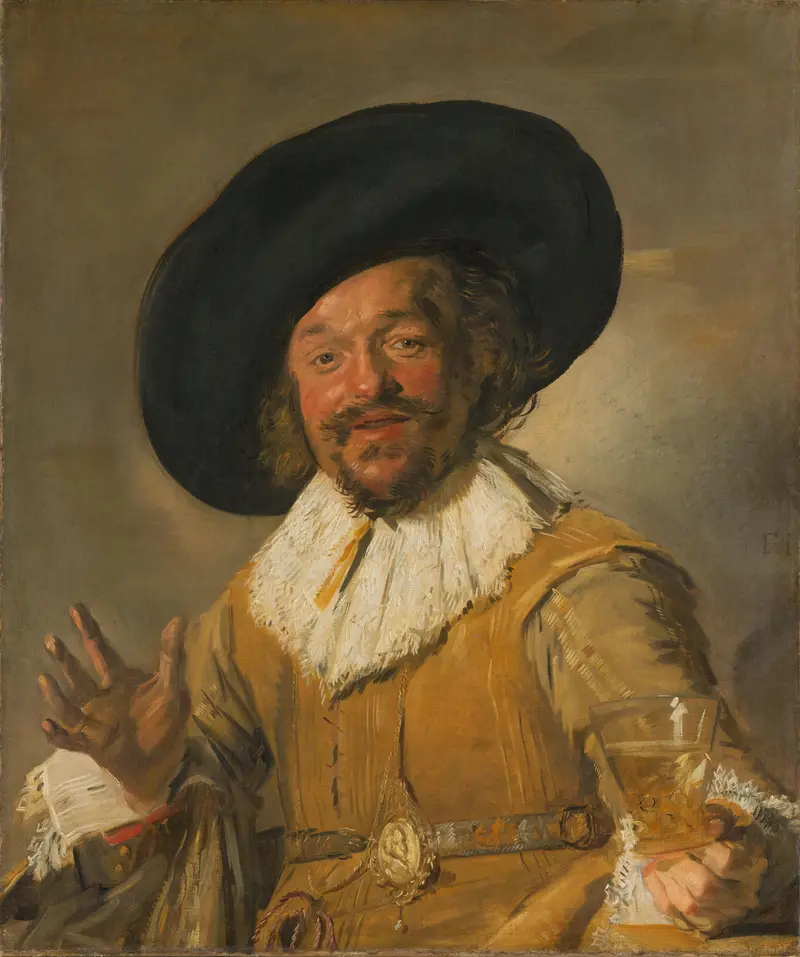
The Merry Drinker
Frans Hals

Portrait of Paulus Verschuur
Frans Hals

Portrait of Pieter van den Broecke
Frans Hals





