
Portrait of Augusto Fratelli — History & Facts
What first draws the eye in Portrait of Augusto Fratelli is the quiet alertness in the sitter’s gaze—a look that seems to catch a thought mid-flight, as if someone has just called his name from the edge of the frame. The painter, Arnold Böcklin, chooses a moment of stillness that is anything but static: the head turned slightly away, the eyes set just off-center, suggesting a world beyond the canvas. The soft, almost smoky handling of the background throws the sharply modeled face into relief, while the warm brown of the jacket and the flash of a red tie anchor the figure in a sober, modern dignity.
Every detail is purposeful: the crisp white collar, the careful grooming of the mustache, the subtle play of light across the brow. Created in 1864, this portrait belongs to a period when artists across Europe were rethinking what a likeness could be. Rather than the grand, formal poses of earlier decades, portraits like this one—commissioned for family, friendship, or professional pride—sought to capture the sitter’s inner life as much as their outward appearance. In the German-speaking world, the 1860s were years of political and artistic ferment, and even a modest portrait could signal ambition, intellect, or belonging.
Today, Portrait of Augusto Fratelli resides in the Hamburger Kunsthalle, its quiet confidence a reminder that history has kept few traces of some lives, but the painted face can still speak across centuries.
More Artworks by Arnold Böcklin

Die Toteninsel III
Arnold Böcklin
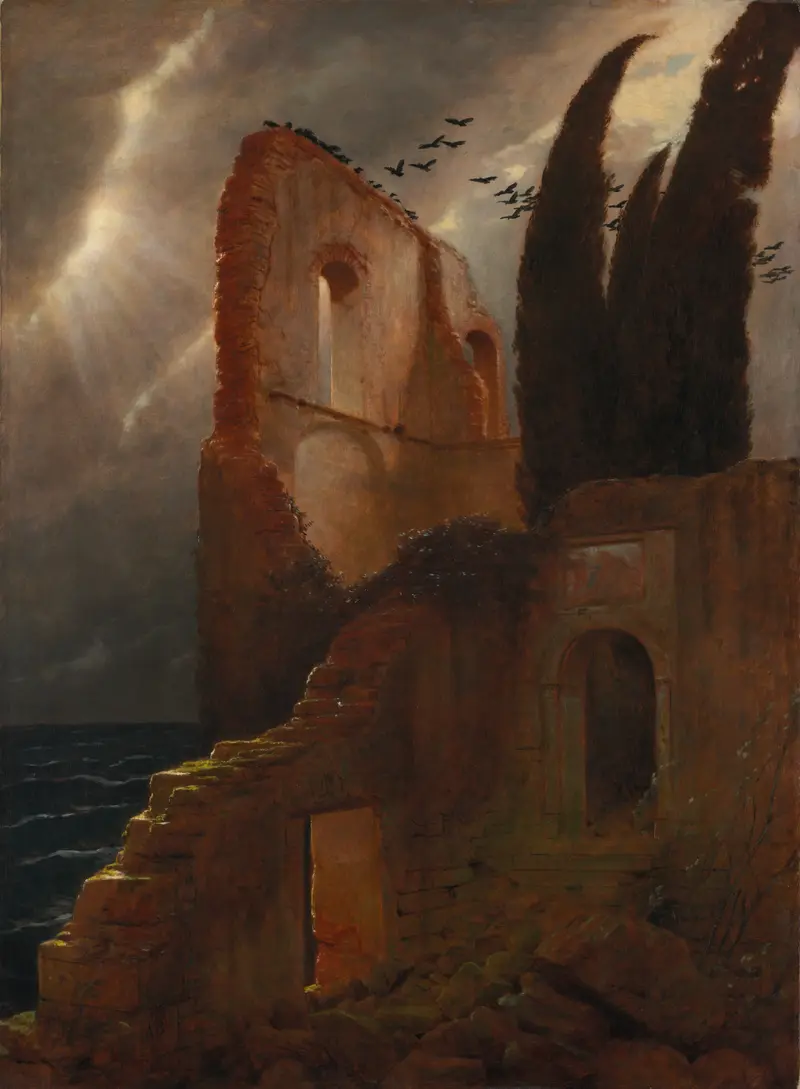
Ruin by the Sea
Arnold Böcklin
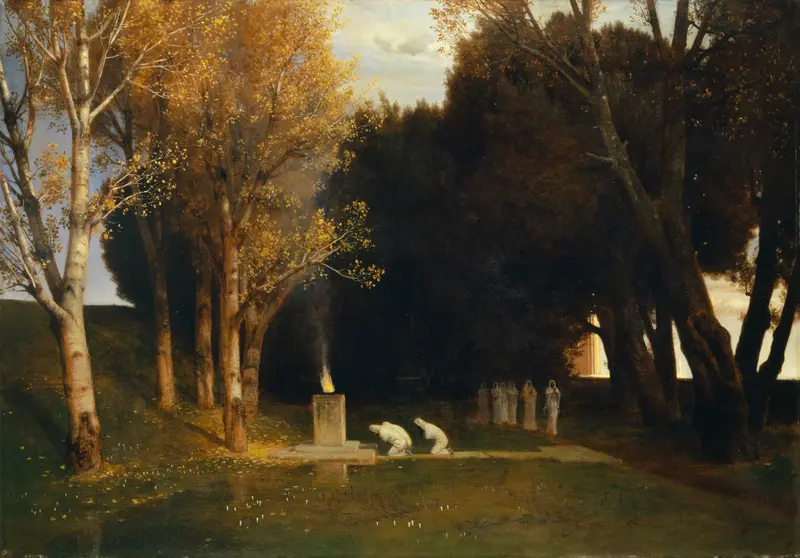
The Sacred Grove
Arnold Böcklin
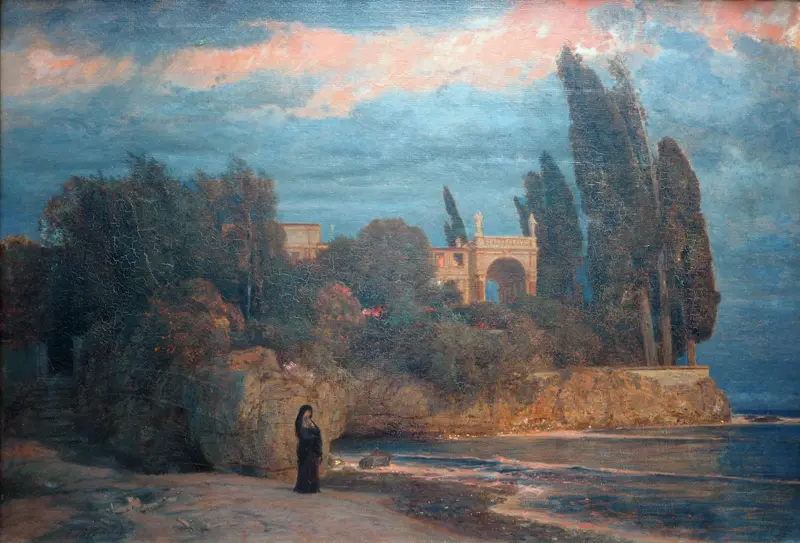
Villa by the Sea
Arnold Böcklin
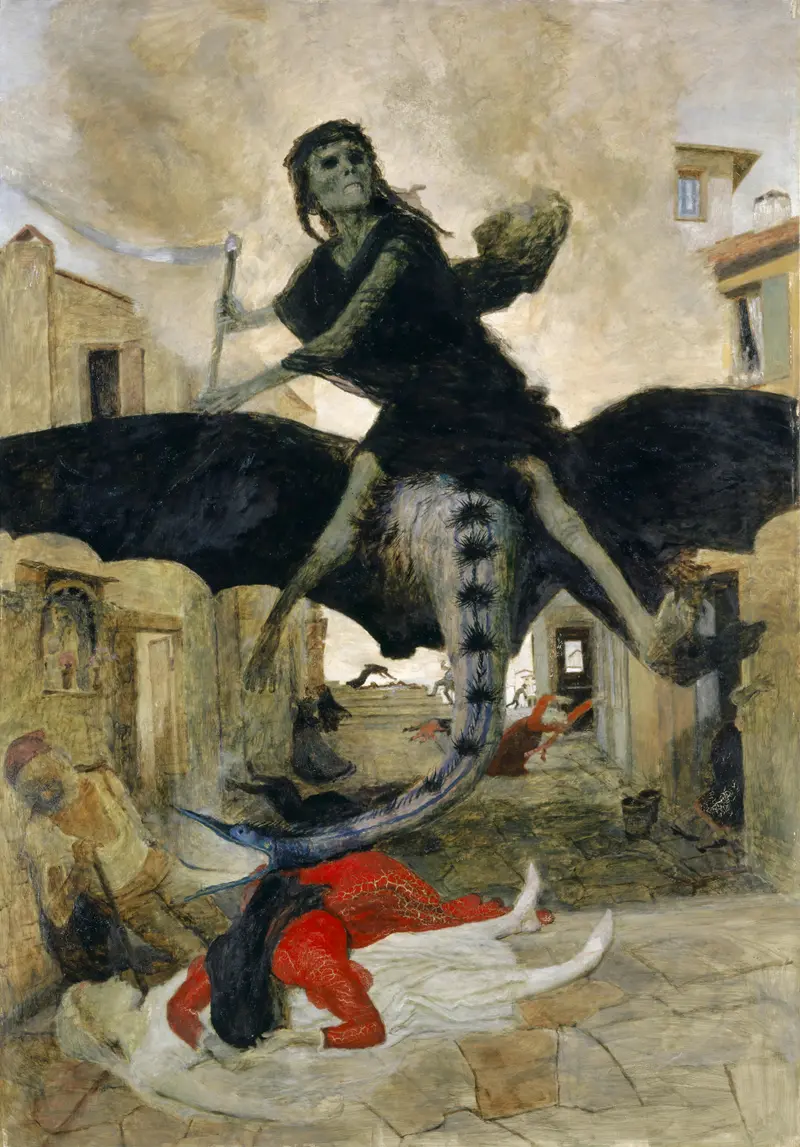
The Plague
Arnold Böcklin
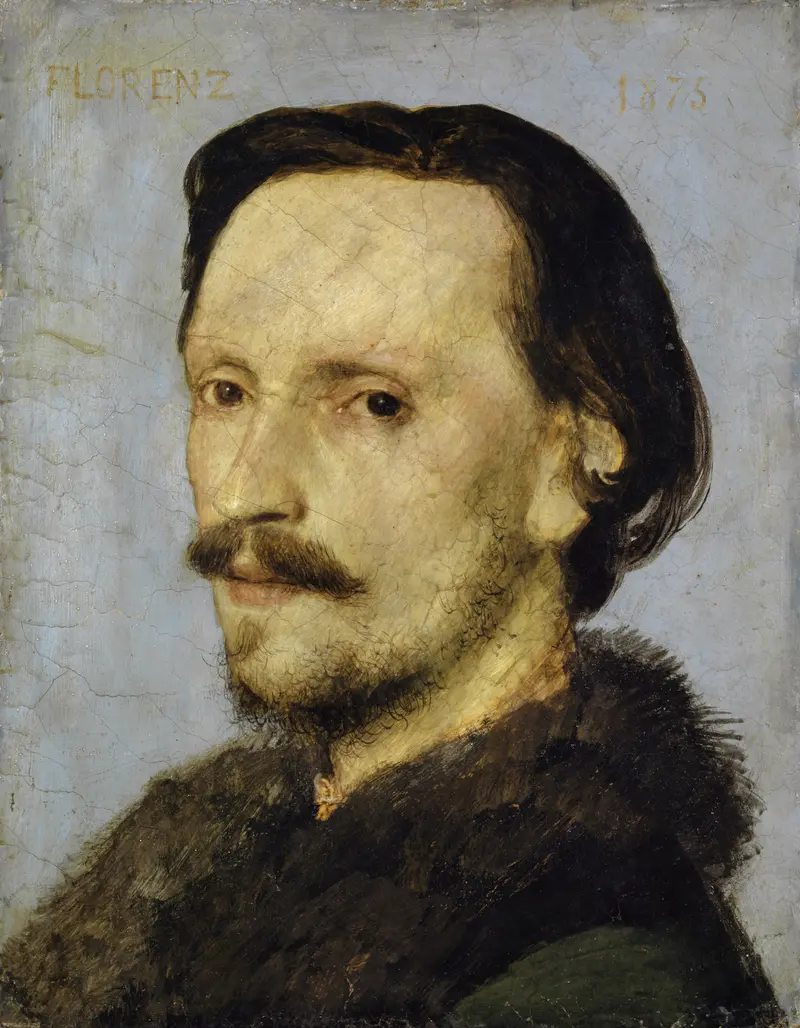
Böcklin Bildnis des Kunsthistorikers Adolph Bayersdorfer, 1875
Arnold Böcklin
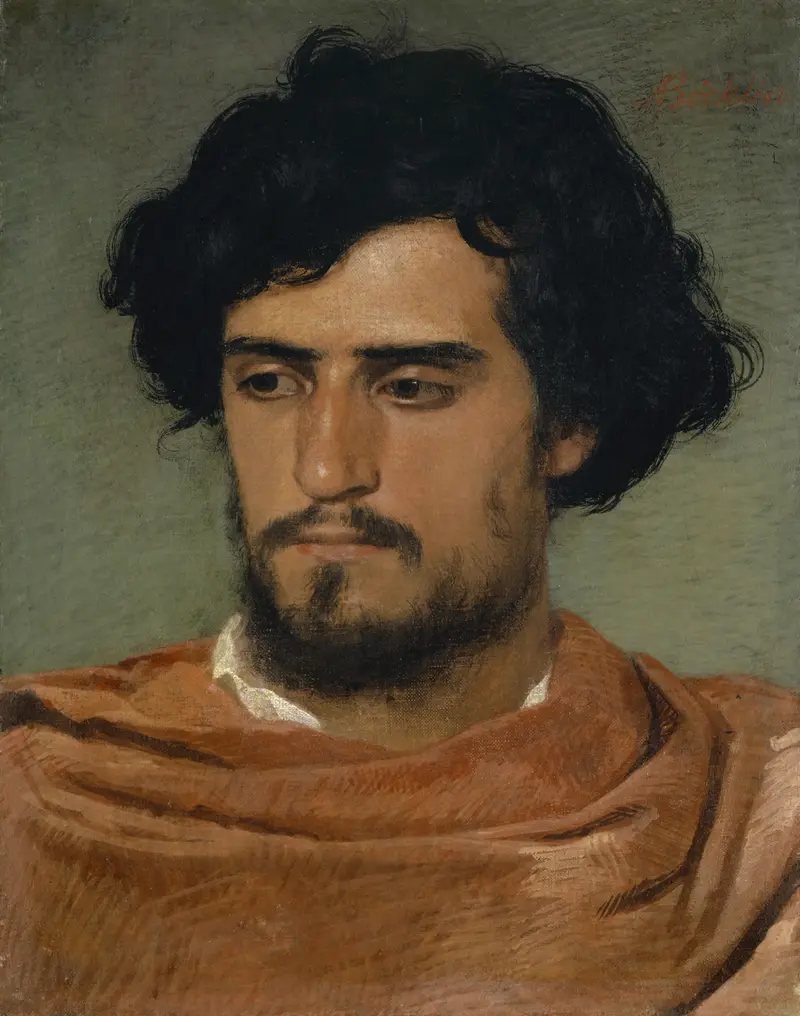
Head of a Roman
Arnold Böcklin
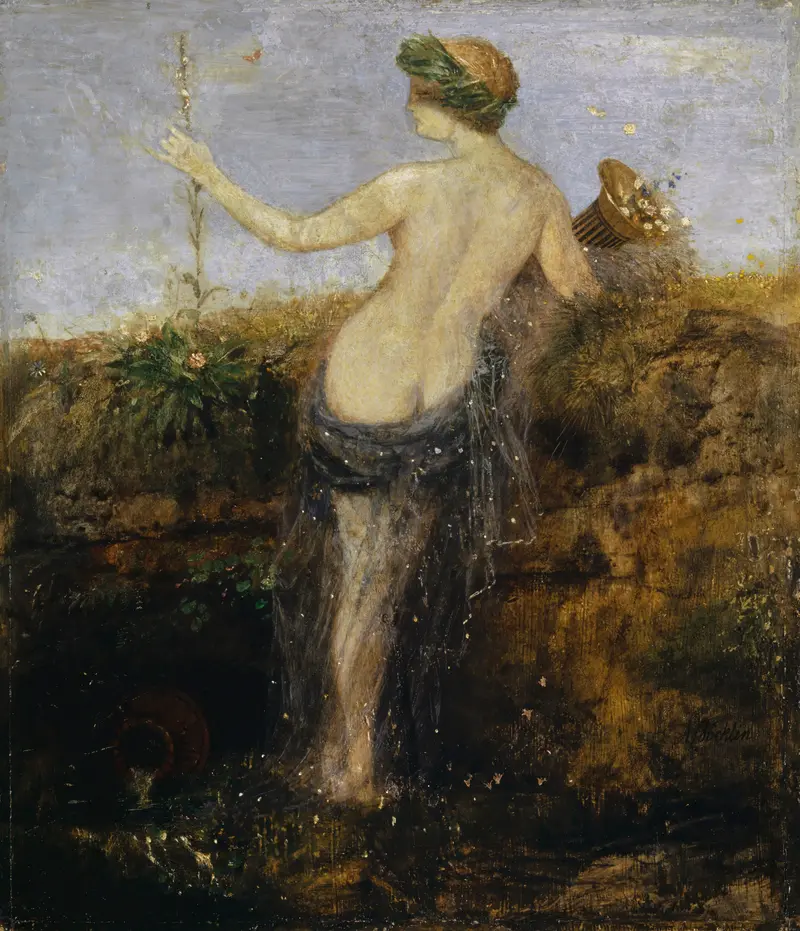
Nymphe with Horn of Plenty
Arnold Böcklin
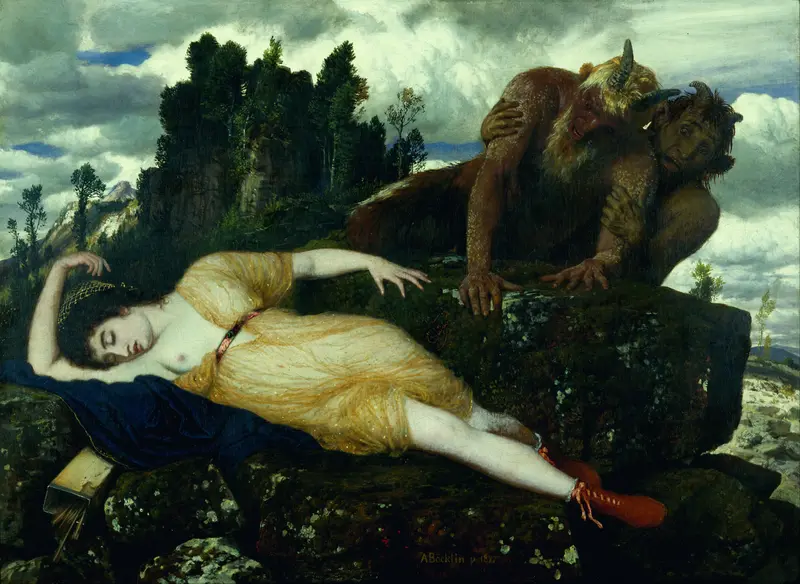
Sleeping Diana Watched by Two Fauns
Arnold Böcklin
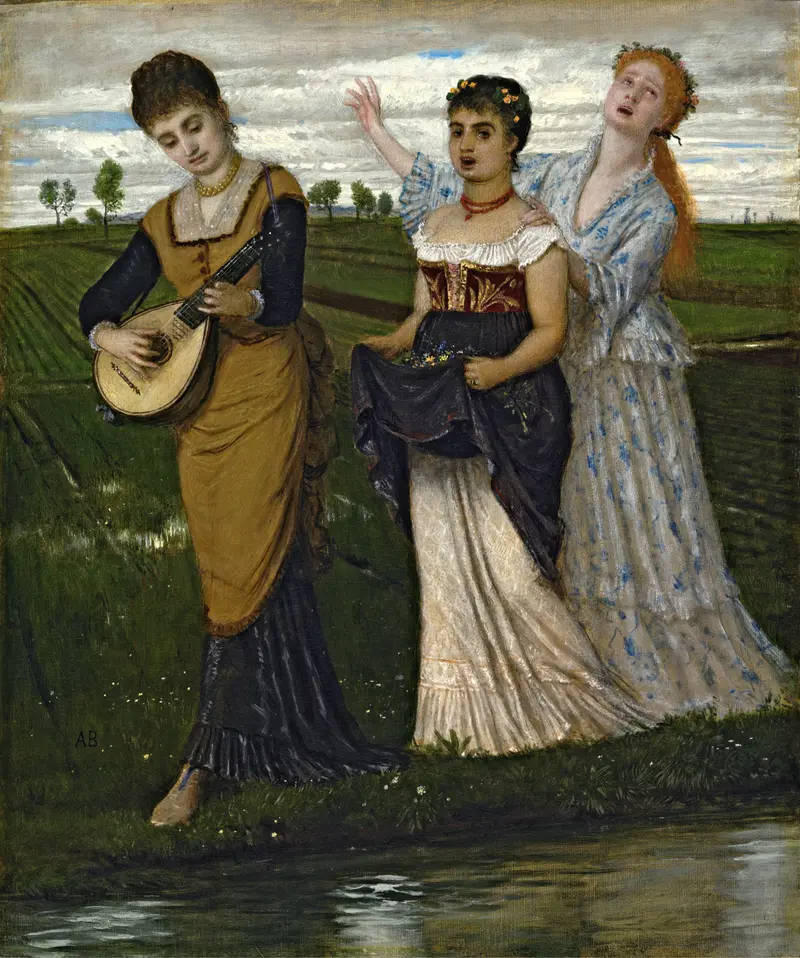
Spring (Songs of Spring)
Arnold Böcklin





