
Portrait of Conrad Vietor — History & Facts
In 1644, Frans Hals painted Portrait of Conrad Vietor at the request of the Haarlem Mennonite community, a rare commission that highlights the sitter’s unique position as a preacher who had recently survived a major schism within the church. The painting’s date is inscribed clearly, an unusual feature in Hals’s output, and records show that Vietor himself was deeply involved in the selection of his likeness. This portrait stands out among Hals’s works for its connection to a specific religious controversy: the split between conservative and liberal Mennonites in Haarlem, which reached its peak in the early 1640s.
The painting thus captures not only a man, but a moment of tension and reconciliation within Dutch religious life. Vietor sits upright, his right hand raised in a gesture of speech, as if caught mid-sermon, his gaze direct and searching. The dark, sober clothing and the plain white collar mark him as a man of faith and modesty, while the open hand suggests candor and conviction—qualities prized among Mennonite preachers. Hals’s brushwork is lively yet controlled, especially in the rendering of the sitter’s face, where the flickering highlights on the forehead and beard bring a sense of immediacy.
Unlike Rembrandt’s more introspective clergy portraits, Hals presents Vietor as a man engaged with his congregation, alert and present, the light falling across his features as if illuminating a moment of revelation. The precise journey of Portrait of Conrad Vietor after its creation is not fully documented, but it is known that the painting remained in private hands for centuries before entering a public collection. Its attribution to Frans Hals has never been seriously questioned, as the energetic brushwork and psychological acuity are hallmarks of his mature style. Today, the painting is recognized as one of Hals’s most insightful portraits of a religious figure, reflecting both the artist’s skill and the vibrant civic life of Haarlem in the Dutch Golden Age.
It stands as a testament to Hals’s ability to capture not just appearances, but the spirit of a community in flux.
More Artworks by Frans Hals

Banquet of the Officers of the St George Civic Guard
Frans Hals

Portrait of Jacob Pietersz Olycan (1596-1638)
Frans Hals

Laughing Cavalier
Frans Hals

Militia Company of District XI under the Command of Captain Reynier Reael, Known as ‘The Meagre Company’
Frans Hals

Regentesses of the Old Men's Alms House
Frans Hals
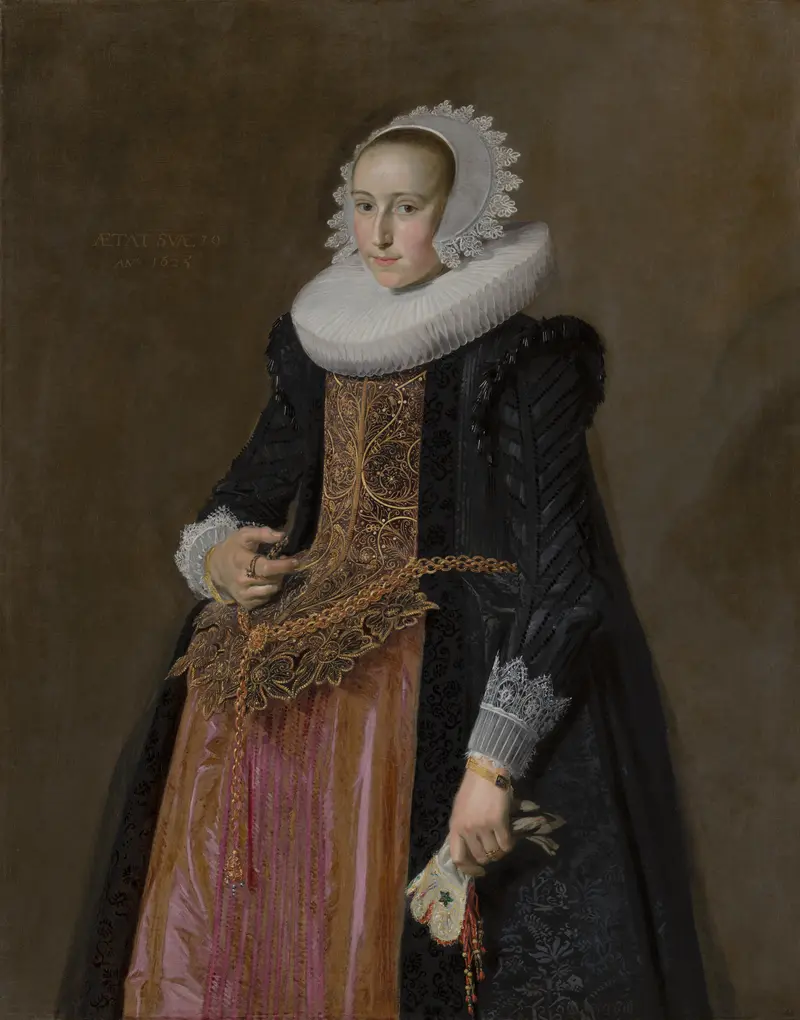
Portrait of Aletta Hanemans (1606–1653)
Frans Hals

Portrait of a Married Couple, Likely Isaac Abrahamsz Massa and Beatrix van der Laen
Frans Hals
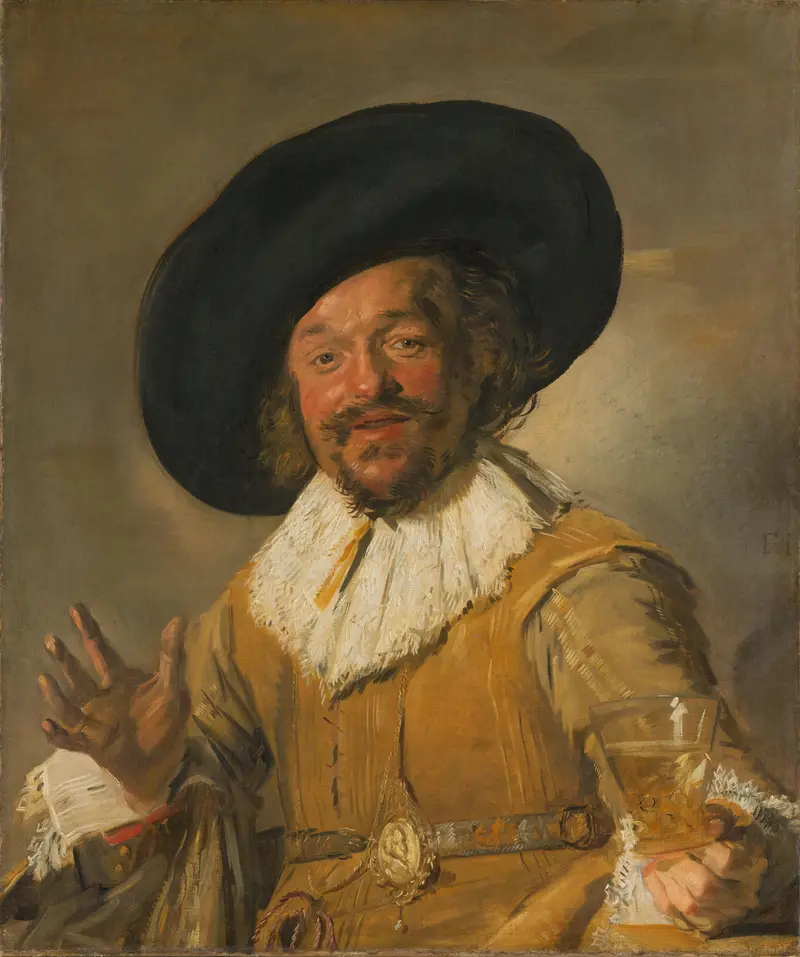
The Merry Drinker
Frans Hals

Portrait of Paulus Verschuur
Frans Hals

Portrait of Pieter van den Broecke
Frans Hals





