
Portrait of Diego Rivera — History & Facts
In 1916, the Italian painter Amedeo Modigliani captured the likeness of a fellow artist who would soon become a giant of Mexican muralism: Diego Rivera. What makes this portrait remarkable is that it marks the meeting of two titanic personalities in the Parisian avant-garde, just as the First World War was reshaping the city’s artistic landscape. Rivera, then in his late twenties, was not yet the revolutionary muralist he would become, but a young expatriate absorbing the radical ideas of Montparnasse.
This painting is one of the rare visual records of Rivera’s formative years in Europe, before his return to Mexico and his embrace of monumental public art. Modigliani’s portrait freezes Rivera in a moment of introspective calm. The sitter’s broad face, rendered with the artist’s signature elongated forms and almond-shaped eyes, projects both strength and a certain enigmatic detachment. Rivera’s heavy features are softened by Modigliani’s lyrical line, while the muted palette draws attention to the sculptural modeling of the head—a nod to Modigliani’s own fascination with African masks and archaic sculpture.
Unlike Rivera’s own later self-portraits, which bristle with political symbolism, here the focus is psychological: the slight tilt of the head, the direct but unfathomable gaze, and the simplified background all serve to isolate the sitter, inviting the viewer to contemplate the inner life of a man on the cusp of transformation. Compared to Juan Gris’s analytical Cubist portraits of the same milieu, Modigliani’s approach is more concerned with essence than with structure. The exact medium of this portrait is not clearly recorded, though Modigliani often worked in oil on canvas during this period. The painting’s early history is somewhat obscure, as is often the case with Modigliani’s Paris works, which passed through the hands of friends, patrons, and dealers amid the turbulence of the war years.
Over time, the portrait has become an important document of both artists’ intersecting paths and the cosmopolitan ferment of pre-war Paris. Today, it stands as a testament to Modigliani’s brief but prolific career, which ended with his untimely death in 1920, and to Rivera’s transformation from a student of European modernism into a leader of the Mexican Muralist movement. Its current location is not widely published, but it remains a touchstone for scholars tracing the networks of influence that shaped twentieth-century art.
More Artworks by Amedeo Modigliani
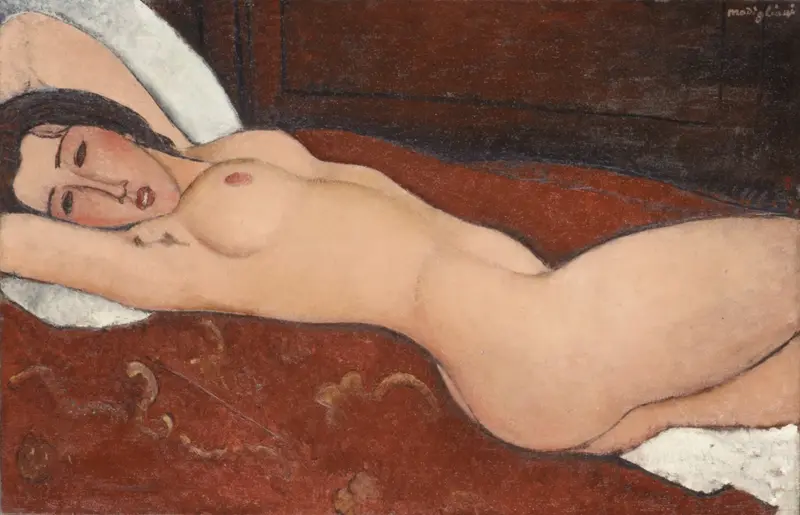
Reclining Nude
Amedeo Modigliani

Portrait Of Jeanne Hébuterne
Amedeo Modigliani

Jeanne Hébuterne
Amedeo Modigliani
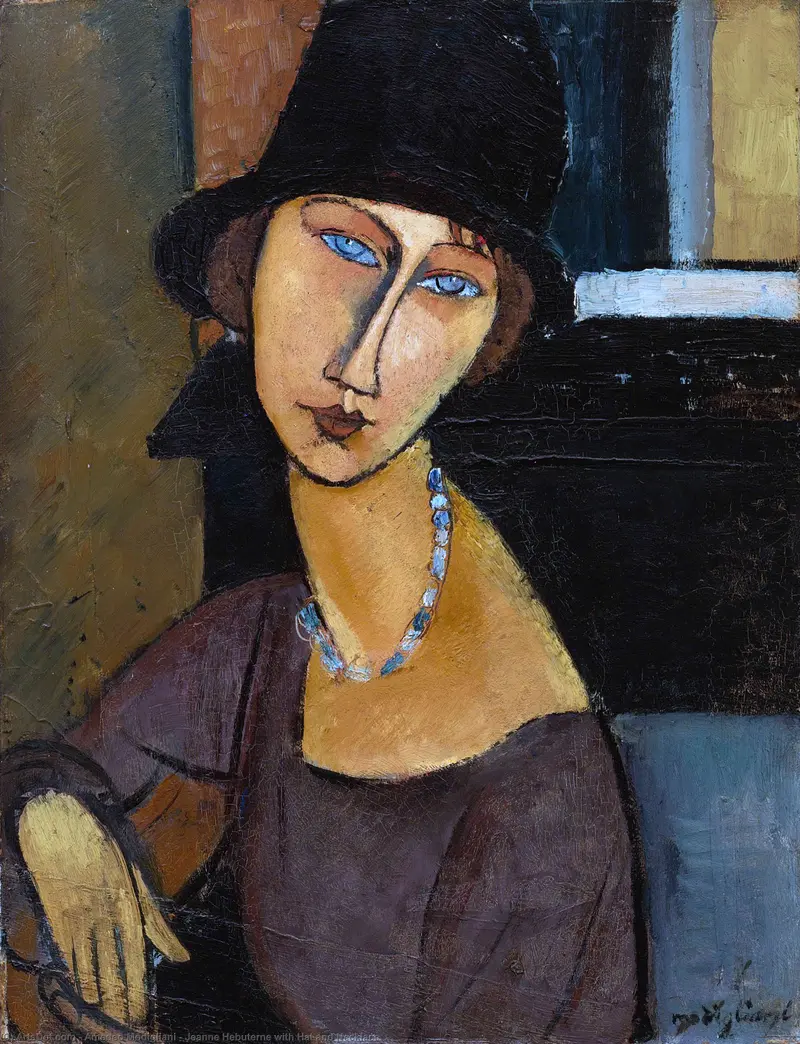
Jeanne Hébuterne with Hat and Necklace
Amedeo Modigliani
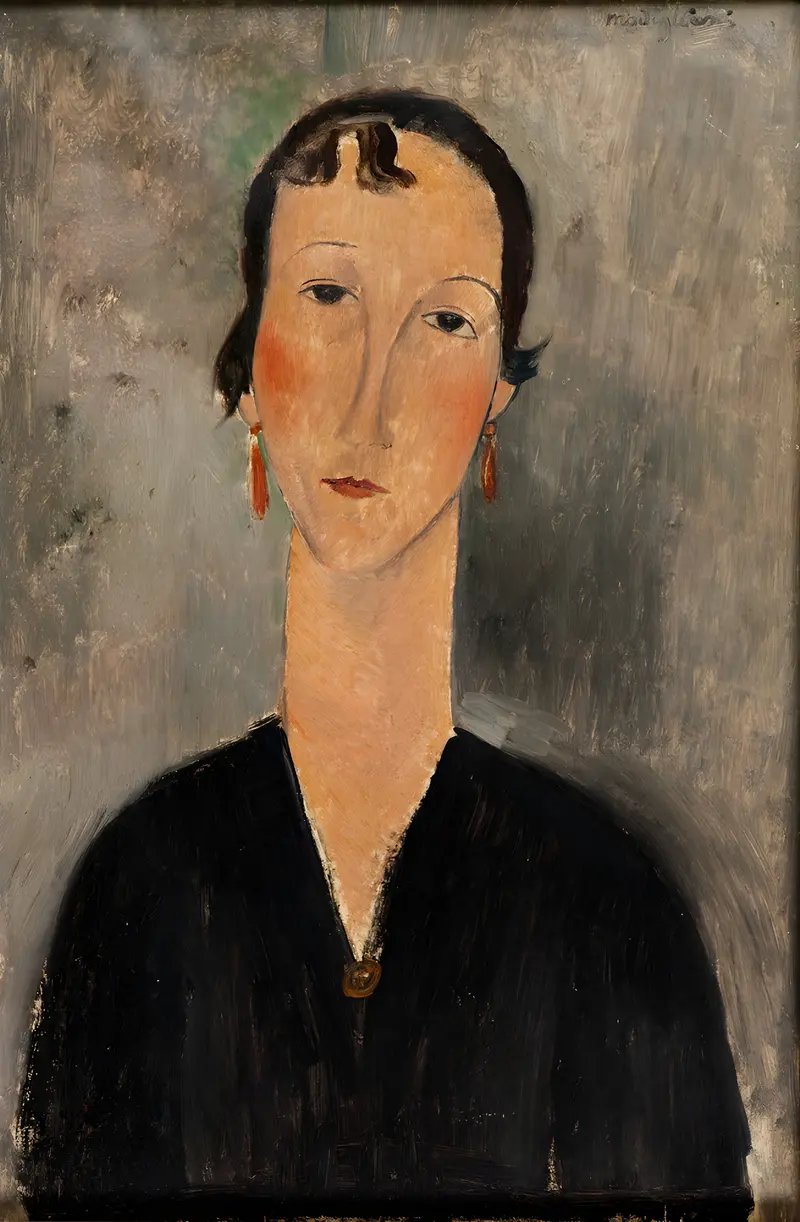
Femme aux boucles d'oreilles
Amedeo Modigliani
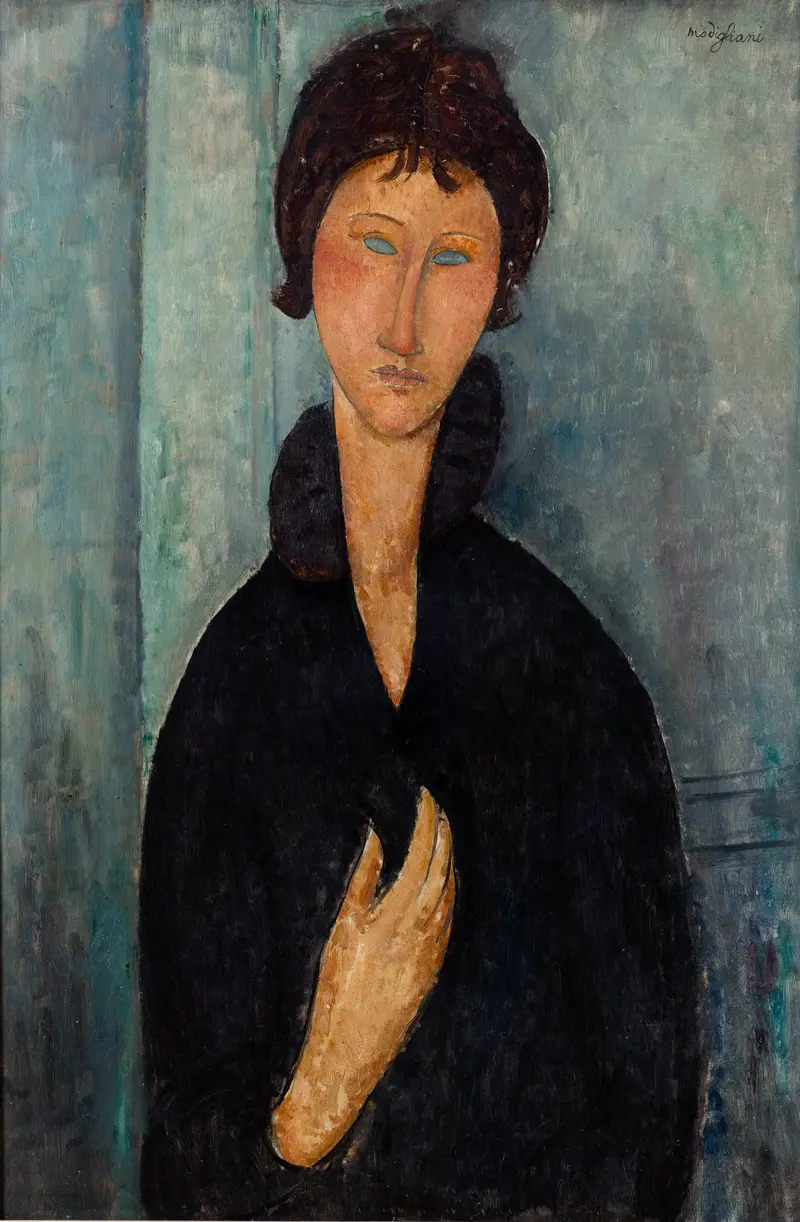
Femme aux yeux bleus
Amedeo Modigliani
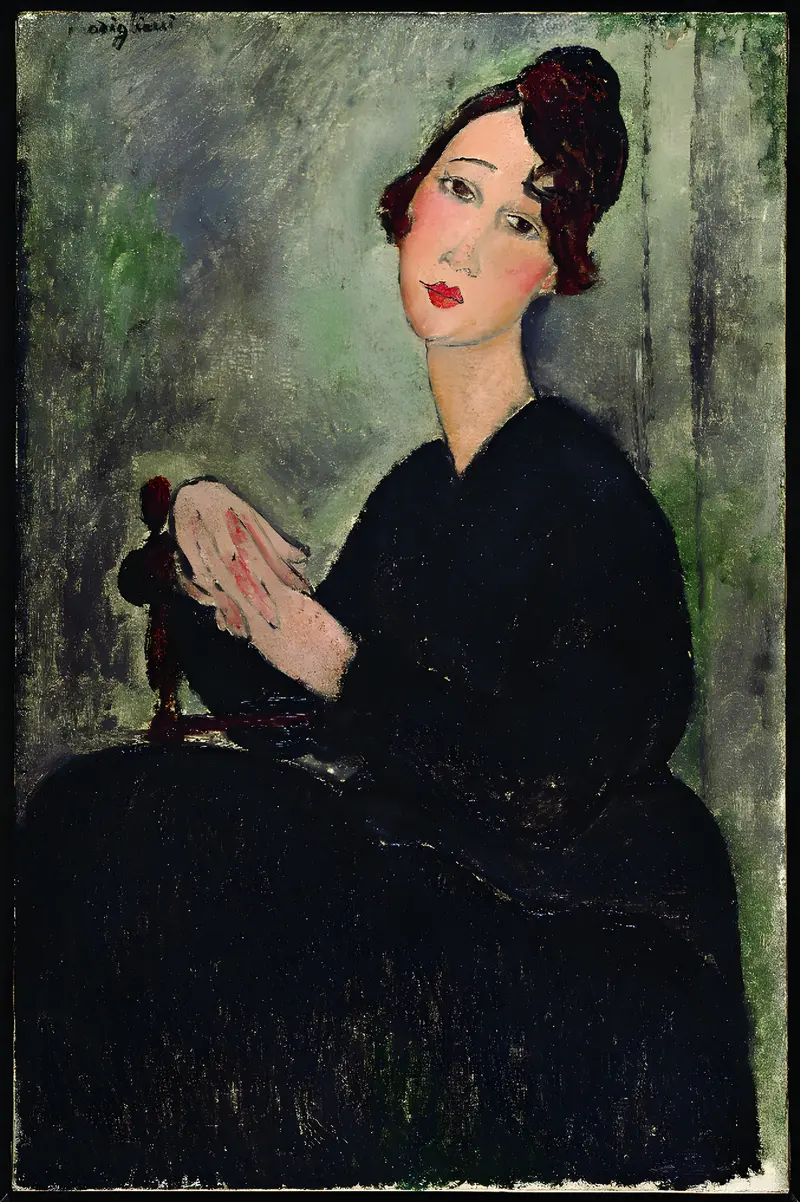
Portrait of Dedie
Amedeo Modigliani
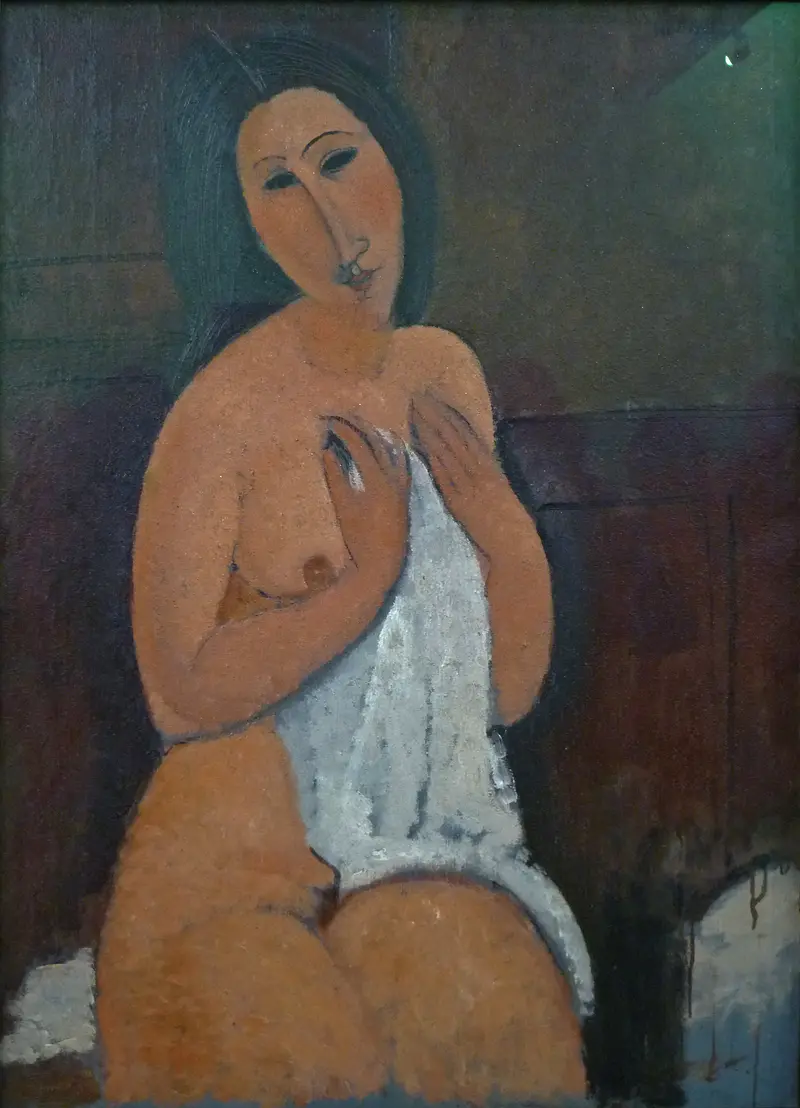
Seated nude with shirt
Amedeo Modigliani
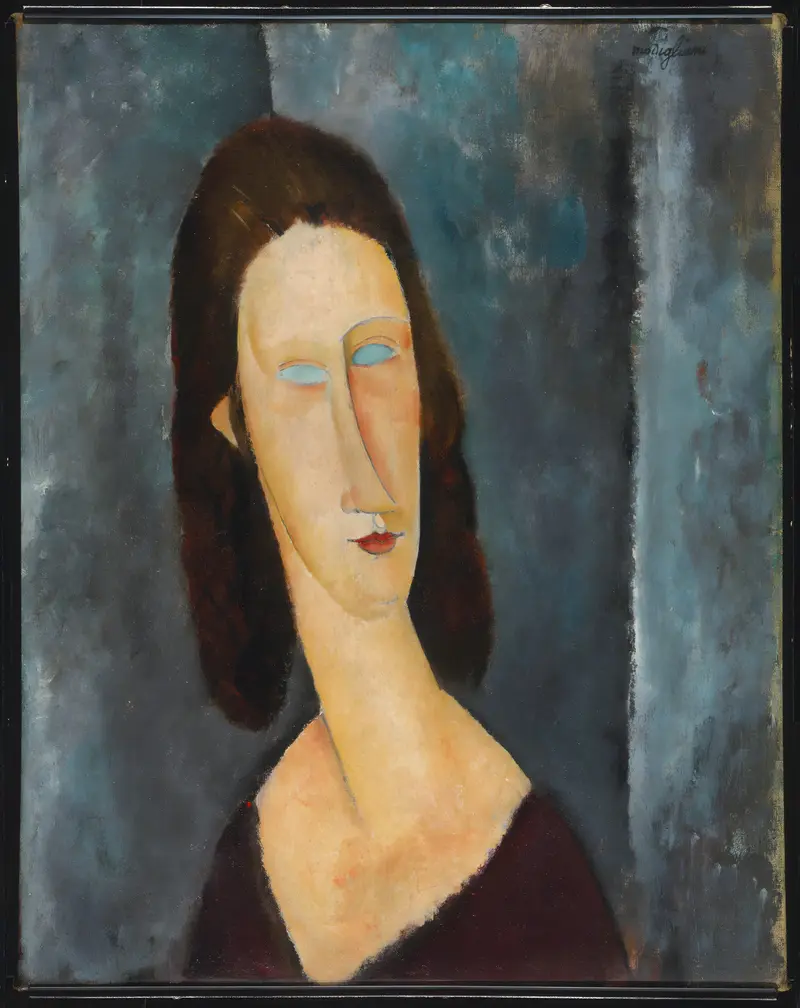
Blue Eyes (Portrait of Madame Jeanne Hébuterne)
Amedeo Modigliani
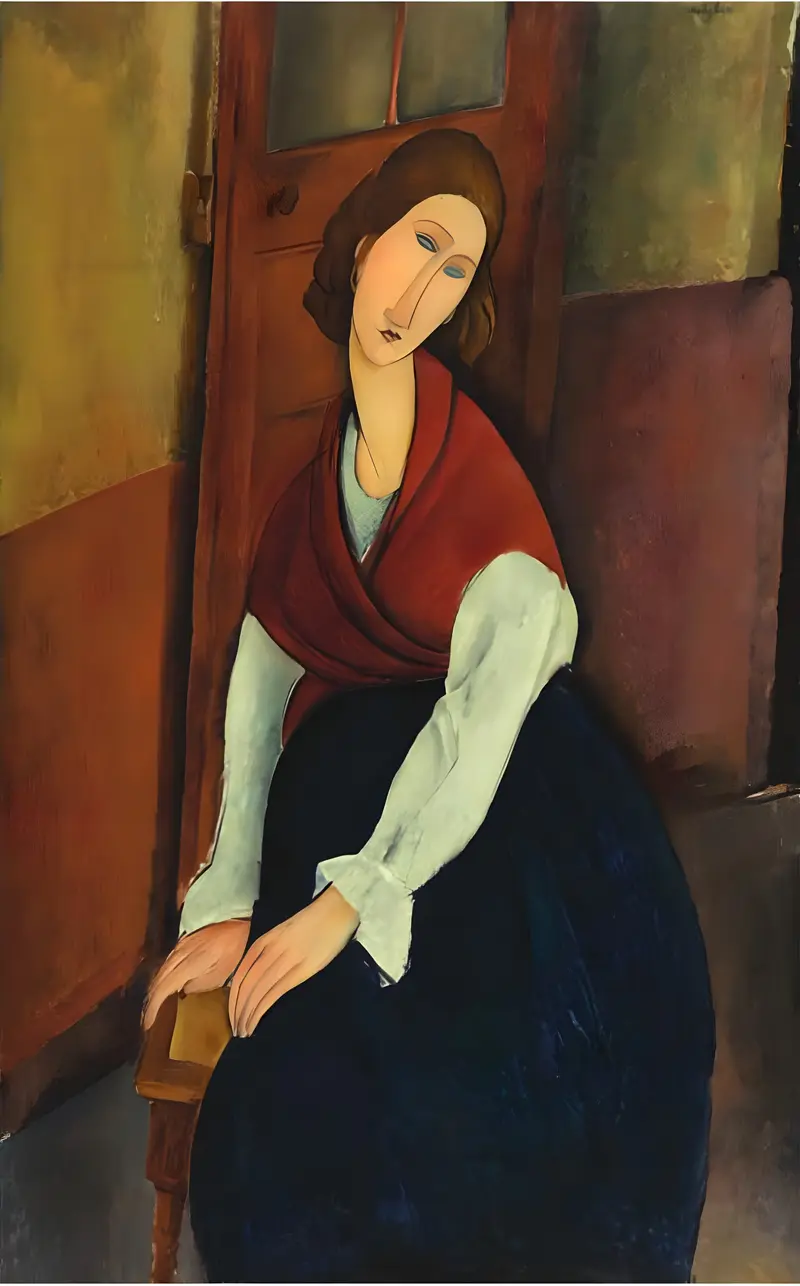
Jeanne Hebuterne in Red Shawl
Amedeo Modigliani





