
Portrait of Doge Leonardo Loredan — History & Facts
When Giovanni Bellini completed his Portrait of Doge Leonardo Loredan around 1500, Venice was at the height of its power, and the Doge himself was the living symbol of the Republic. What makes this painting remarkable is its official function: it was created as the Doge’s state portrait, meant to be displayed in the halls of government as a public image of authority and stability. The painting’s format, with the sitter shown en face and isolated against a luminous blue, was inspired by the conventions of Roman imperial portraiture, signaling Venice’s claim to a legacy of ancient greatness.
Contemporary viewers would have recognized this as a deliberate statement of both continuity and innovation. The Doge sits rigidly, his gaze calm but impenetrable, dressed in the ceremonial robes of office: a brocaded mantle fastened with ornate buttons, and the distinctive corno ducale, the stiff hat worn only by Venice’s elected leader. Bellini’s attention to the shimmering fabric and the crisp silhouette against the sky suggests both the dignity of the office and the man’s personal reserve. The light, cool and even, caresses the Doge’s features without softening them, emphasizing the mask-like quality of his expression—an effect that distances the sitter from the viewer, much as the office of Doge was meant to stand above ordinary citizens.
Unlike Titian’s later, more psychological portraits of Venetian patricians, Bellini’s approach here is formal, almost iconic, underscoring the ritual and public nature of the role. The original commission likely came from the Venetian government itself, and the painting was intended for display in the Doge’s Palace. Over the centuries, the portrait’s fate mirrored the turbulent history of Venice: after the fall of the Republic in 1797, many state treasures were dispersed, and this painting eventually found its way into foreign collections. Today, Portrait of Doge Leonardo Loredan is housed in the National Gallery, London, where it is recognized as a touchstone of Venetian Renaissance portraiture and a testament to Bellini’s pivotal role in shaping the city’s visual identity.
The painting marks a high point in Bellini’s career, blending the solemnity of official portraiture with the new realism and psychological depth that would influence generations of artists.
More Artworks by Giovanni Bellini
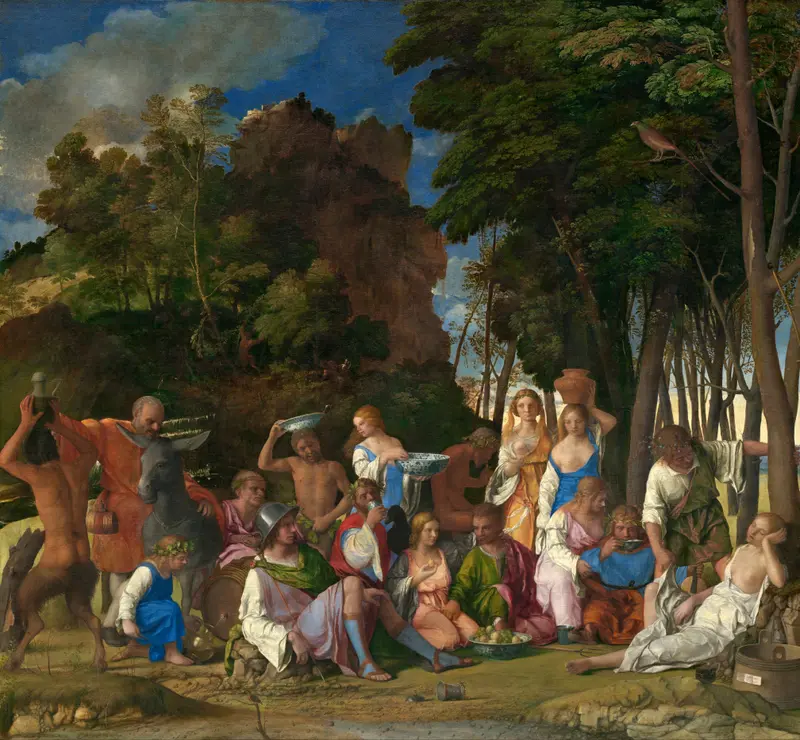
The Feast of the Gods
Giovanni Bellini

Madonna and Child enthroned with Saints and Angels
Giovanni Bellini
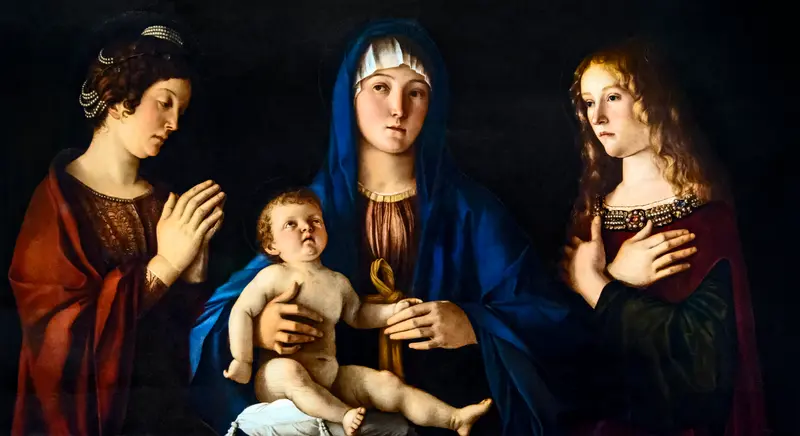
Madonna and Child between Saints Catherine and Mary Magdalene
Giovanni Bellini
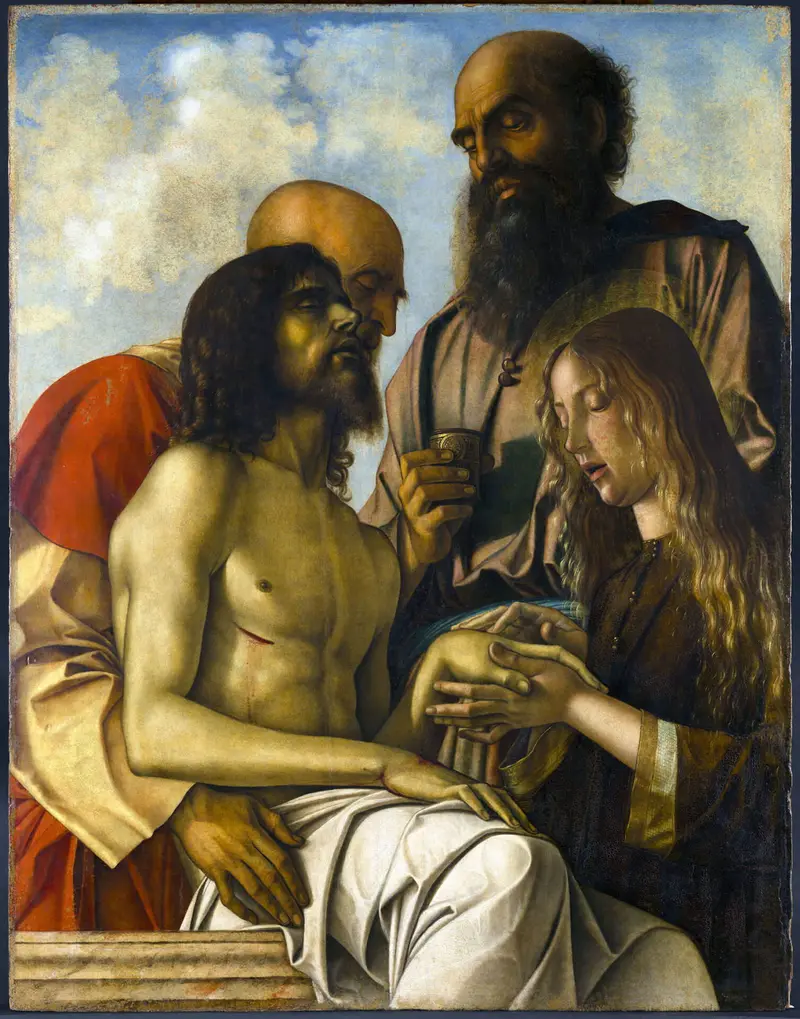
Lamentation over the Dead Christ
Giovanni Bellini
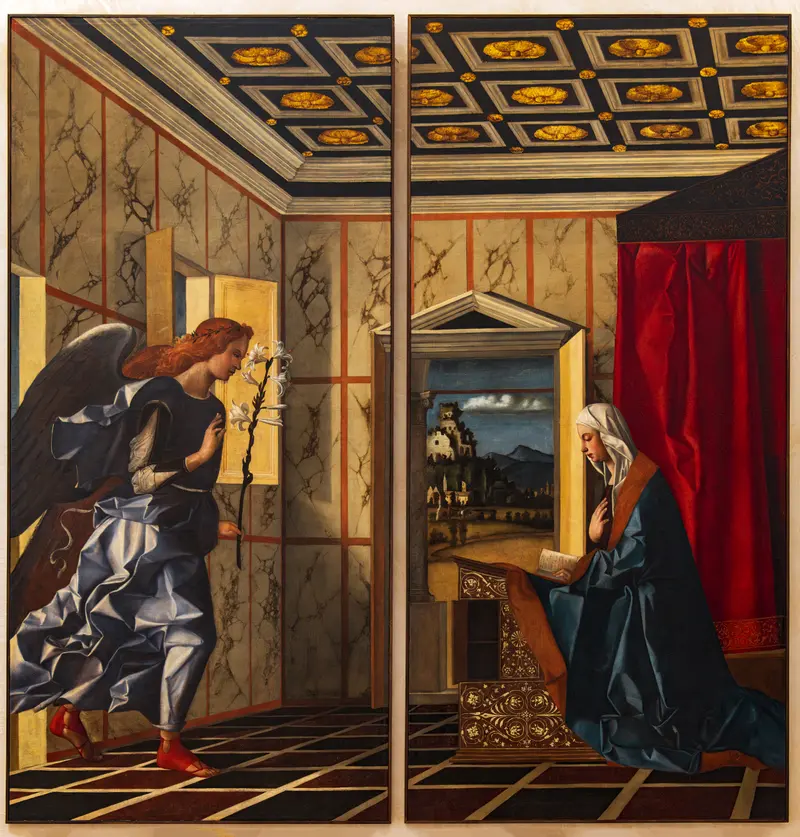
Annunciation
Giovanni Bellini
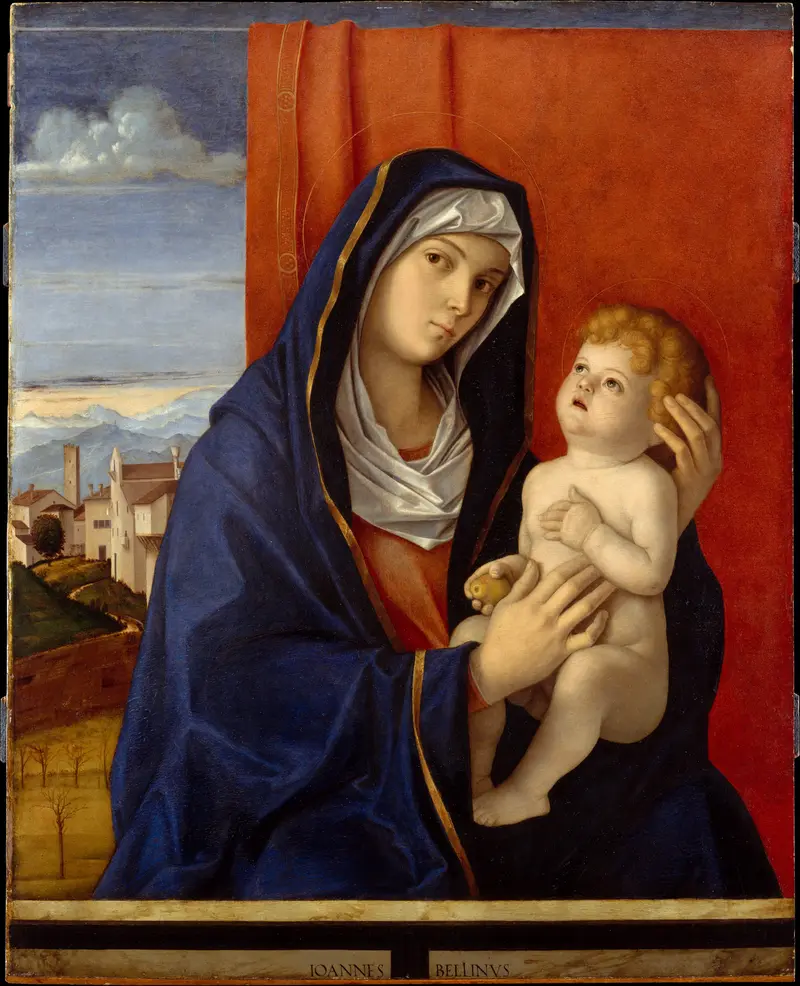
Madonna and Child
Giovanni Bellini
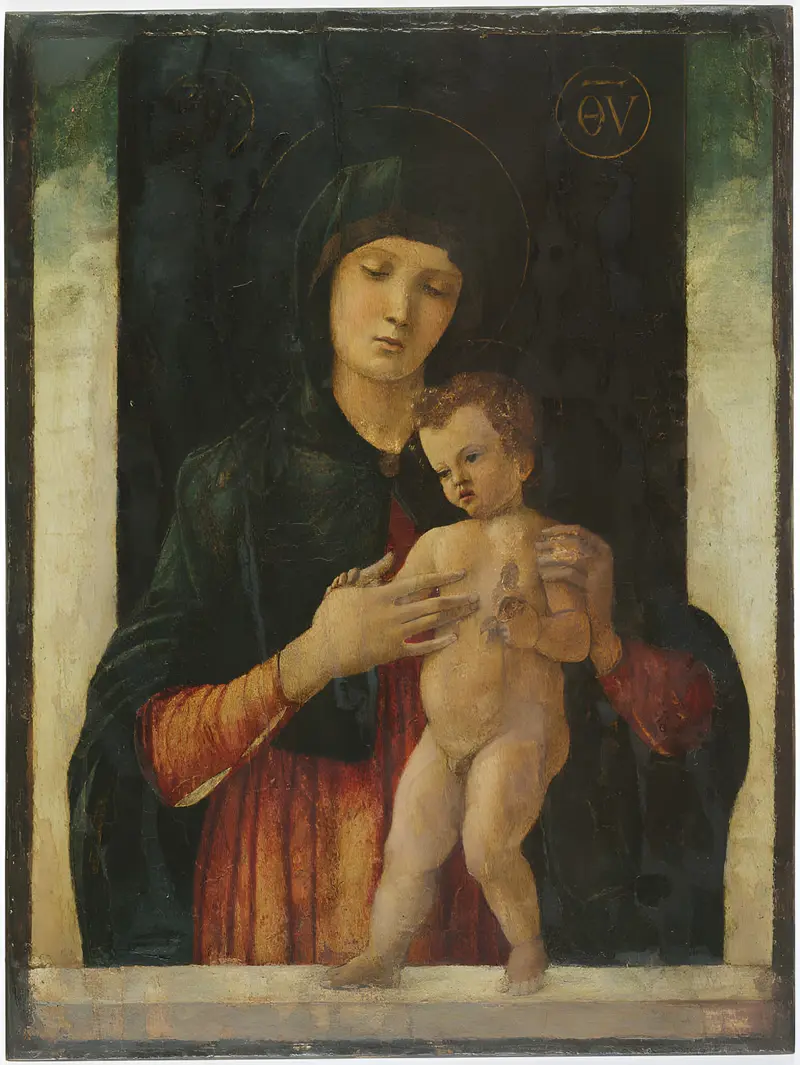
The Virgin and Child
Giovanni Bellini
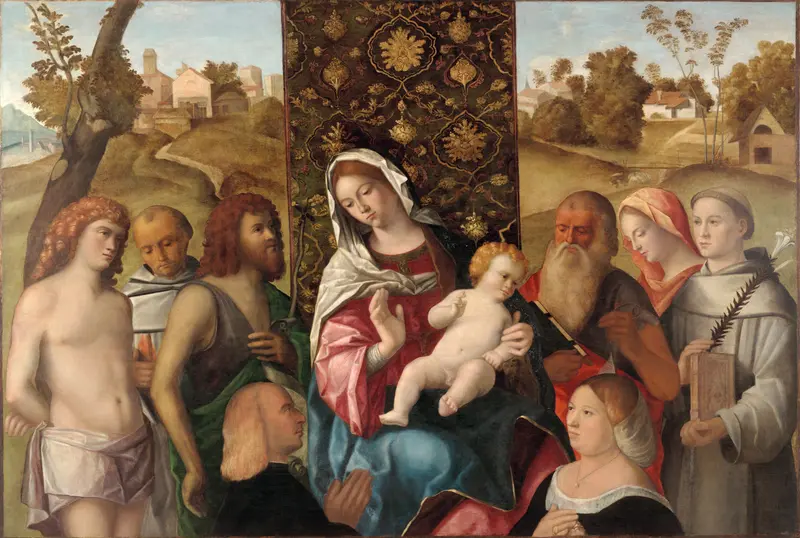
Virgin and Child with Saints Sebastian, Francis, John the Baptist, Jerome, an unidentified female saint, Saint Anthony of Padua and two donors
Giovanni Bellini
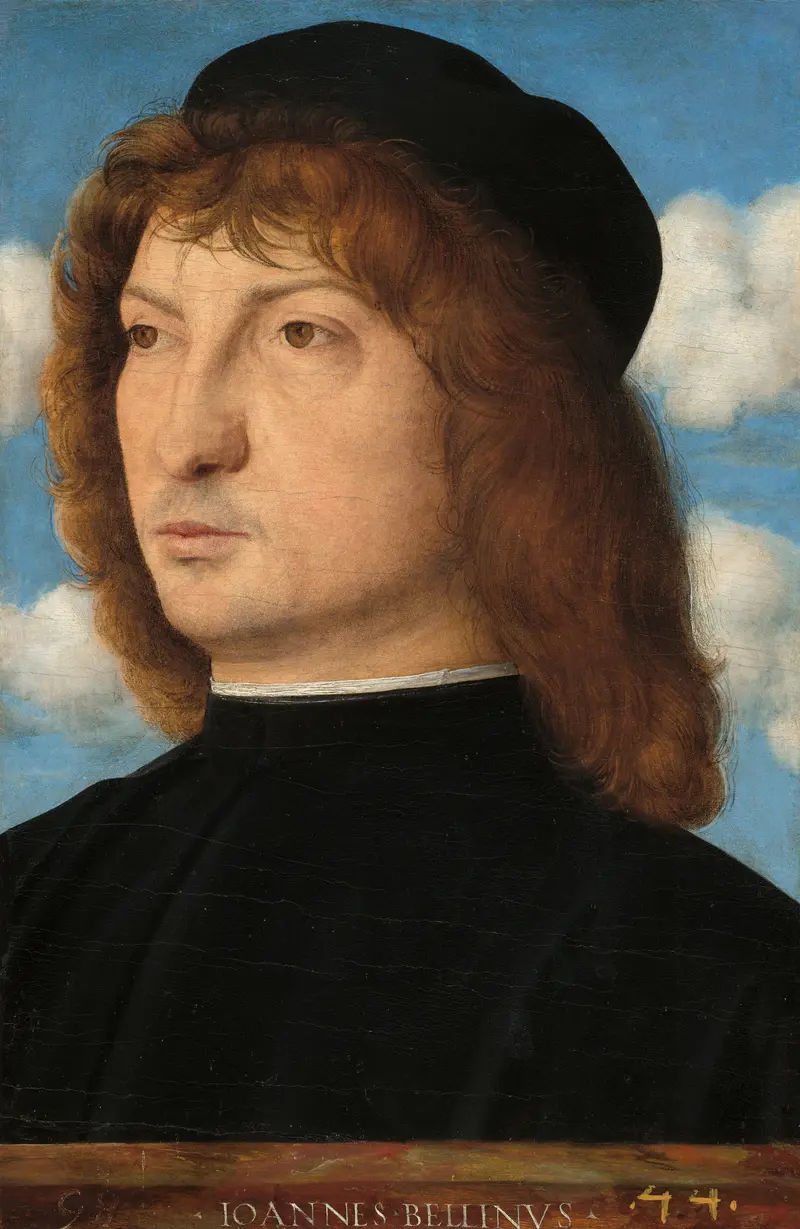
Portrait of a Venetian Gentleman
Giovanni Bellini
Portrait of a Young Man
Giovanni Bellini





