
Portrait of Fabrice Polderman — History & Facts
No one can say for certain why Gustave Van de Woestijne chose Fabrice Polderman as his subject, but the portrait’s very existence has puzzled scholars: Polderman does not appear in the artist’s known circle, and no records link him to any public commission. The sitter’s identity, once assumed to be a local dignitary, remains an open question—one that has led to lively debate among Belgian art historians. This air of mystery has only increased the painting’s allure, as viewers are drawn to wonder what prompted Van de Woestijne to immortalize this enigmatic figure. In the painting, Polderman sits upright, his gaze meeting the viewer with a mixture of reserve and quiet intensity.
The background is stripped of context, focusing all attention on the sitter’s sharply defined features and the hands folded in his lap—a gesture that suggests both composure and a guarded inner life. Van de Woestijne’s use of cool, muted tones and precise linework recall the psychological depth of Felix Vallotton’s portraits, where surface restraint hints at deeper emotion. The light falls directly on Polderman’s face, accentuating the furrow of his brow and the pale clarity of his skin, while the absence of ornament or distraction compels us to search for meaning in the sitter’s expression alone. The painting’s provenance is as obscure as its subject.
With no clear record of its first owner, Portrait of Fabrice Polderman surfaced in a mid-20th-century private collection before entering the public eye through a regional Belgian museum. Its date and medium remain uncertain, complicating efforts to place it precisely within Van de Woestijne’s career, though its style suggests a period of transition between his early Symbolist works and his later, more naturalistic portraits. Today, the painting stands as a testament to the artist’s fascination with the complexities of character, inviting ongoing research and speculation about both sitter and painter.
More Artworks by Gustave Van de Woestijne
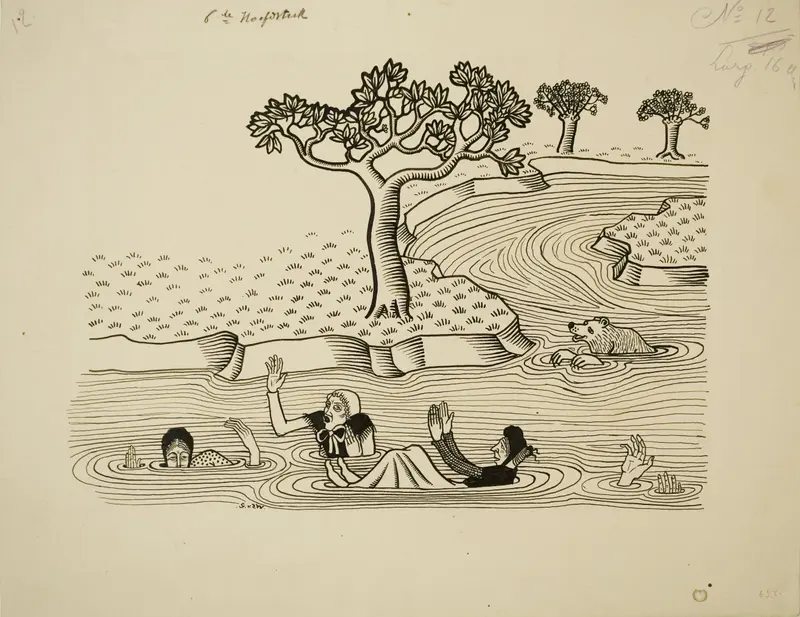
How Brown went out with Reynard where he thought he was eating honey and how he was caught by head and feet and suffered further misfortune
Gustave Van de Woestijne
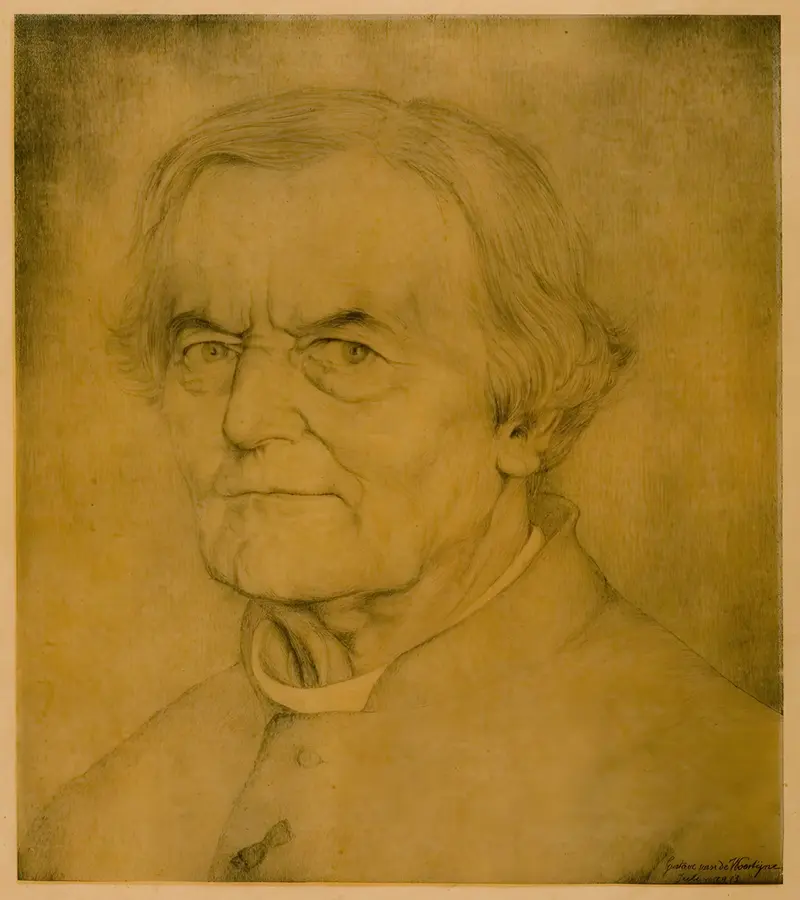
Portrait of Hugo Verriest
Gustave Van de Woestijne
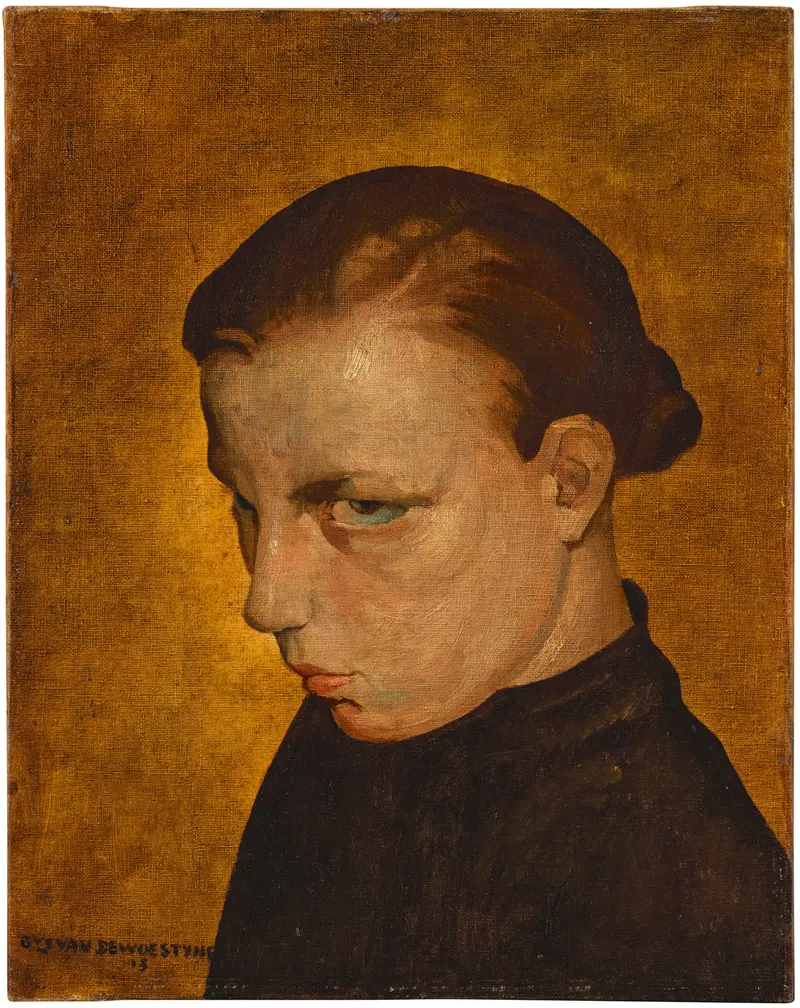
Angèle
Gustave Van de Woestijne
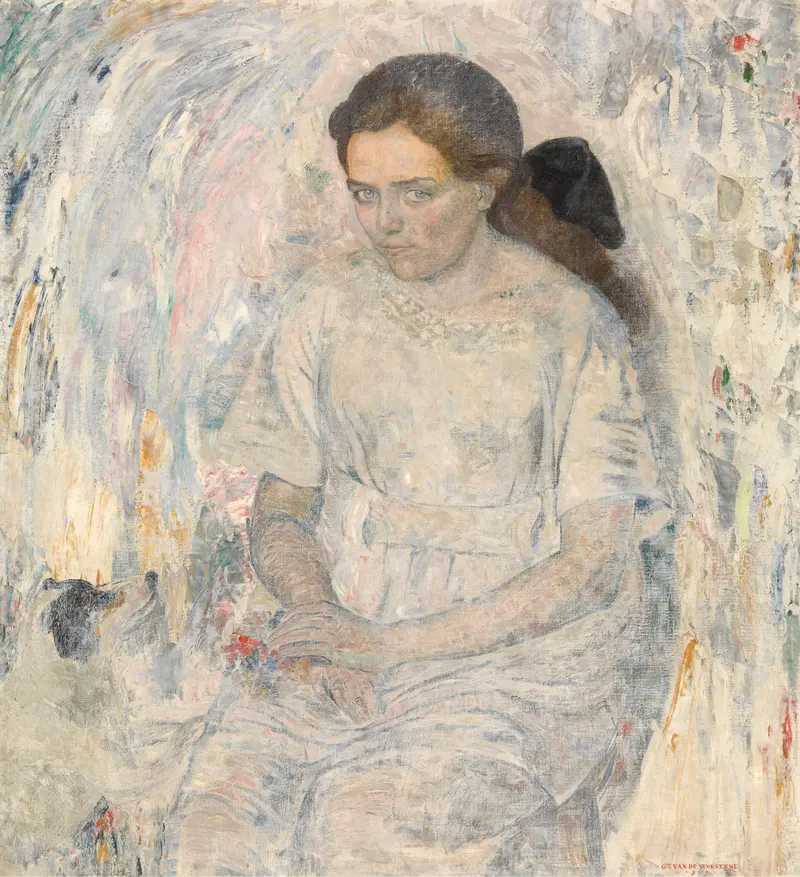
Adrienne
Gustave Van de Woestijne
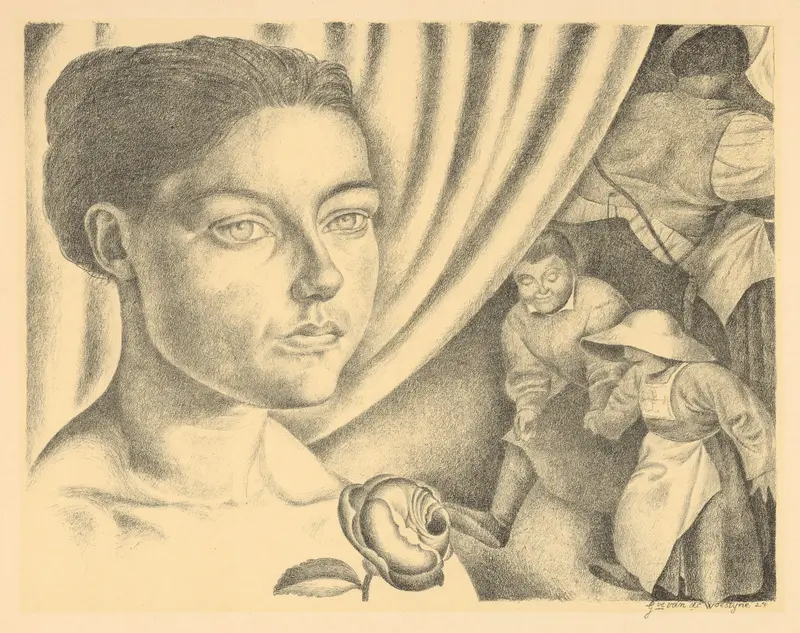
Jeune Femme
Gustave Van de Woestijne
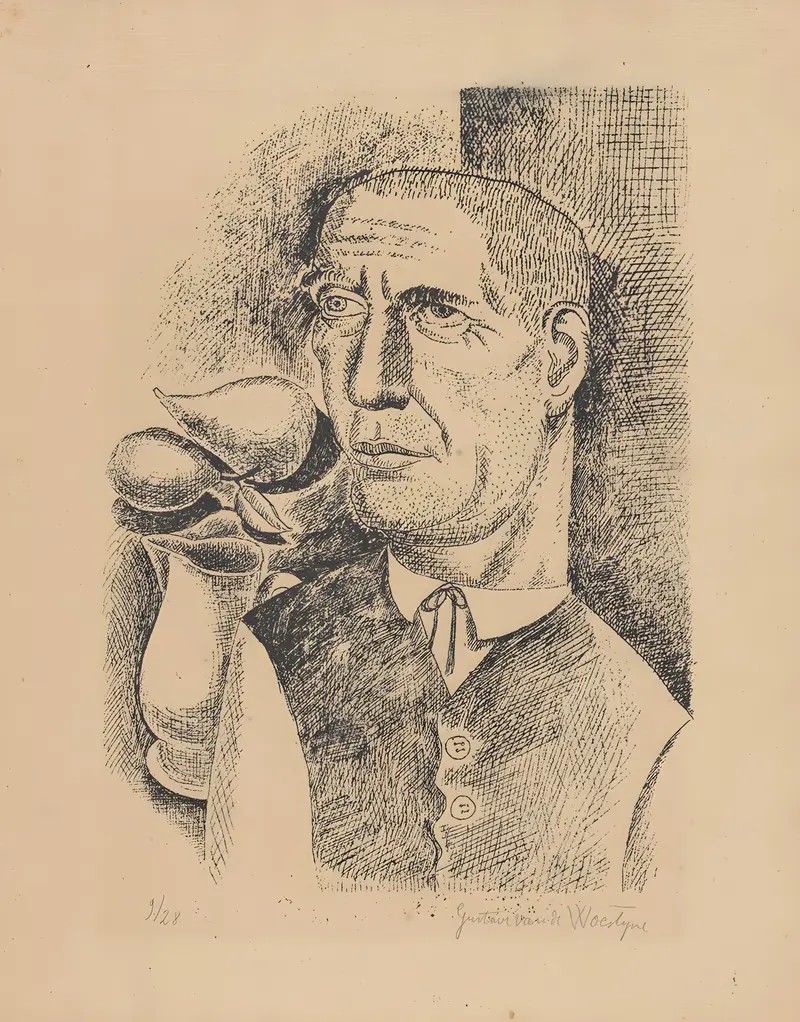
Boer op zijn zondags (Paysan endimanché)
Gustave Van de Woestijne
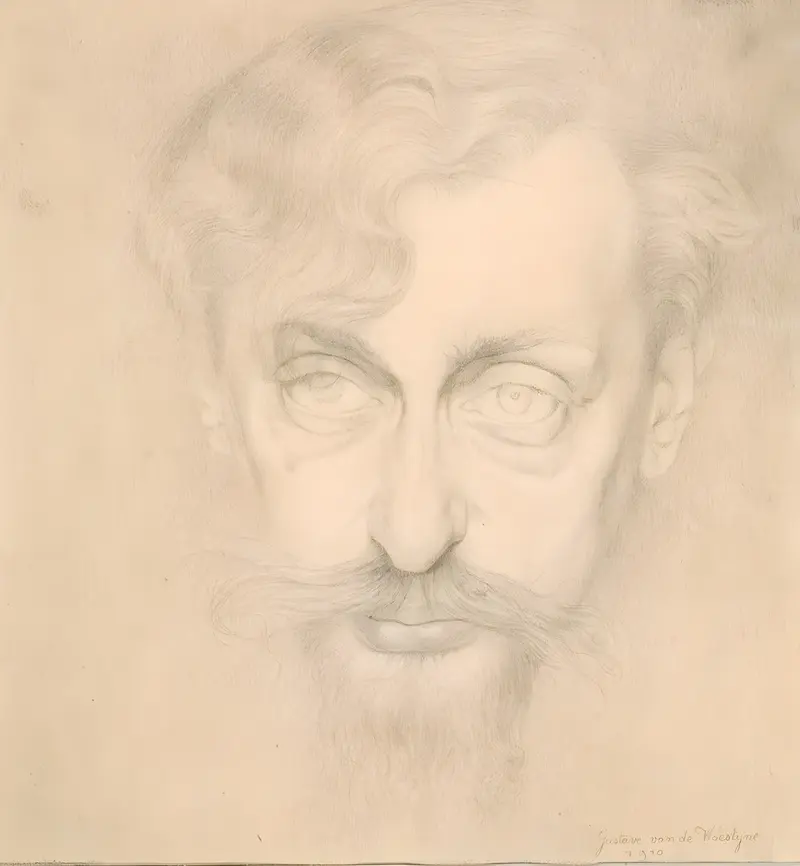
Portrait of the Writer Karel van de Woestijne
Gustave Van de Woestijne
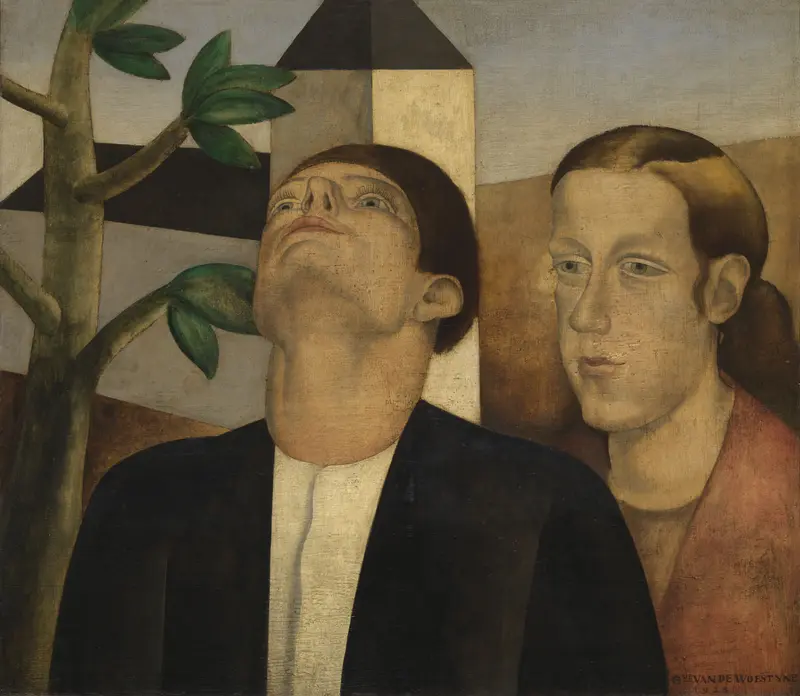
Azure
Gustave Van de Woestijne
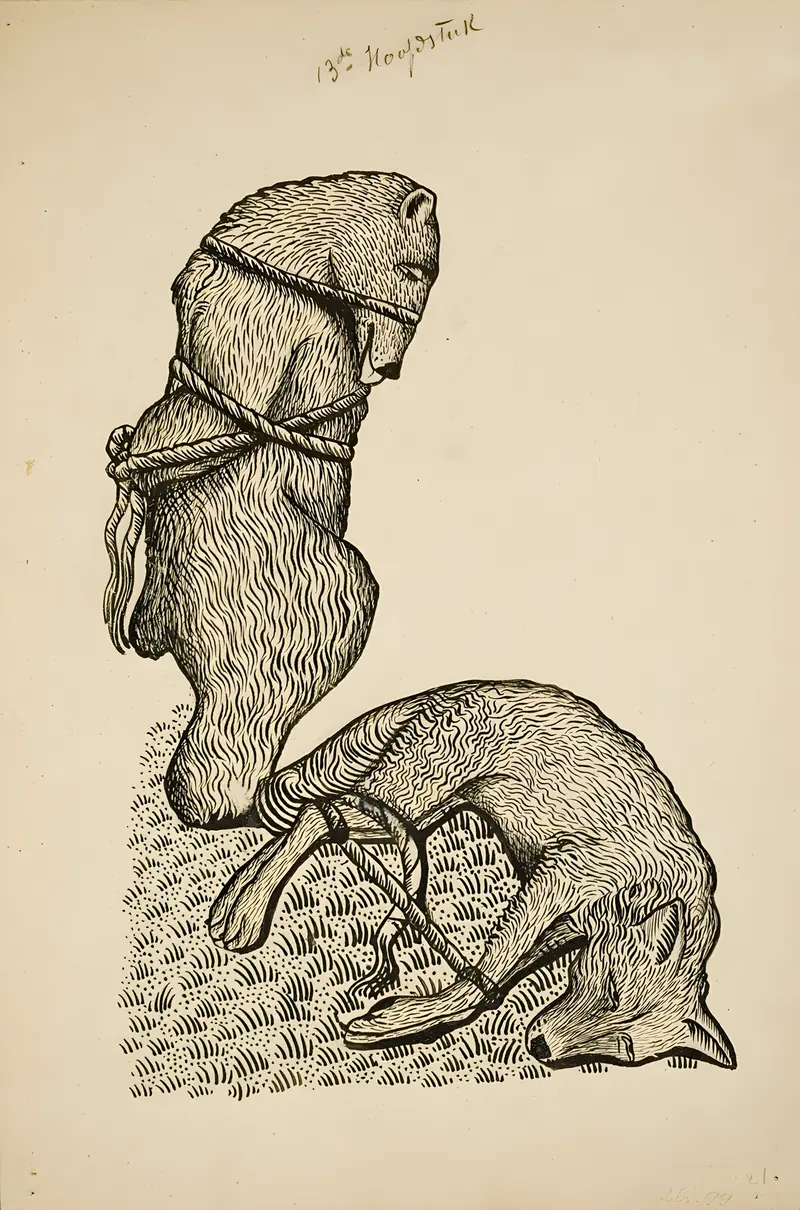
How Reinaert devises a new trick to get free and exterminate his enemies
Gustave Van de Woestijne
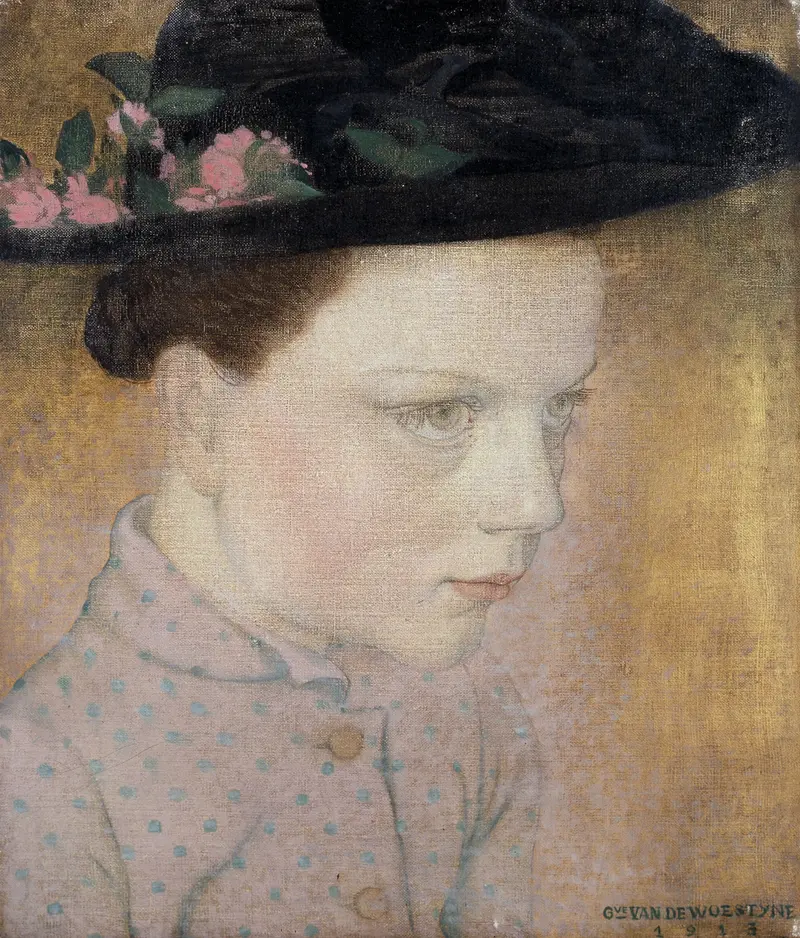
Country Girl
Gustave Van de Woestijne





