
Portrait of Ferdinand Philippe, Duc d'Orleans, by Jean Auguste Dominique Ingres and possibly studio, 1844, oil on canvas - Wadsworth Atheneum - Hartford, CT - DSC0 — History & Facts
When Jean Auguste Dominique Ingres received the commission for Portrait of Ferdinand Philippe, Duc d'Orleans in 1842, the subject had already died in a tragic carriage accident just two years prior. The sudden loss of the heir to the French throne shocked the nation, and the painting became a posthumous tribute, intended to preserve the image of the young duke for his grieving family and a public in mourning. Ingres, renowned for his precision and elegance, was tasked with capturing not only the likeness but also the dignity and promise of the prince whose life had been cut short.
The work was completed in 1844, possibly with the assistance of Ingres’s studio, as he was then at the height of his fame and often relied on trusted pupils for large commissions. The portrait presents Ferdinand Philippe standing in full military dress, his posture erect and gaze direct, embodying both the responsibilities and the aspirations of his royal birth. The richly detailed uniform, with its gold embroidery and ceremonial sash, signals his high rank and the expectations placed upon him as the eldest son of King Louis-Philippe. Ingres’s meticulous attention to the textures of fabric and the play of light on the medals and decorations elevates the sitter’s presence, while the subdued background focuses all attention on the duke himself.
Unlike Delacroix’s more dramatic and emotionally charged portraits, Ingres opts for a calm, almost statuesque dignity, reinforcing the sense of loss and idealization that surrounds the memory of Ferdinand Philippe. After its completion, Portrait of Ferdinand Philippe, Duc d'Orleans remained within the Orléans family before eventually entering the international art market. Today, it resides at the Wadsworth Atheneum in Hartford, Connecticut, far from the royal salons of Paris for which it was originally intended. The painting’s attribution has sometimes been the subject of scholarly discussion, as elements of the execution suggest the hand of Ingres’s studio, a common practice in his later years.
Nevertheless, the portrait stands as a testament to Ingres’s enduring influence on the art of portraiture and the persistent fascination with the Orléans dynasty in nineteenth-century France.
More Artworks by Jean Auguste Dominique Ingres
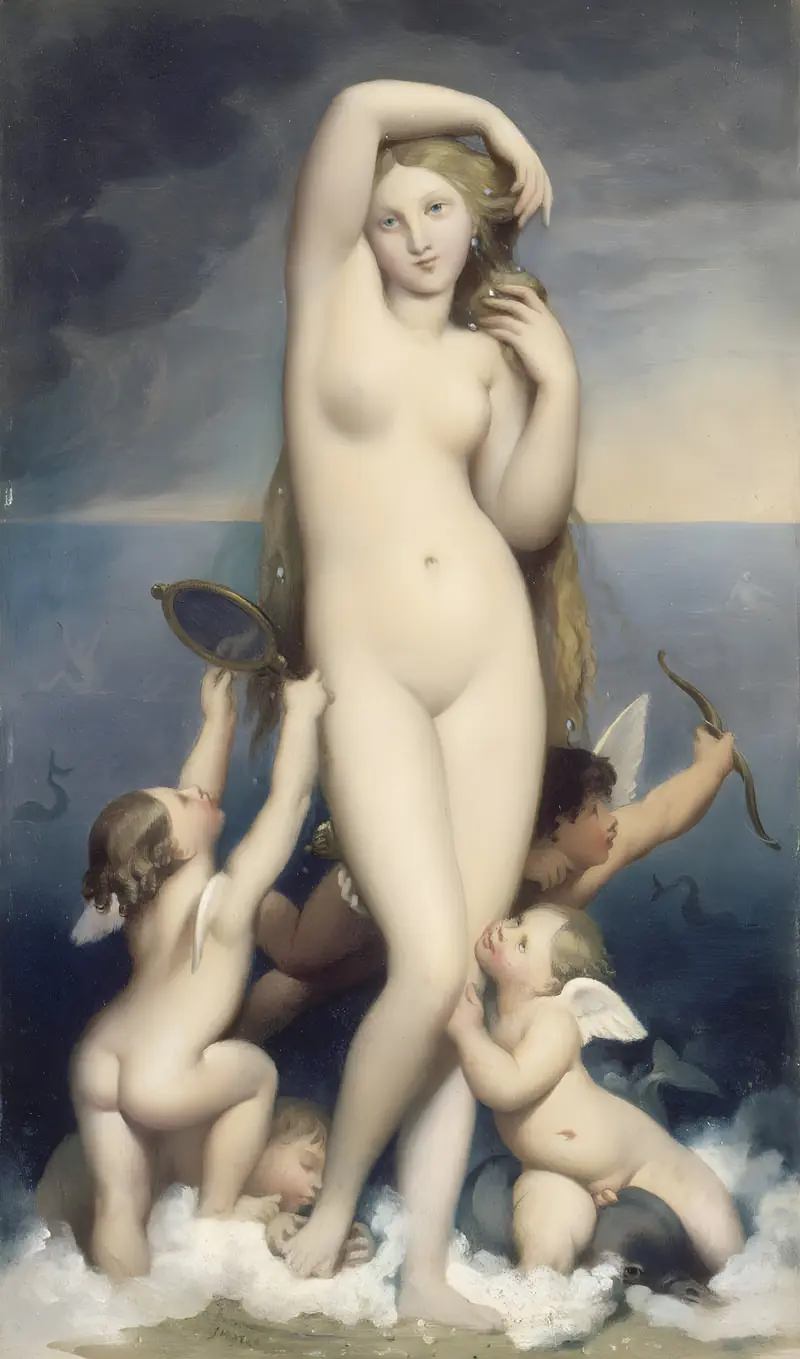
Vénus anadyomène
Jean Auguste Dominique Ingres
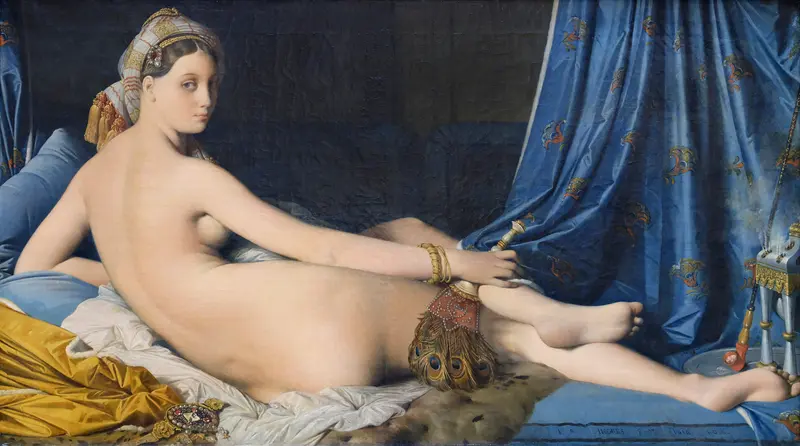
Grande Odalisque
Jean Auguste Dominique Ingres
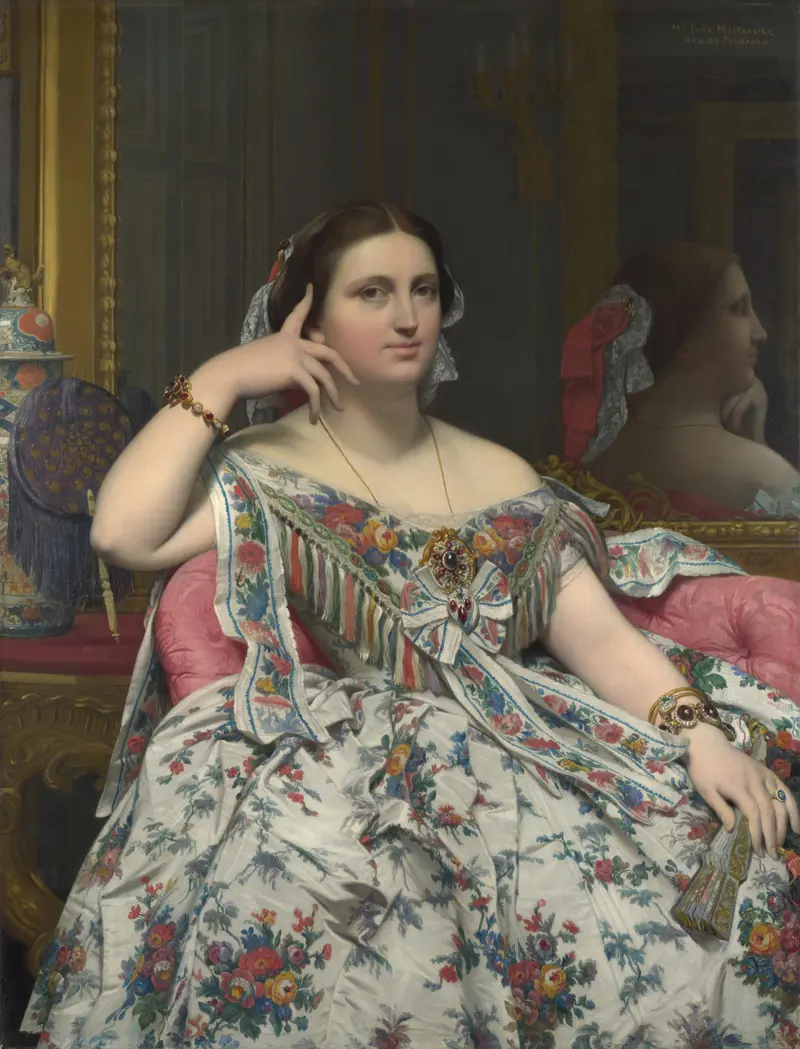
Madame Moitessier (seated)
Jean Auguste Dominique Ingres
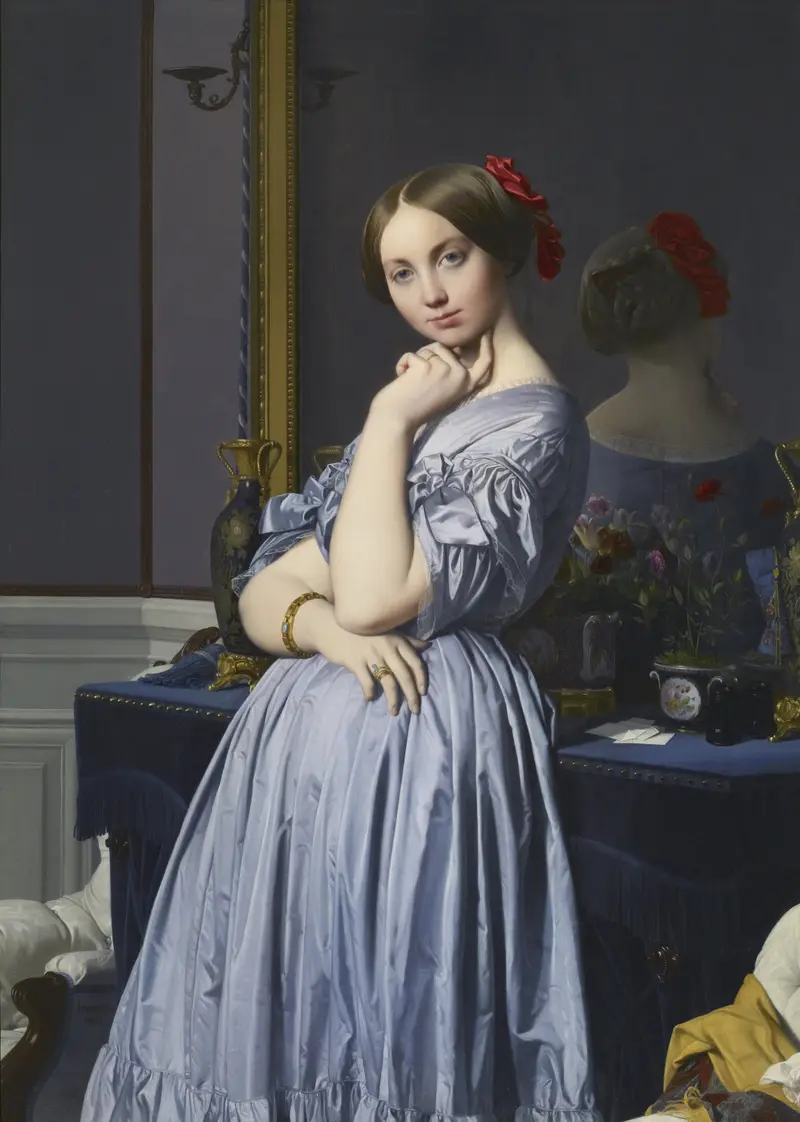
Portrait of Comtesse d’Haussonville
Jean Auguste Dominique Ingres
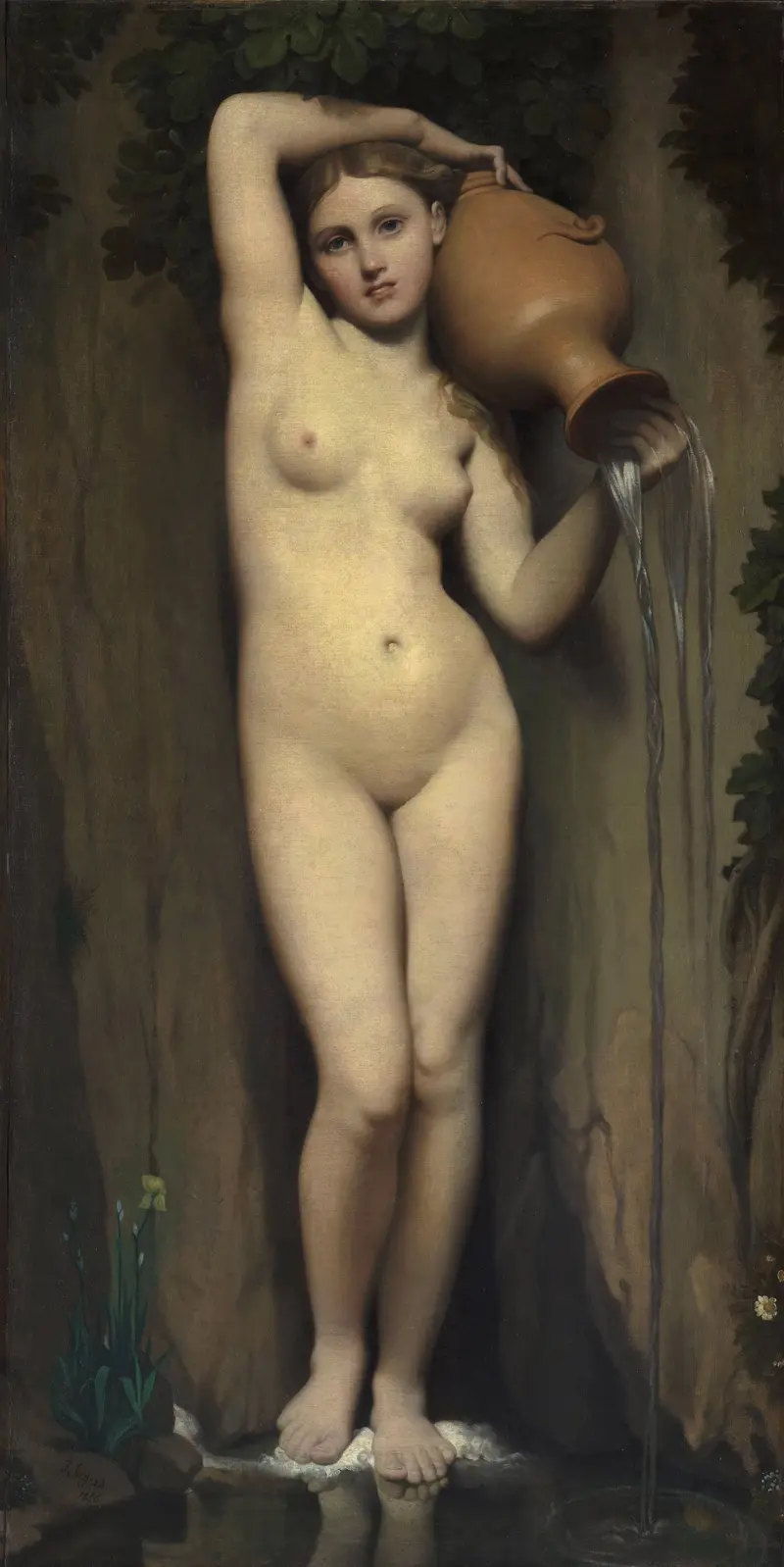
The Source
Jean Auguste Dominique Ingres
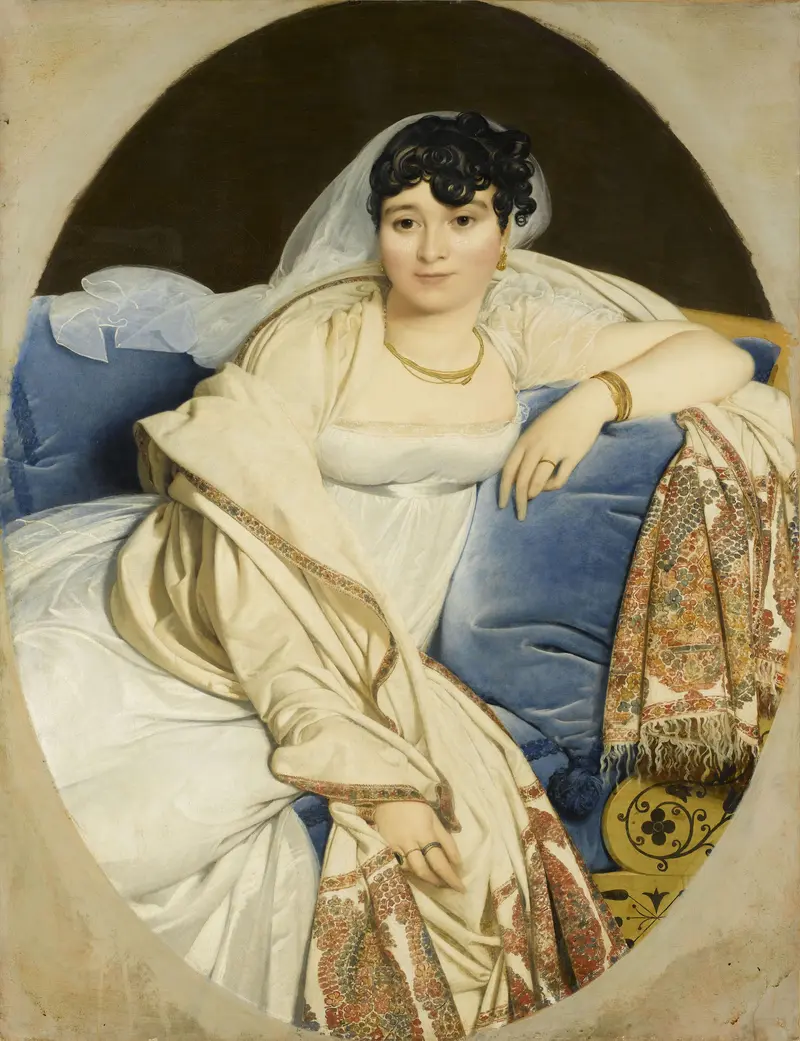
Madame Rivière
Jean Auguste Dominique Ingres

Madame Jean-Auguste-Dominique Ingres, née Madeleine Chapelle
Jean Auguste Dominique Ingres

Portrait of a Lady
Jean Auguste Dominique Ingres
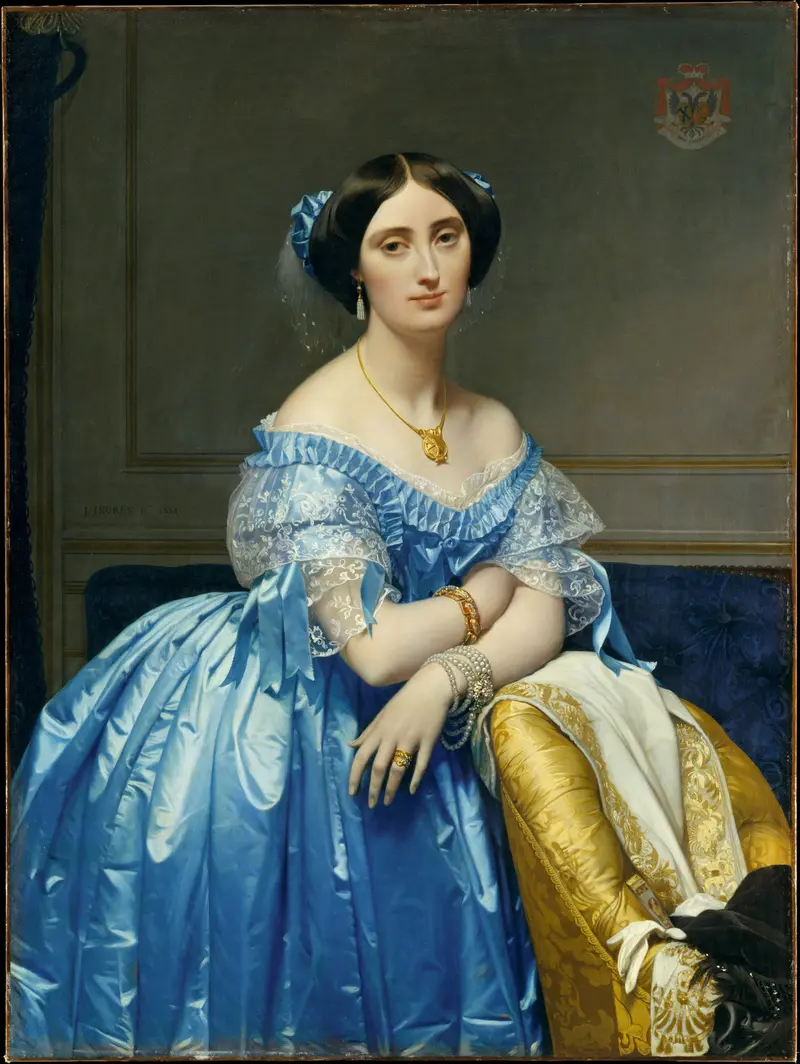
Joséphine-Éléonore-Marie-Pauline de Galard de Brassac de Béarn (1825–1860), Princesse de Broglie
Jean Auguste Dominique Ingres
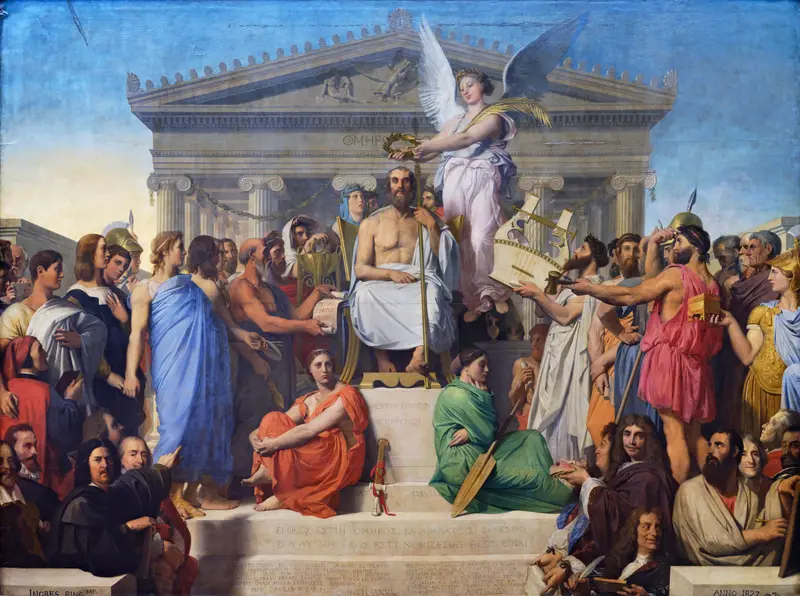
The Apotheosis of Homer
Jean Auguste Dominique Ingres





