
Portrait of Fra Teodoro of Urbino as Saint Dominic — History & Facts
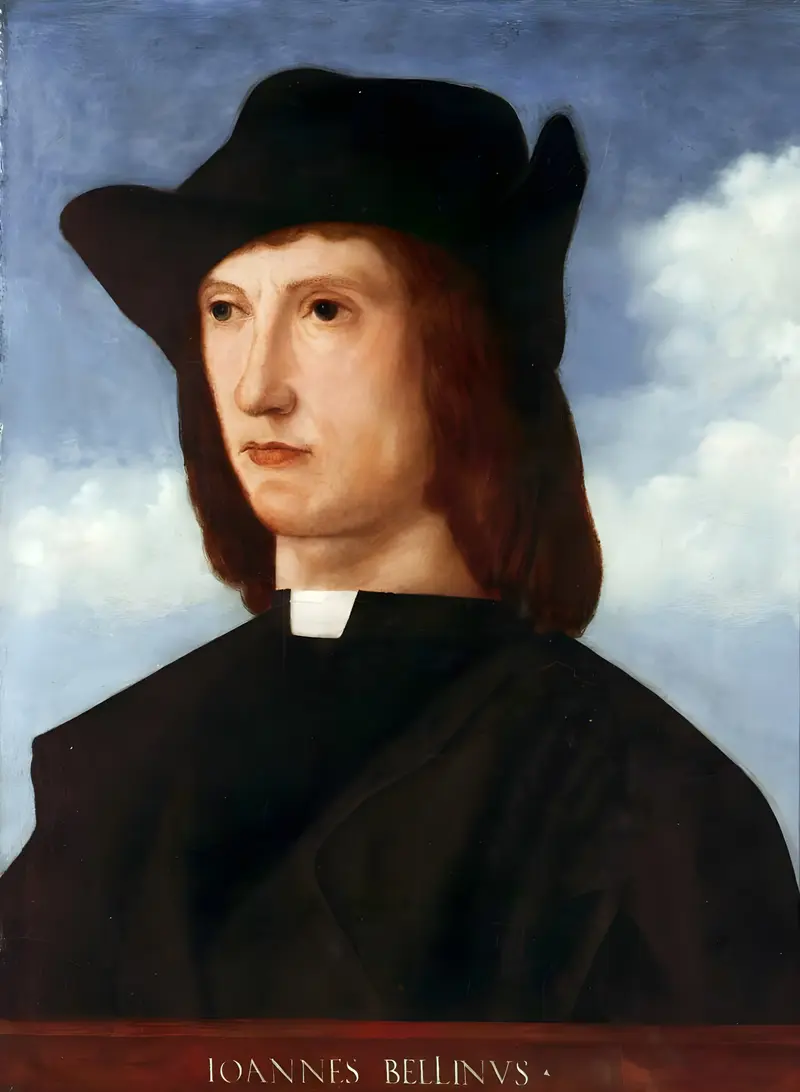
When Giovanni Bellini painted Portrait of Fra Teodoro of Urbino as Saint Dominic in 1515, he was nearing the end of his long and influential career, yet still innovating. The sitter, Fra Teodoro, was a Dominican friar and a respected humanist in Venice, and Bellini’s decision to portray him as Saint Dominic blurs the line between portraiture and sacred image—a rare hybrid for its time. This painting is especially notable because it is one of the last known works by Bellini, who died just a year later.
Scholars have long debated whether the painting was intended for private devotion or as a commemorative likeness, as no clear commission records survive. Its existence challenges the conventions of both Venetian portraiture and religious iconography in the early 16th century. Fra Teodoro appears in the Dominican habit, his features rendered with the keen observation that defined Bellini’s late style. He holds a lily, symbol of purity, and a book, alluding to both Saint Dominic’s scholarship and Fra Teodoro’s own erudition.
The gentle light falls across his face, heightening the sense of introspection and spiritual gravity—an effect Bellini refined over decades, and which sets this work apart from earlier, more formal depictions of saints. The artist’s approach here recalls his Saint Jerome in His Study, where the boundary between portrait and religious narrative is similarly blurred. In this moment, Fra Teodoro is both himself and the saintly ideal, caught in a silent exchange between earthly identity and spiritual aspiration. The painting’s early history is not fully documented, but it is believed to have remained in Venice for centuries, likely within Dominican circles or private collections.
It has never been the subject of major attribution disputes, as the style and handling are unmistakably those of Bellini’s final years. Today, Portrait of Fra Teodoro of Urbino as Saint Dominic stands as a testament to the artist’s late innovations and his enduring fascination with the inner life of his sitters. It offers a rare glimpse into the intersection of personal likeness and sacred narrative at a turning point in Venetian art.
More Artworks by Giovanni Bellini
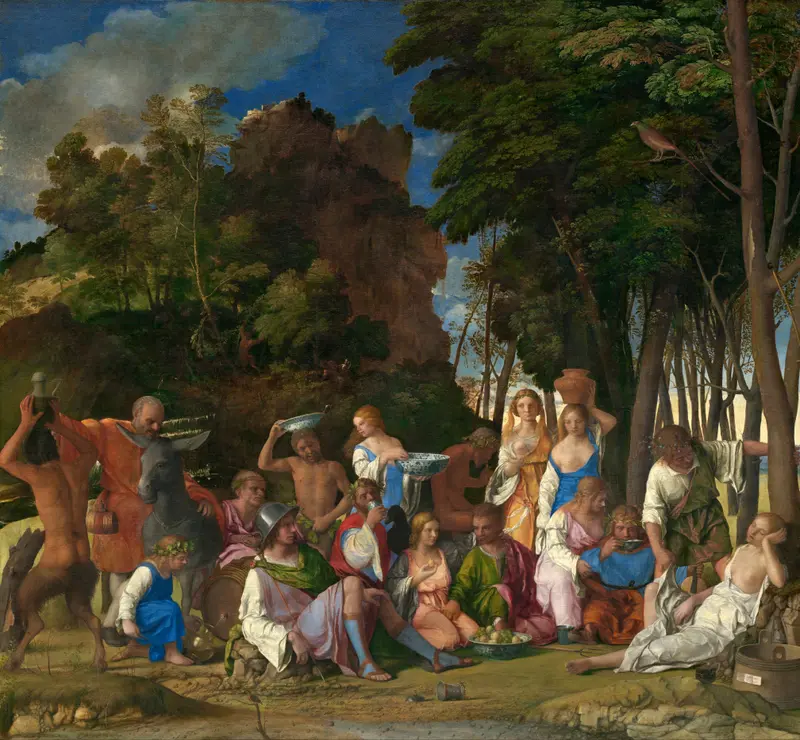
The Feast of the Gods
Giovanni Bellini

Madonna and Child enthroned with Saints and Angels
Giovanni Bellini
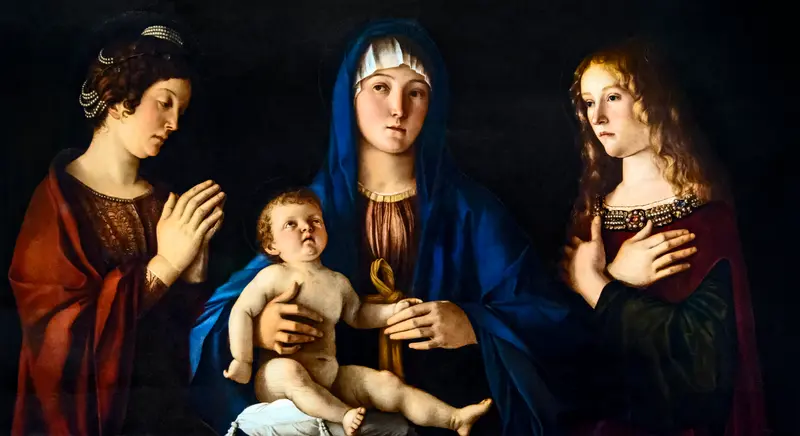
Madonna and Child between Saints Catherine and Mary Magdalene
Giovanni Bellini
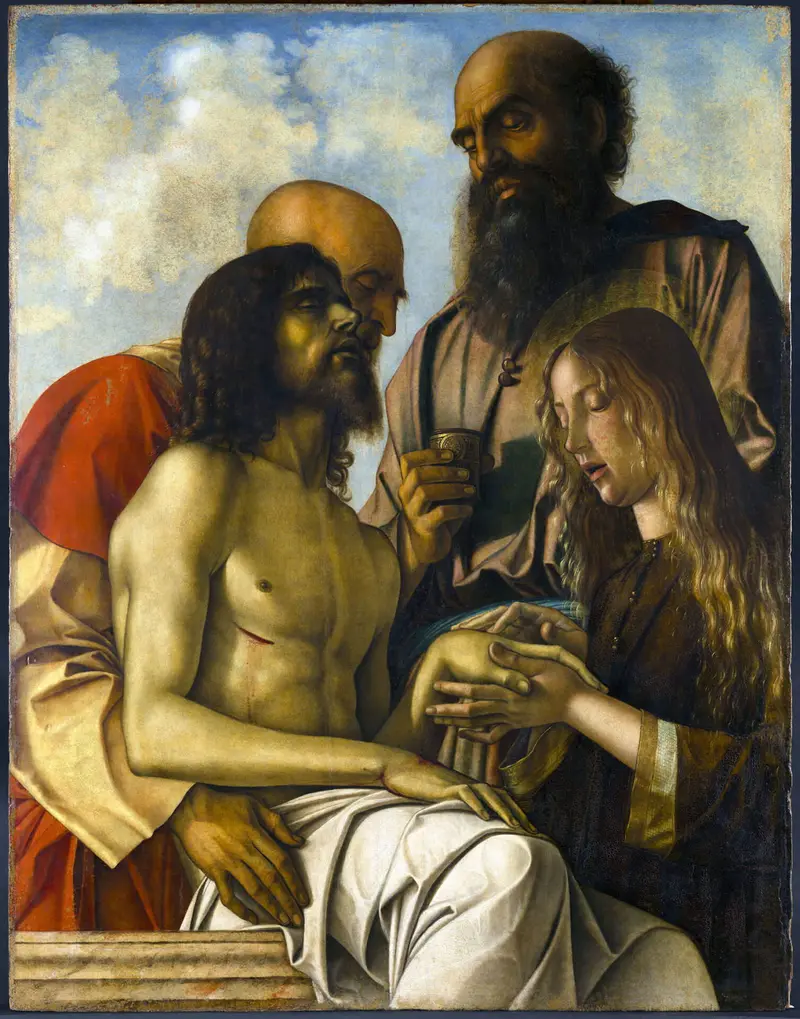
Lamentation over the Dead Christ
Giovanni Bellini
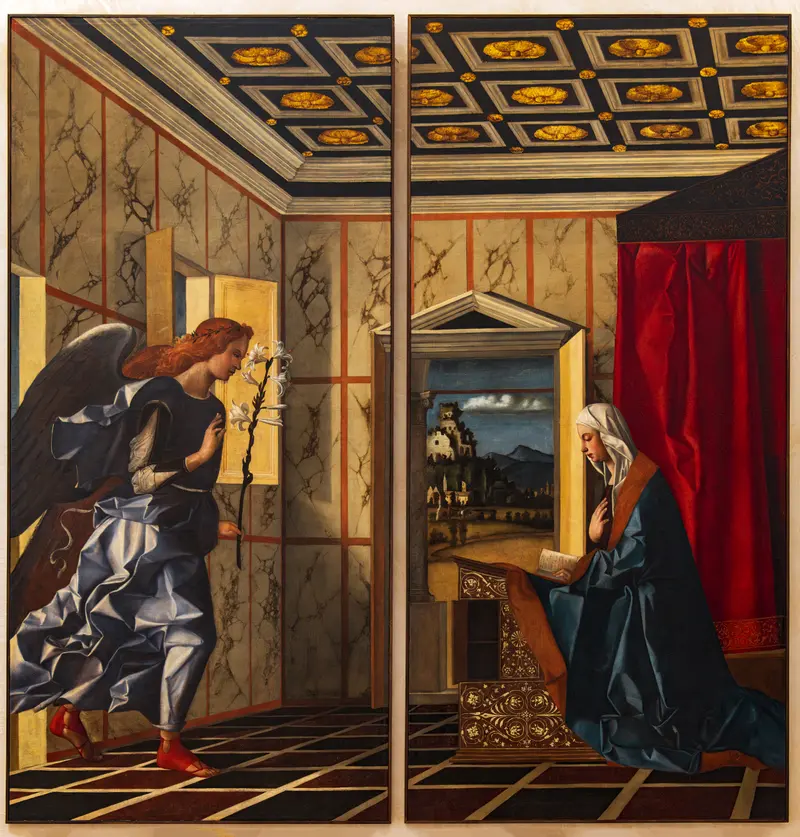
Annunciation
Giovanni Bellini
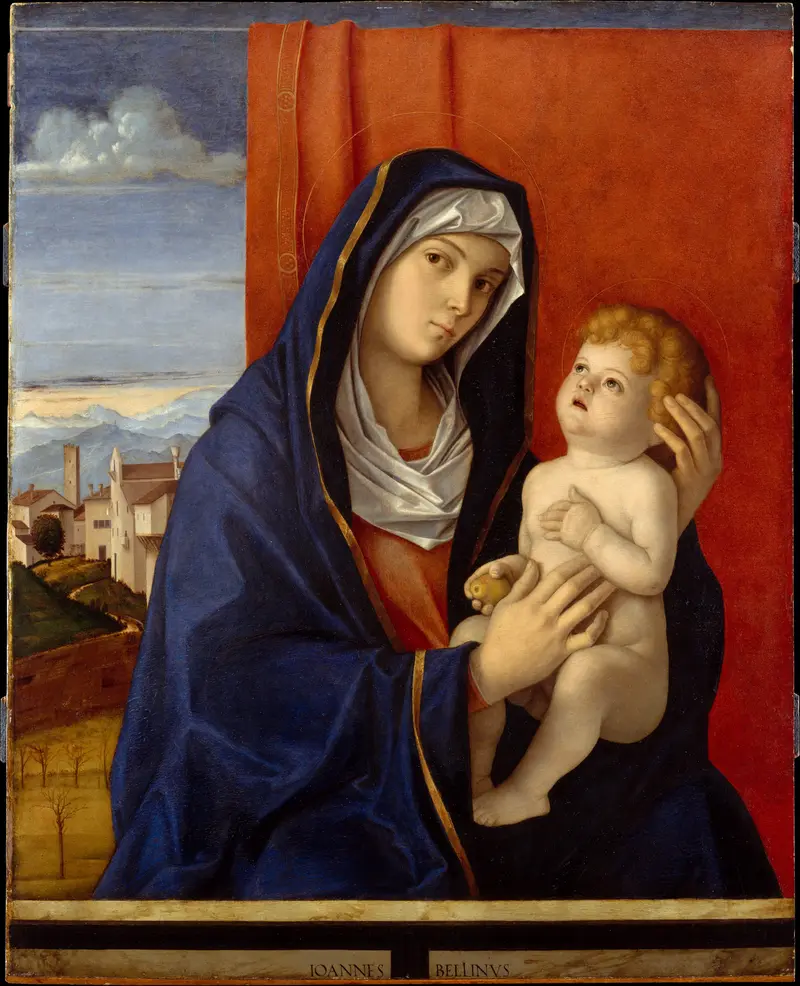
Madonna and Child
Giovanni Bellini
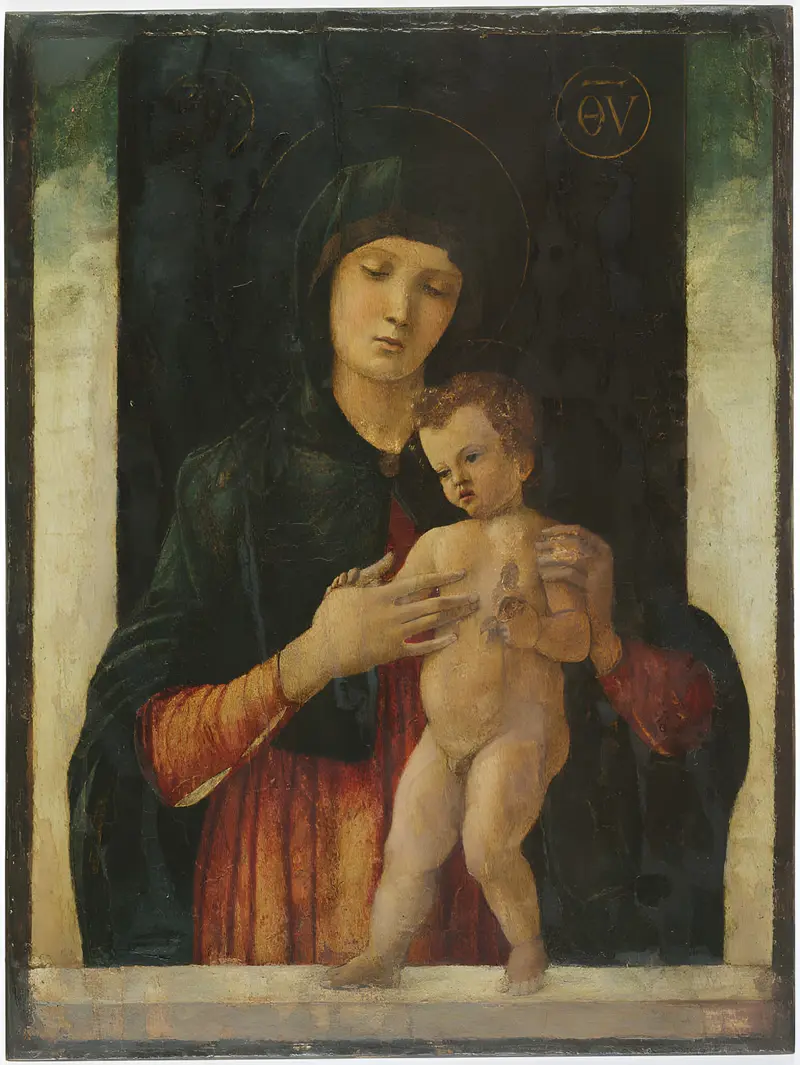
The Virgin and Child
Giovanni Bellini
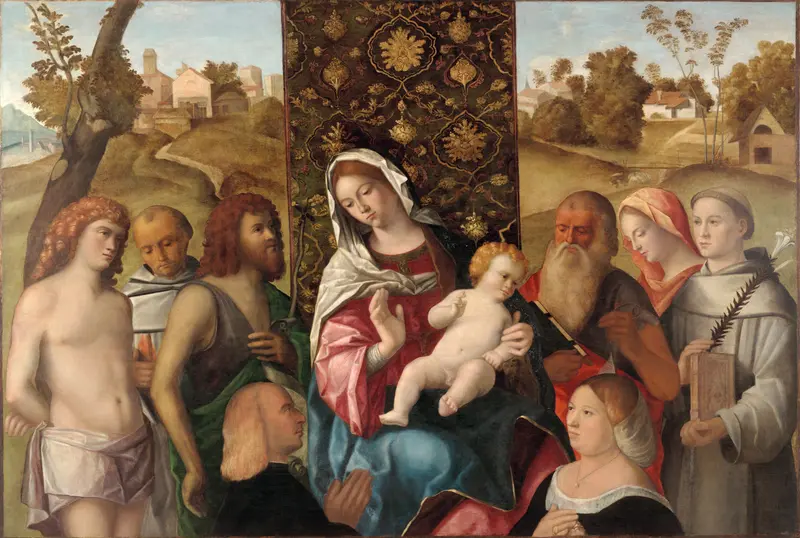
Virgin and Child with Saints Sebastian, Francis, John the Baptist, Jerome, an unidentified female saint, Saint Anthony of Padua and two donors
Giovanni Bellini
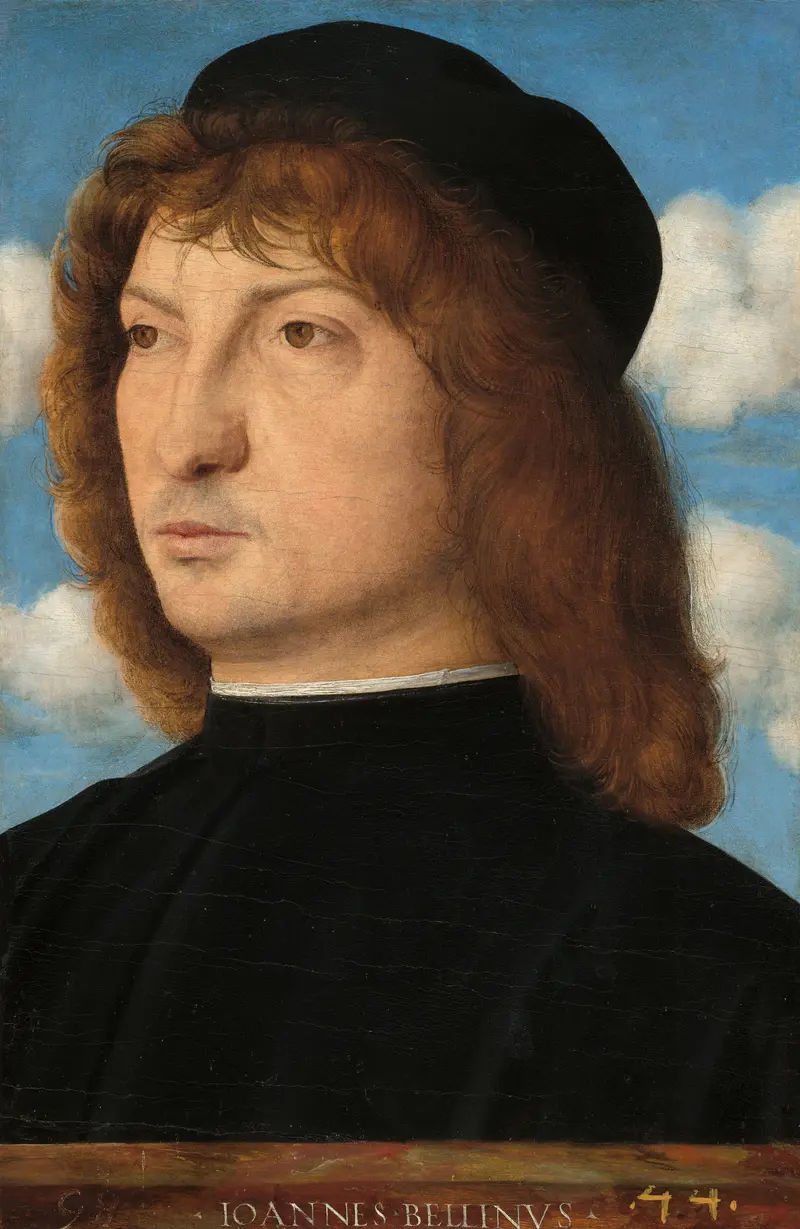
Portrait of a Venetian Gentleman
Giovanni Bellini
Portrait of a Young Man
Giovanni Bellini





