
Portrait of Frankfurt banker's wife Anna Elisabeth Leerse — History & Facts
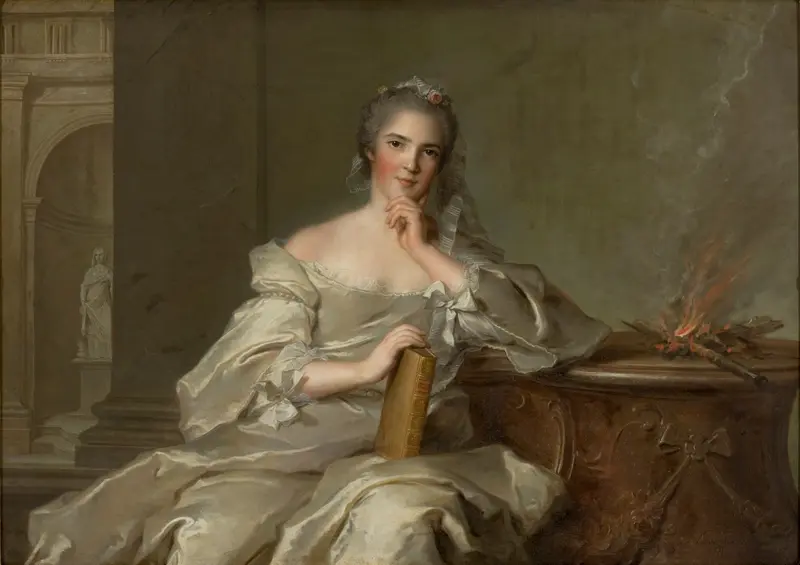
A sweep of silvery light falls across Anna Elisabeth Leerse’s face, drawing the viewer immediately to her steady gaze. The painter, Jean-Marc Nattier, has chosen a moment of poised dignity, framing her in sumptuous fabrics that seem to rustle with every shift of her shoulders. The rose-colored silk, gathered in generous folds and tied with bows, stands out against the cool, muted background, its sheen a quiet testament to wealth and taste.
The lace edging her bodice and sleeves is rendered with a delicacy that invites the eye to linger, while the pearls and gold threads hint at a life shaped by both affluence and restraint. Every detail, from the careful arrangement of her powdered hair to the subtle flush in her cheeks, is orchestrated to present not just a likeness, but a presence. Portraits like this one, painted in 1749, were more than mere records—they were declarations of status and identity, especially in the circles of prosperous banking families such as the Leerses of Frankfurt. In the mid-eighteenth century, the portrait was both a social instrument and a private treasure, often commissioned to commemorate alliances, mark milestones, or simply to assert one’s place in the world.
Jean-Marc Nattier was celebrated for his ability to blend the French Rococo’s softness with a psychological directness, and here, his sitter’s calm confidence is as important as her finery. Now part of the Städel collection, this painting survives as a window into an era when image and reality were woven together in silk and paint—look again, and see how every fold and glance was meant to speak volumes.
More Artworks by Jean-Marc Nattier

Madame Crozat de Thiers and Her Daughter
Jean-Marc Nattier
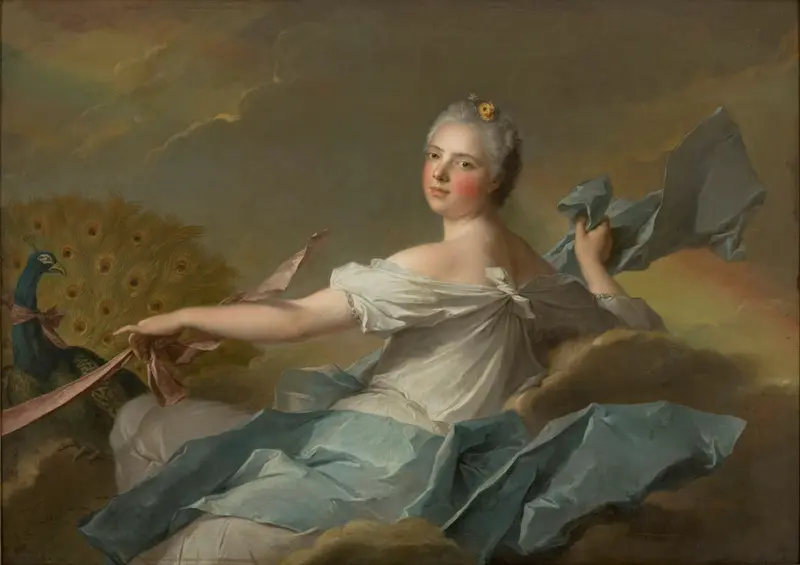
Princess Marie Adélaïde of France - The Air
Jean-Marc Nattier
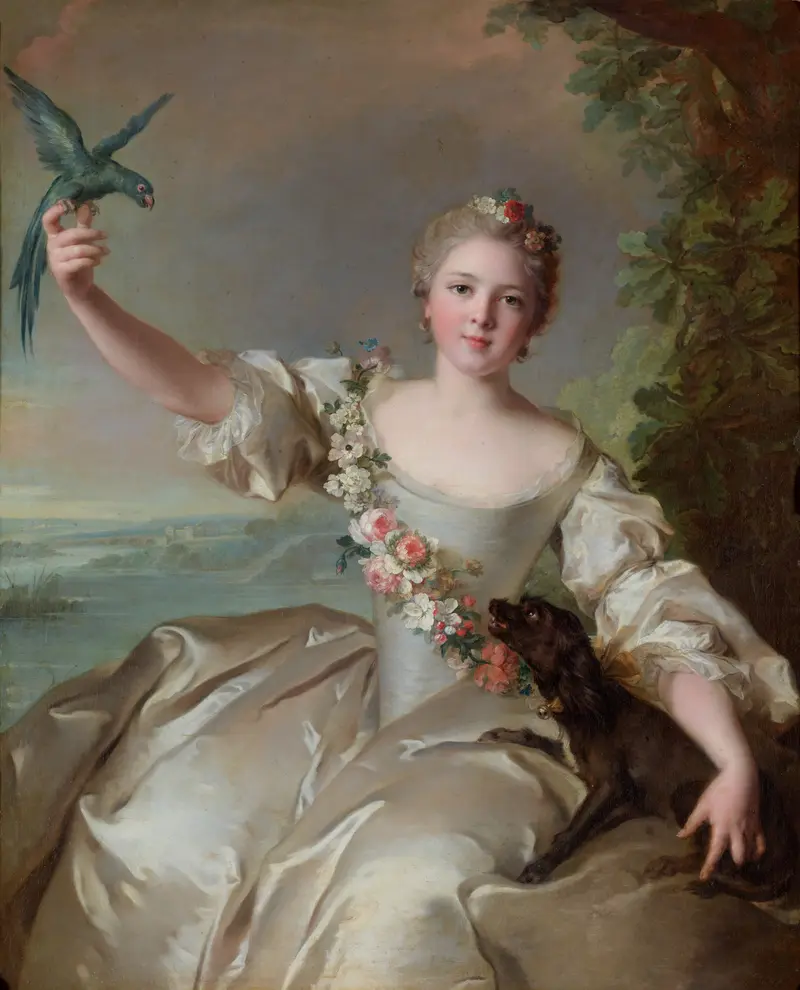
Portrait de Mathilde de Canisy, marquise d'Antin
Jean-Marc Nattier
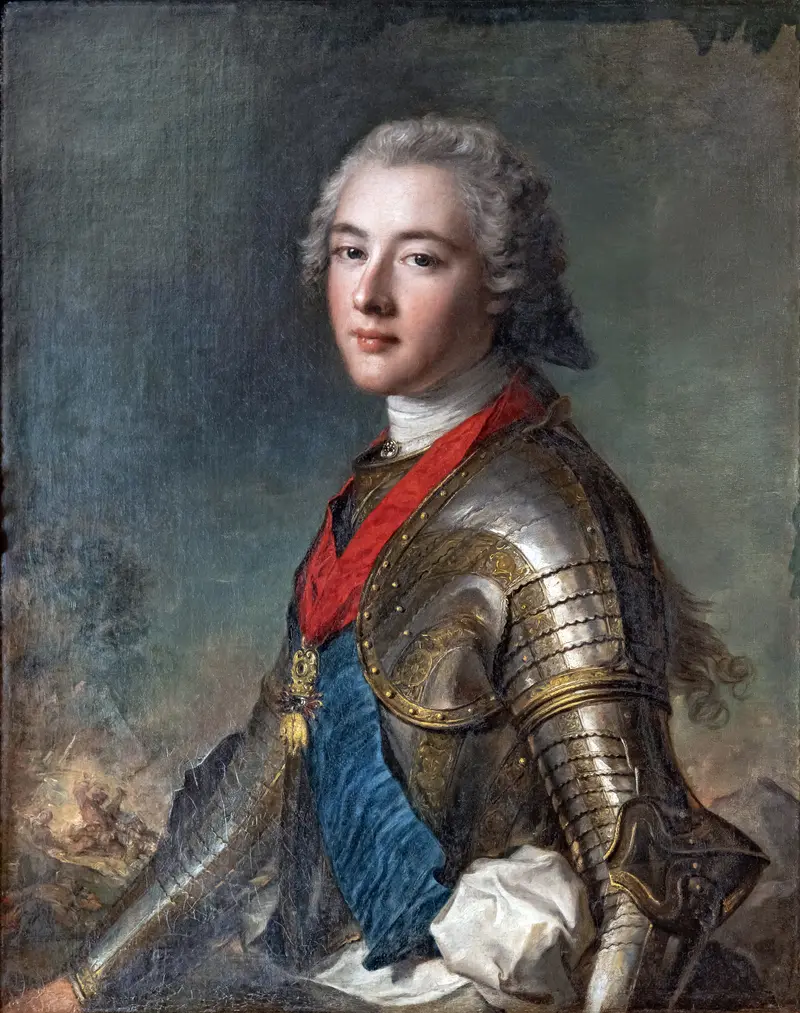
Bemberg Fondation Toulouse - Portrait de Louis Jean Marie de Bourbon, Duc de Penthièvre - Jean Marc Nattier inv.1158 82x65.4
Jean-Marc Nattier
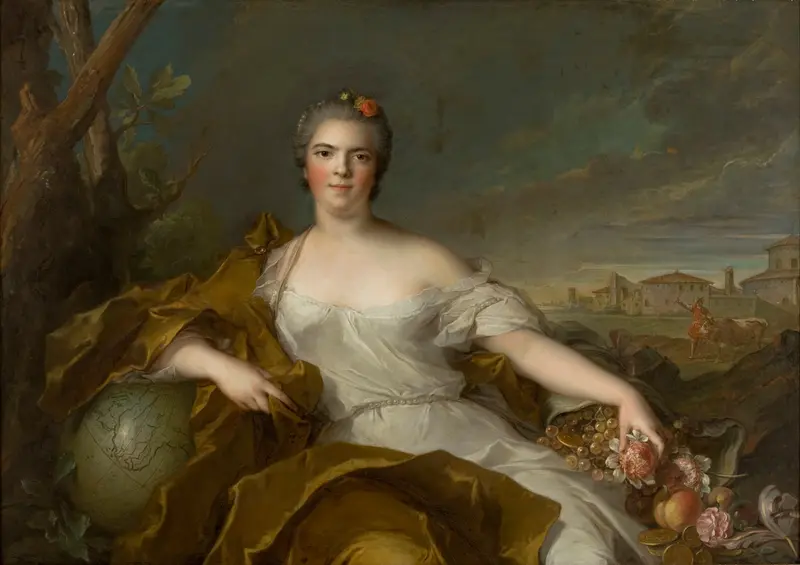
Princess Louise-Élisabeth of France - The Earth
Jean-Marc Nattier
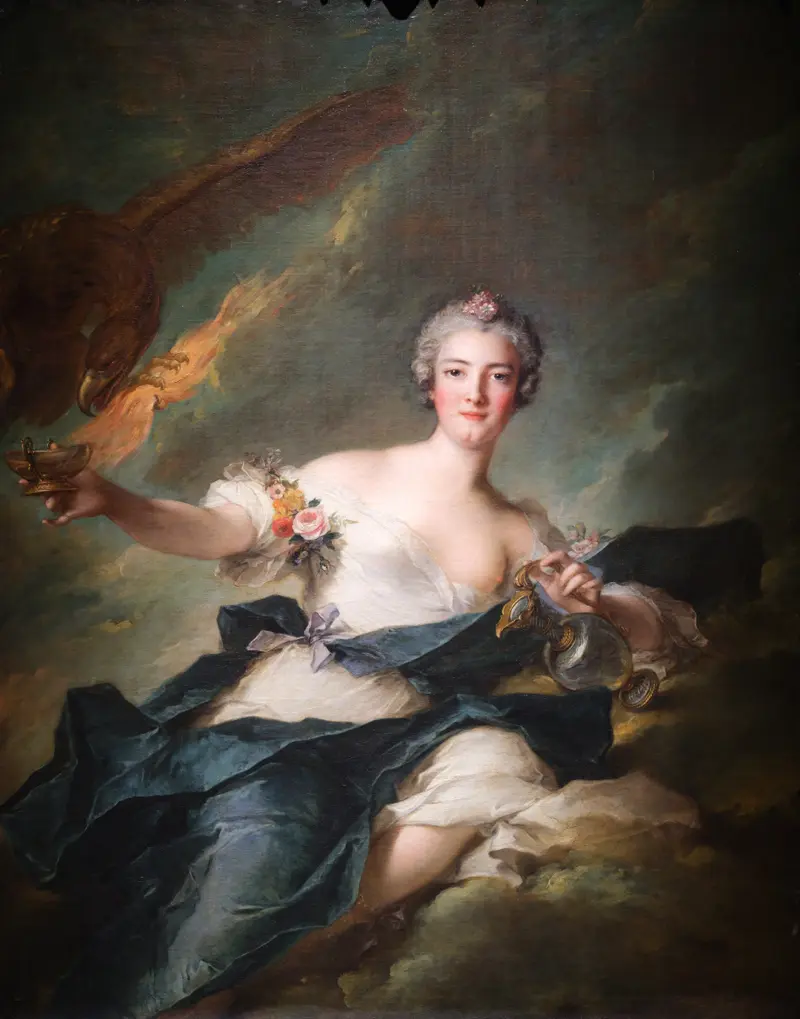
The Duchess of Chaulnes Represented as Hebe
Jean-Marc Nattier
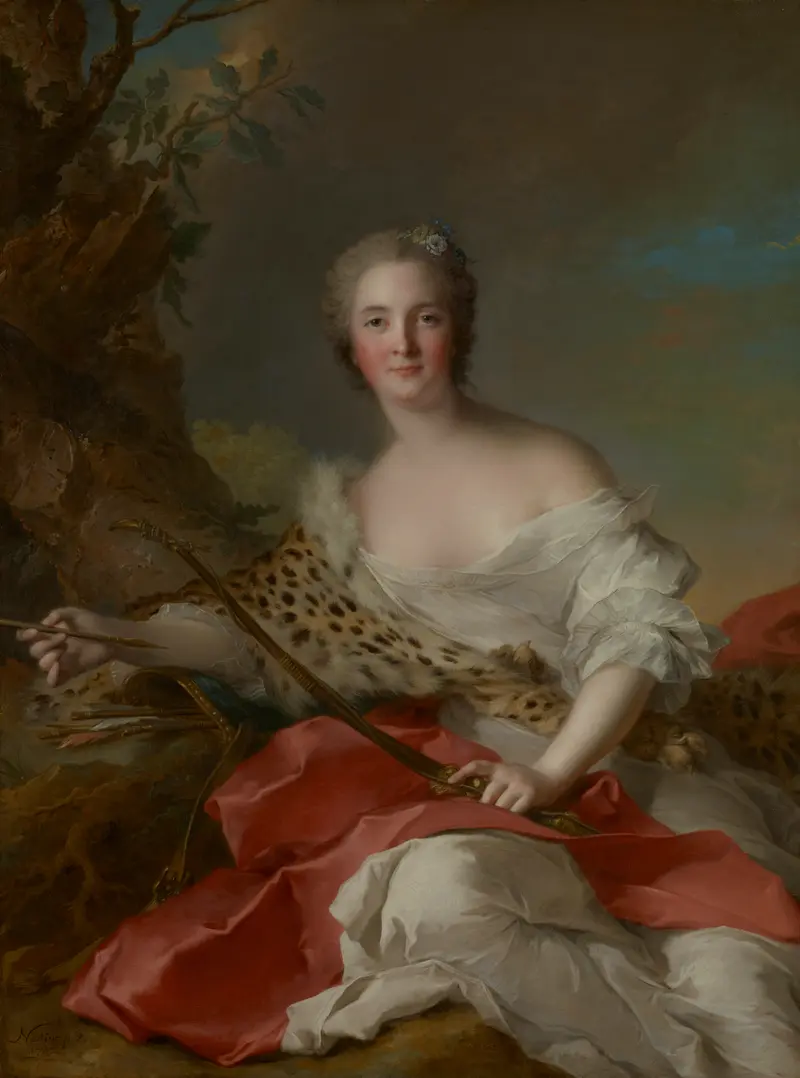
Portrait of Madame Bonnier de la Mosson as Diana (Constance-Gabrielle-Magdeleine du Monciel de Lauraille
Jean-Marc Nattier
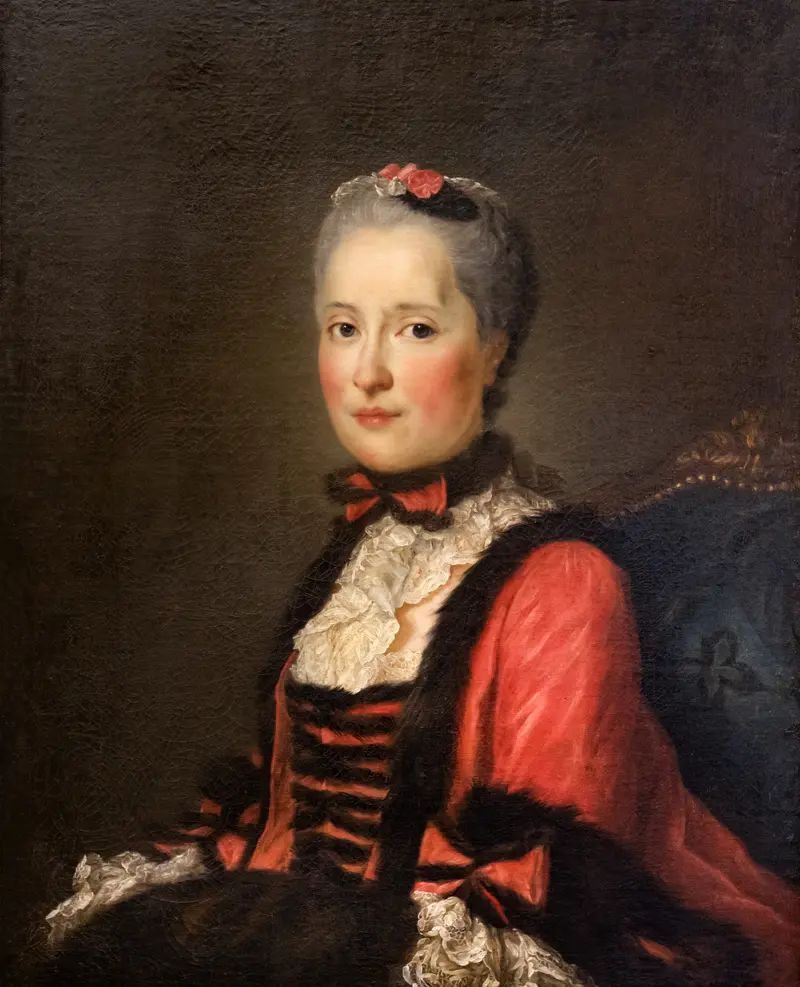
Portrait of Marie-Josephe of Saxony, Dauphine of France
Jean-Marc Nattier
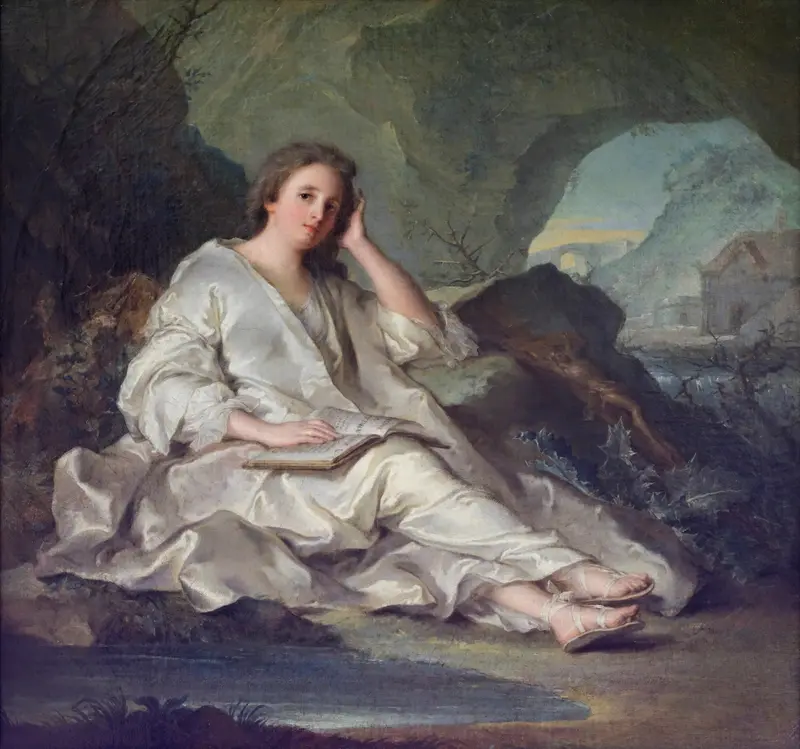
La Madeleine, ou Une Pénitente dans le désert Musée du Louvre Peintures INV 6880 ; MR
Jean-Marc Nattier
Princess Anne-Henriette of France - The Fire
Jean-Marc Nattier





