
Portrait of Jasper Schade van Westrum — History & Facts
When Jasper Schade van Westrum sat for his portrait in 1645, he was not only a Dutch diplomat and landowner but also a man of fashion, eager to be immortalized by the most sought-after portraitist in Haarlem. The painting is remarkable for the speed with which Frans Hals executed it: contemporary accounts note that Hals completed the likeness in just a few hours, a feat that astounded his peers and patrons alike. This rapid, energetic brushwork became a talking point in the Dutch Republic, where Hals’s technique was seen as both daring and modern.
The portrait’s lively immediacy stands in contrast to the more polished, static works of his contemporaries, making it a touchstone for debates about realism and artistry in the mid-17th century. The sitter is caught mid-turn, his lips parted as if about to speak, a glint of wit in his eyes. Hals captures Jasper’s confidence with a flourish of white lace at the collar and a swathe of black drapery, each rendered in loose, visible strokes that suggest movement and vitality. The gold chain across his chest signals status, while the daylight falling across his face highlights the ruddy health and vigor of youth.
Unlike the formal, composed portraits of Anthony van Dyck, Hals’s approach feels conversational, as if Jasper might lean forward and address the viewer directly. Every element—the informal pose, the direct gaze, the flickering light—serves to animate the sitter, making him seem present rather than posed. The painting’s early history is not fully documented, but it is likely that Jasper himself commissioned the work, as was customary among the Dutch elite. Over the centuries, the portrait changed hands several times, passing through private collections before entering the public sphere.
Its attribution to Frans Hals has never been seriously challenged, thanks to the unmistakable brushwork and the lively psychological insight that mark his mature period. Today, Portrait of Jasper Schade van Westrum is recognized as a prime example of Hals’s late style, celebrated for its immediacy and its ability to bridge the gap between sitter and viewer. It now hangs in the Museo Thyssen-Bornemisza in Madrid, a testament to the enduring appeal of Hals’s vision.
More Artworks by Frans Hals

Banquet of the Officers of the St George Civic Guard
Frans Hals

Portrait of Jacob Pietersz Olycan (1596-1638)
Frans Hals
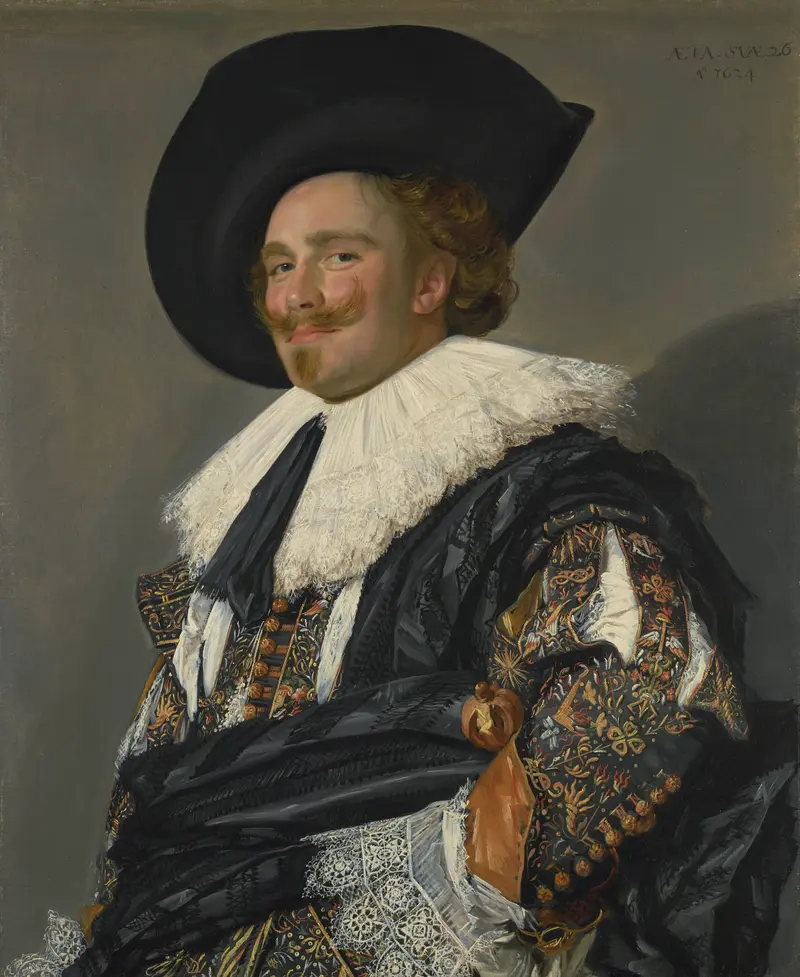
Laughing Cavalier
Frans Hals

Militia Company of District XI under the Command of Captain Reynier Reael, Known as ‘The Meagre Company’
Frans Hals
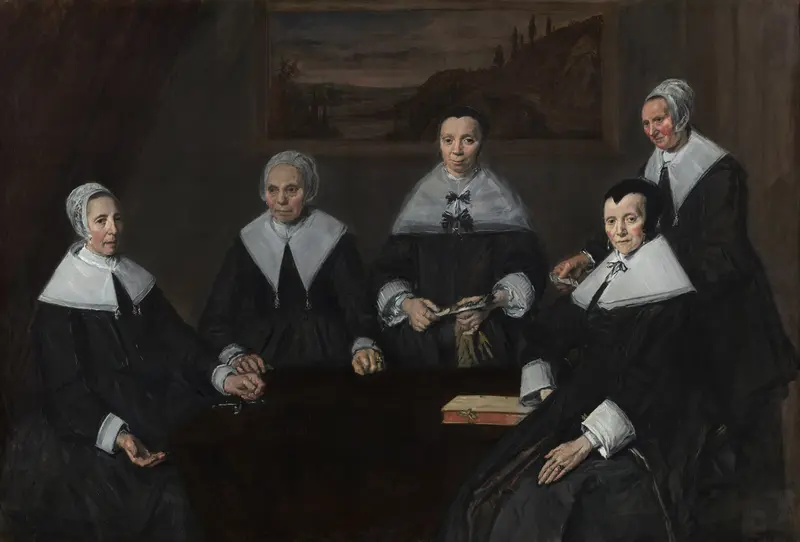
Regentesses of the Old Men's Alms House
Frans Hals
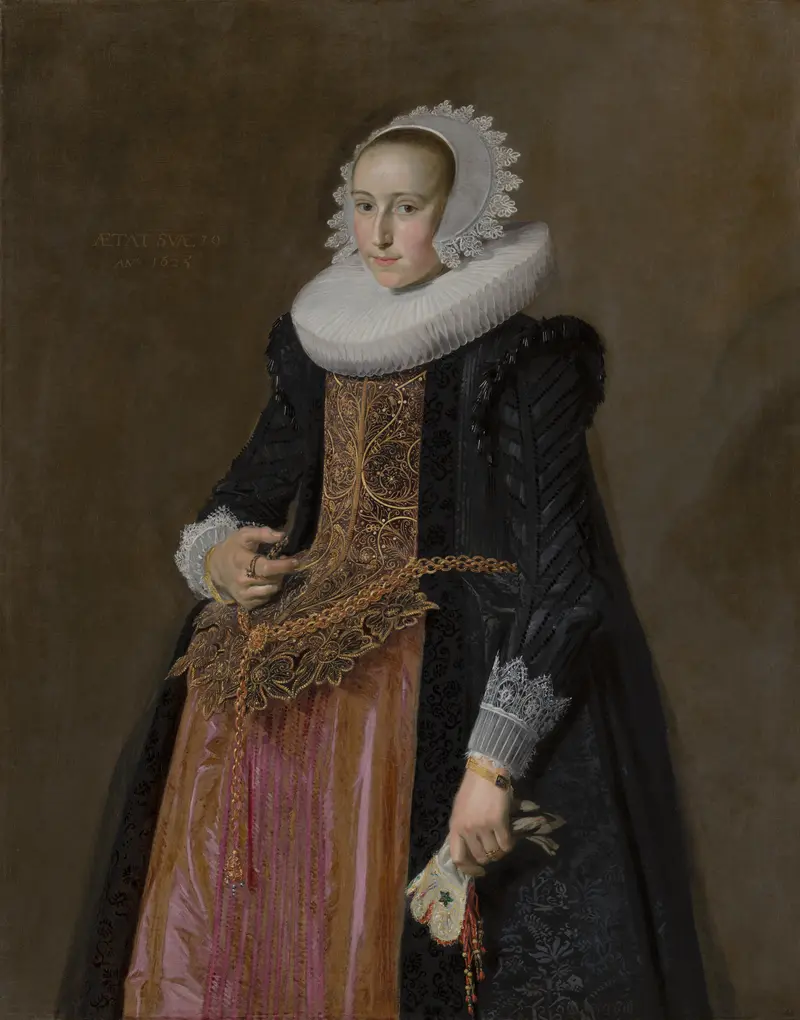
Portrait of Aletta Hanemans (1606–1653)
Frans Hals
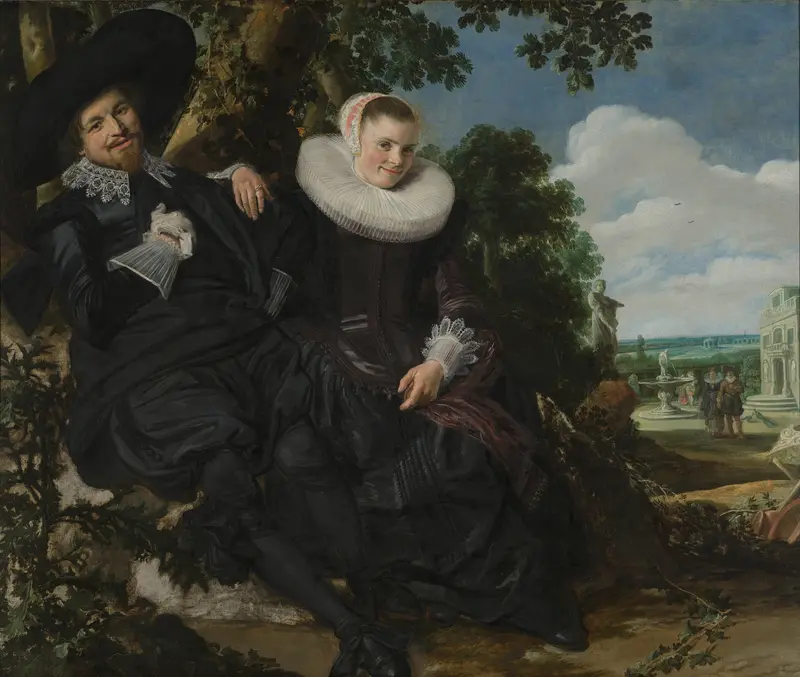
Portrait of a Married Couple, Likely Isaac Abrahamsz Massa and Beatrix van der Laen
Frans Hals
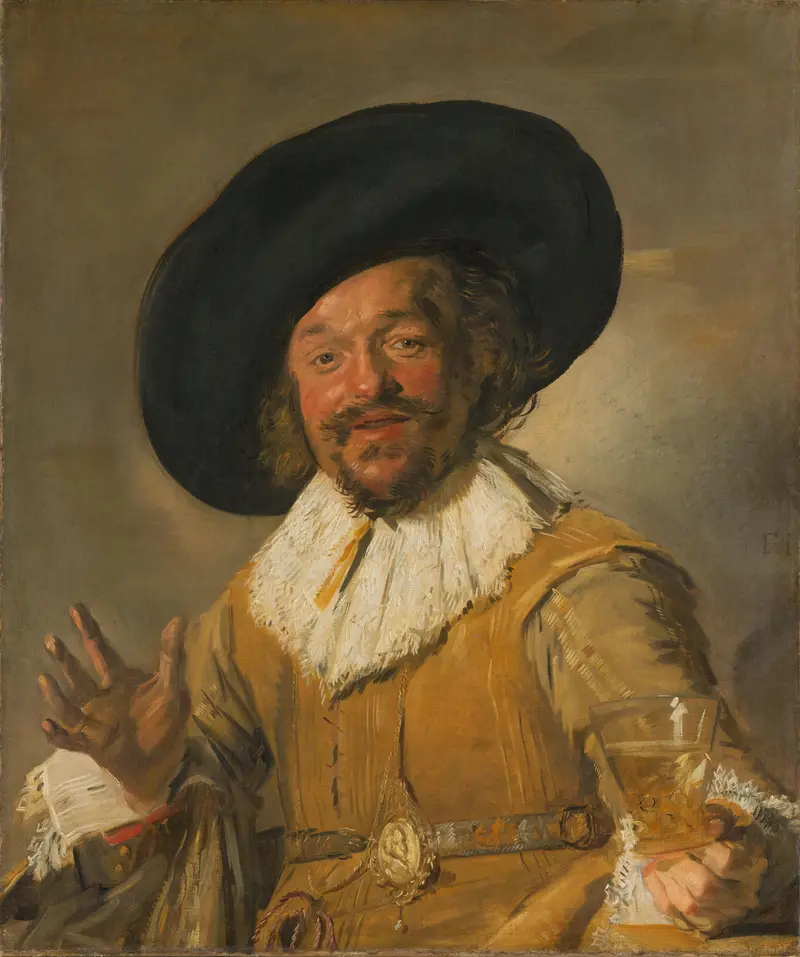
The Merry Drinker
Frans Hals
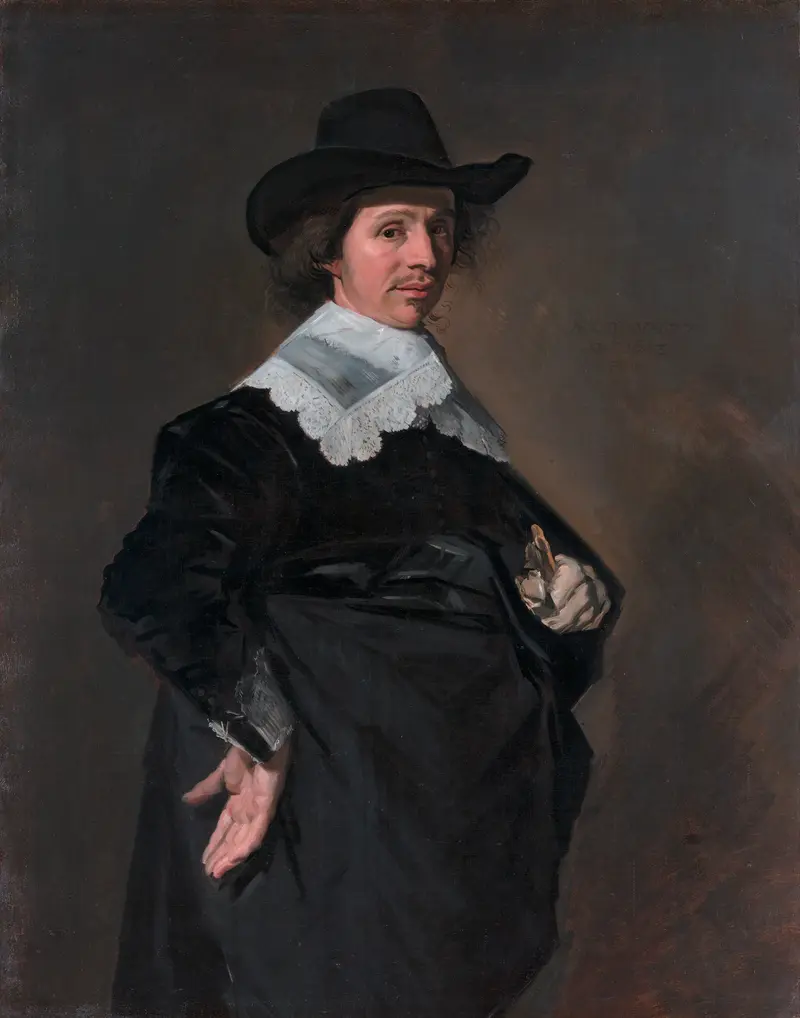
Portrait of Paulus Verschuur
Frans Hals
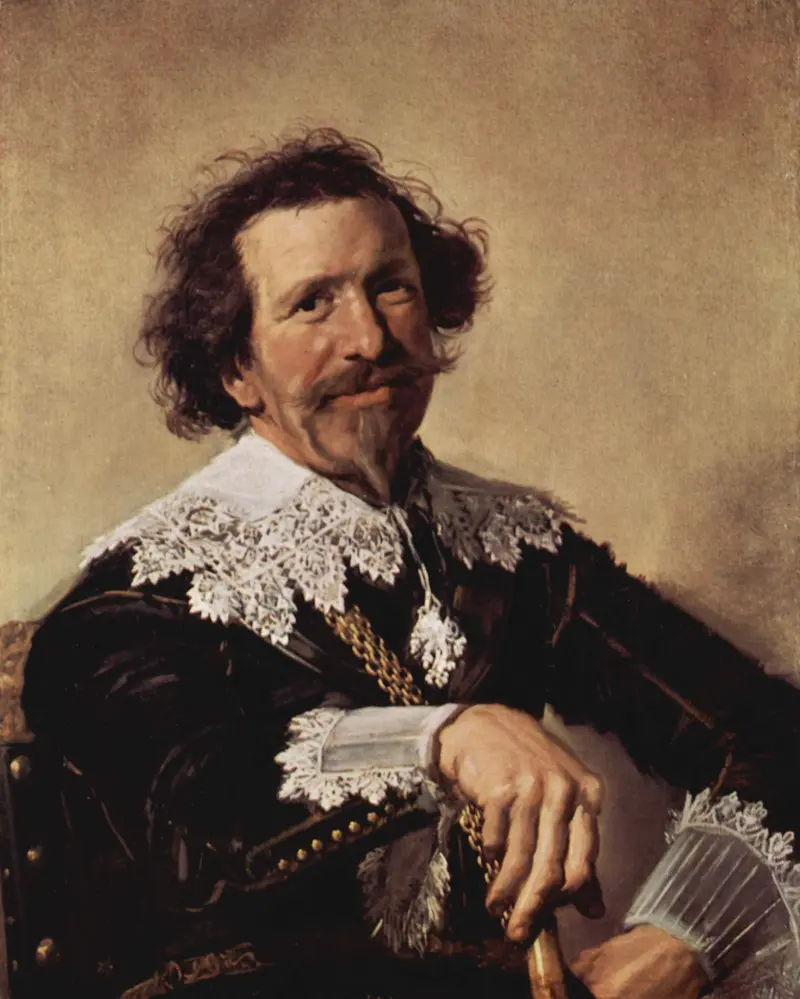
Portrait of Pieter van den Broecke
Frans Hals





