
Portrait of Józef Ciechoński — History & Facts
When Jan Matejko painted Portrait of Józef Ciechoński in 1873, he chose not a king or a statesman, but a close friend and fellow artist, immortalizing a figure from his own circle rather than a national hero. This decision stands out in a career dominated by grand historical canvases, and it offers a rare, intimate glimpse into the private world of the Polish painter. The portrait has sparked curiosity among art historians, who note that Matejko seldom painted such personal likenesses, making this work a unique testament to friendship within the Kraków art community of the late nineteenth century. In the painting, Józef Ciechoński sits with a quiet dignity, his gaze direct yet contemplative, hands resting calmly in his lap.
The dark, subdued background draws the viewer’s attention to the sitter’s expressive face, where Matejko’s brush captures both the intellect and the reserved melancholy of his friend. The simple attire and lack of ostentatious props set this portrait apart from Matejko’s usual historical spectacles, focusing instead on character and presence. Unlike the theatricality of Franz Xaver Winterhalter’s court portraits, Matejko’s approach here is introspective, emphasizing psychological depth over grandeur. The exact provenance of Portrait of Józef Ciechoński is not thoroughly documented, but it is believed to have remained within private collections for much of its existence, a reflection of its personal nature.
Today, it is recognized as an important example of Jan Matejko’s rare ventures into portraiture beyond his celebrated historical scenes. The painting offers insight into the artist’s friendships and the vibrant artistic circles of Kraków in the 1870s, standing as a quiet counterpoint to the turbulent national dramas that defined the rest of his oeuvre. Its current location is not widely published, but it continues to be studied as a window into Matejko’s personal life and artistic versatility.
More Artworks by Jan Matejko
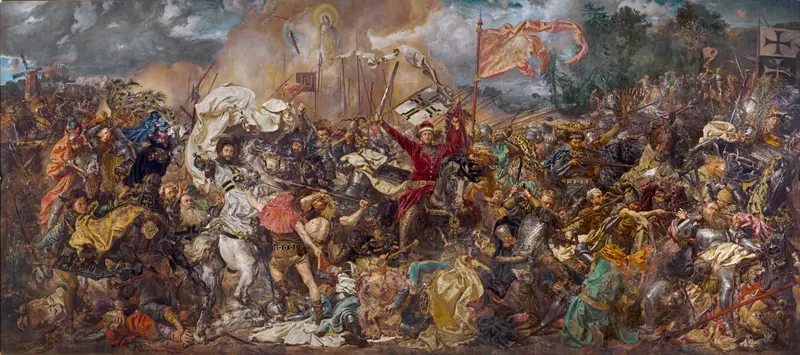
Battle of Grunwald
Jan Matejko

Stańczyk
Jan Matejko

Battle of Raclawice
Jan Matejko
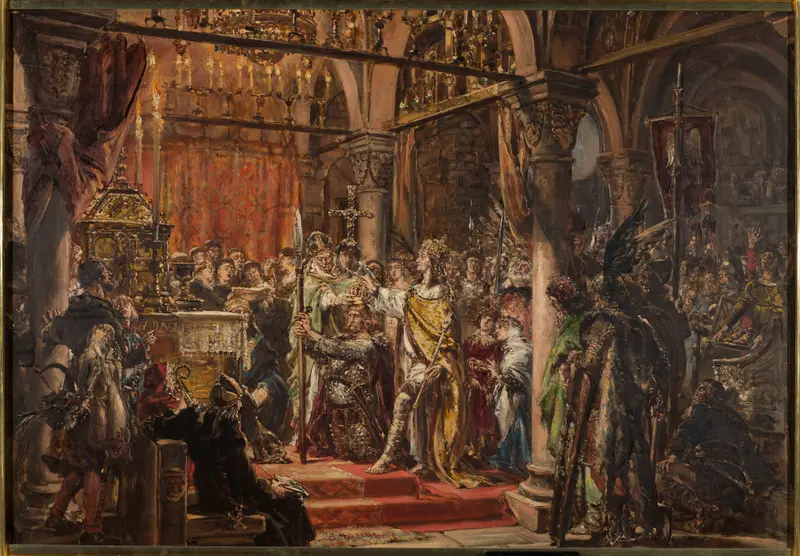
Coronation of the First King, 1001 AD, from the series “History of Civilization in Poland”
Jan Matejko
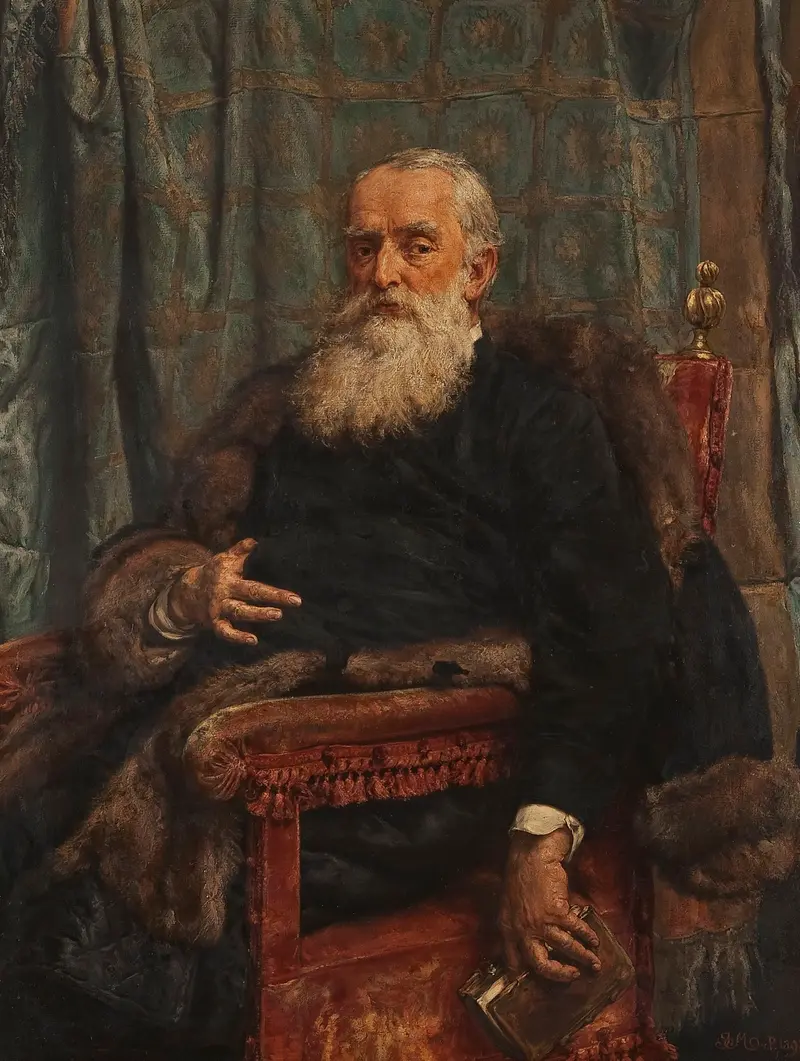
Portrait of Henryk Krajewski
Jan Matejko
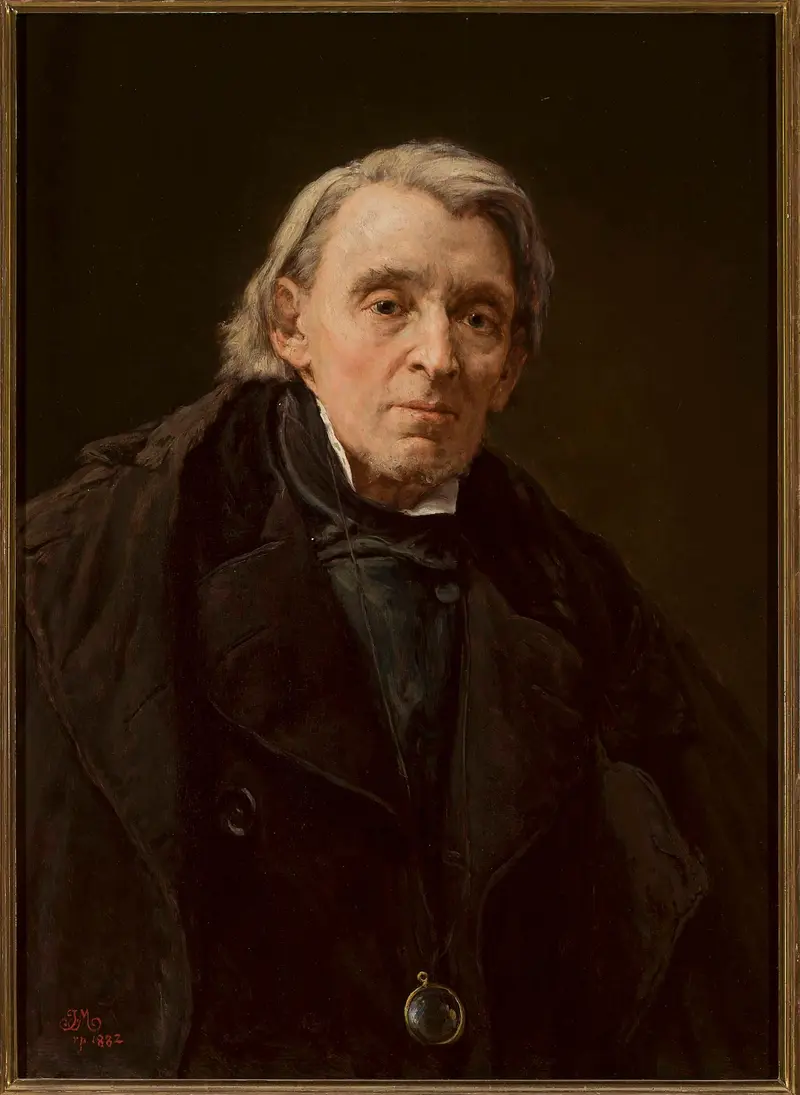
Portrait of Karol Podlewski
Jan Matejko
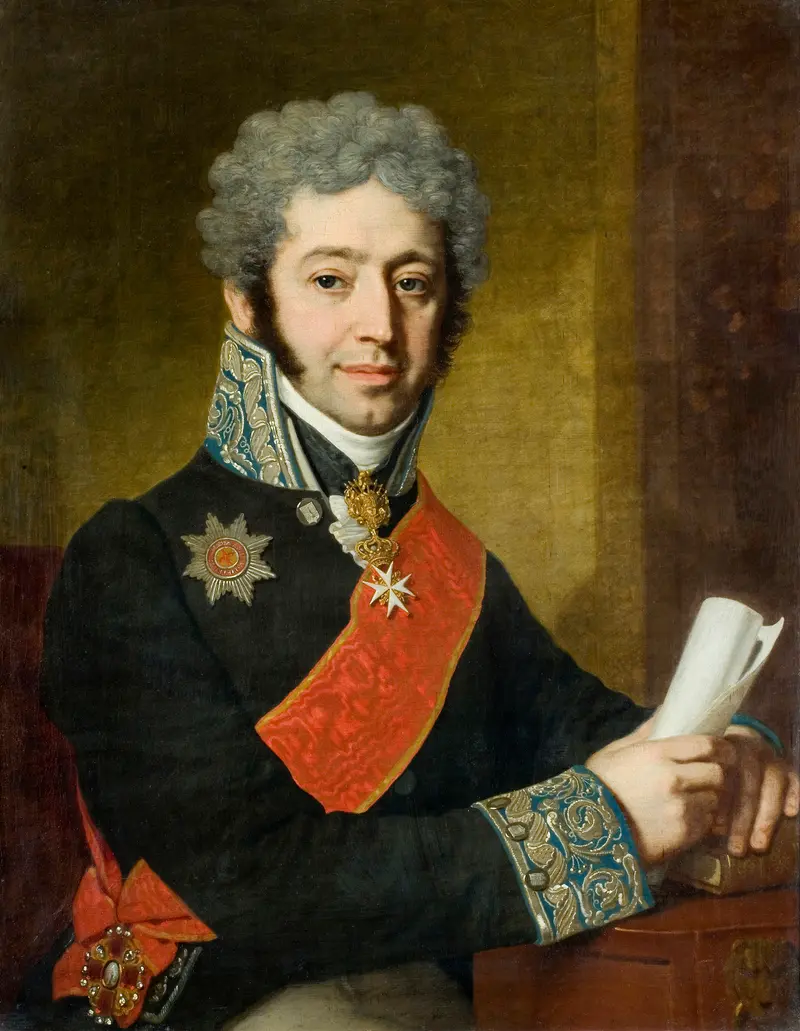
Portrait of Potocki and Poninski
Jan Matejko
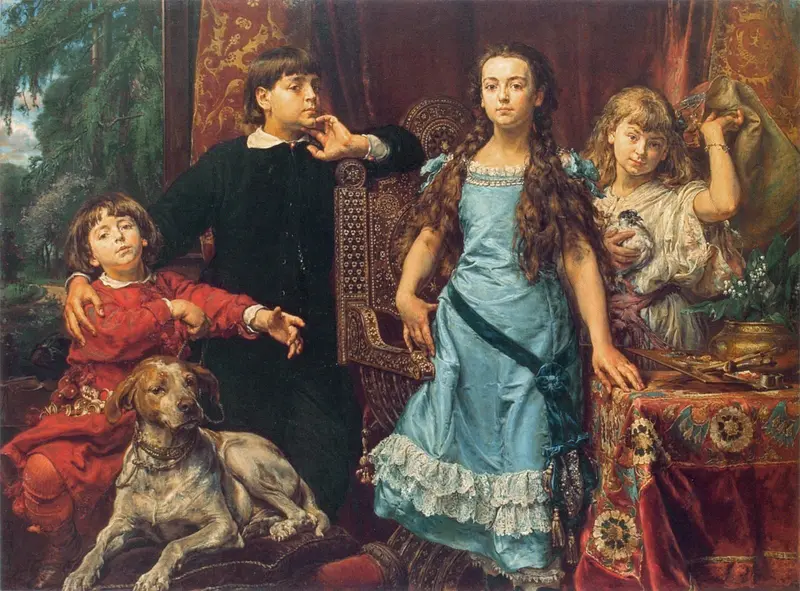
Portrait of the artist's four children
Jan Matejko
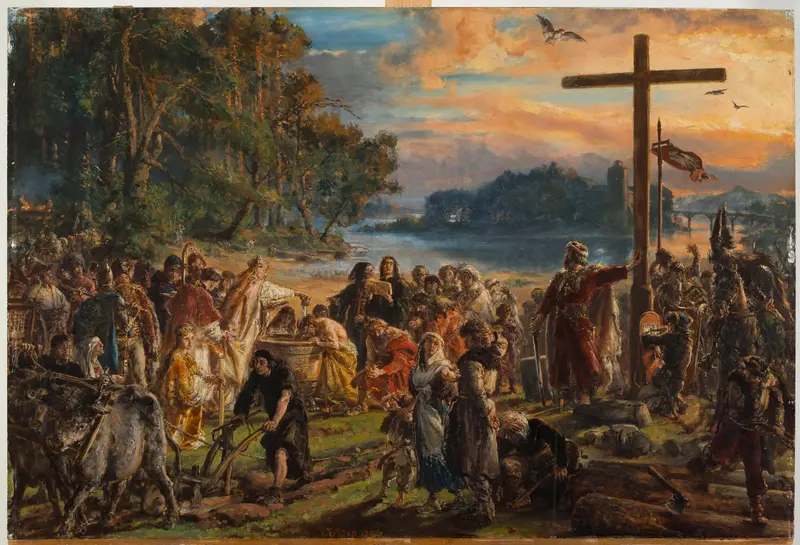
Introduction of Christianity in Poland
Jan Matejko
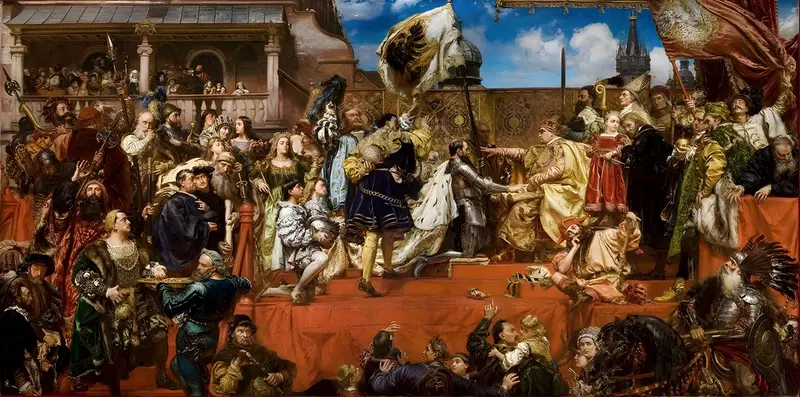
Prussian Homage
Jan Matejko





