
Portrait of Lorenzo di Giovanni de' Medici — History & Facts
What first catches the eye in Portrait of Lorenzo di Giovanni de' Medici is the measured confidence of its subject, poised between the world of action and the world of thought. The sitter’s right hand, palm open, seems to offer a silent argument or invitation, while his left keeps a rolled document close, signaling both authority and intellect. The deep red of his headdress and robe draws the gaze, setting him apart from the cool, stony architecture and the distant, golden-lit landscape glimpsed through a window.
Every detail—the fur lining, the crisp white sleeve, the precise geometry of columns—works to establish a figure at the center of power, yet touched by the subtle tension of introspection. Painted in 1585, this work by Alessandro Allori belongs to a world where portraiture was a declaration of status, lineage, and civic pride. Florence in the late sixteenth century was a city of dynasties, and portraits like this, now in the collection of palazzomediciriccardi.it, were often commissioned to assert a family’s place in the shifting currents of Medici rule. The careful rendering of costume and setting speaks to the Renaissance ideal of the individual as both actor and thinker, shaped by heritage and ambition.
History has kept few traces of the specific journey of this painting, but its presence invites us to linger on the face of a man who once shaped—and was shaped by—the world behind those distant hills.
More Artworks by Alessandro Allori

Francesco de' Medici
Alessandro Allori
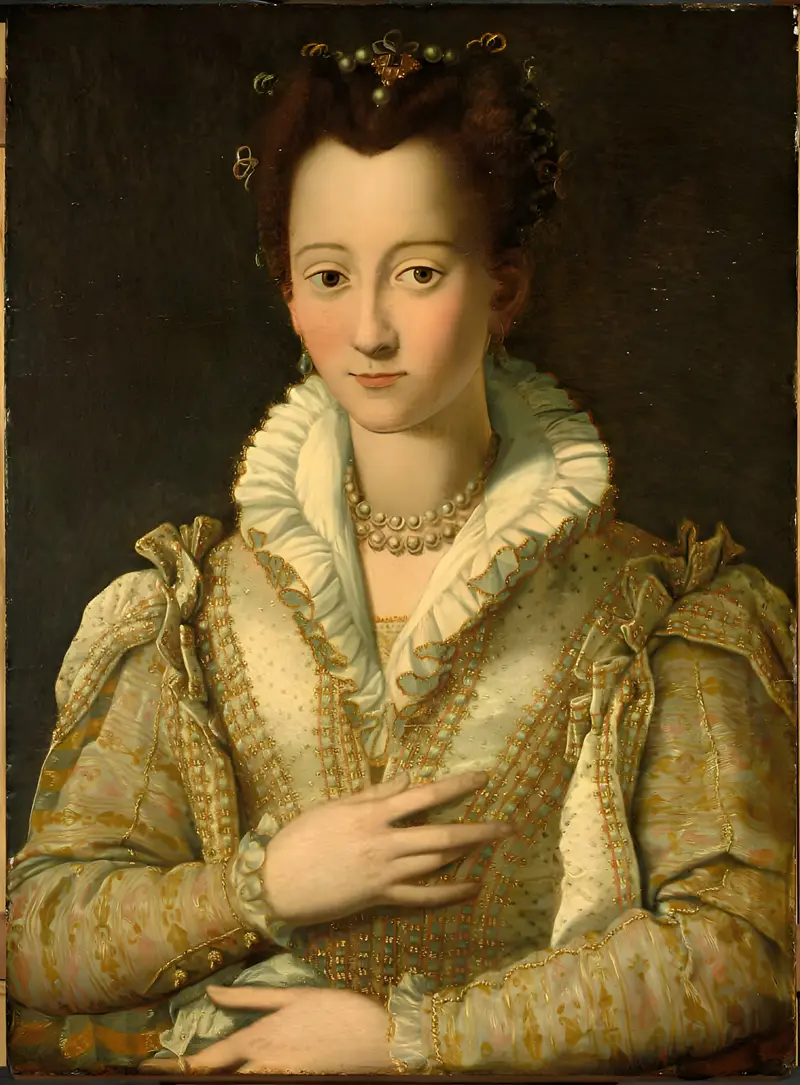
Portrait of a Woman
Alessandro Allori
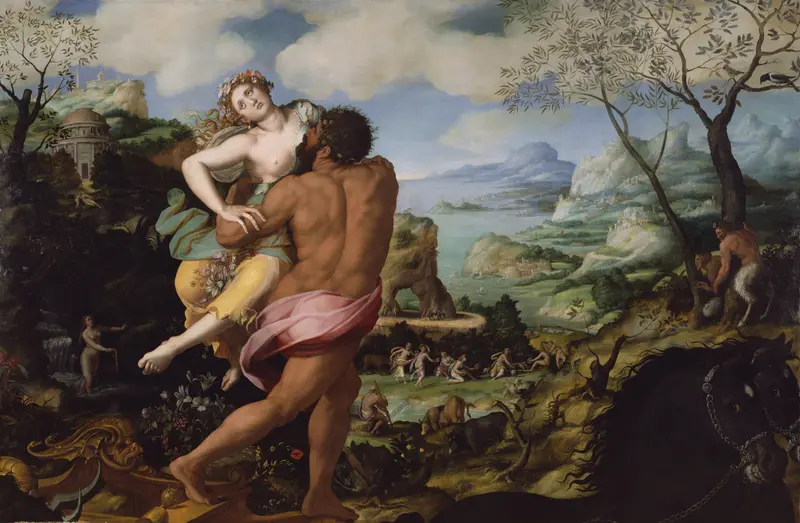
The Abduction of Proserpine
Alessandro Allori
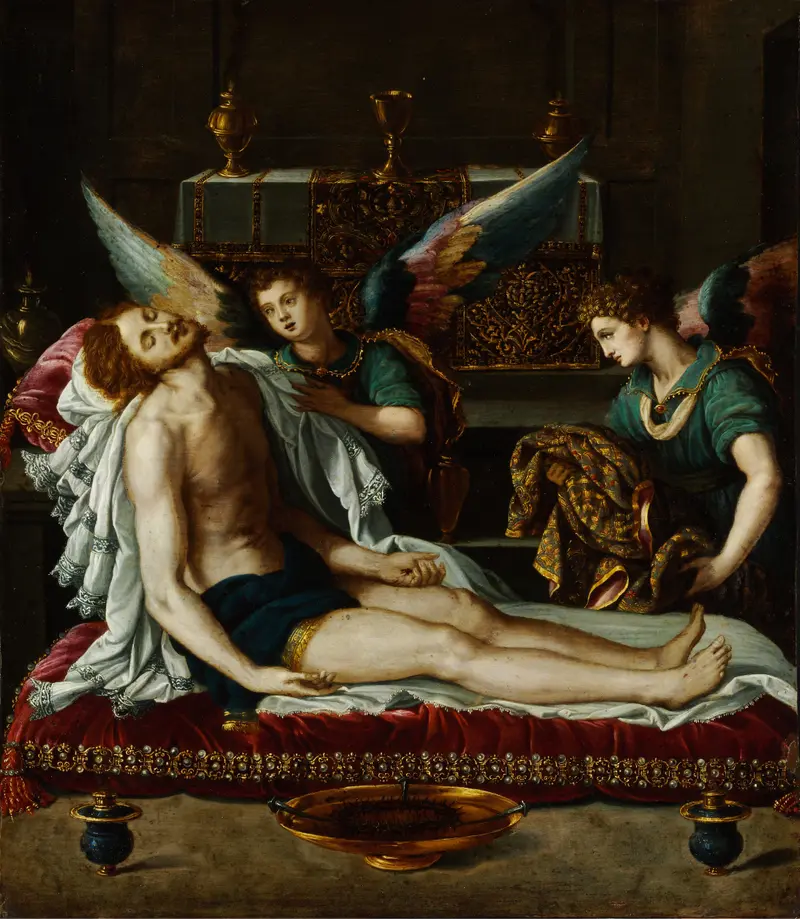
The Body of Christ Anointed by Two Angels
Alessandro Allori
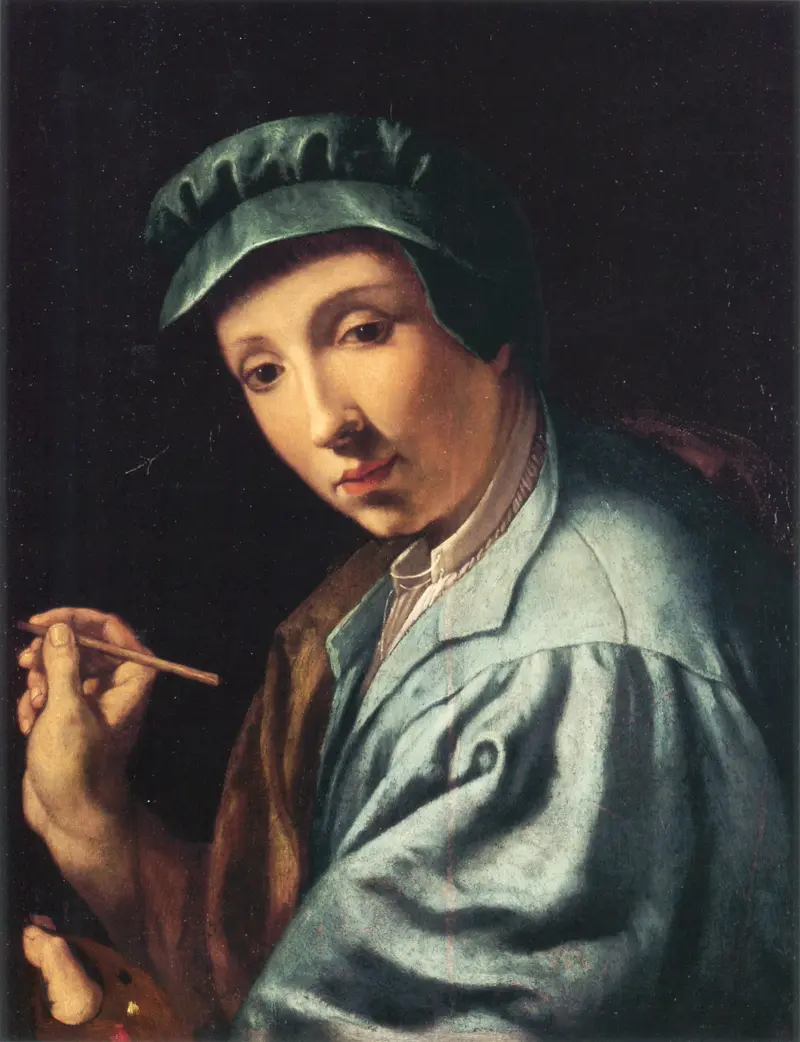
Self-portrait
Alessandro Allori
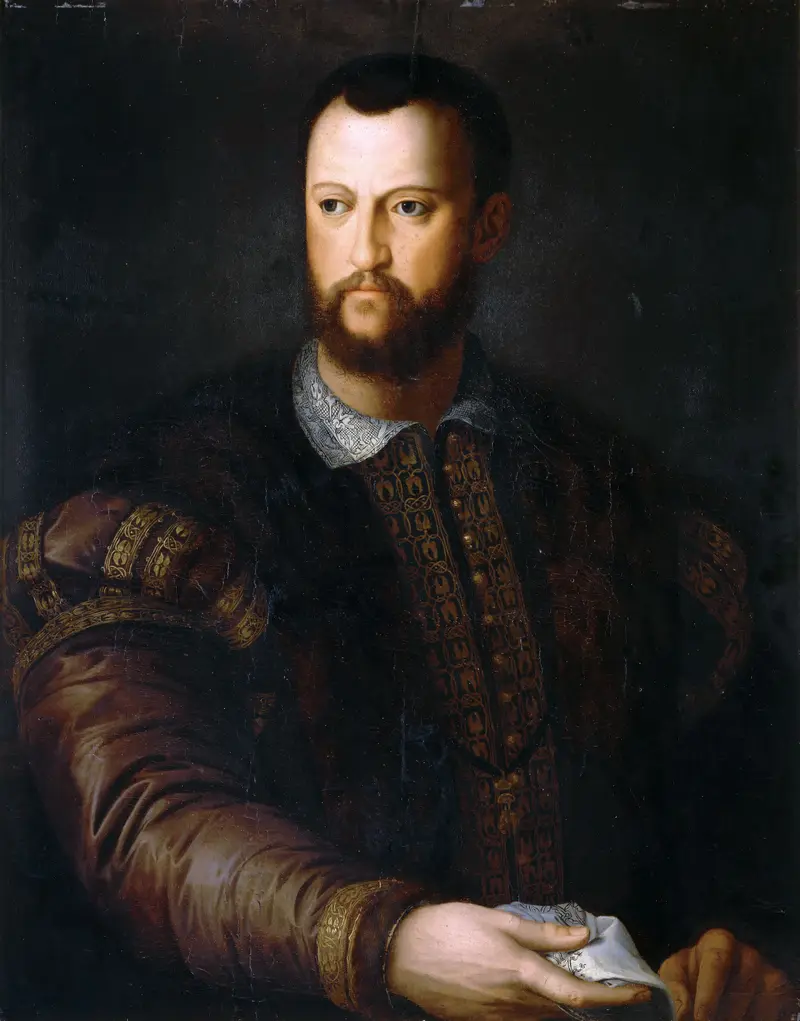
Portrait of Cosimo I de' Medici
Alessandro Allori
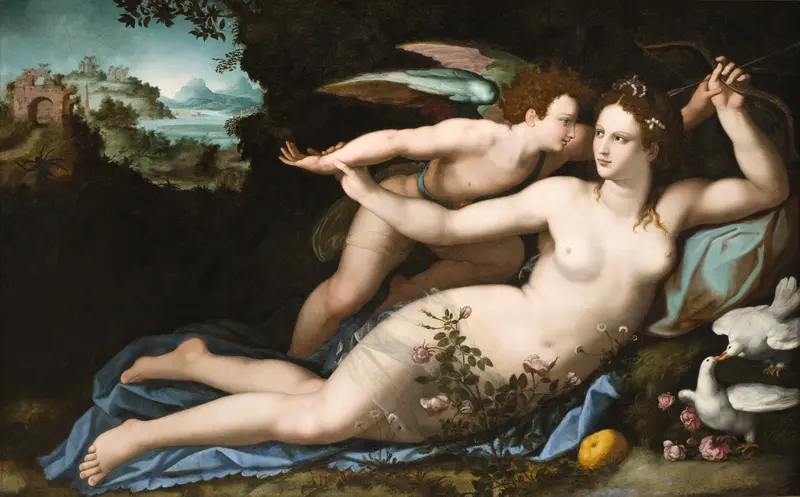
Venus disarming Cupid
Alessandro Allori
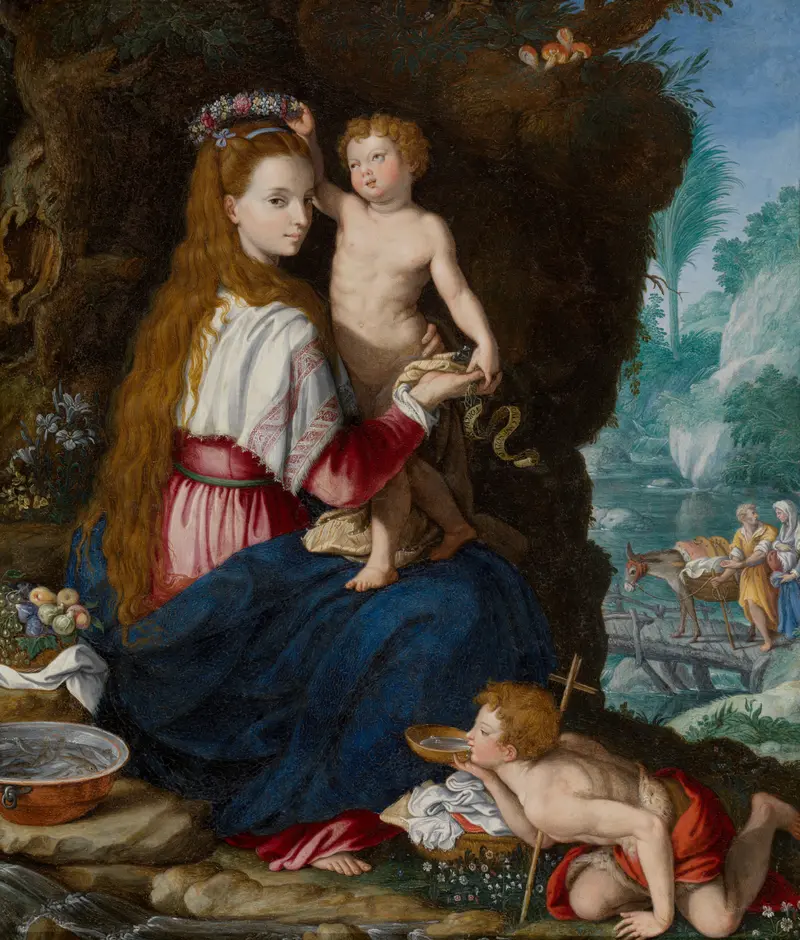
Madonna with Little Saint John
Alessandro Allori
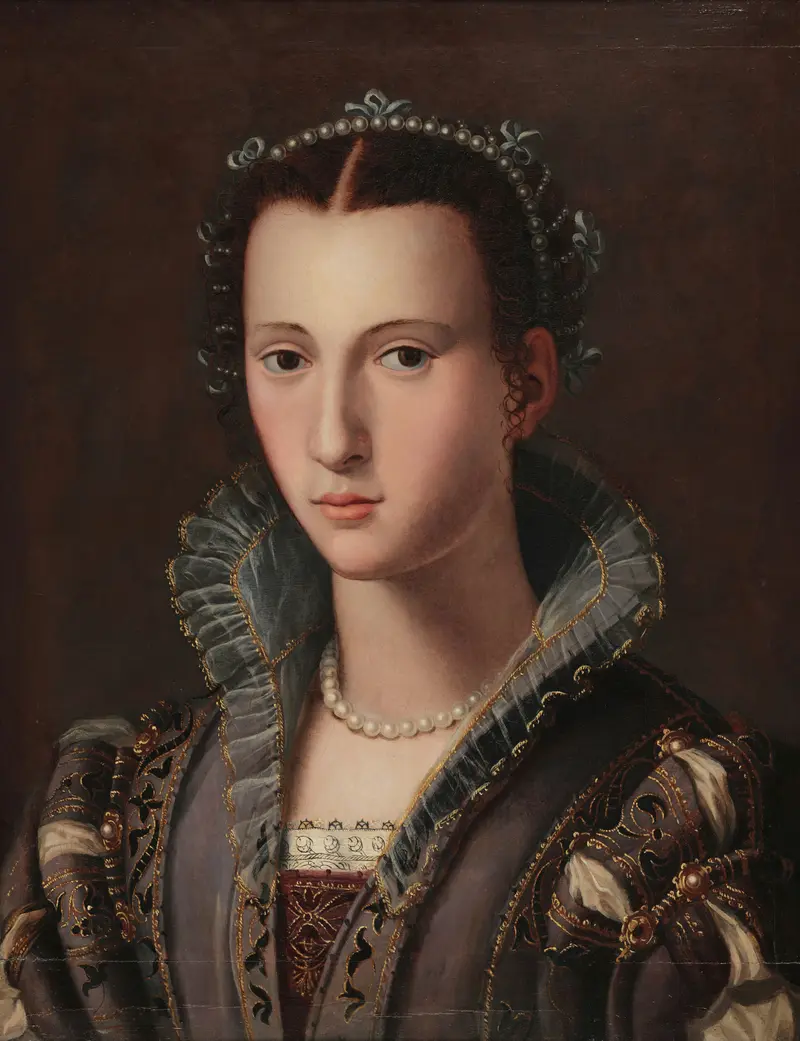
Portrait of a Florentine Lady
Alessandro Allori
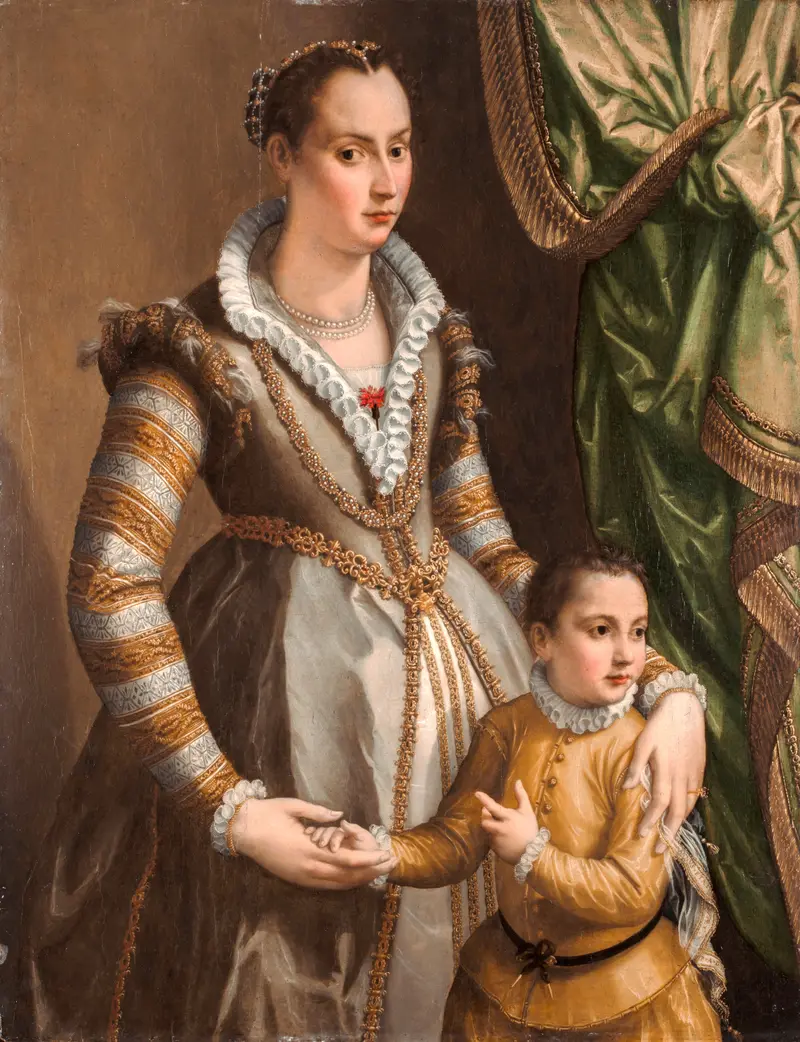
Portrait of a Noblewoman with her Son
Alessandro Allori





