
Portrait of Lucas Alexander Ionides — History & Facts
A boy’s gaze meets ours, frank and unguarded, as if caught between curiosity and patience. The painter’s brush lingers on the softness of youth: cheeks still round, lips pressed in a line that suggests both resolve and uncertainty. The light is gentle, falling from the left to illuminate the sitter’s face and the crisp white of his collar, while the background recedes into a haze of brown and ochre, drawing all attention to the boy’s expression.
There is a quiet formality in the pose, yet the looseness of the brushwork around the jacket and hair hints at a painter intent on capturing something fleeting—a moment of character rather than mere likeness. Painted in 1860, this is the world of James McNeill Whistler at the threshold of his career, when portraiture was both a calling card and a proving ground for young artists. In mid-19th-century Europe, such portraits were often commissioned by families eager to record the passage from childhood to adulthood, a rite of passage as much as a keepsake. Whistler’s approach, even early on, was to pare back unnecessary detail, focusing instead on the psychological presence of his sitter—a tendency that would later define his mature style.
Today, the painting resurfaces at Bonhams London, a quiet testament to the era’s faith in portraiture as a way of holding onto the fleeting years. The boy’s steady eyes invite us to linger, wondering what stories might lie behind that composed exterior.
More Artworks by James McNeill Whistler
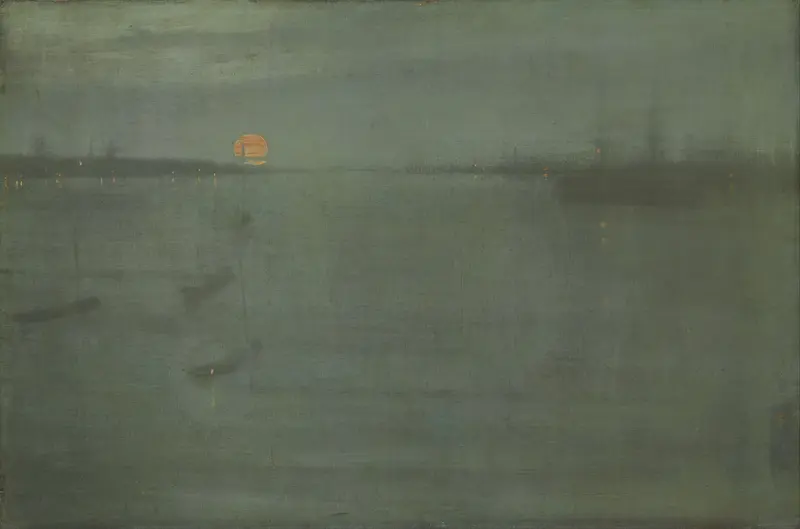
Nocturne: Blue and Gold—Southampton Water
James McNeill Whistler
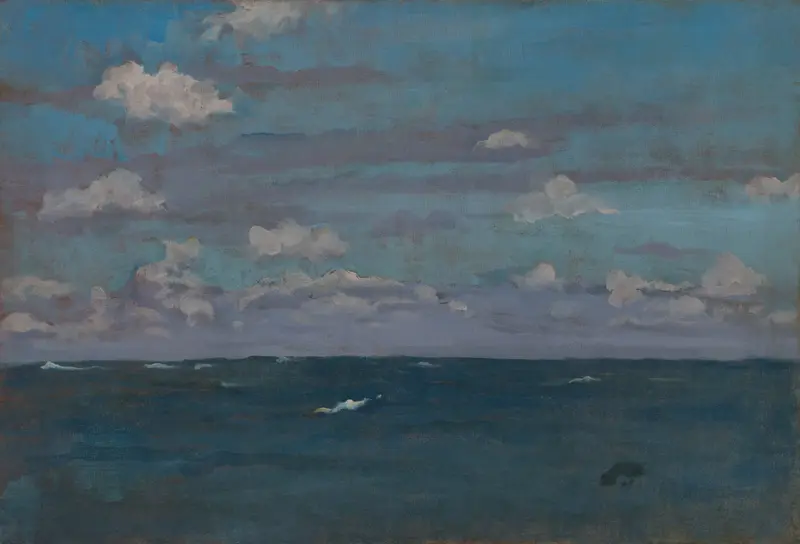
Violet and Silver—The Deep Sea
James McNeill Whistler
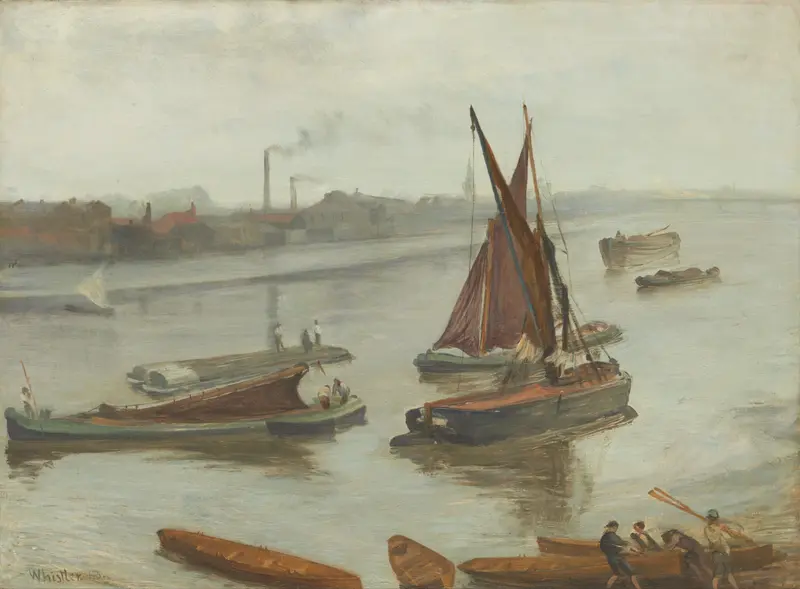
Grey and Silver: Old Battersea Reach
James McNeill Whistler
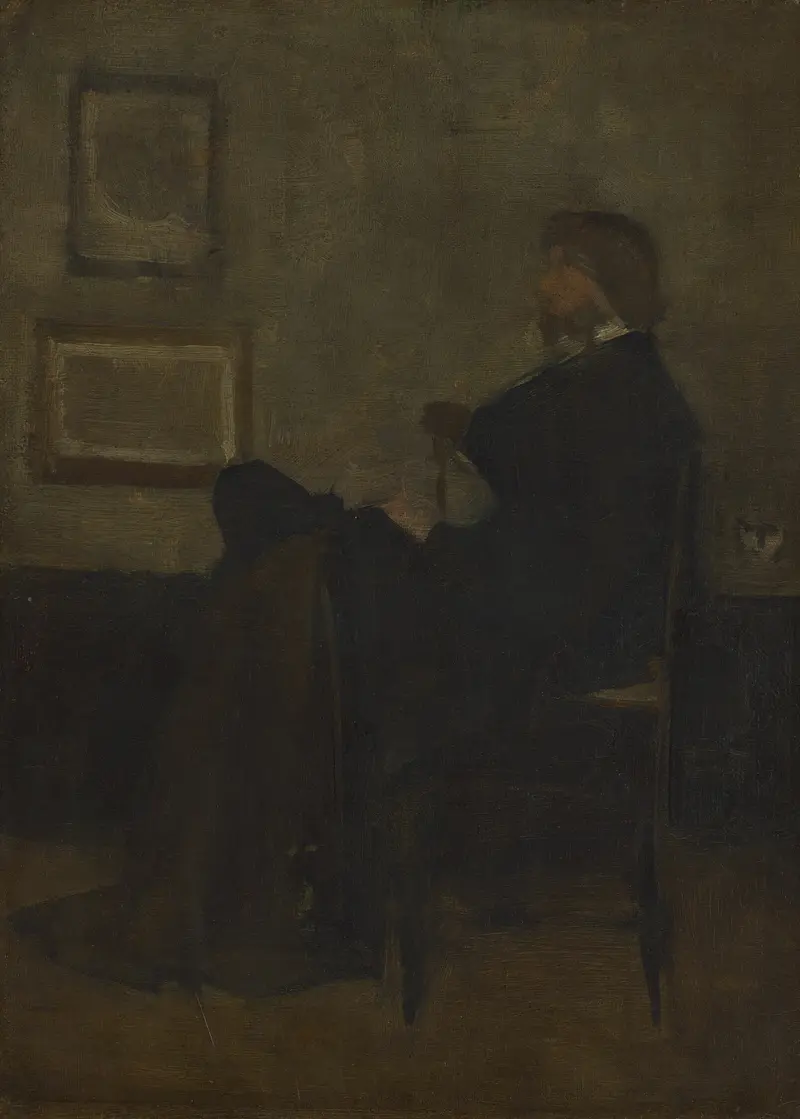
Study for "Arrangement in Grey and Black, No. 2: Portrait of Thomas Carlyle"
James McNeill Whistler
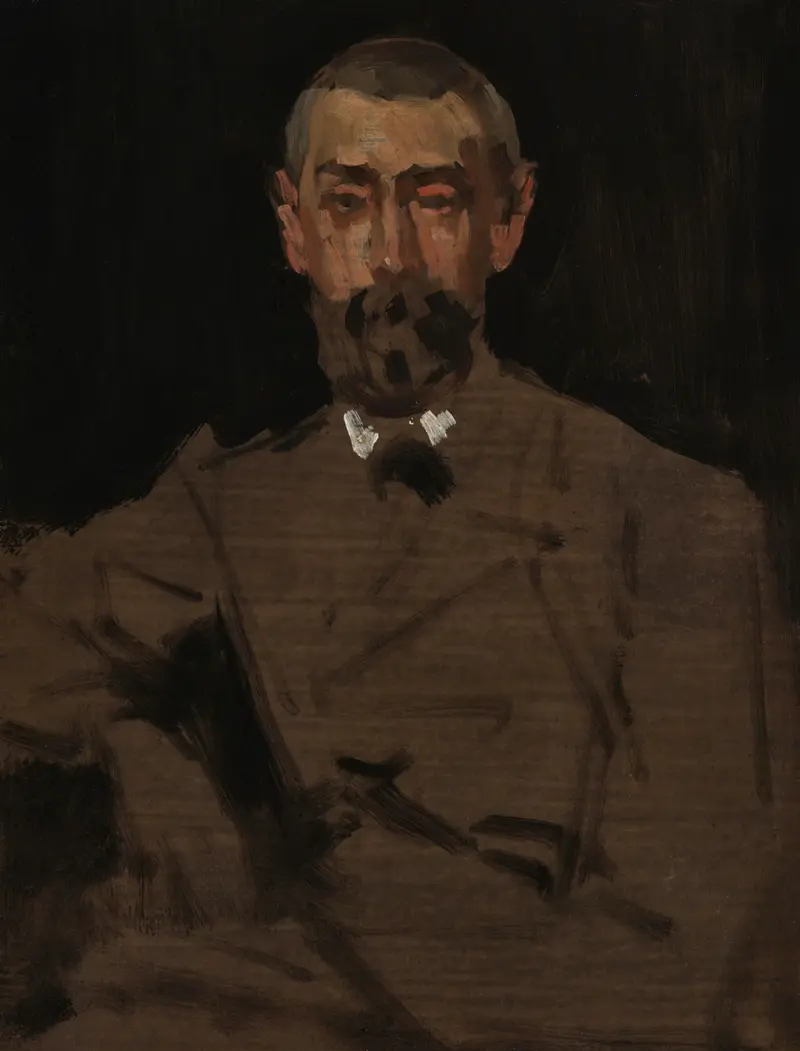
Portrait of M. R. Elden
James McNeill Whistler
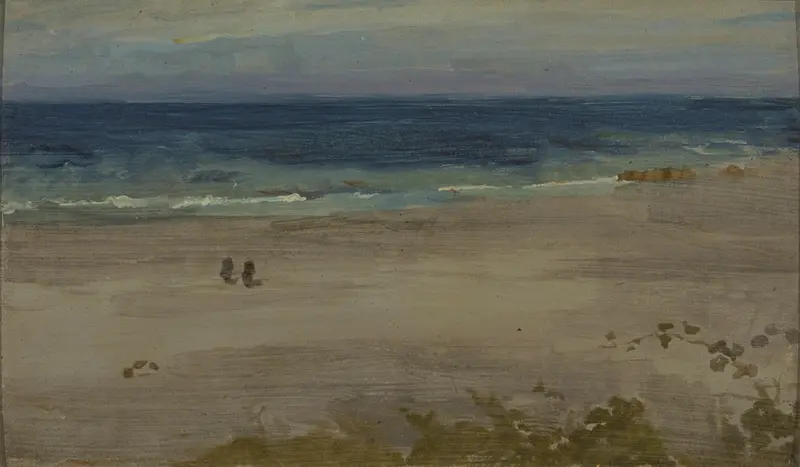
The Blue Sea
James McNeill Whistler
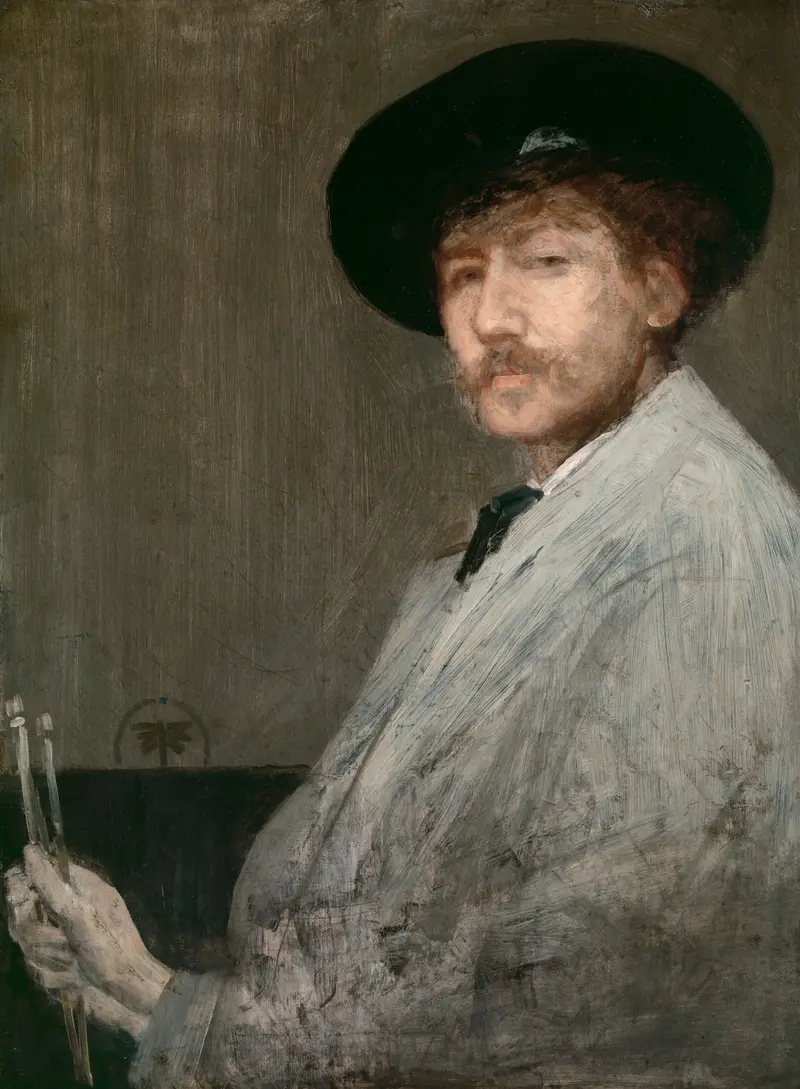
Arrangement in Gray: Portrait of the Painter
James McNeill Whistler
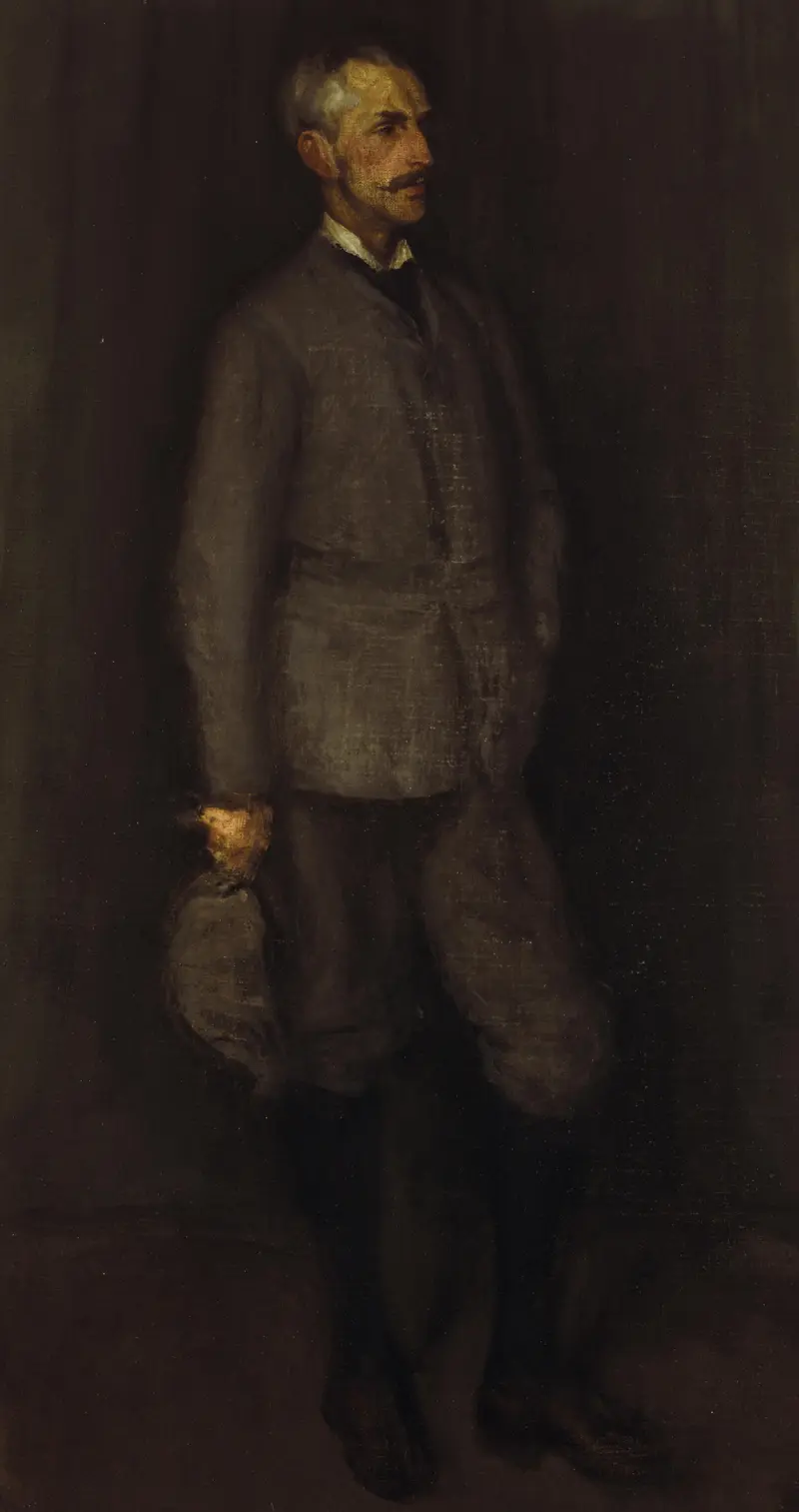
Arrangement in Grey and Green. Portrait of John James Cowan
James McNeill Whistler
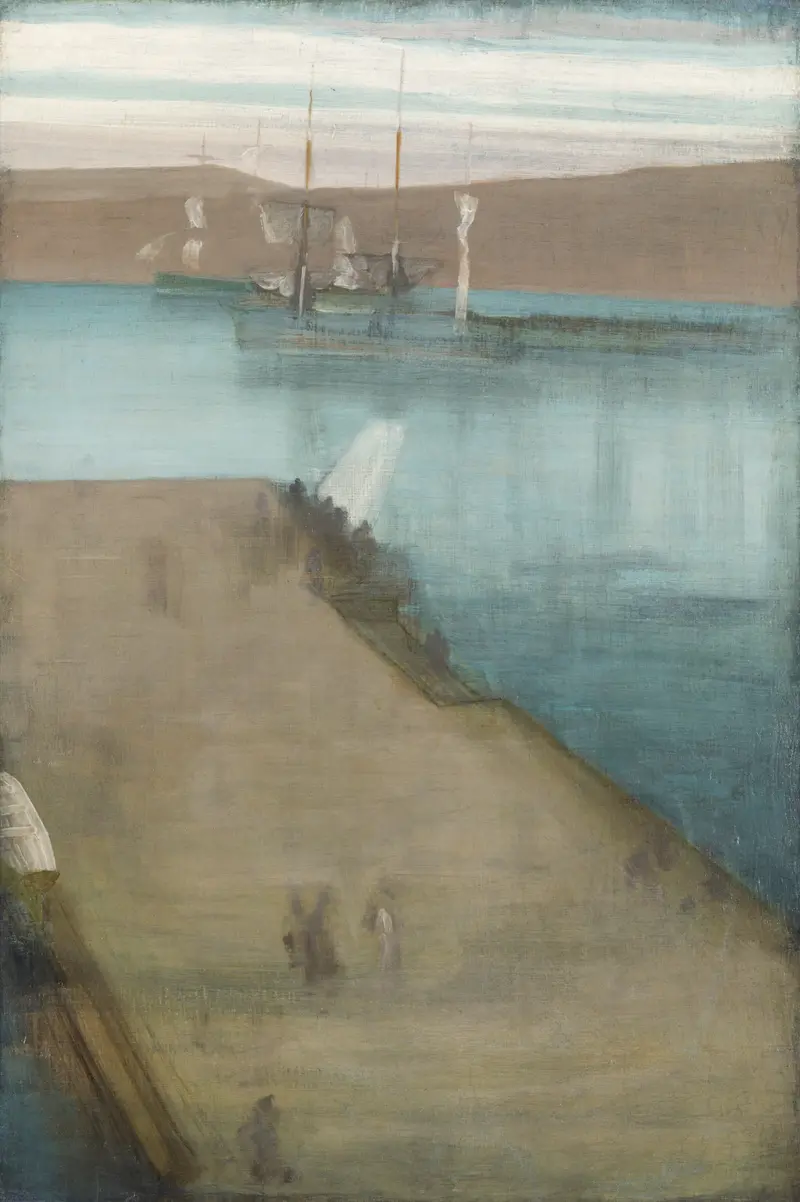
Valparaiso Harbor
James McNeill Whistler
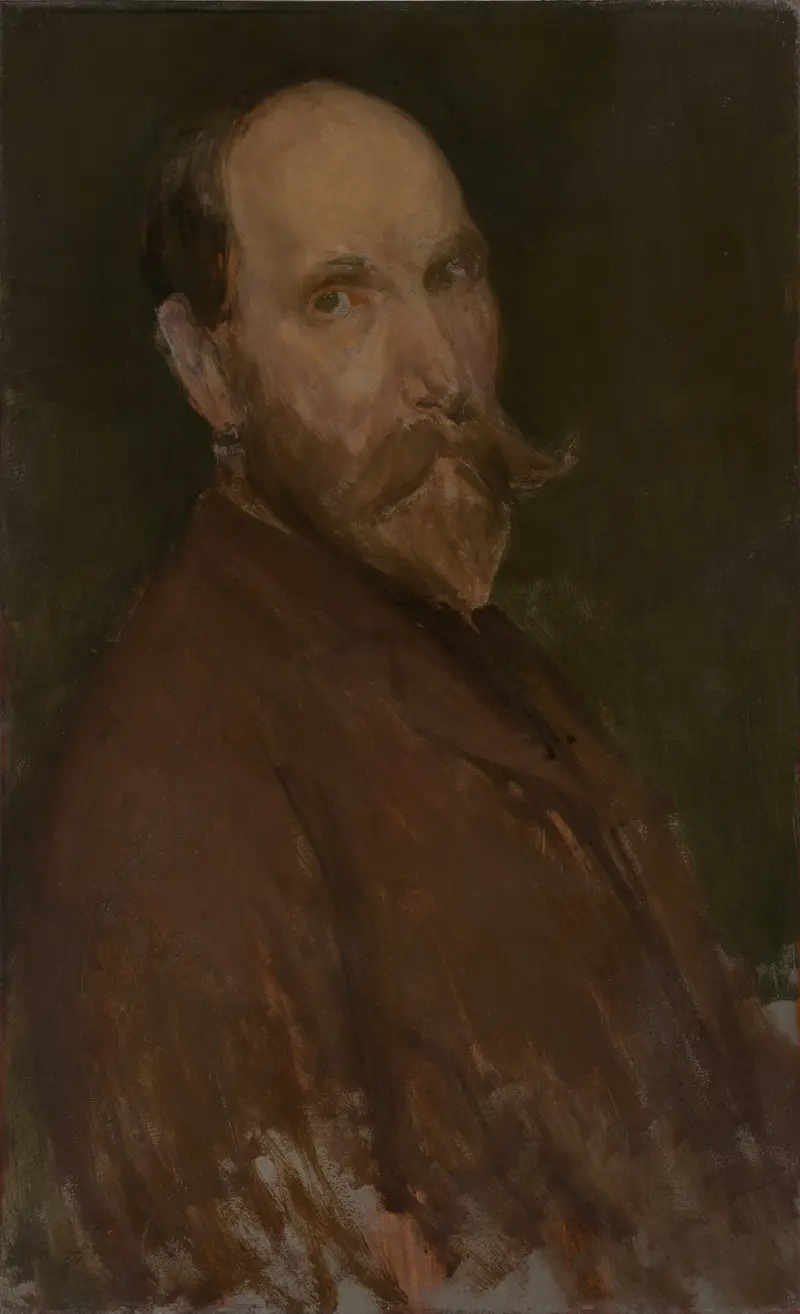
Charles Lang Freer
James McNeill Whistler





