
Portrait of Lucy — History & Facts
What first draws the eye in Portrait of Lucy is the quiet certainty of the sitter’s gaze, set against a field of warm, restless color. Lucy sits with her hands folded loosely over her knees, her figure wrapped in a dark shawl that anchors her presence amid the flickering, autumnal tones of the background. The basket of fruit at her side is not merely a still-life within the portrait; its vivid reds and yellows echo the blush of her lips and the subtle flush in her cheeks, suggesting a harmony between sitter and setting.
The plaid of her skirt, rendered in quick, expressive strokes, breaks the otherwise subdued palette and draws the viewer’s attention downward, grounding the composition. Light falls softly across her face, illuminating her thoughtful expression and hinting at an inner world that remains just out of reach. Painted between 1934 and 1935, this work belongs to a period when portraiture was undergoing transformation, shaped by the upheavals of early twentieth-century Europe and the search for new forms of psychological depth. Artists like Abraham Manievich—whose own career bridged continents and artistic movements—often used portraiture to explore identity, resilience, and the everyday realities of their subjects.
While little is recorded about the specific origins or commission of Portrait of Lucy, its presence in the online collection of the Athenaeum underscores the quiet persistence of such works, which capture not only a likeness but a fleeting mood, a moment of introspection. The viewer is left to wonder about Lucy’s story, compelled to return to her gaze and the world the artist has conjured around her.
More Artworks by Abraham Manievich
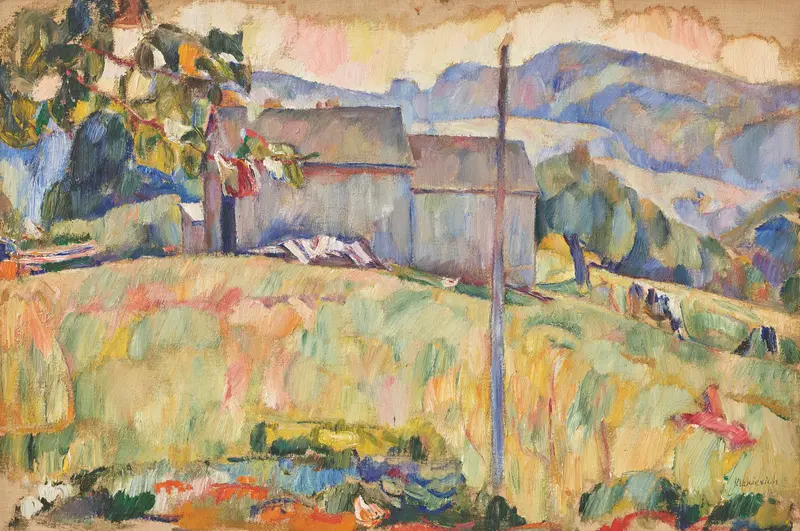
Summer landscape
Abraham Manievich

Early Spring
Abraham Manievich
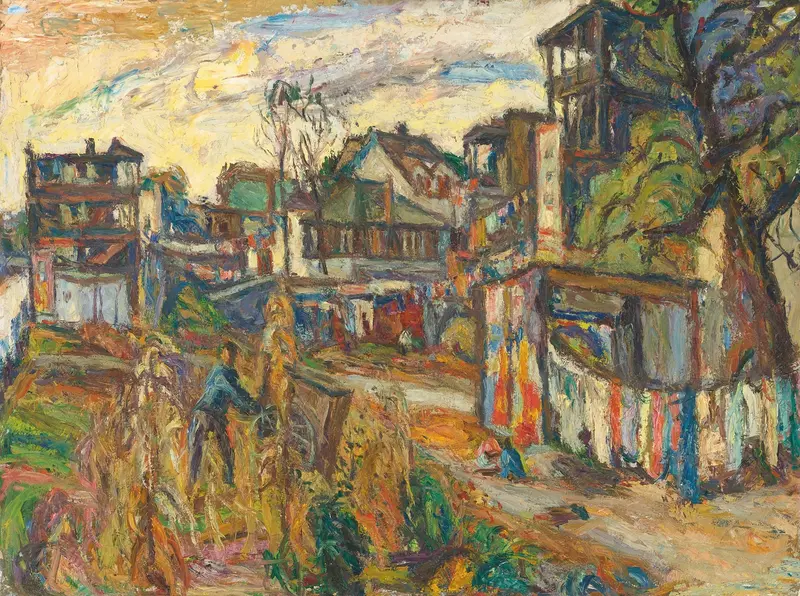
City Scene
Abraham Manievich
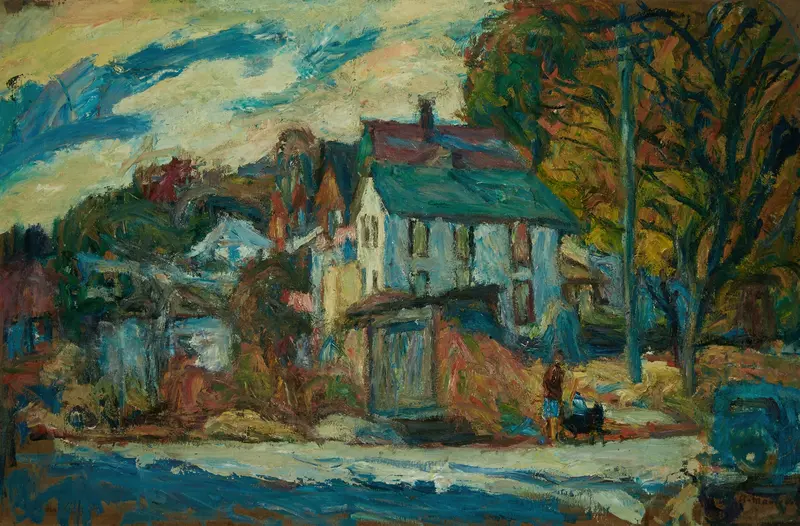
Autumn. White Plains
Abraham Manievich
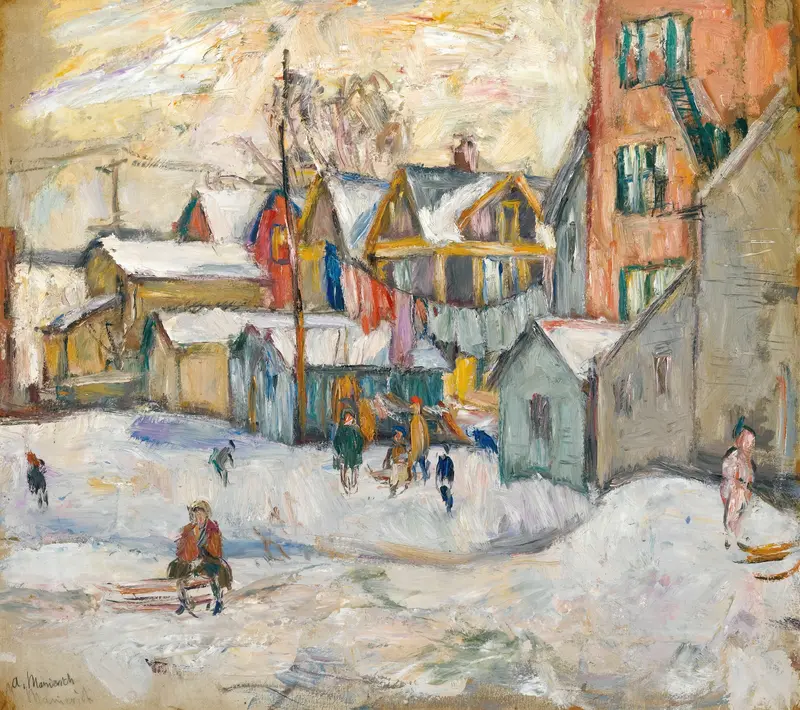
The Bronx
Abraham Manievich
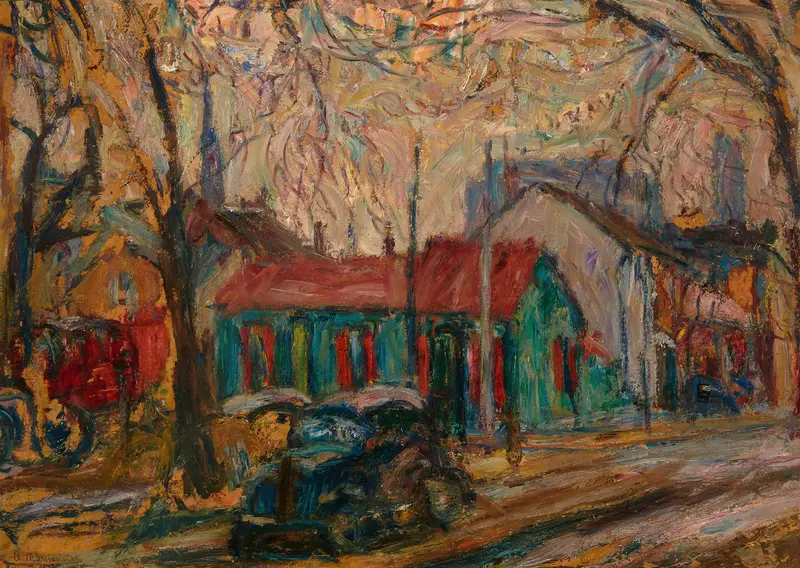
Quiet street
Abraham Manievich
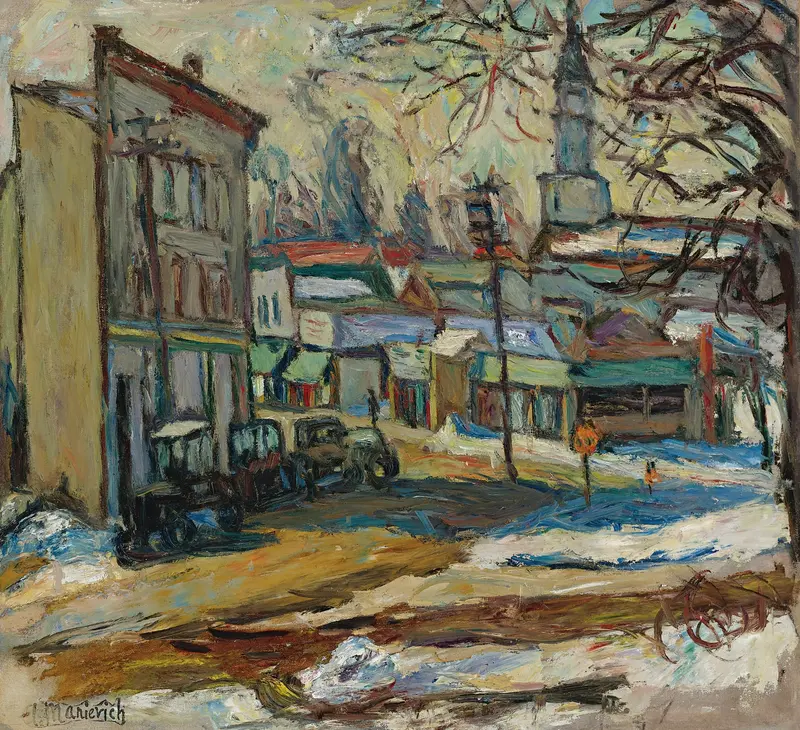
Bridgeport
Abraham Manievich
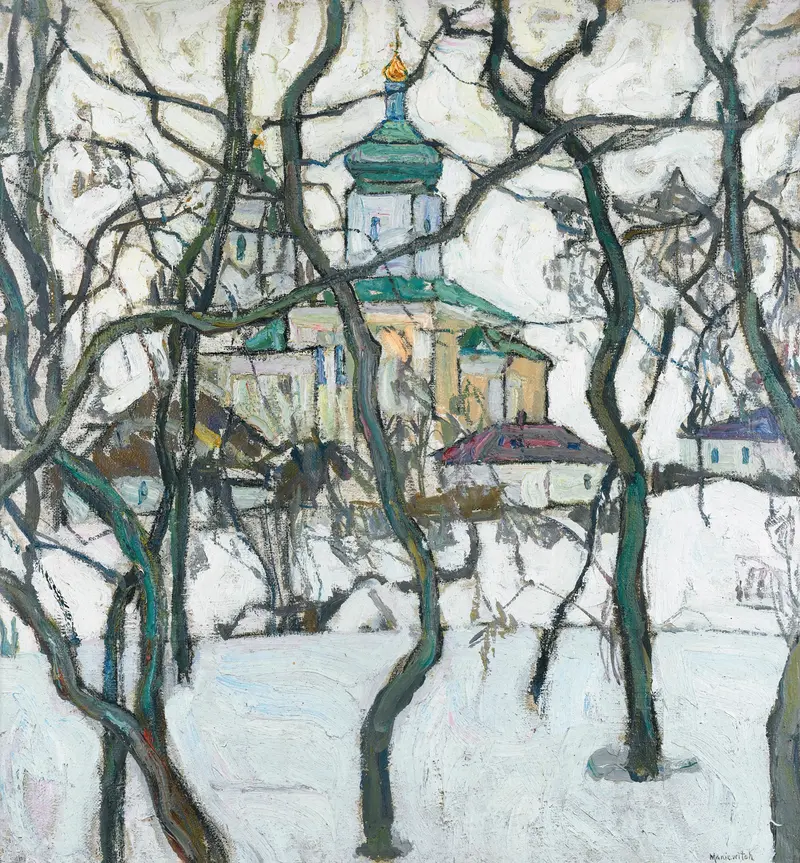
Winter Scene With Church
Abraham Manievich
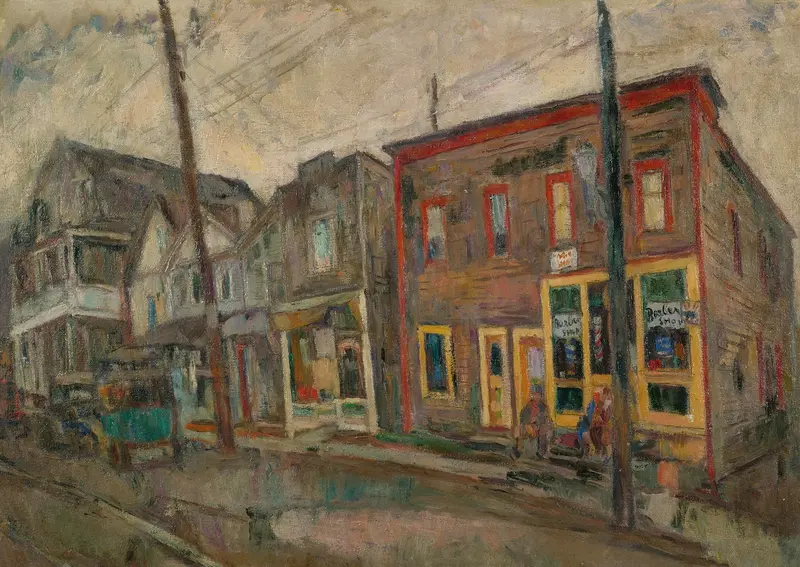
Street in the Bronx
Abraham Manievich
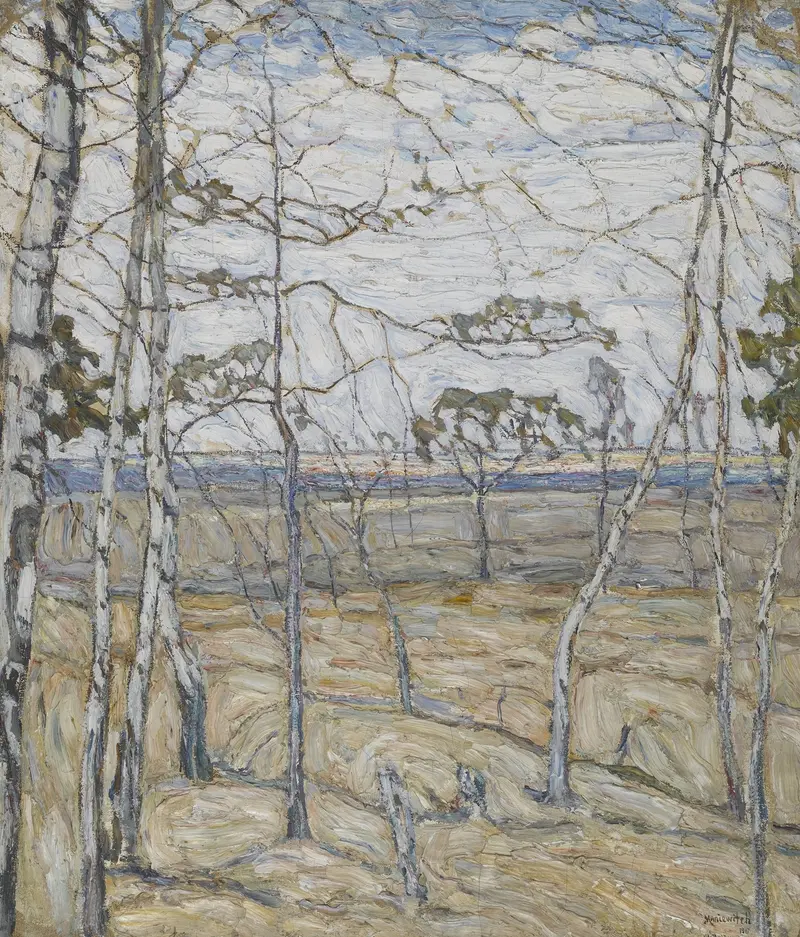
Birch Trees
Abraham Manievich





