
Whistler's Mother — History & Facts
Few paintings have become as instantly recognizable as Whistler's Mother, not for spectacle or drama, but for the quiet gravity of a seated figure. When James McNeill Whistler painted his mother, Anna McNeill Whistler, in London in the summer of 1871, he created an image that would outgrow its domestic origins to become an emblem of dignity and restraint. The most striking truth about this work is how its radical simplicity—an elderly woman in profile, hands folded, gaze fixed ahead—sparked debate about the very nature of portraiture and modern art. The eye is drawn first to the severe profile, the pale face emerging from the black dress and white lace cap, set against a muted grey wall.
Every element is pared down: the patterned curtain on the left, the framed print above, the wooden footrest. Whistler’s choice of a nearly monochrome palette and the careful balance of verticals and horizontals lend the scene a stillness that borders on abstraction. Unlike the lush, narrative portraits of contemporaries like John Singer Sargent, Whistler’s composition is about form and mood rather than storytelling; the sitter’s hands, gently clasped, become the emotional center, suggesting patience and endurance. Whistler's Mother now resides in the Musée d'Orsay, a testament to its journey from a private act of filial devotion to a public icon.
The painting’s reception was mixed at first—some critics found its austerity unsettling—but it soon gained recognition as a touchstone of modern portraiture. For Whistler, this work marked a turning point, affirming his belief in “art for art’s sake” and the power of harmony in composition. Today, visitors stand before it not only to see a mother immortalized, but to witness a moment when painting dared to be as spare, and as profound, as memory itself.
More Artworks by James McNeill Whistler
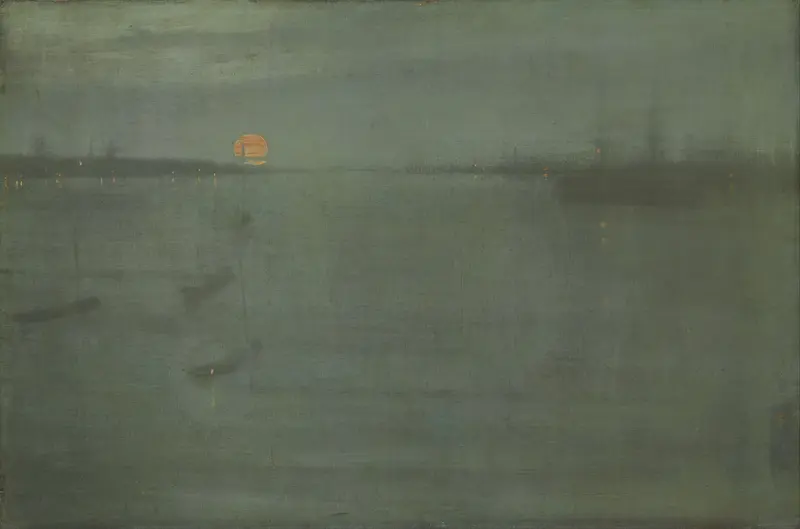
Nocturne: Blue and Gold—Southampton Water
James McNeill Whistler
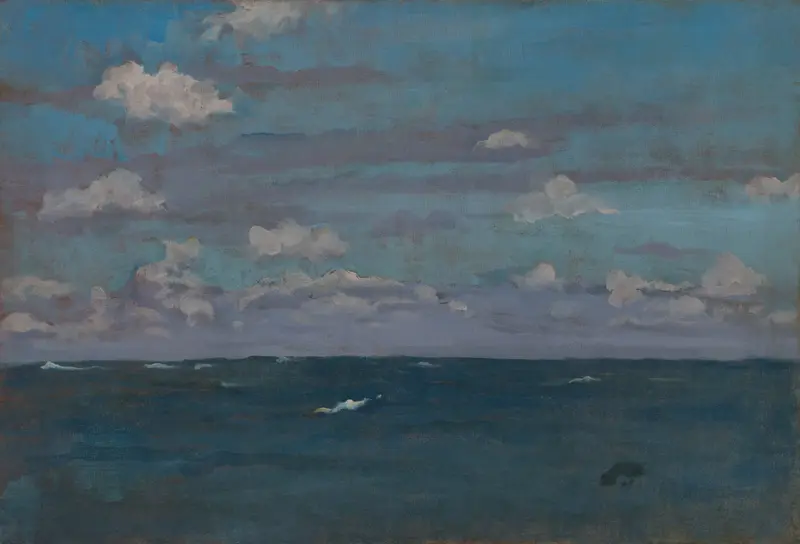
Violet and Silver—The Deep Sea
James McNeill Whistler
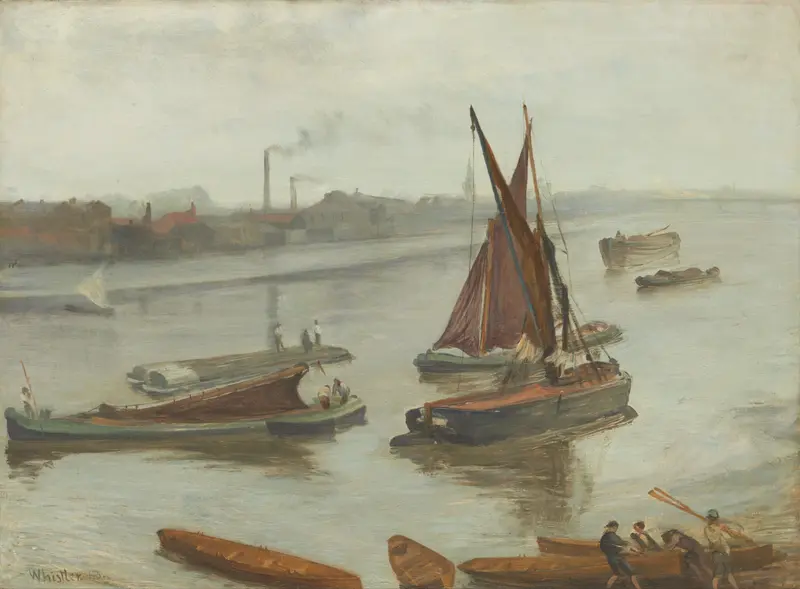
Grey and Silver: Old Battersea Reach
James McNeill Whistler
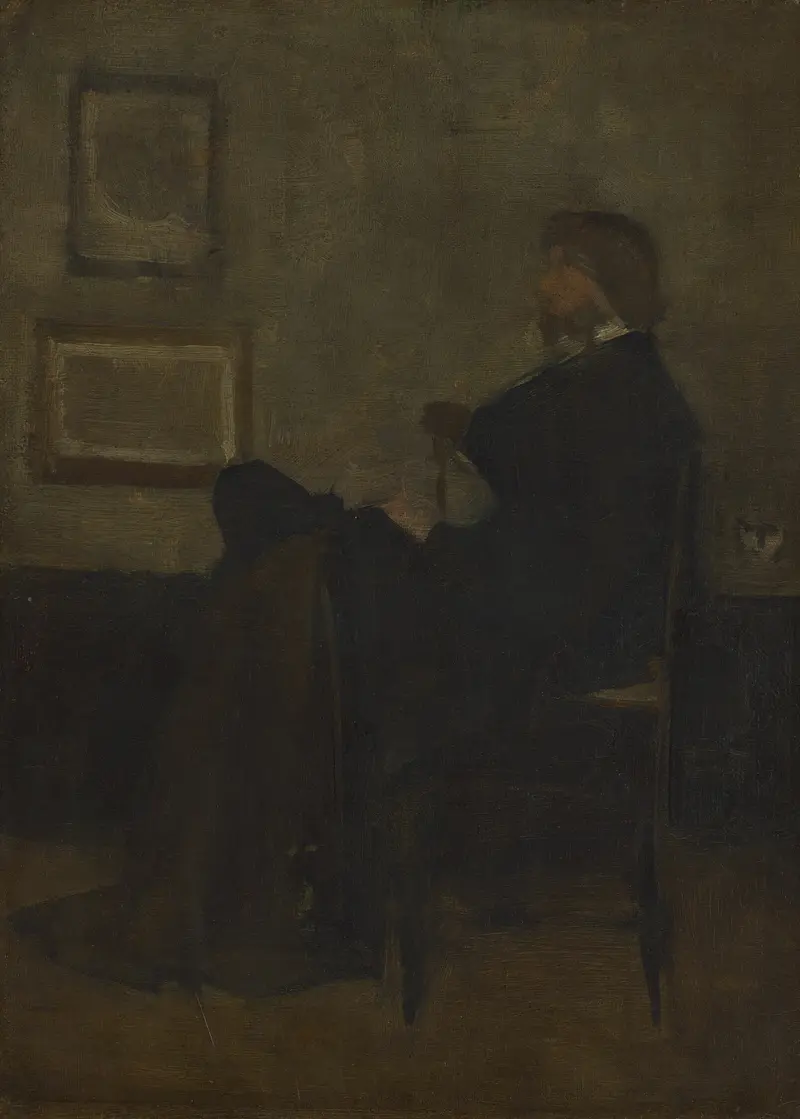
Study for "Arrangement in Grey and Black, No. 2: Portrait of Thomas Carlyle"
James McNeill Whistler
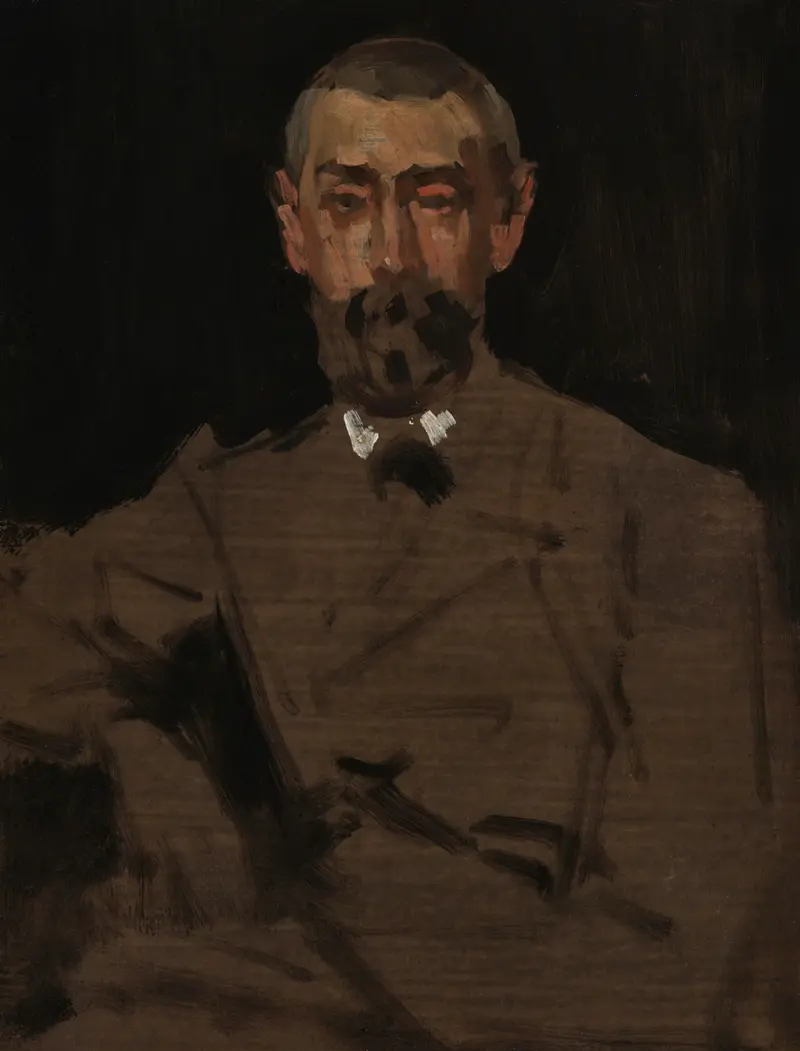
Portrait of M. R. Elden
James McNeill Whistler
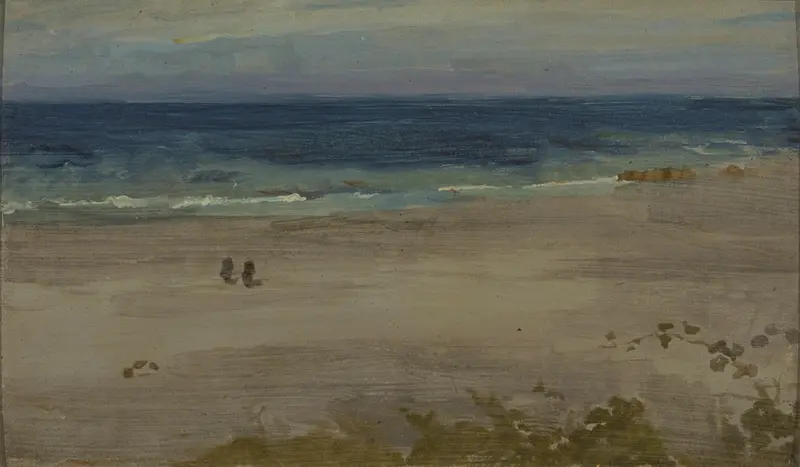
The Blue Sea
James McNeill Whistler
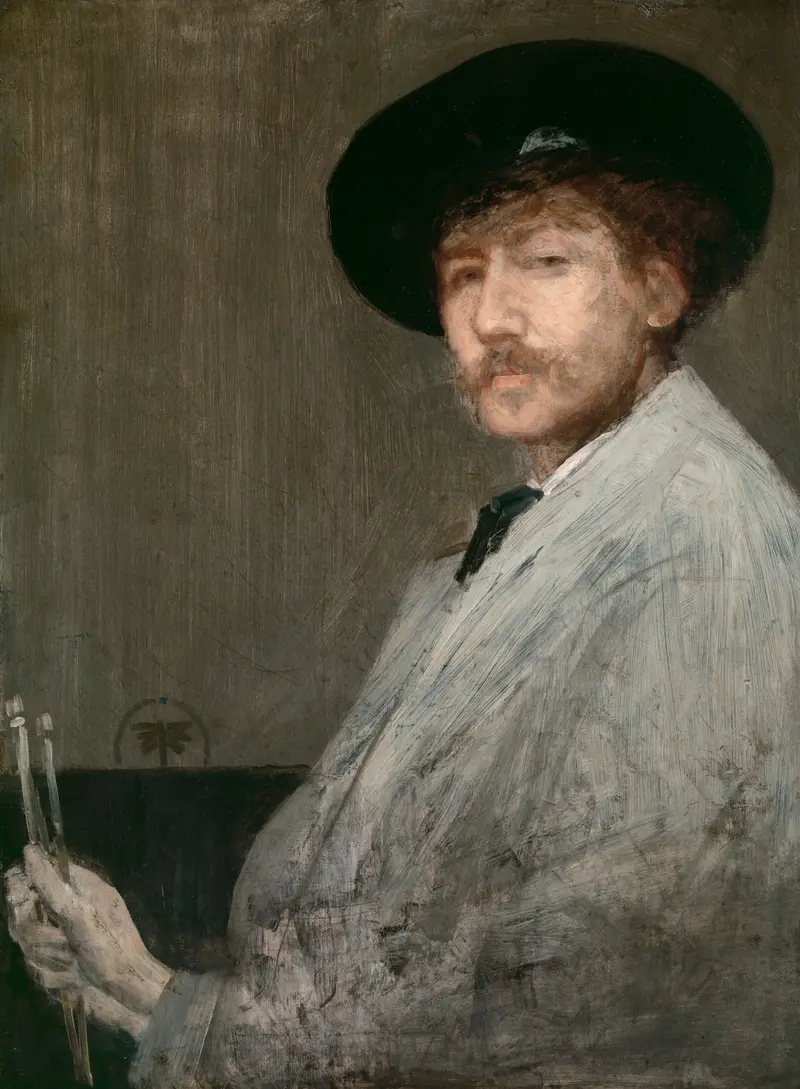
Arrangement in Gray: Portrait of the Painter
James McNeill Whistler
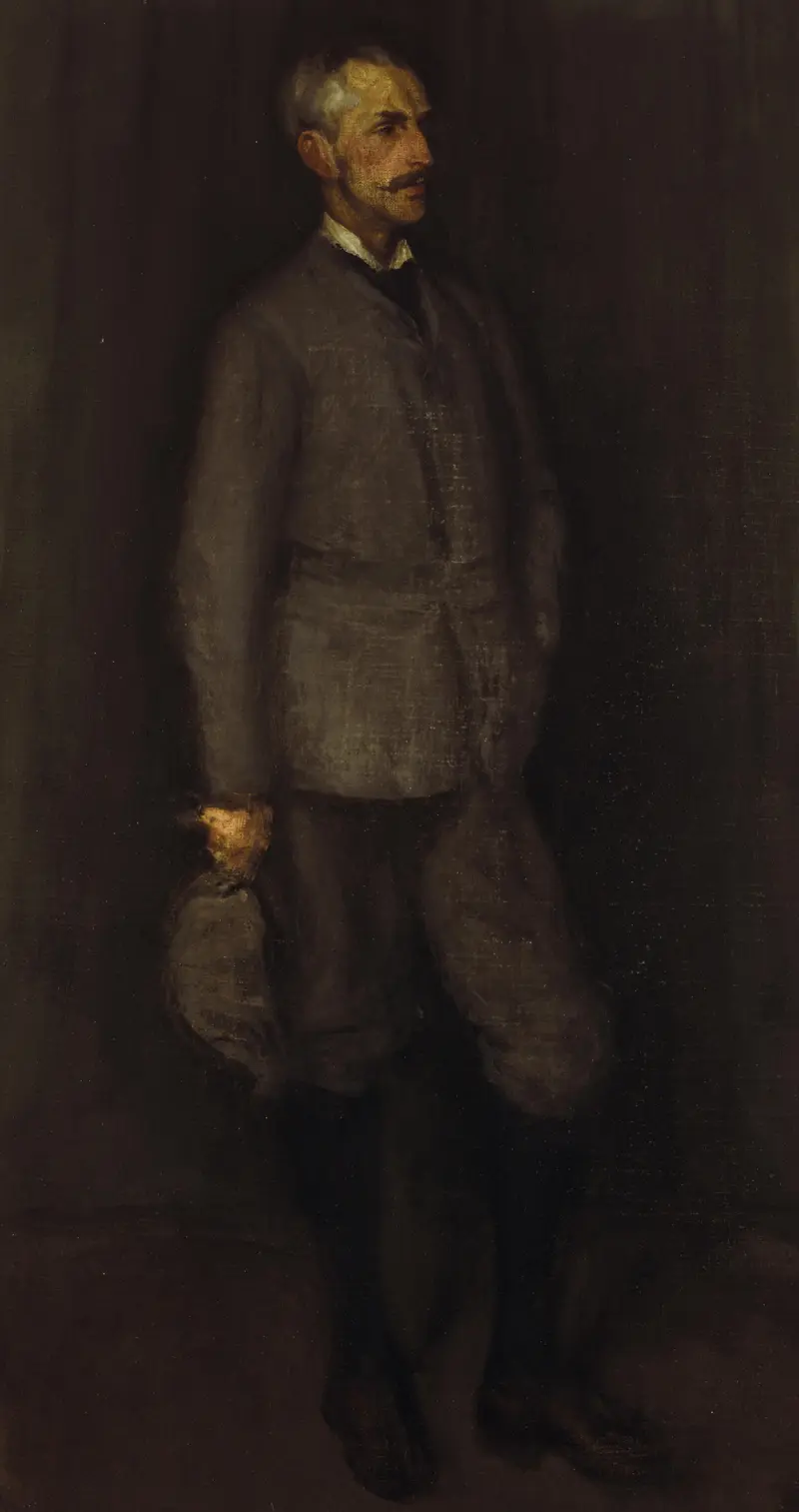
Arrangement in Grey and Green. Portrait of John James Cowan
James McNeill Whistler
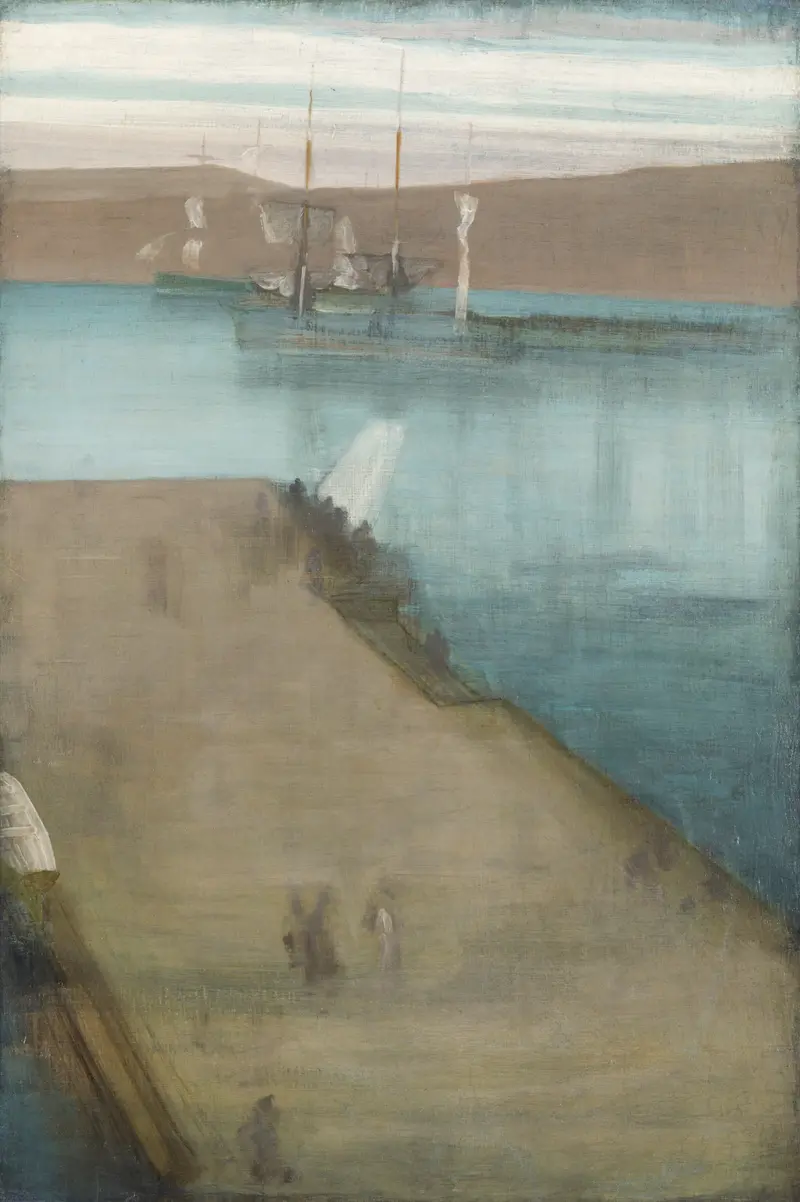
Valparaiso Harbor
James McNeill Whistler
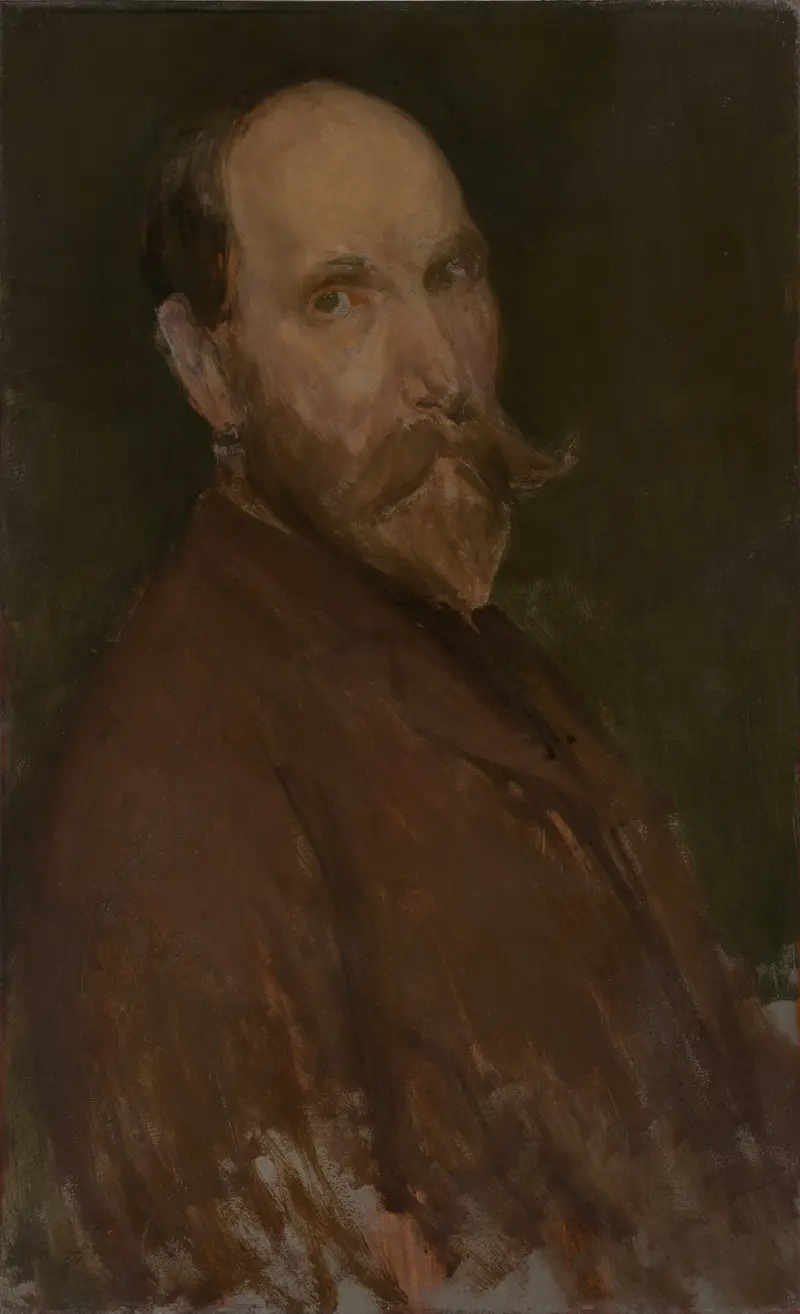
Charles Lang Freer
James McNeill Whistler





