
Portrait of Madame Louise Dupin — History & Facts
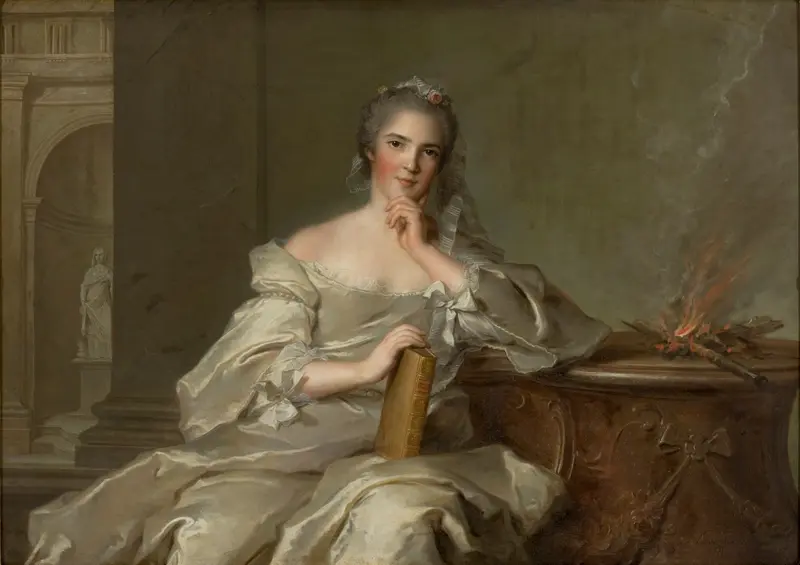
A parrot perches at the edge of the frame, its vivid blue feathers echoing the cool shadows that play across Madame Louise Dupin’s silk gown. The bird’s presence is no idle flourish: it draws the viewer’s eye to the sitter’s poised hand, gloved in matching blue, as if the two are engaged in a silent conversation. The delicate play of light on her pale skin and the soft, almost theatrical folds of her rose-pink skirt conjure a world of cultivated ease, while the architectural urn and lush greenery behind her suggest a life balanced between reason and pleasure.
Every detail, from the gentle tilt of her head to the confident placement of her arm, signals both refinement and a quiet assertion of self. This portrait, painted in 1745 by Jean-Marc Nattier with the collaboration of his daughter, Catherine Pauline Nattier, belongs to a tradition of grand portraiture that flourished in Enlightenment France. Such works were often commissioned by the elite to decorate their private chambers, as this one once adorned Madame Dupin’s room at the Château de Chenonceau. The painting’s blend of natural setting and sophisticated costume reflects the era’s fascination with both nature and artifice, and hints at the intellectual ambitions of its sitter—a woman later celebrated for her engagement with Enlightenment thinkers.
History has kept few traces of this painting’s early journey, but its survival invites us to linger on the conversation between sitter, artist, and the world they inhabited.
More Artworks by Jean-Marc Nattier

Madame Crozat de Thiers and Her Daughter
Jean-Marc Nattier
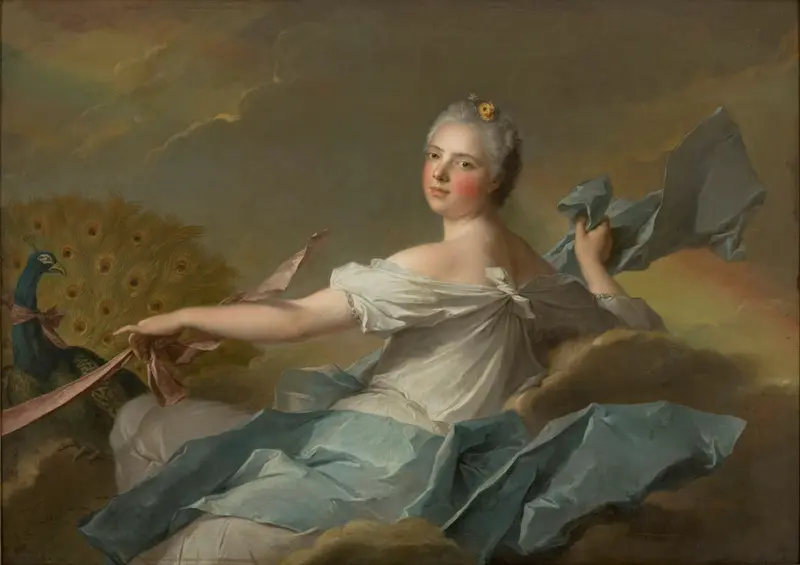
Princess Marie Adélaïde of France - The Air
Jean-Marc Nattier
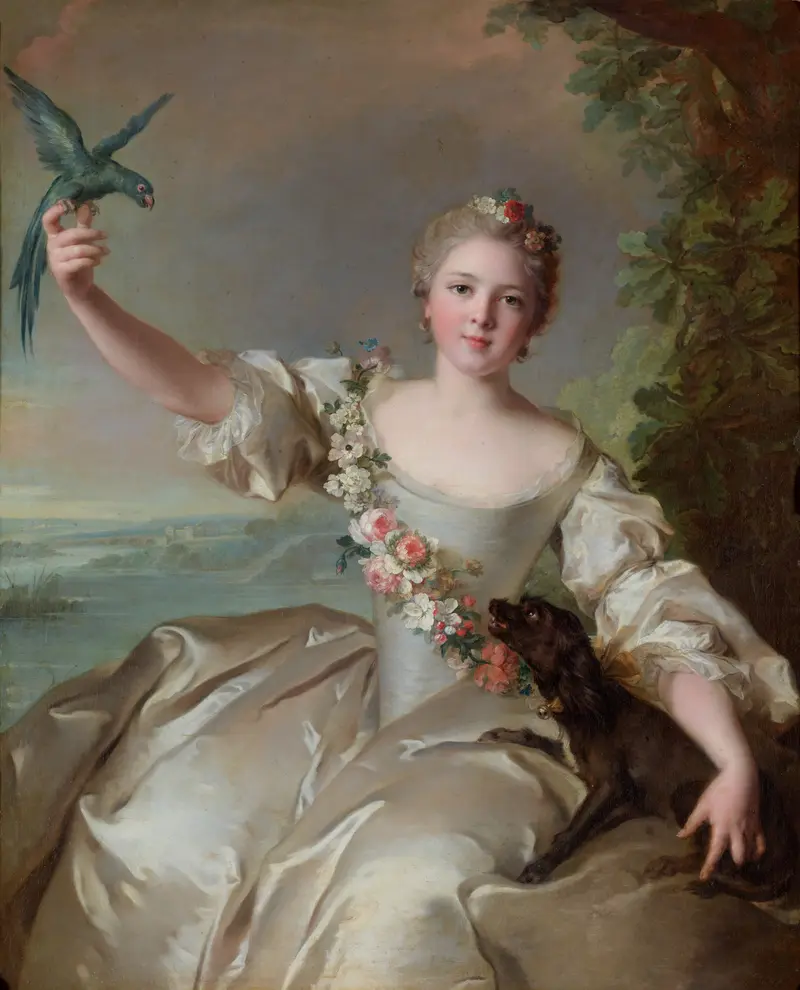
Portrait de Mathilde de Canisy, marquise d'Antin
Jean-Marc Nattier
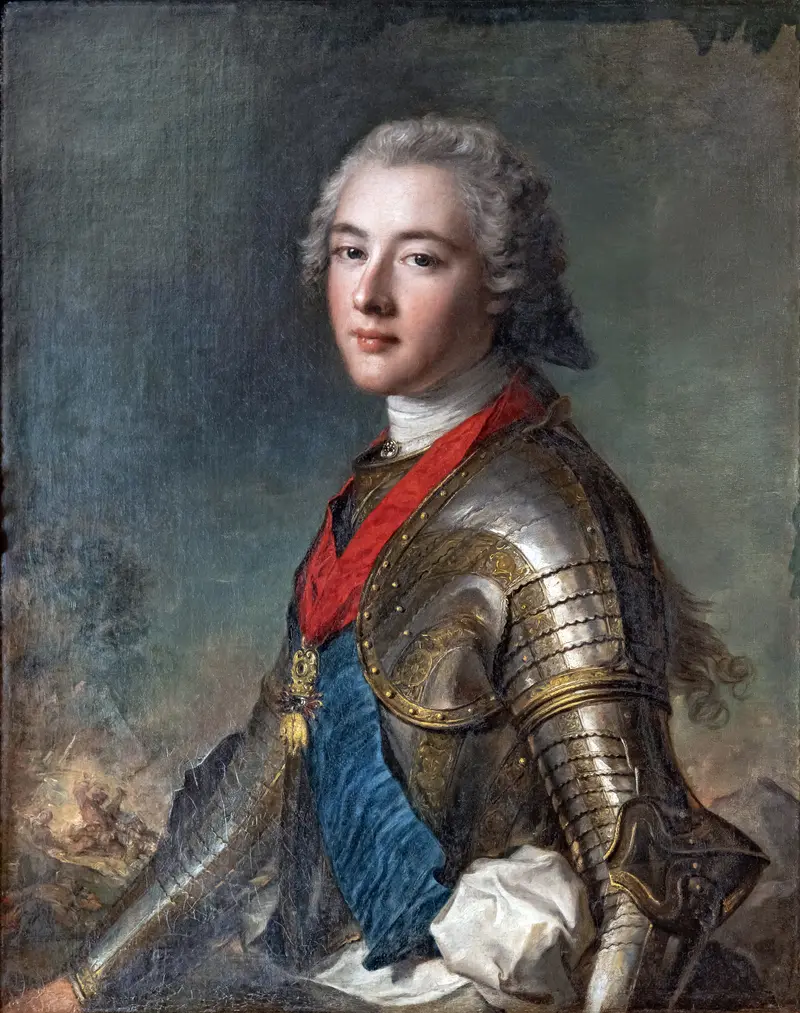
Bemberg Fondation Toulouse - Portrait de Louis Jean Marie de Bourbon, Duc de Penthièvre - Jean Marc Nattier inv.1158 82x65.4
Jean-Marc Nattier
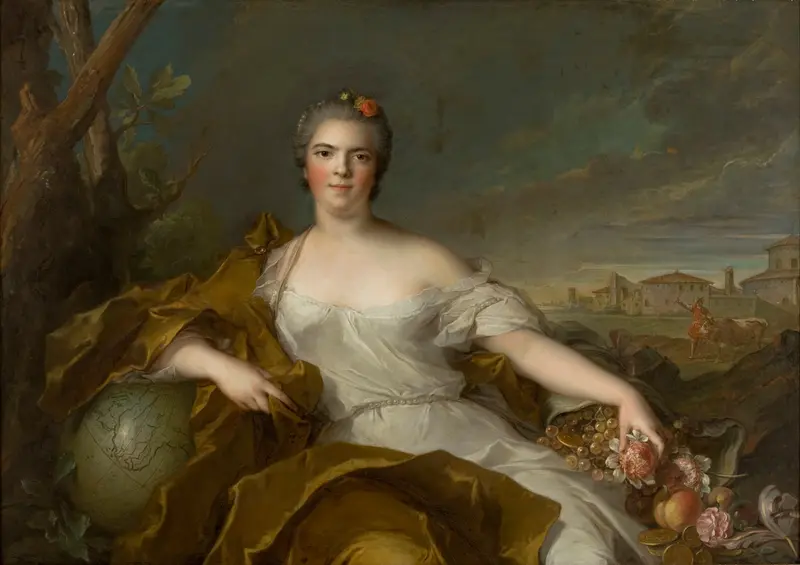
Princess Louise-Élisabeth of France - The Earth
Jean-Marc Nattier
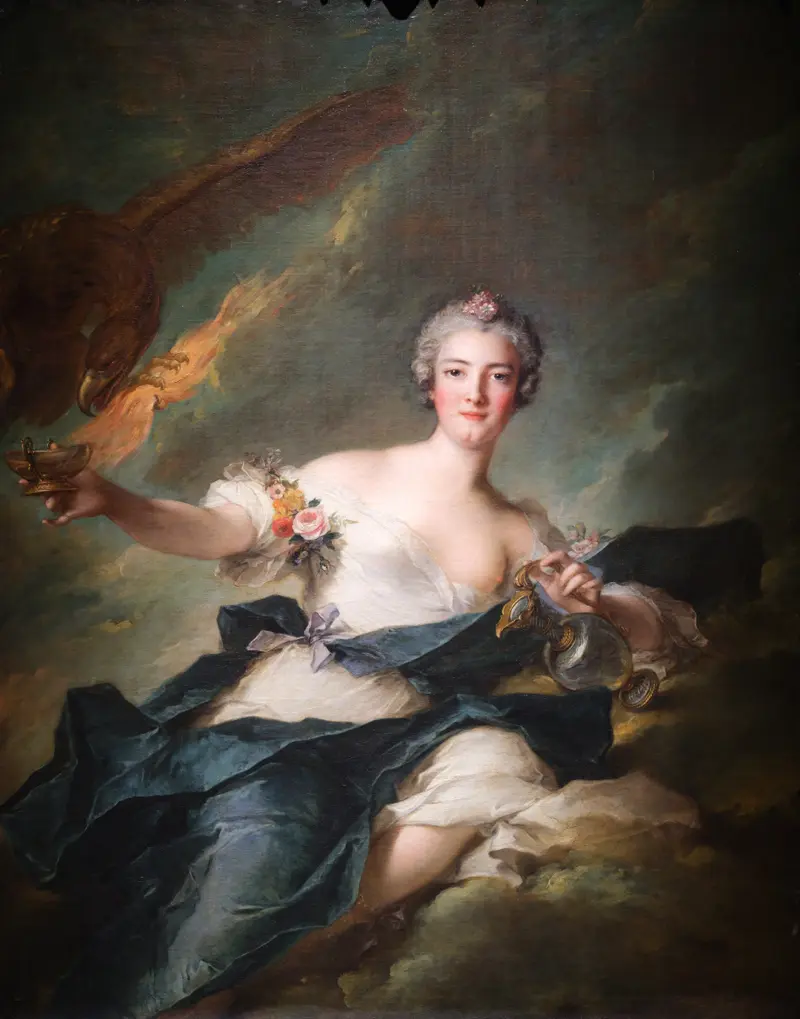
The Duchess of Chaulnes Represented as Hebe
Jean-Marc Nattier
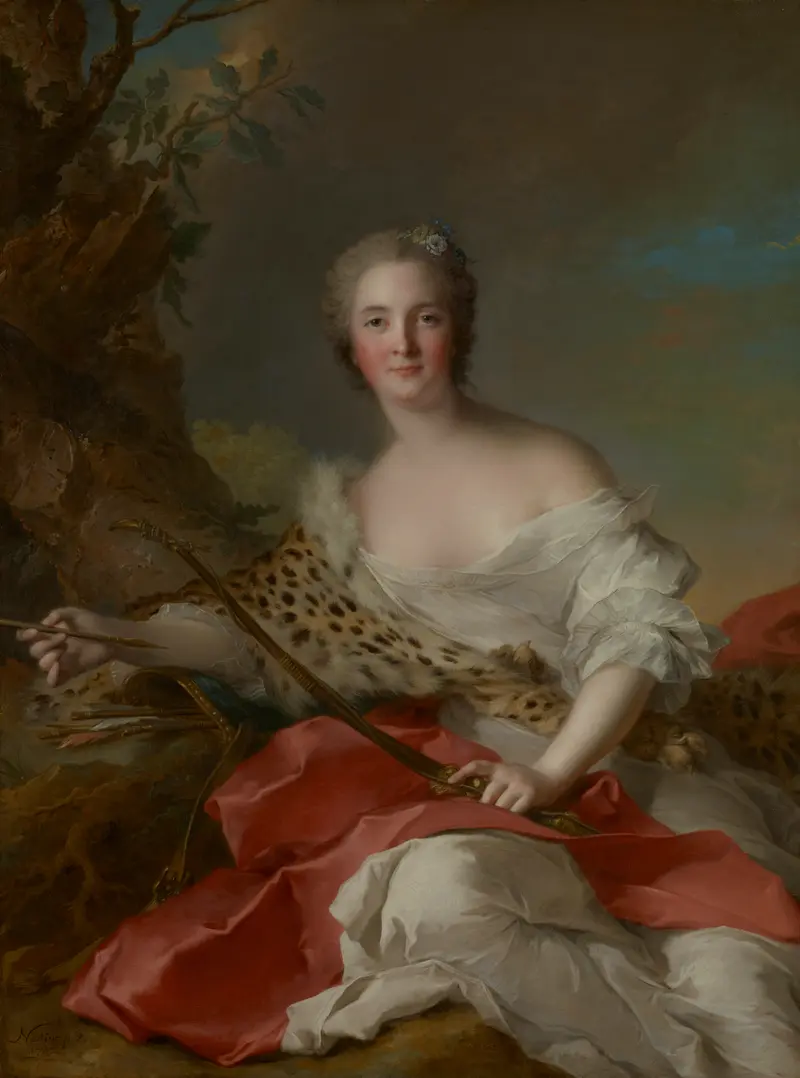
Portrait of Madame Bonnier de la Mosson as Diana (Constance-Gabrielle-Magdeleine du Monciel de Lauraille
Jean-Marc Nattier
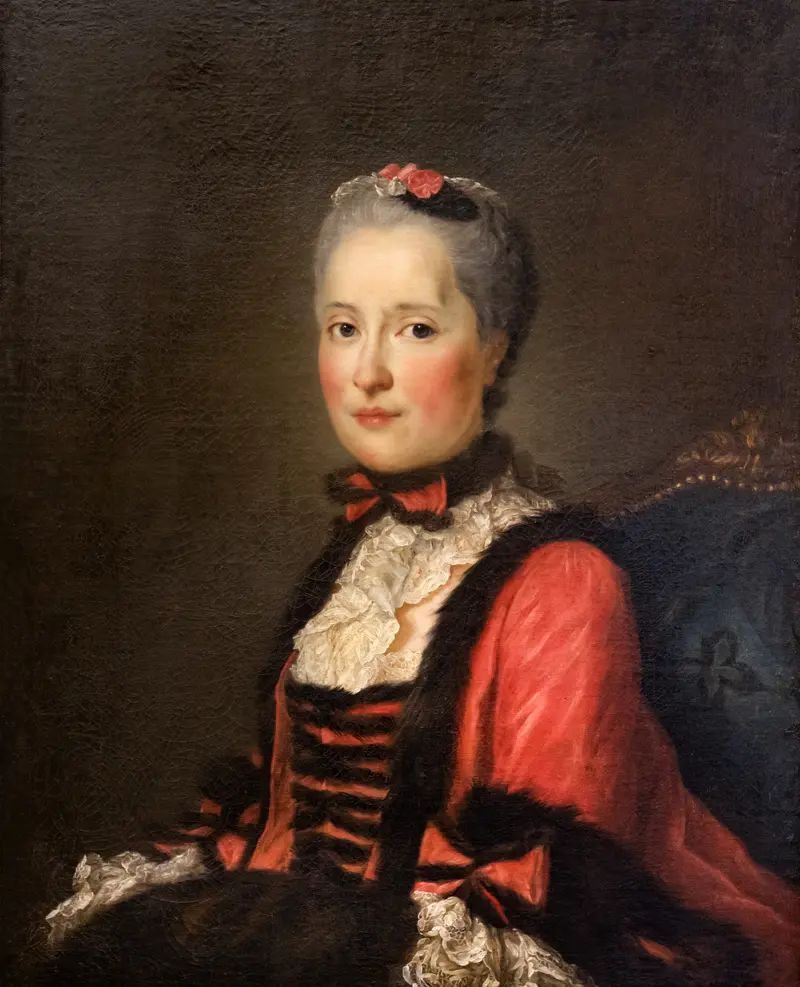
Portrait of Marie-Josephe of Saxony, Dauphine of France
Jean-Marc Nattier
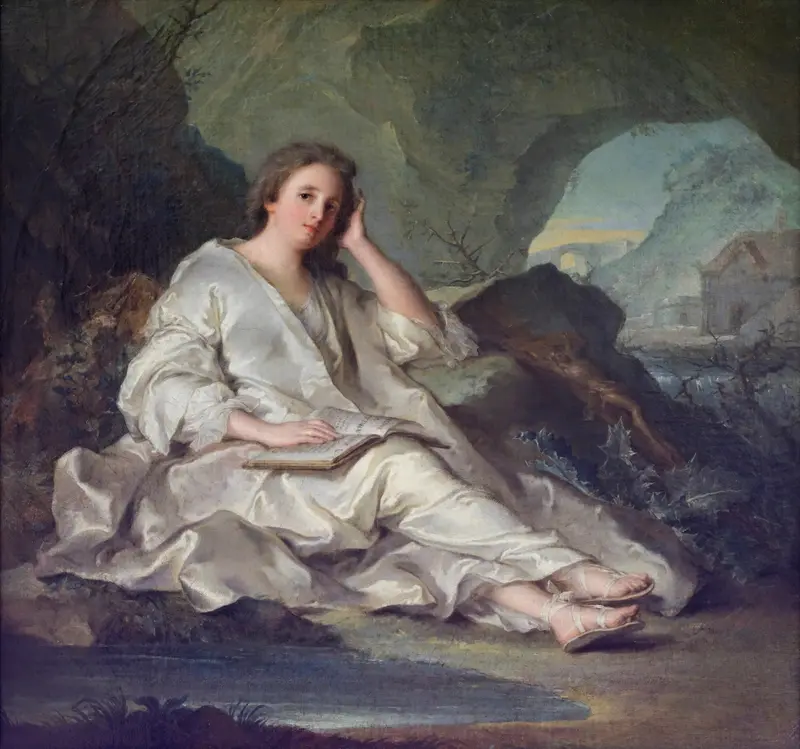
La Madeleine, ou Une Pénitente dans le désert Musée du Louvre Peintures INV 6880 ; MR
Jean-Marc Nattier
Princess Anne-Henriette of France - The Fire
Jean-Marc Nattier





