
Portrait of Madame Marie-Henriette Berthelot de Pléneuf — History & Facts
What first catches the eye in Portrait of Madame Marie-Henriette Berthelot de Pléneuf is the sitter’s poised serenity, framed by a cascade of blue satin and the gentle spill of water from a classical urn. The artist, Jean-Marc Nattier, chooses a moment of composed ease, where the subject’s half-smile and direct gaze invite the viewer into her world. The pale, pearly light caresses her skin, setting it aglow against the cool, lush folds of fabric that tumble over her lap.
Each detail is purposeful: the urn and flowing water evoke allegory, perhaps hinting at abundance or the sitter’s virtues, while the reeds behind her add a note of natural elegance, softening the formality of her pose. Painted in 1739, this work belongs to an era when portraiture was both a statement of status and a stage for playful transformation. In the world of the French Rococo, society women often commissioned portraits that blended their likeness with mythological or allegorical roles, allowing them to inhabit ideals of beauty, virtue, or wit. Jean-Marc Nattier was celebrated for such imaginative portraits, where sitters could appear as nymphs, muses, or goddesses, swathed in shimmering fabrics and surrounded by symbolic props.
History has kept few traces of Madame Berthelot de Pléneuf herself, but the painting’s survival—now documented in the Google Cultural Institute—offers a glimpse into the aspirations and artistry of eighteenth-century France. Let your eye linger on the textures and gestures: each is a clue to the world she inhabited and the painter who brought her to life.
More Artworks by Jean-Marc Nattier

Madame Crozat de Thiers and Her Daughter
Jean-Marc Nattier
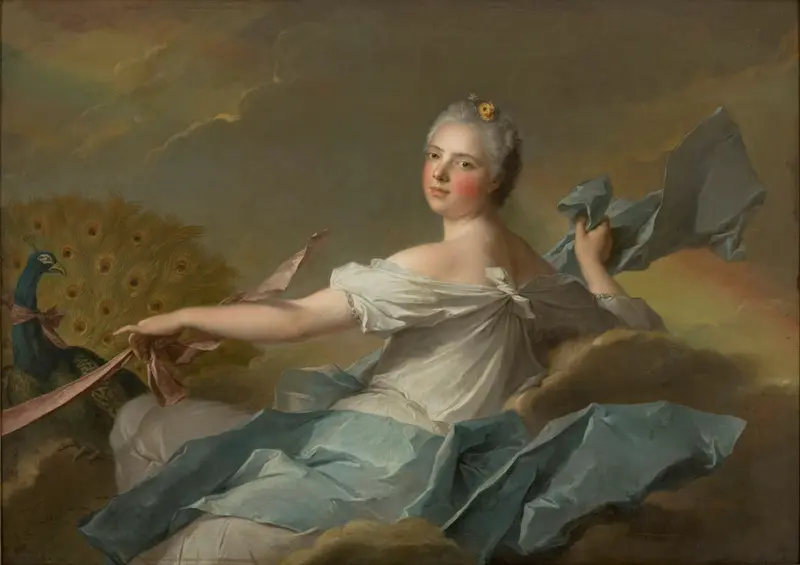
Princess Marie Adélaïde of France - The Air
Jean-Marc Nattier
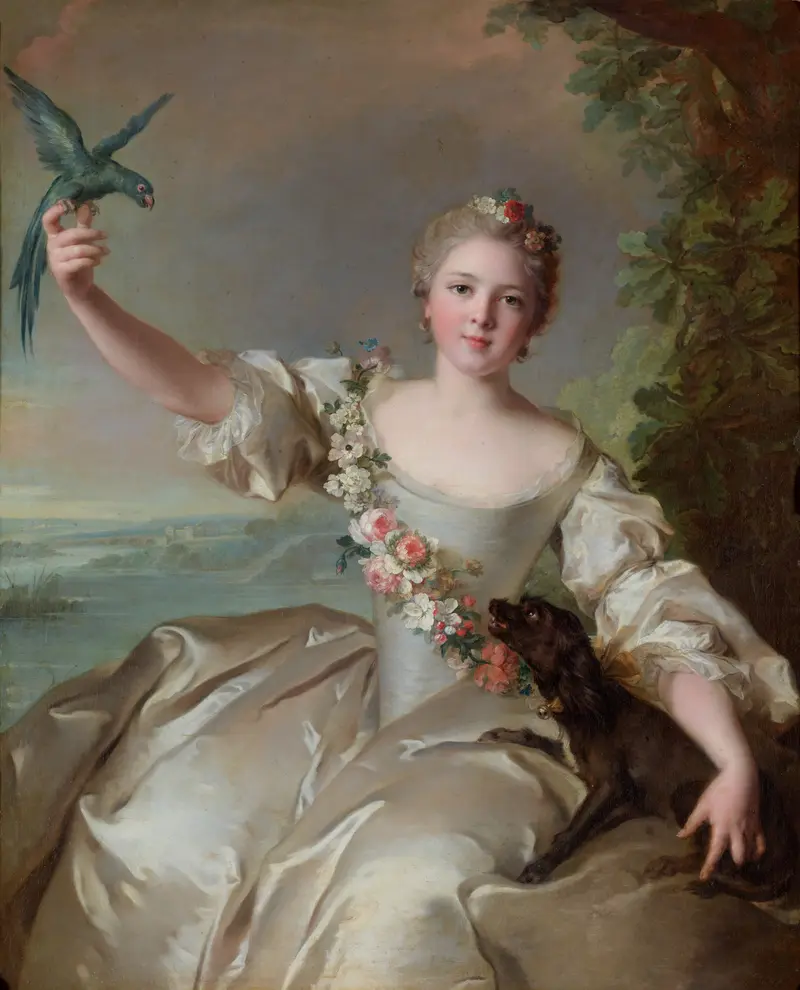
Portrait de Mathilde de Canisy, marquise d'Antin
Jean-Marc Nattier
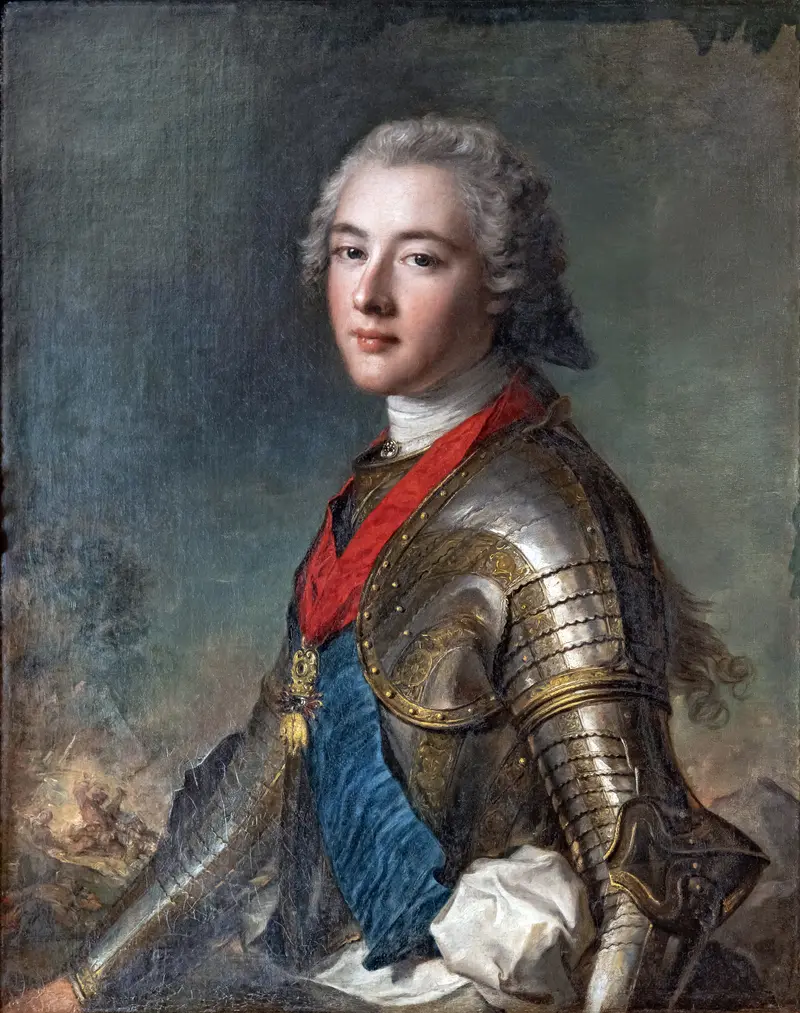
Bemberg Fondation Toulouse - Portrait de Louis Jean Marie de Bourbon, Duc de Penthièvre - Jean Marc Nattier inv.1158 82x65.4
Jean-Marc Nattier
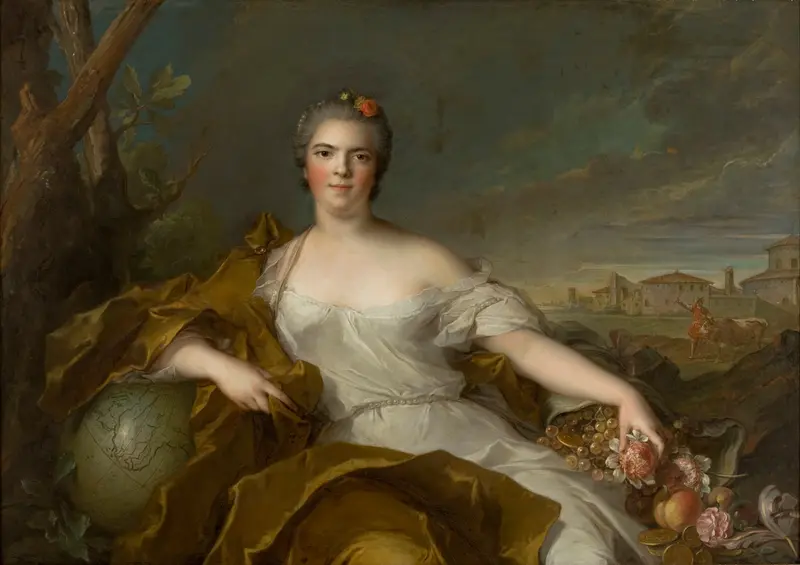
Princess Louise-Élisabeth of France - The Earth
Jean-Marc Nattier
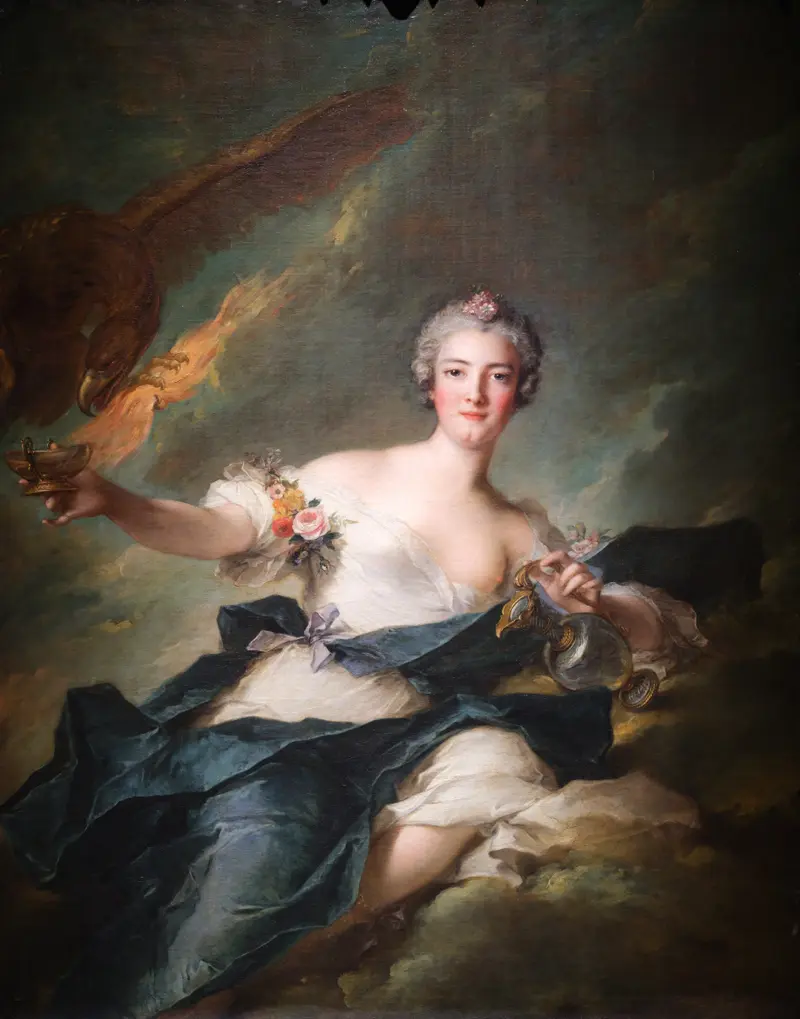
The Duchess of Chaulnes Represented as Hebe
Jean-Marc Nattier
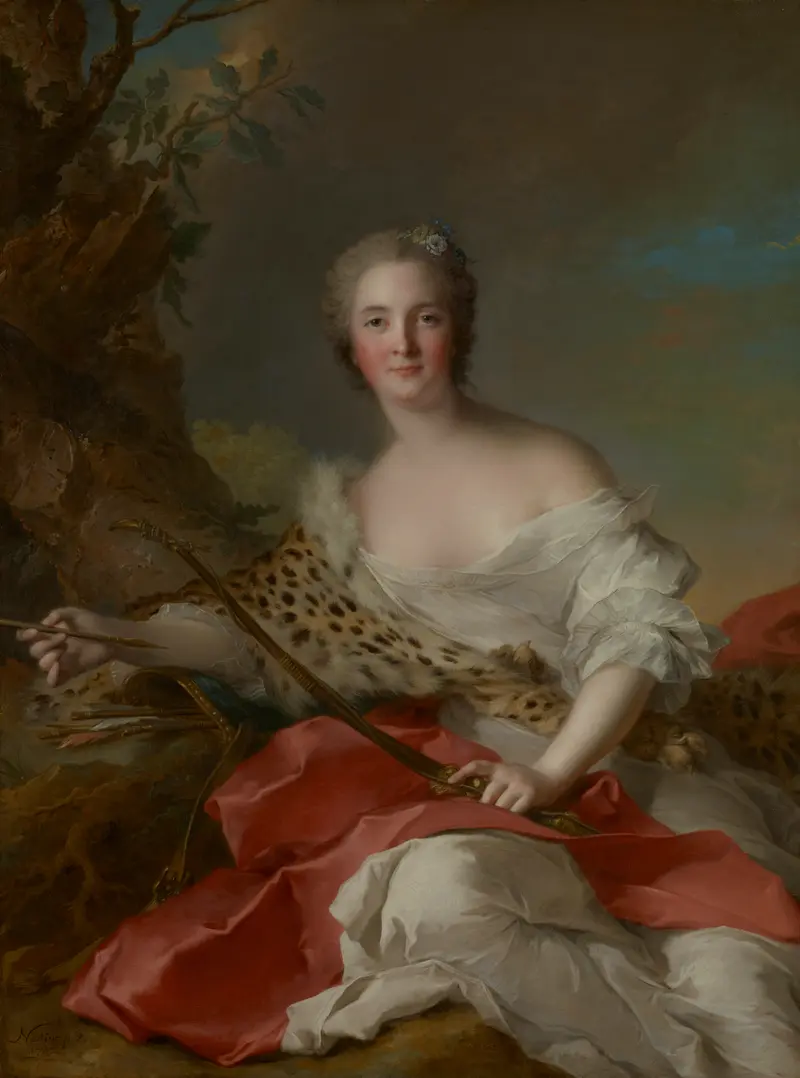
Portrait of Madame Bonnier de la Mosson as Diana (Constance-Gabrielle-Magdeleine du Monciel de Lauraille
Jean-Marc Nattier
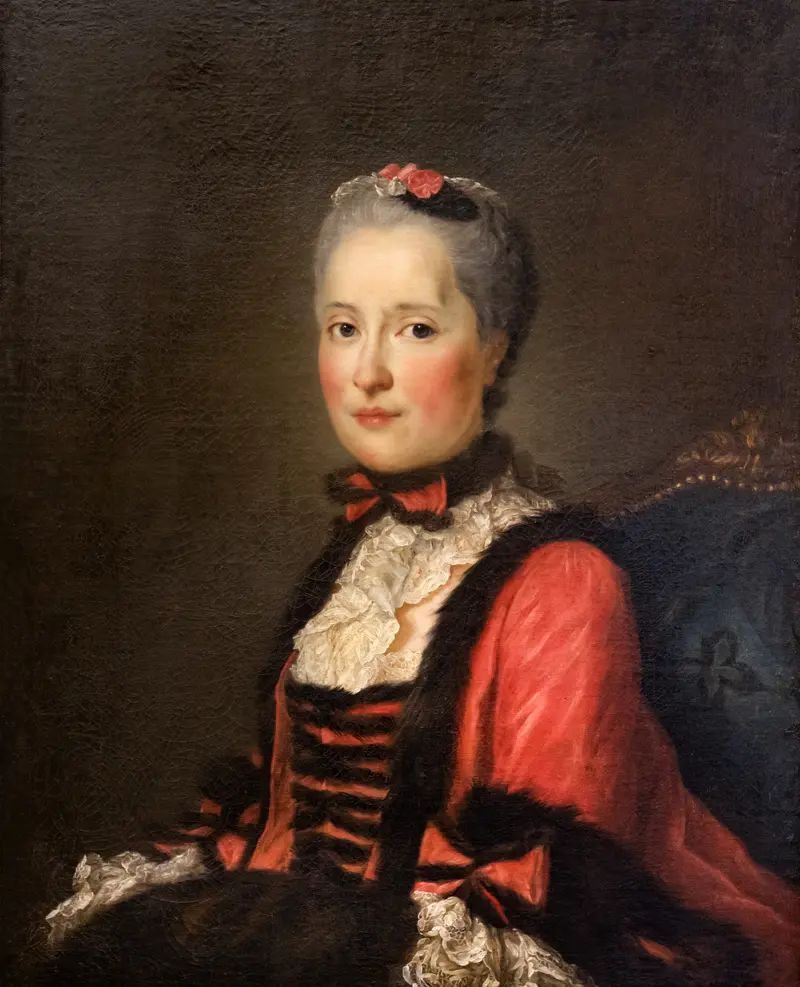
Portrait of Marie-Josephe of Saxony, Dauphine of France
Jean-Marc Nattier
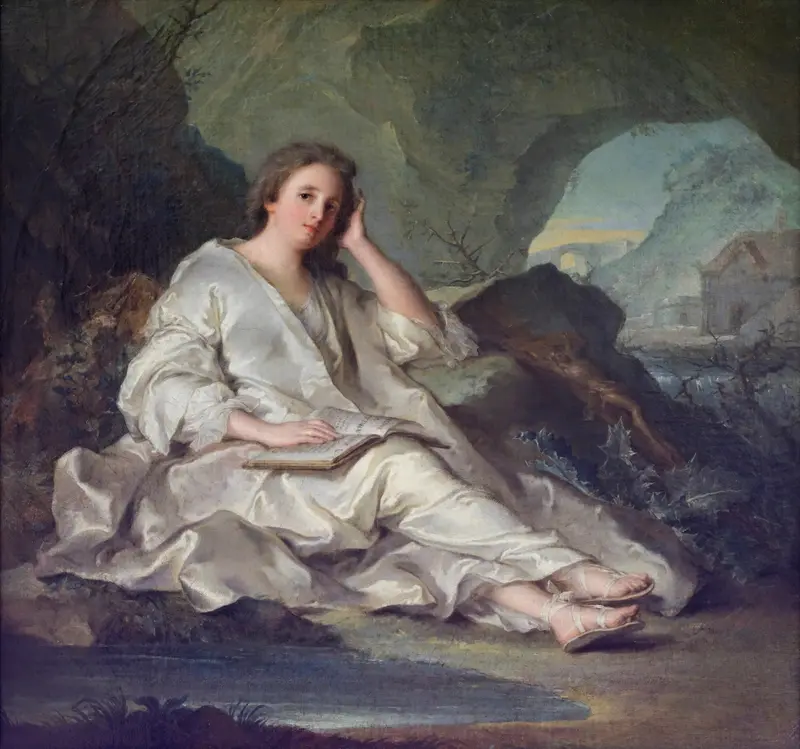
La Madeleine, ou Une Pénitente dans le désert Musée du Louvre Peintures INV 6880 ; MR
Jean-Marc Nattier
Princess Anne-Henriette of France - The Fire
Jean-Marc Nattier





