
Portrait of Madame X Dressed for the Matinée — History & Facts
When Portrait of Madame X Dressed for the Matinée was first exhibited in 1877, it marked one of the earliest Parisian portraits by Mary Cassatt to focus on the modern woman as both subject and symbol. The identity of "Madame X" remains a matter of speculation among art historians, adding an air of intrigue to the work. Unlike the notorious Portrait of Madame X by John Singer Sargent, Cassatt’s painting did not court scandal, but it did quietly challenge expectations by presenting its sitter as self-possessed and fashionably attired, rather than decorative or demure.
The painting was shown at a time when Cassatt was forging her reputation among the Impressionists, a group still considered radical in the Paris art world. Its reception signaled a turning point: Cassatt was not simply painting women, but offering a new vision of their place in society. The moment Cassatt chose to capture is one of poised anticipation: Madame X, dressed in the latest Parisian fashion, prepares for a matinée—a daytime social event that was both spectacle and stage for the city’s elite. Her gloved hands rest lightly on her lap, a closed fan suggesting both readiness and restraint.
The crisp daylight streaming through the window accentuates the sheen of her dress and the delicate textures of lace and silk, while the subtle tilt of her head hints at self-assurance and curiosity. Unlike the languid, dreamy women of Renoir, Cassatt’s sitter meets the world head-on, her gaze direct and intelligent. Every detail, from the carefully chosen accessories to the confident posture, underscores Cassatt’s interest in portraying women as active participants in public life. The physical history of Portrait of Madame X Dressed for the Matinée is less well documented than some of Cassatt’s later works.
Its medium remains uncertain, though the painter’s favored use of oil on canvas is likely. The painting’s whereabouts for much of the twentieth century are unclear, but it is now recognized as an important example of Cassatt’s early Paris years, when she was developing her distinctive approach to portraiture. Today, it stands as a testament to her commitment to depicting modern women with dignity and individuality, a theme that would come to define her career.
The painting’s quiet confidence continues to speak to viewers, reminding us of the subtle revolutions that can occur in the space of a single portrait.
More Artworks by Mary Cassatt

The Child's Bath
Mary Cassatt
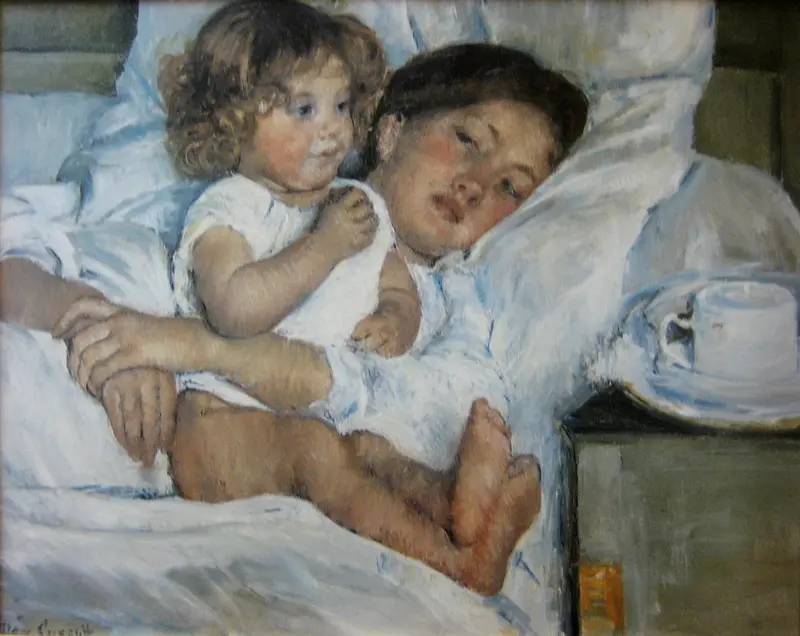
Breakfast in Bed
Mary Cassatt

Mother and Child (Baby Getting Up from His Nap)
Mary Cassatt
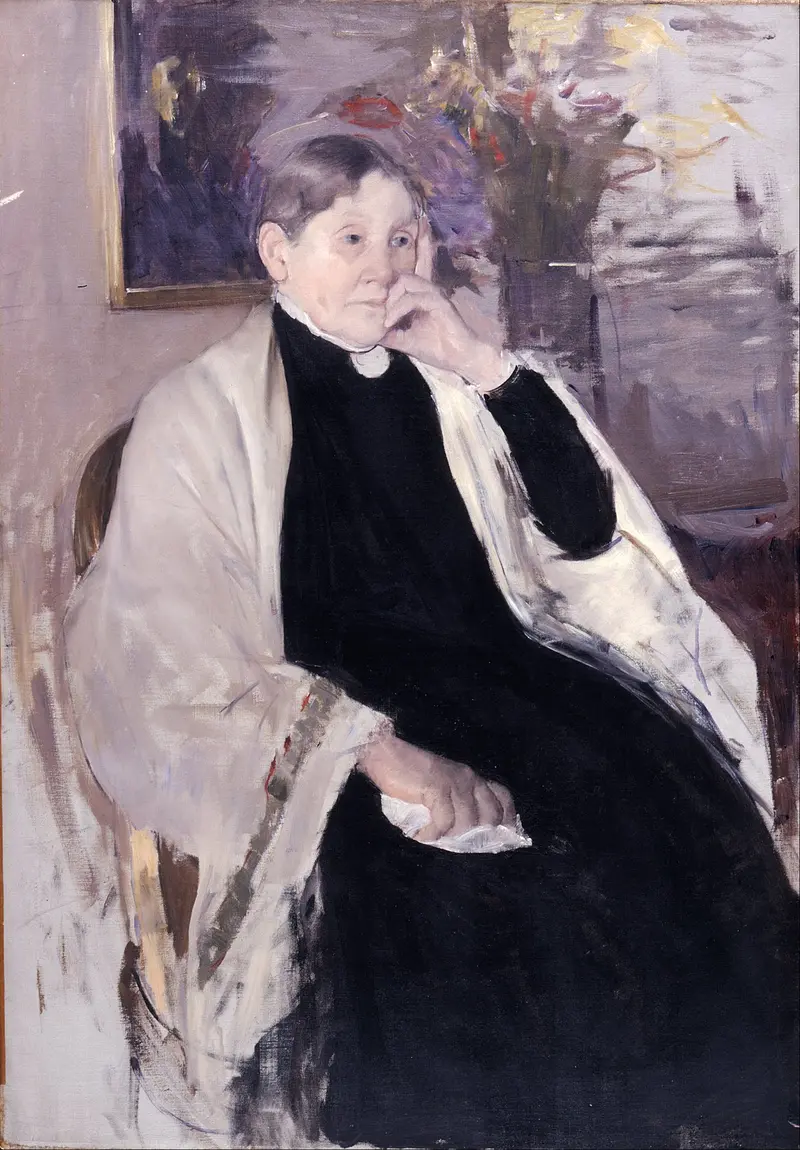
Mrs. Robert S. Cassatt, the Artist's Mother
Mary Cassatt
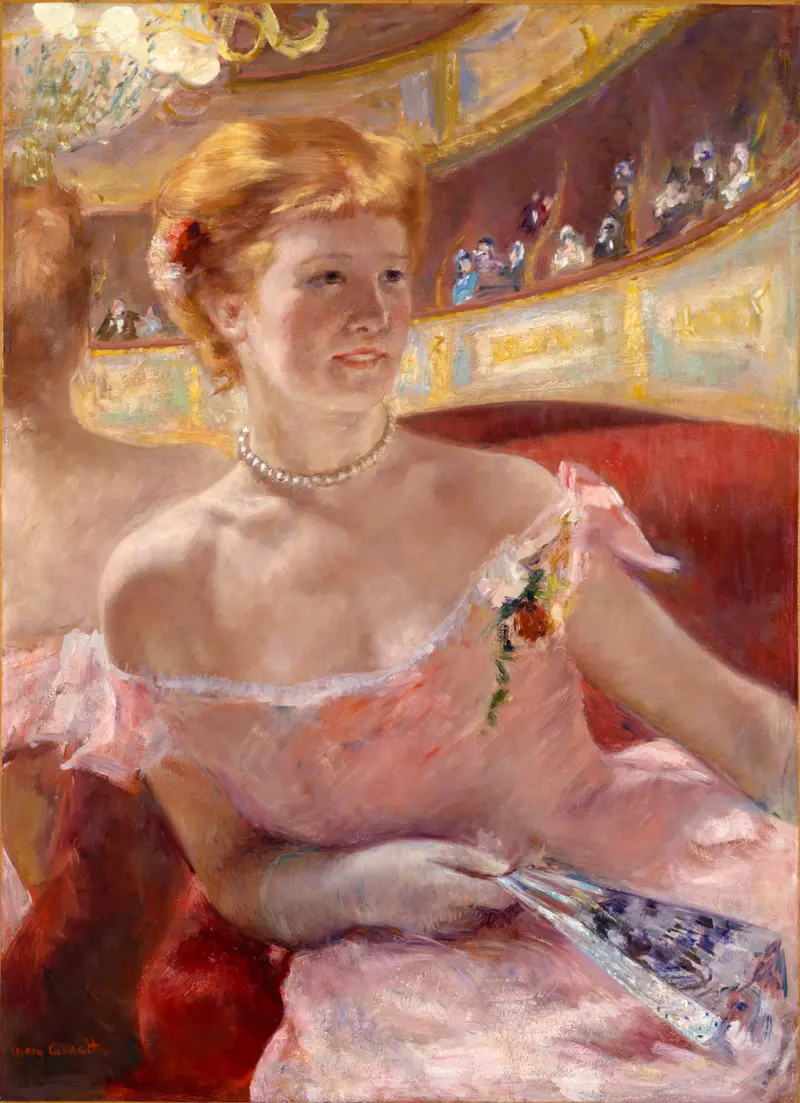
Woman with a Pearl Necklace in a Loge
Mary Cassatt
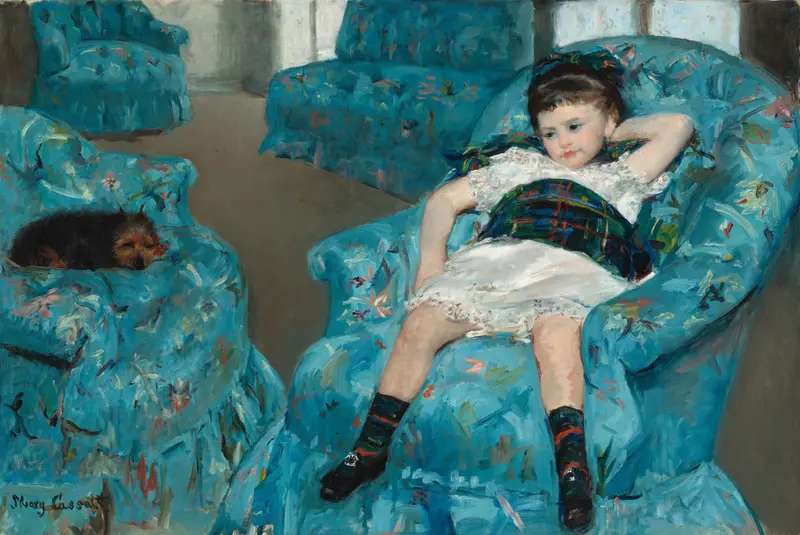
Little Girl in a Blue Armchair
Mary Cassatt
Mother and Child (The Oval Mirror)
Mary Cassatt
Mother and Child
Mary Cassatt
In The Loge
Mary Cassatt
On a Balcony
Mary Cassatt





