
Portrait of Maffeo Barberini (Pope Urban VIII) — History & Facts
When Caravaggio painted Portrait of Maffeo Barberini (Pope Urban VIII) in 1593, he was still a young, unproven artist in Rome, yet the sitter would go on to become one of the most powerful popes of the seventeenth century. This portrait captures Barberini not as a pontiff, but as a rising churchman, years before his election to the papacy in 1623. The painting stands as an early testament to the networks and ambitions that would later shape the Baroque world.
Its very existence hints at the close ties between artists and patrons in late sixteenth-century Rome, where fortunes could be made with a single commission. Barberini sits facing the viewer, his gaze direct and calculating, dressed in the sober black of a cleric rather than the ornate robes of a pope. Caravaggio's sharp light slices across Barberini's features, highlighting the intelligence and resolve in his expression while casting the background into darkness—a technique that would become the artist's signature. The sitter's hand rests on a letter, perhaps a subtle nod to his diplomatic skills and intellectual pursuits.
Unlike the idealized portraits of Titian or the grand papal images by Raphael, this work is stripped of flattery, focusing instead on psychological presence. The realism of the flesh and the intensity of the eyes suggest Caravaggio's early interest in capturing the truth of character rather than merely the trappings of office. The painting's early history is not fully documented, but it likely remained within the Barberini family, who would later become major patrons of the arts during Urban VIII's papacy. Its attribution to Caravaggio has been debated, as the style is less dramatic than his later works, yet the directness and naturalism point unmistakably to his hand.
Today, the portrait is valued as a rare glimpse into Caravaggio's formative years and as a record of a pivotal figure before he ascended to the papal throne. Its journey, like that of its subject, traces the intertwined paths of ambition, art, and power in Baroque Rome.
More Artworks by Caravaggio
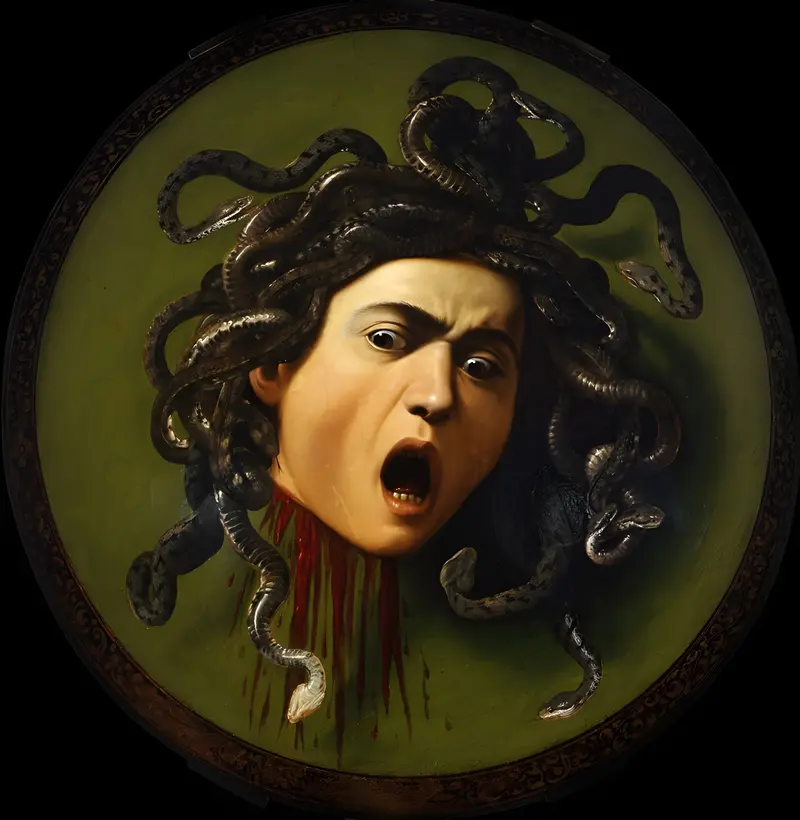
Medusa
Caravaggio
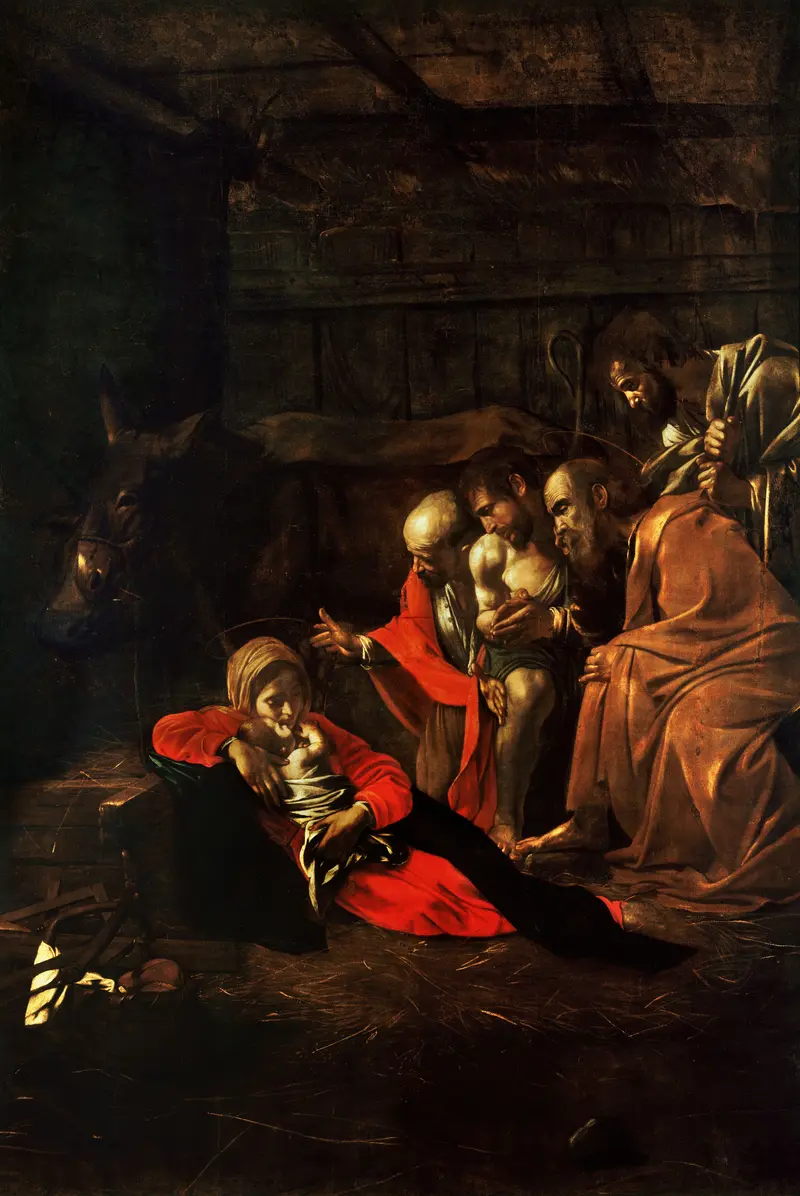
Adoration of the Shepherds
Caravaggio
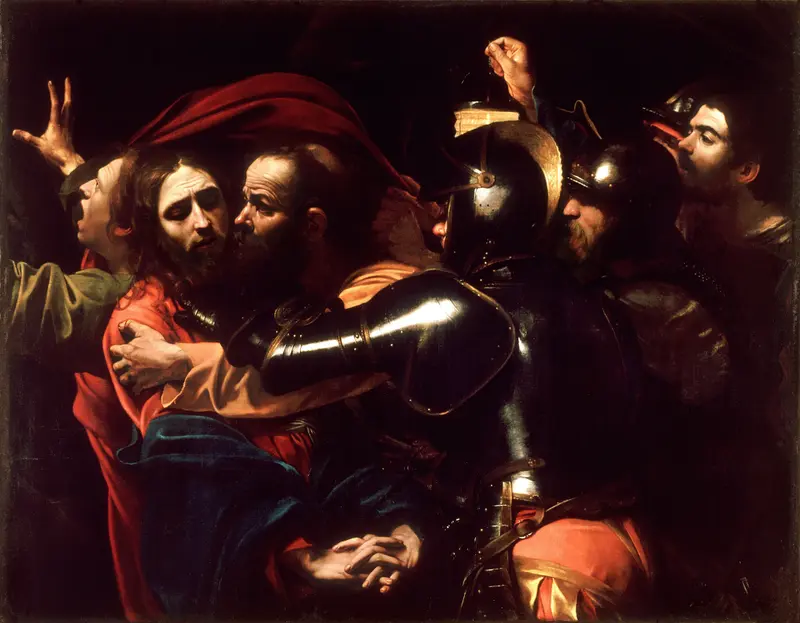
The Taking of Christ
Caravaggio
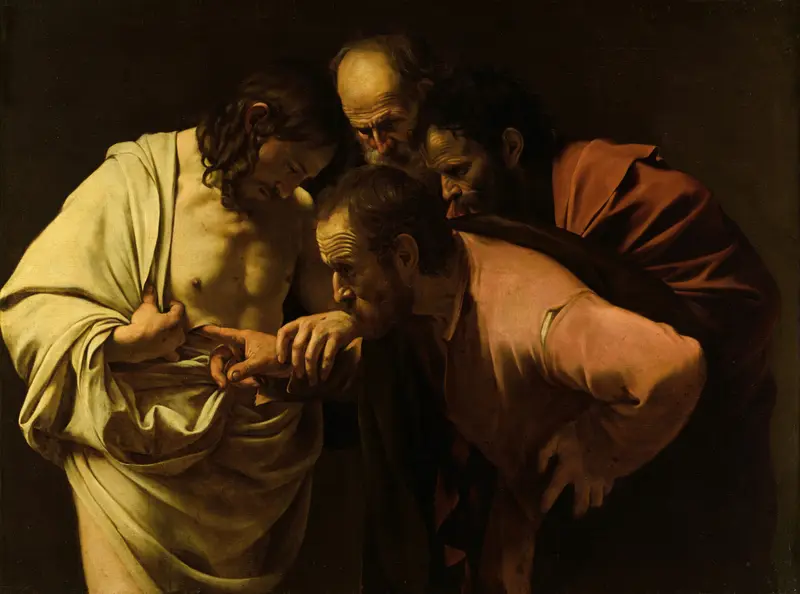
The Incredulity of Saint Thomas
Caravaggio
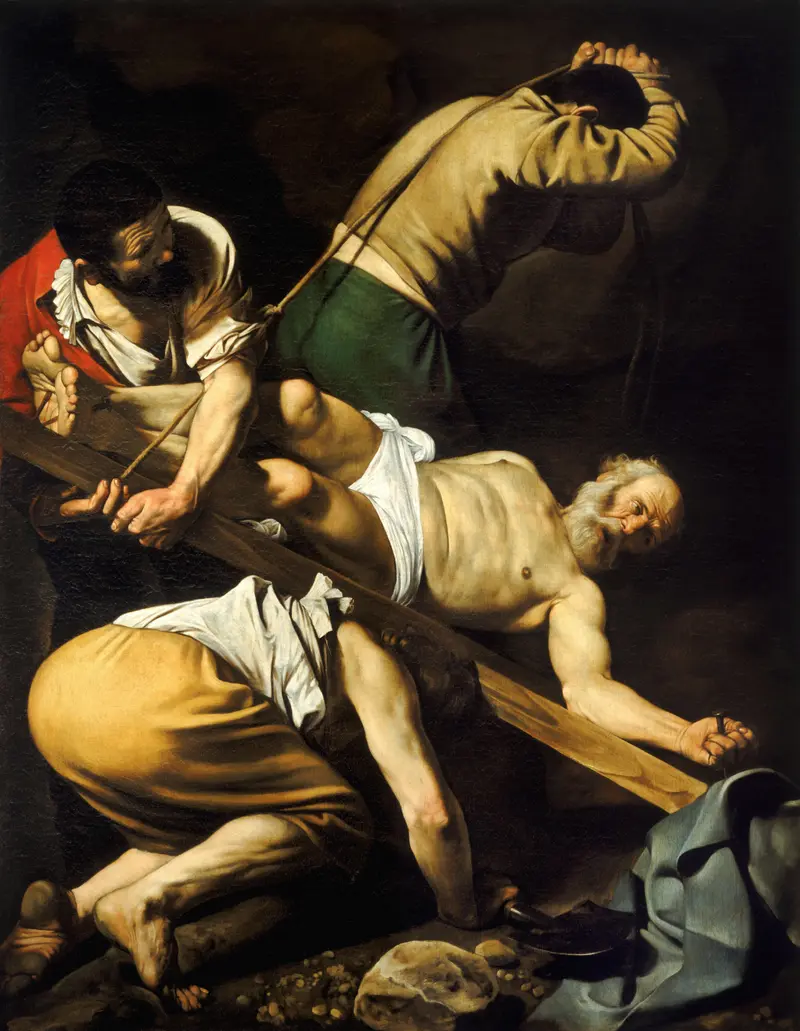
Crucifixion of Saint Peter
Caravaggio
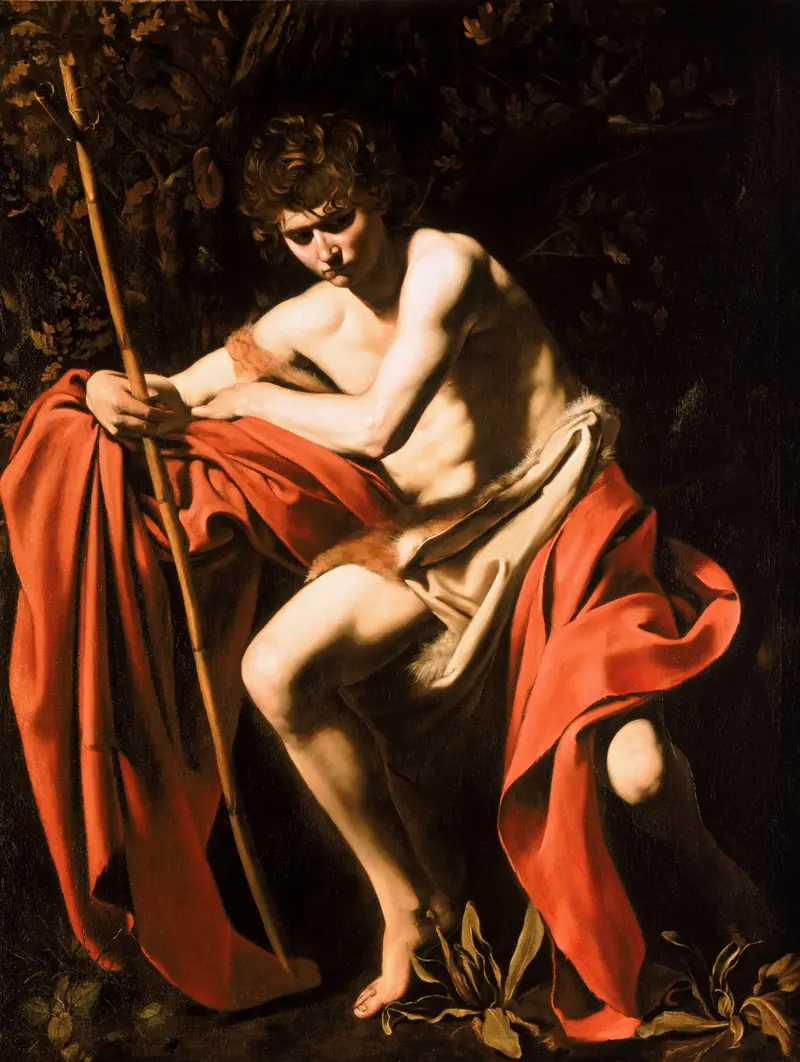
Saint John The Baptist In The Wilderness
Caravaggio

Saint Matthew and the angel
Caravaggio
The Inspiration of Saint Matthew
Caravaggio

Conversion on the Way to Damascus
Caravaggio
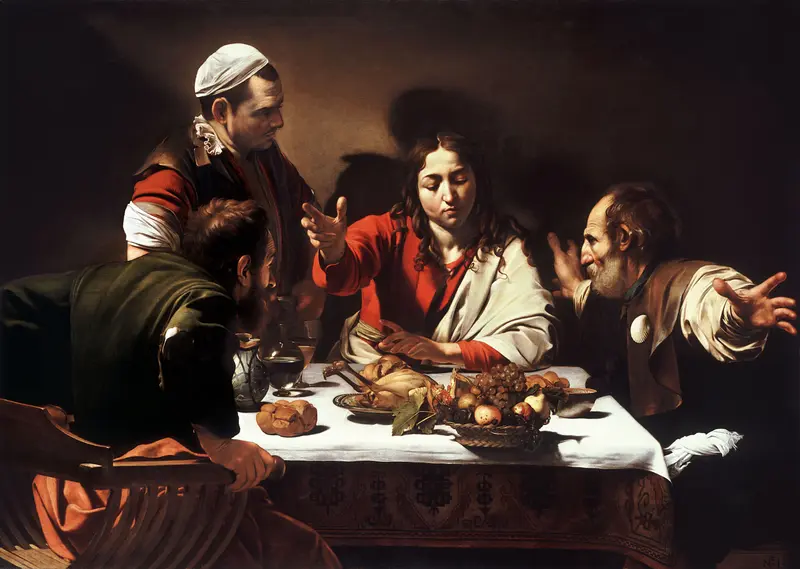
Supper at Emmaus
Caravaggio





