
Portrait of Maria Vernatti — History & Facts
When Portrait of Maria Vernatti emerged in the 19th century art market, it sparked immediate debate among scholars: who was Maria Vernatti, and why did Frans Hals, famed for his lively Dutch sitters, paint this Englishwoman in 1648? The sitter’s identity remains a puzzle, but records suggest she was a member of the English expatriate community in Haarlem, possibly the wife of a merchant or diplomat. The painting’s date places it just after the close of the Eighty Years’ War, a time when the Dutch Republic was opening to foreign influences and new faces appeared in its cities and studios. Unlike Hals’s more boisterous group portraits, this work stands out for its quiet dignity and the sitter’s direct, unwavering gaze. Maria Vernatti is caught at the threshold between formality and informality.
She faces the viewer with a composed expression, her hands delicately clasped, dressed in rich black with a lace collar and cuffs that signal both her social status and the sober elegance of Dutch fashion. The light falls from the left, illuminating her face and the intricate textures of her attire, while the background remains a soft, neutral haze—a hallmark of Hals’s later work. The absence of overt symbols or attributes focuses attention on her presence alone, unlike Anthony van Dyck’s English portraits, which often include elaborate settings and objects to tell more of the sitter’s story.
Here, the story is in the immediacy of her gaze and the subtle play of light across her features. The painting’s early history is obscure, typical for many of Hals’s portraits, which often passed through private hands before entering public collections. By the late 19th century, Portrait of Maria Vernatti was recognized as an authentic work by Frans Hals, though some uncertainty about the sitter’s identity persists. It has since become an important example of his late style, marked by restraint and psychological depth, and now hangs in the Museo del Prado, where it offers a quiet counterpoint to the exuberance of his earlier works.
The painting’s journey from a private commission in the Dutch Golden Age to a place among the Spanish royal collections reflects the broad appeal and enduring fascination of Hals’s portraiture.
More Artworks by Frans Hals

Banquet of the Officers of the St George Civic Guard
Frans Hals

Portrait of Jacob Pietersz Olycan (1596-1638)
Frans Hals

Laughing Cavalier
Frans Hals

Militia Company of District XI under the Command of Captain Reynier Reael, Known as ‘The Meagre Company’
Frans Hals

Regentesses of the Old Men's Alms House
Frans Hals
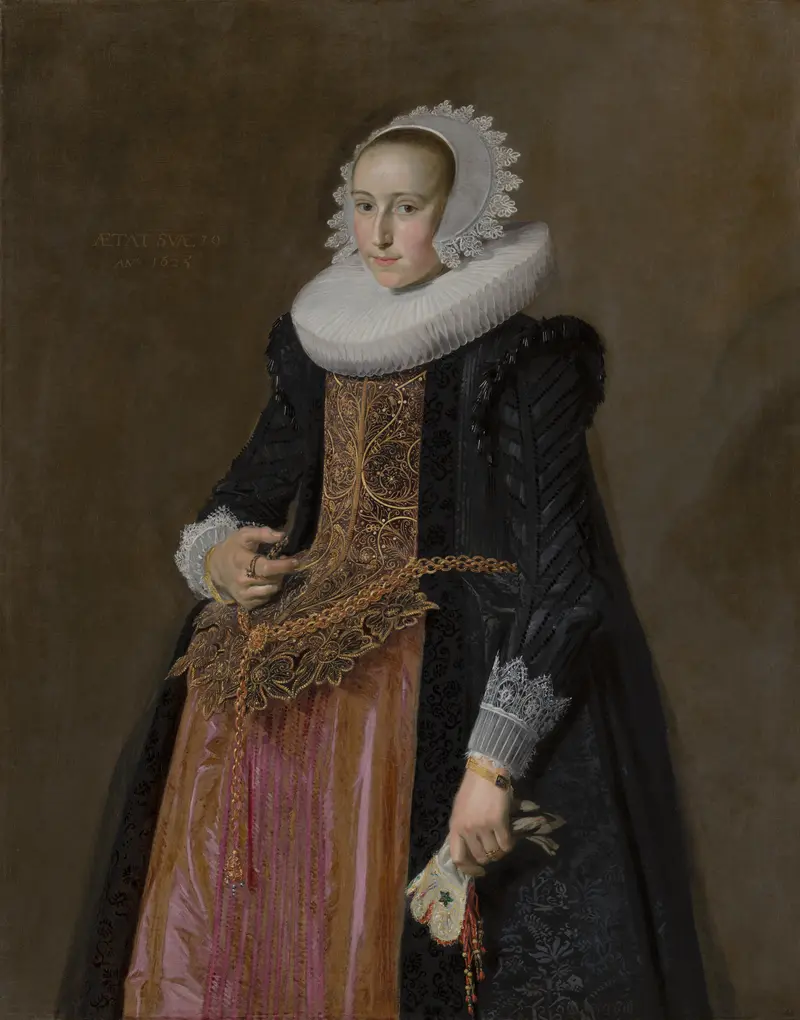
Portrait of Aletta Hanemans (1606–1653)
Frans Hals

Portrait of a Married Couple, Likely Isaac Abrahamsz Massa and Beatrix van der Laen
Frans Hals
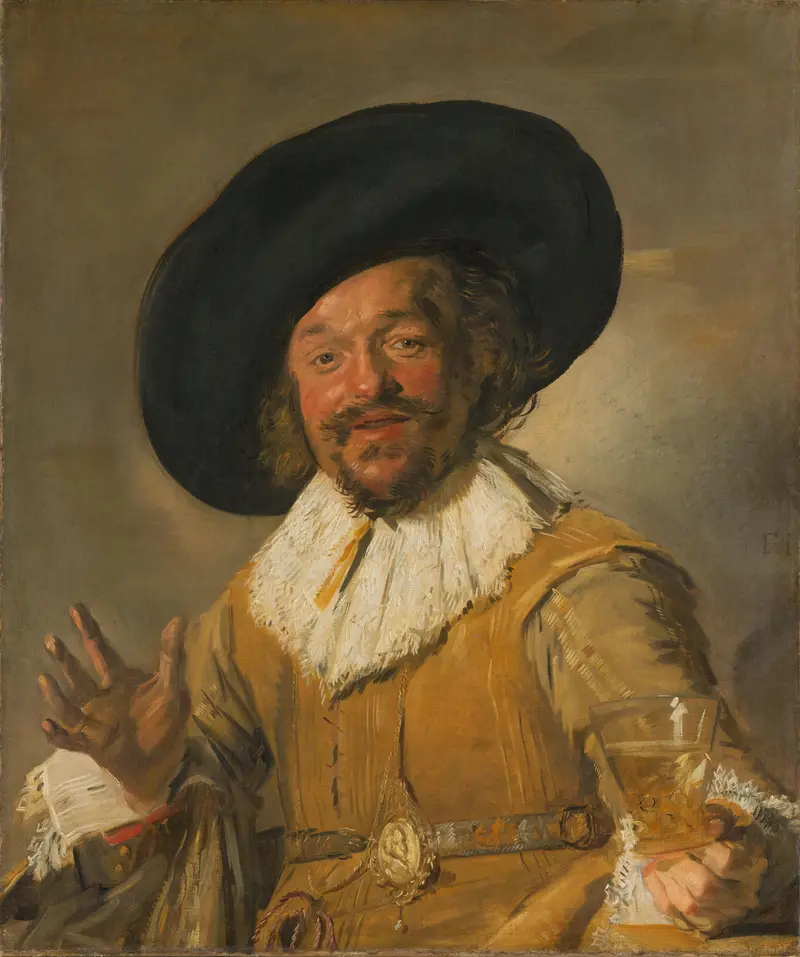
The Merry Drinker
Frans Hals

Portrait of Paulus Verschuur
Frans Hals

Portrait of Pieter van den Broecke
Frans Hals





