
Portrait of Mlle Henault, comtesse d'Aubeterre — History & Facts
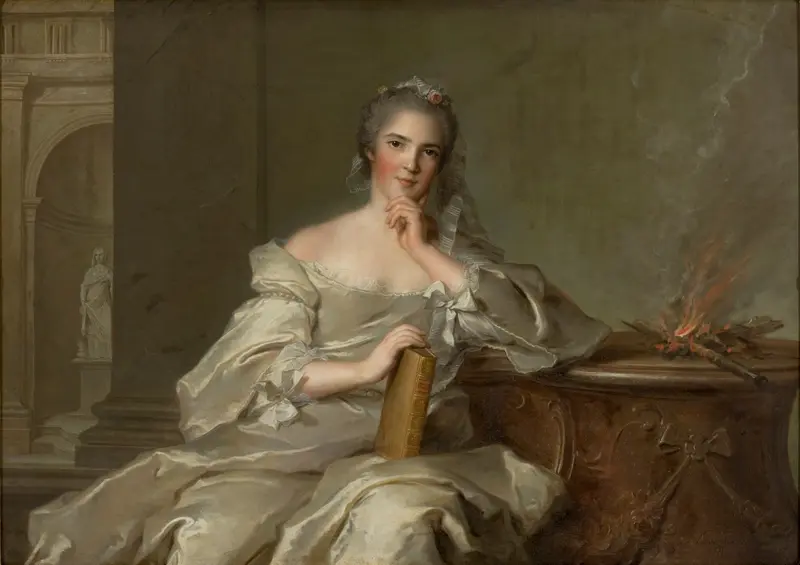
What first draws the eye in Portrait of Mlle Henault, comtesse d'Aubeterre is the sitter’s calm, direct gaze—an invitation to linger in her company, rather than simply observe. She is posed in a relaxed, almost conversational manner, her left arm draped over the folds of a sumptuous blue and white gown that seems to ripple like water across her lap. The painter has caught her at ease, outdoors, the suggestion of a park or garden behind her, but the real focus is the play of light across her face and costume.
Pearls at her bodice and wrist catch the light, hinting at both wealth and refinement, while the soft modeling of her features and the gentle pink of her cheeks speak of youth and confidence. The palette, dominated by cool blues and creamy whites, sets a tranquil mood, drawing the viewer into a world of elegance and poise. This portrait belongs to the world of eighteenth-century France, when society’s elite commissioned likenesses not only to record their appearance but to project their status, taste, and ideals. Artists like Jean-Marc Nattier became celebrated for their ability to blend realism with a flattering grace, often placing their subjects in idyllic settings that suggested both nobility and naturalness.
Painted in the eighteenth century and now housed in the Museo Nacional de Bellas Artes, this work stands as a testament to that age’s belief in the power of art to shape identity. History has kept few traces of Mlle Henault herself, but the painting’s serene confidence still invites us to imagine the world she moved through, and to wonder what she might have said, had we met her gaze in person.
More Artworks by Jean-Marc Nattier

Madame Crozat de Thiers and Her Daughter
Jean-Marc Nattier
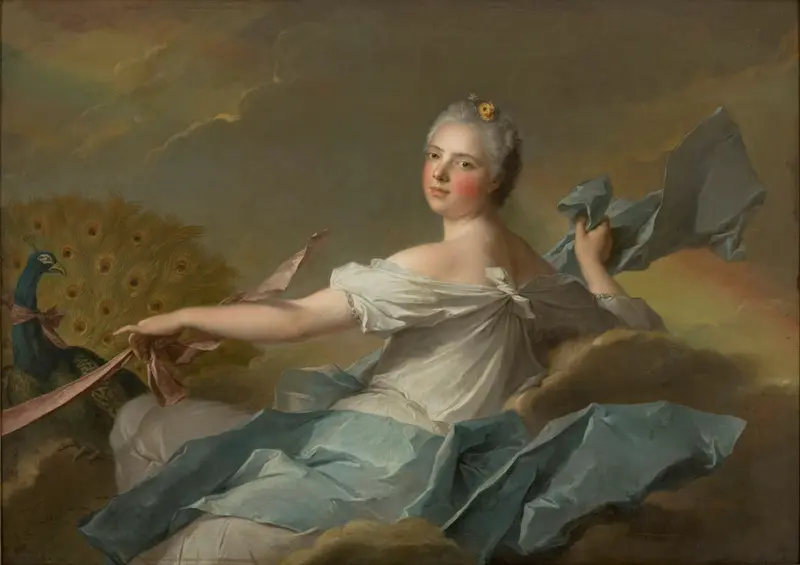
Princess Marie Adélaïde of France - The Air
Jean-Marc Nattier
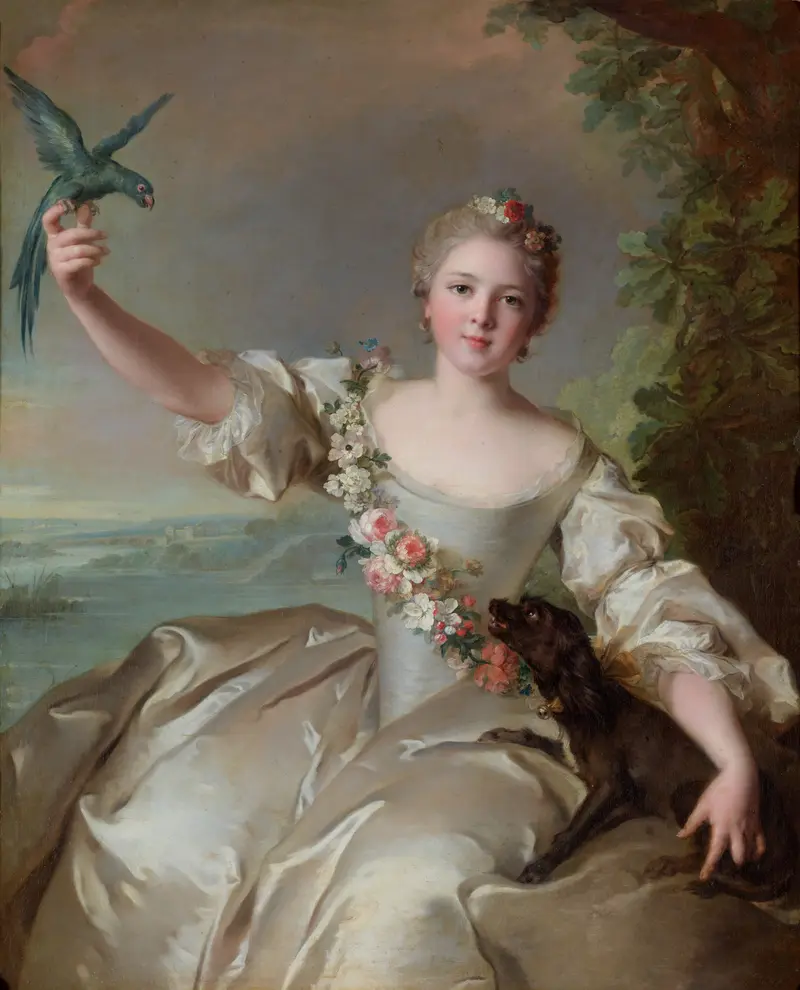
Portrait de Mathilde de Canisy, marquise d'Antin
Jean-Marc Nattier
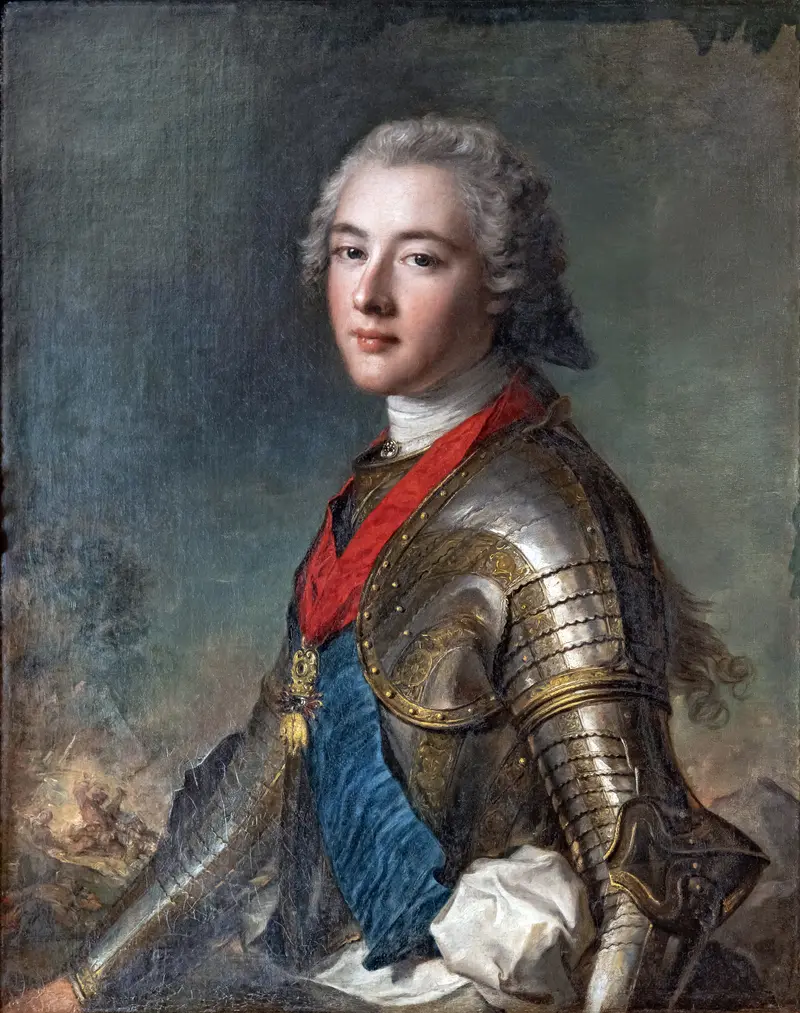
Bemberg Fondation Toulouse - Portrait de Louis Jean Marie de Bourbon, Duc de Penthièvre - Jean Marc Nattier inv.1158 82x65.4
Jean-Marc Nattier
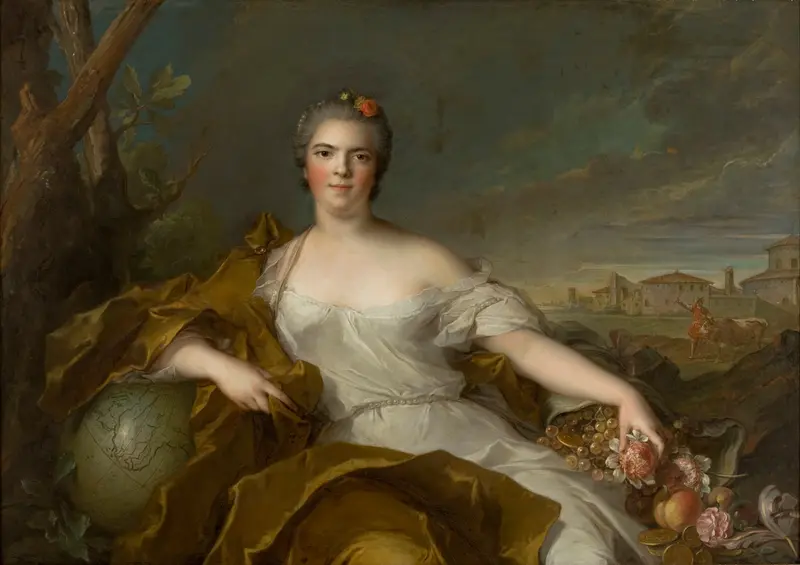
Princess Louise-Élisabeth of France - The Earth
Jean-Marc Nattier
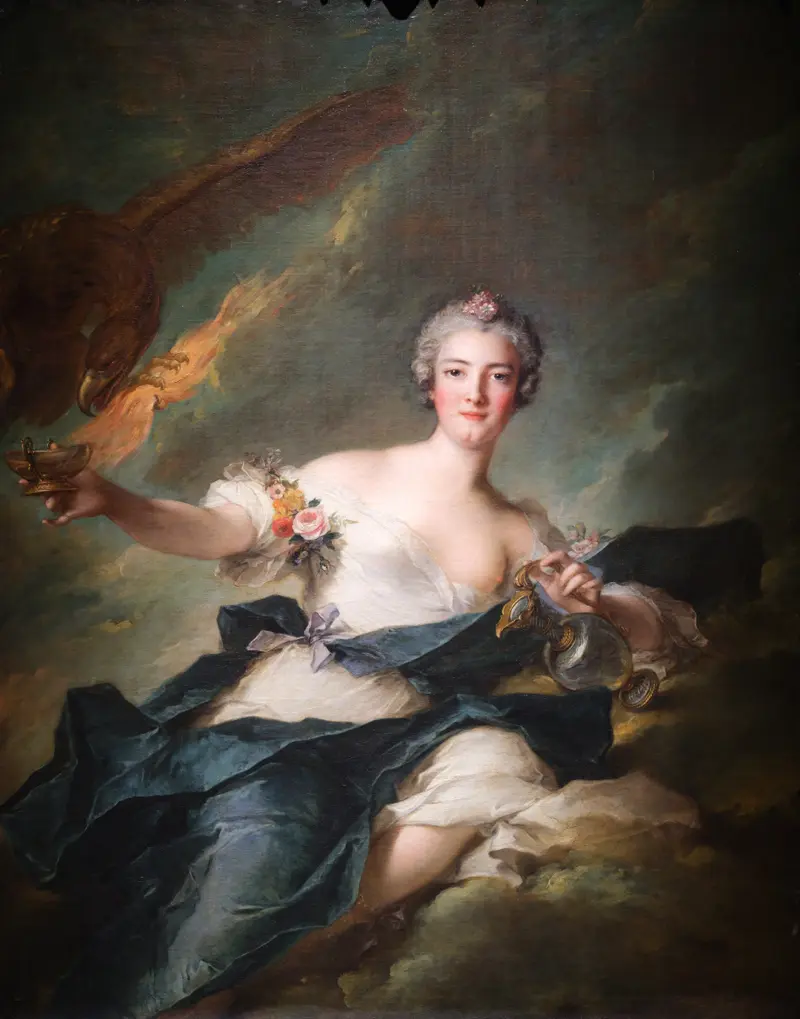
The Duchess of Chaulnes Represented as Hebe
Jean-Marc Nattier
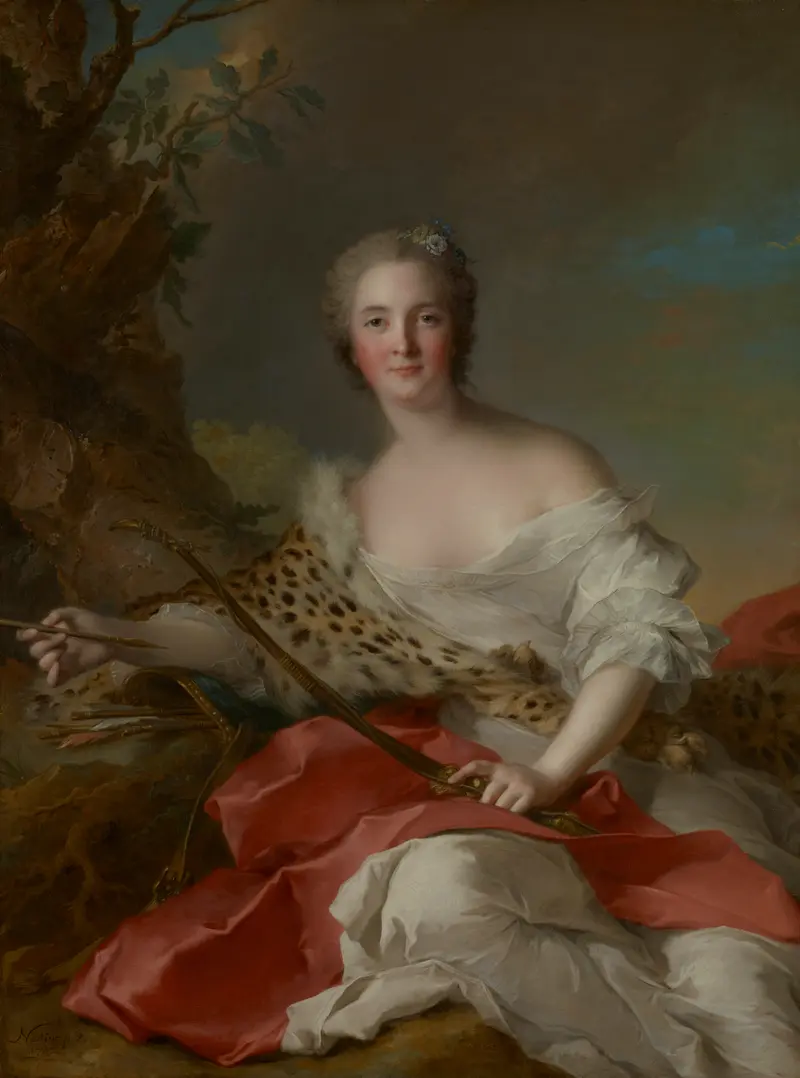
Portrait of Madame Bonnier de la Mosson as Diana (Constance-Gabrielle-Magdeleine du Monciel de Lauraille
Jean-Marc Nattier
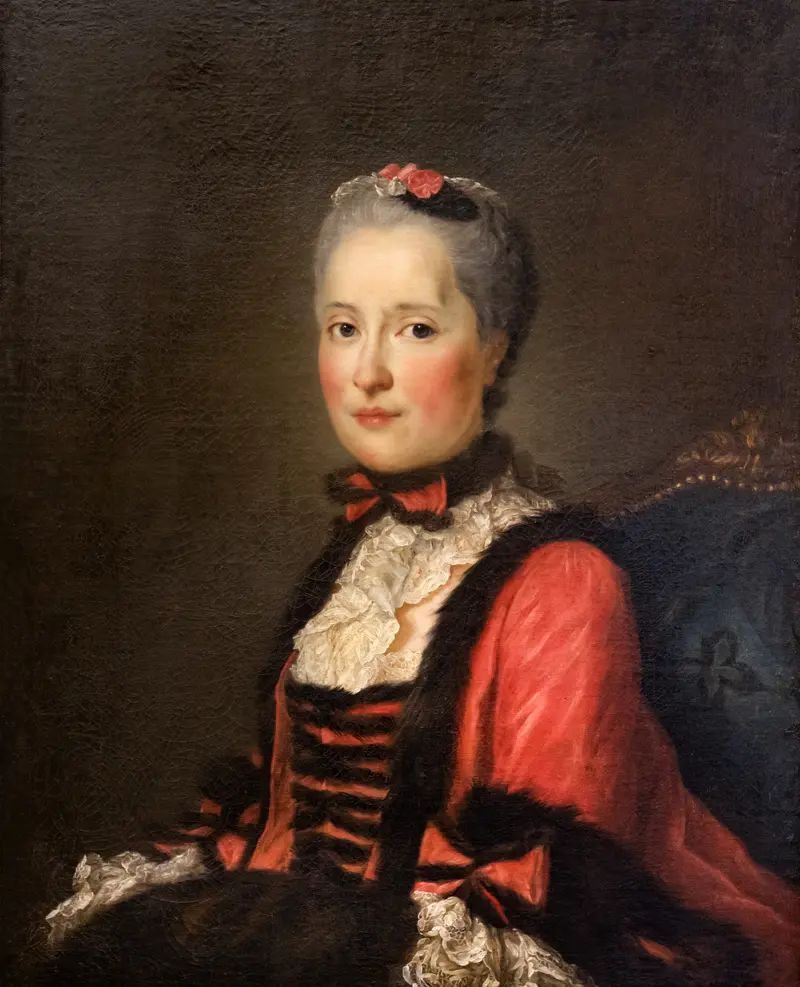
Portrait of Marie-Josephe of Saxony, Dauphine of France
Jean-Marc Nattier
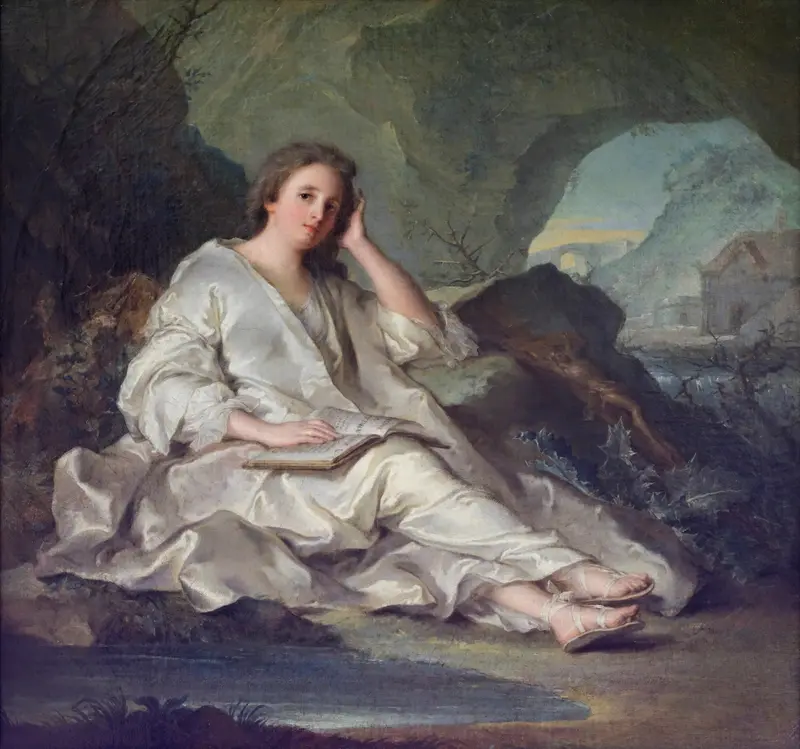
La Madeleine, ou Une Pénitente dans le désert Musée du Louvre Peintures INV 6880 ; MR
Jean-Marc Nattier
Princess Anne-Henriette of France - The Fire
Jean-Marc Nattier





