
Portrait of Moritz Buchner — History & Facts
What first catches the eye in Portrait of Moritz Buchner is the tension between the sitter’s opulent attire and his reserved, almost wary expression. The fur collar sweeps broadly across his shoulders, a silent proclamation of wealth and status, while the vivid red sleeves pulse with life against the dark, sober background. His right hand, adorned with a striking signet ring and a second gem, draws attention to both his social standing and the painter’s meticulous care for detail—each fold of fabric and glint of gold rendered with a craftsman’s pride.
The sitter’s gaze, direct yet slightly askance, suggests a man conscious of his own importance, yet not entirely at ease beneath the scrutiny of the viewer or the artist. Painted around 1518–1520, this work belongs to the flourishing world of early sixteenth-century German portraiture, when the rising urban elite sought to immortalize their likenesses and virtues. Lucas Cranach the Elder was a master of this new genre, capturing the individuality and ambitions of his sitters with a clarity that was both flattering and honest. Such portraits were often commissioned to mark professional success or social ascent, intended for display in private homes or council chambers as enduring tokens of legacy.
While little is recorded about the specific journey of this painting before it entered the Minneapolis Institute of Arts, its presence in a modern collection allows us to witness firsthand the ambitions and anxieties of a world on the cusp of the Reformation—inviting us to linger over every detail, and to wonder what stories lie behind that guarded gaze.
More Artworks by Lucas Cranach the Elder

Martin Luther
Lucas Cranach the Elder
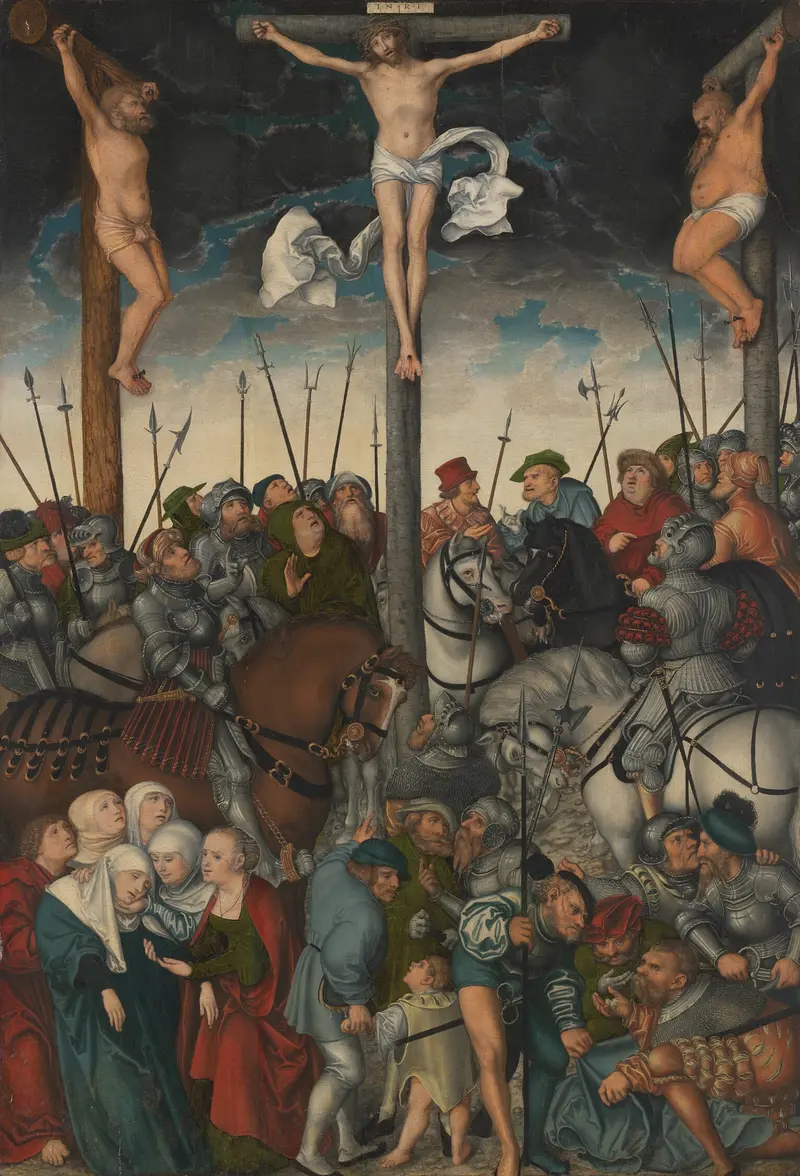
The Crucifixion
Lucas Cranach the Elder
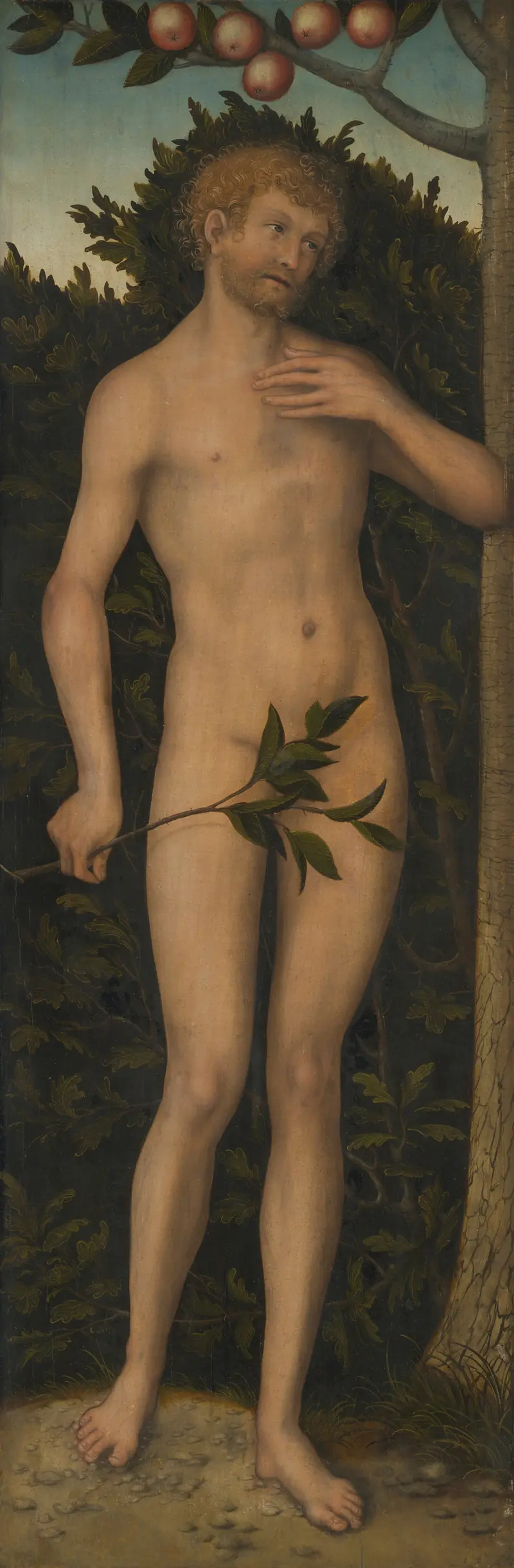
Adam
Lucas Cranach the Elder
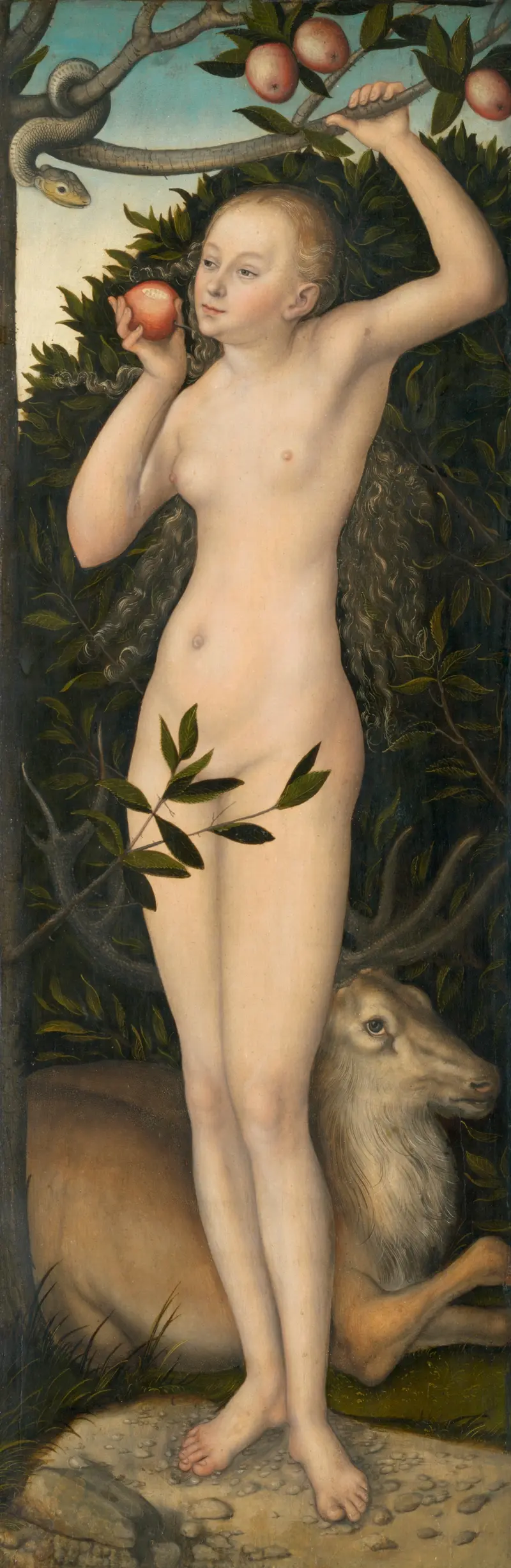
Eve
Lucas Cranach the Elder
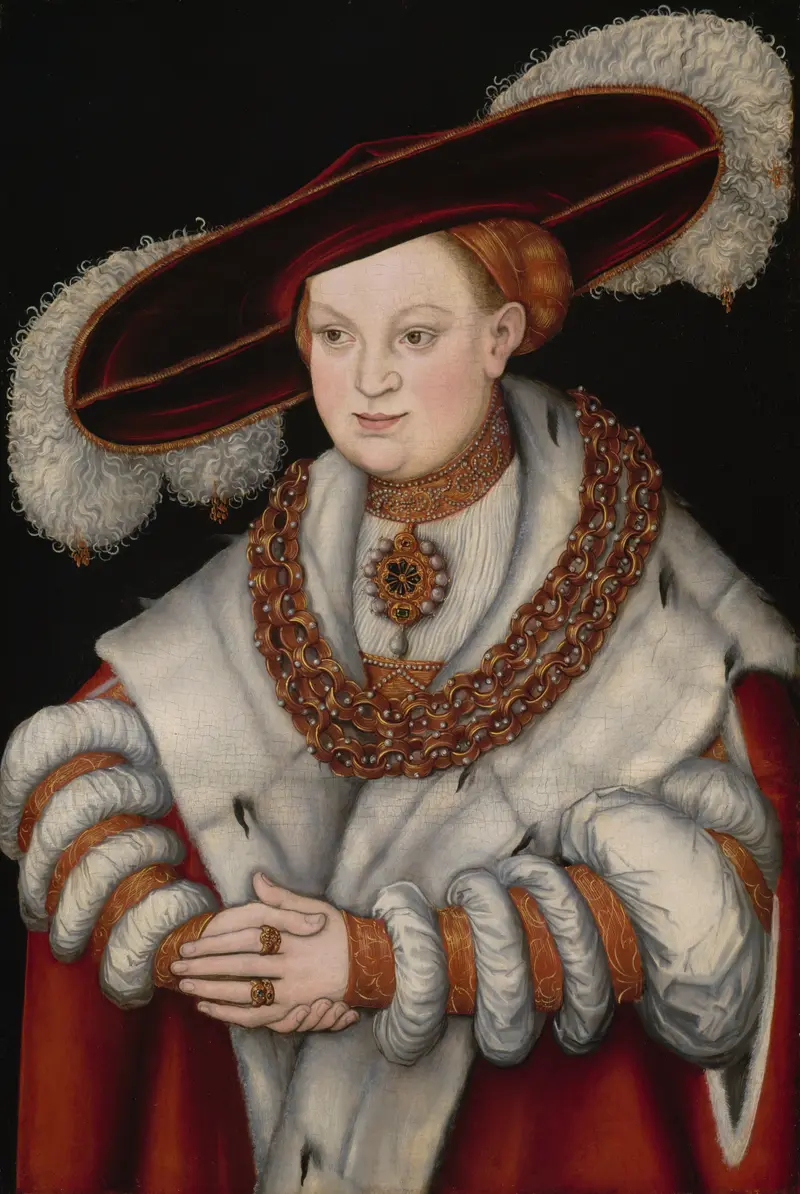
Portrait of Magdalena of Saxony, Wife of Elector Joachim II of Brandenburg
Lucas Cranach the Elder
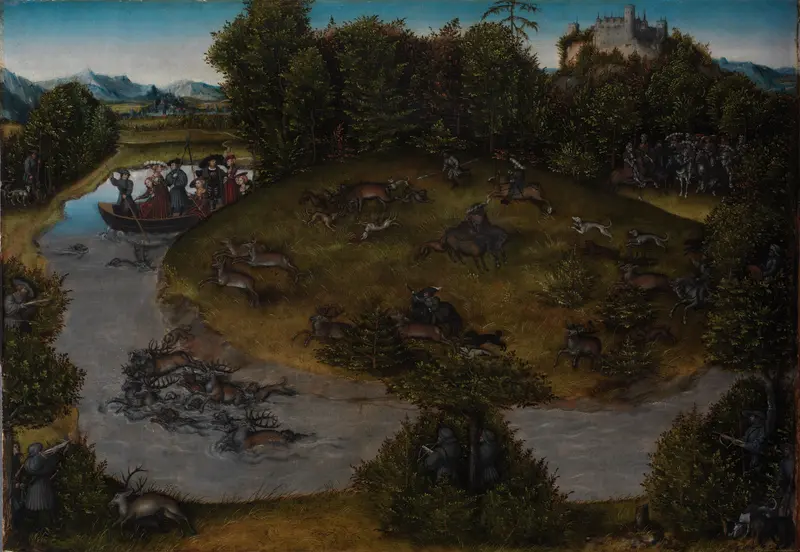
The Stag Hunt of the Elector Frederic the Wise (1463-1525) of Saxony
Lucas Cranach the Elder
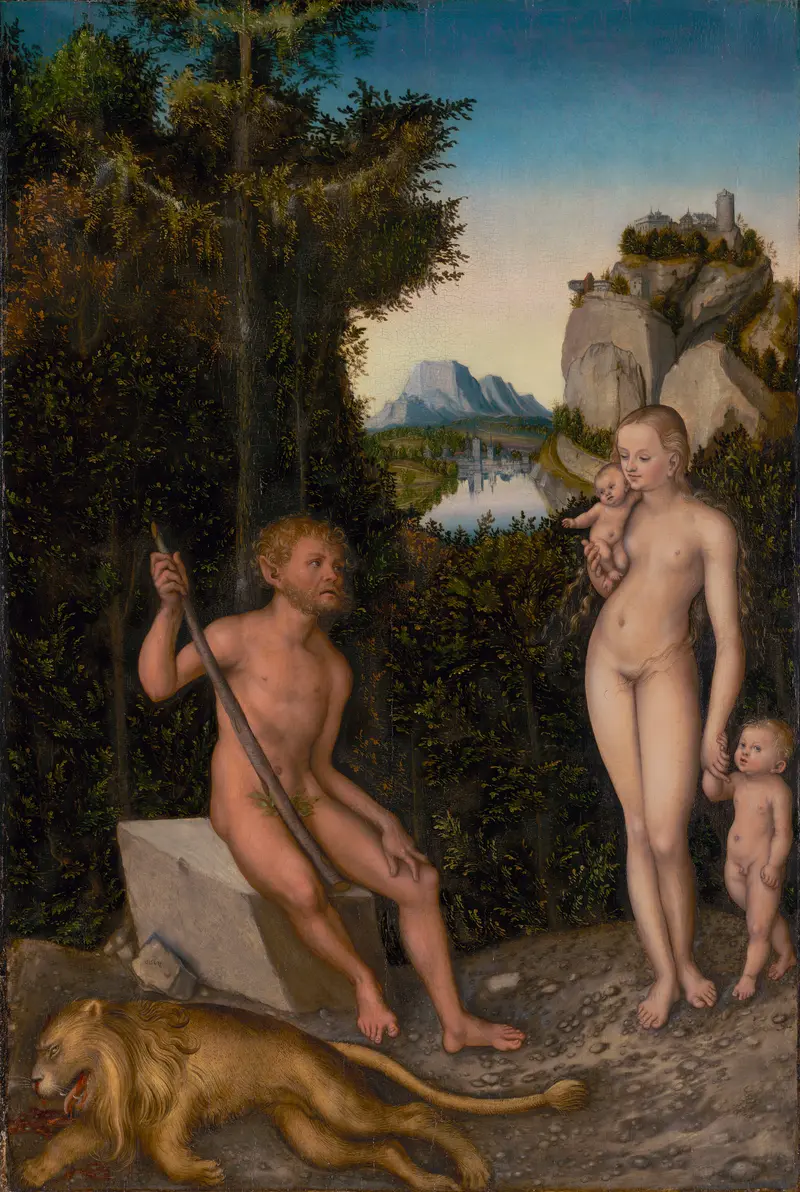
A Faun and His Family with a Slain Lion
Lucas Cranach the Elder
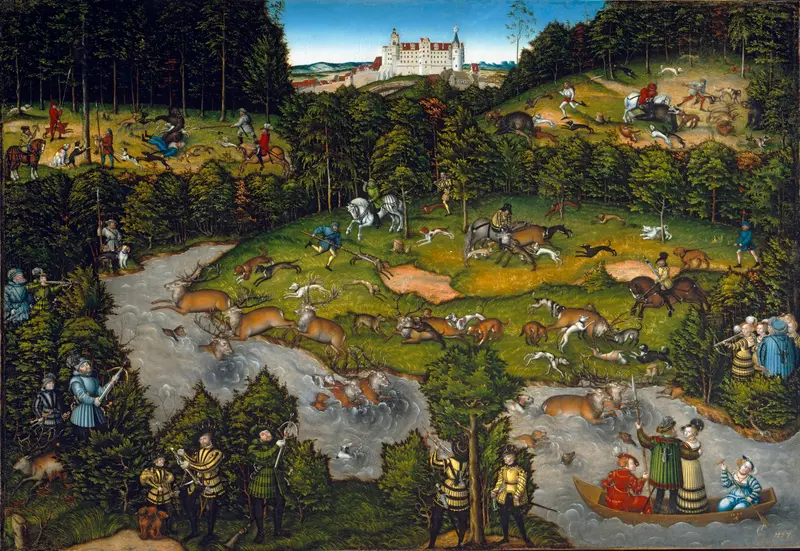
Hunting near Hartenfels Castle
Lucas Cranach the Elder
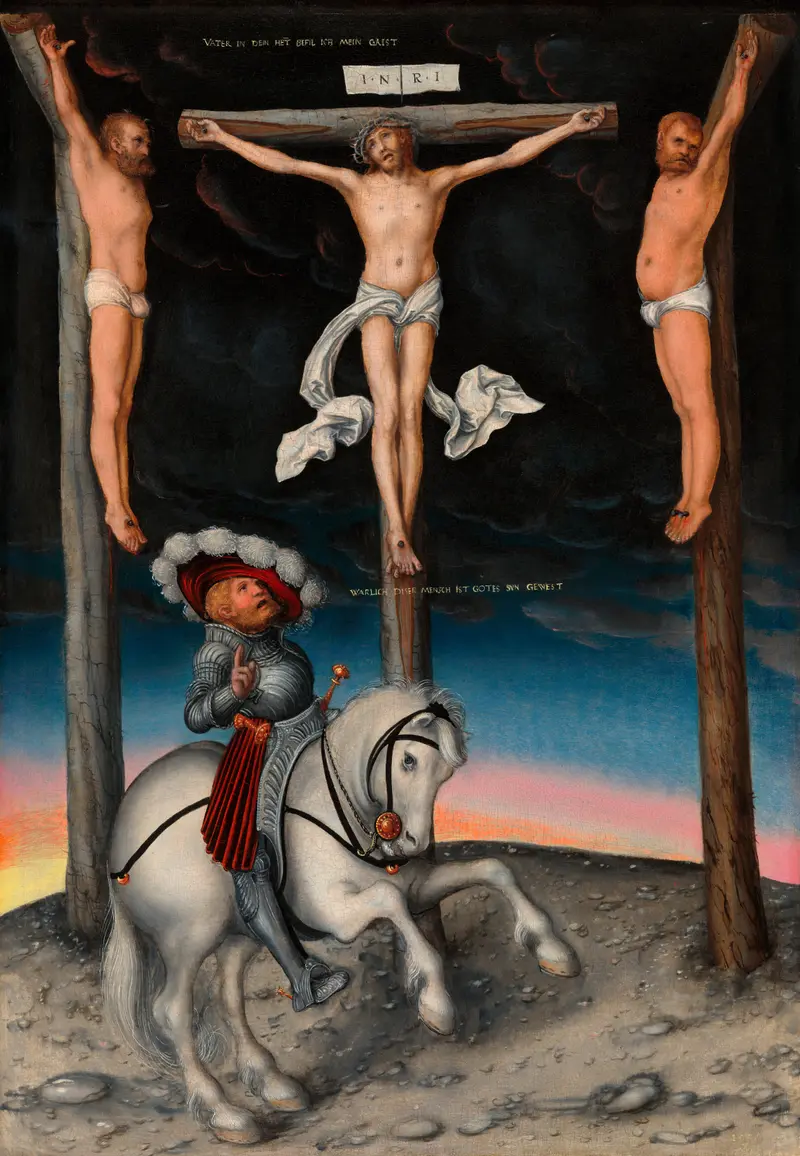
The Crucifixion with the Converted Centurion
Lucas Cranach the Elder
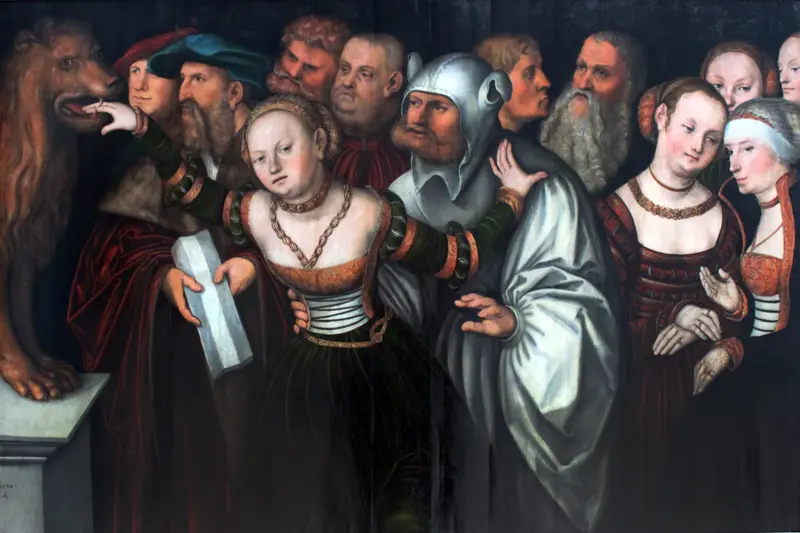
The Fable of the Mouth of Truth
Lucas Cranach the Elder





