
Portrait of Peter I — History & Facts
What draws the eye first is the confident, almost conversational gaze of the sitter, who stands in polished armor that catches and scatters the light. The artist has chosen a moment of poised readiness—one hand resting on a plumed helmet, the other gripping the hilt of a sword. The metallic gleam of the breastplate and the blue sash crossing the chest signal both martial prowess and high rank, while the background hints at distant battle or pageant, anchoring the figure in a world of action and command.
The palette is rich but controlled, with the reds of the feathers and the cool blue sash standing out against a field of golds and greys, guiding the viewer’s attention from the face to the emblems of power and back again. Painted in 1717, this portrait belongs to a world where rulers and military leaders asserted their place through grand images as much as through deeds. Portraits of this kind, especially by artists like Jean-Marc Nattier, were often commissioned to project authority, virtue, and the legitimacy of rule—sometimes for foreign courts, sometimes for the halls of power at home. The Hermitage in St.
Petersburg now holds this work, a reminder of the era’s fascination with pageantry and the careful construction of royal image. History has kept few traces of this painting’s early journey, but its presence today invites us to read not just a likeness, but a performance of leadership—one that still commands attention centuries later.
More Artworks by Jean-Marc Nattier

Madame Crozat de Thiers and Her Daughter
Jean-Marc Nattier
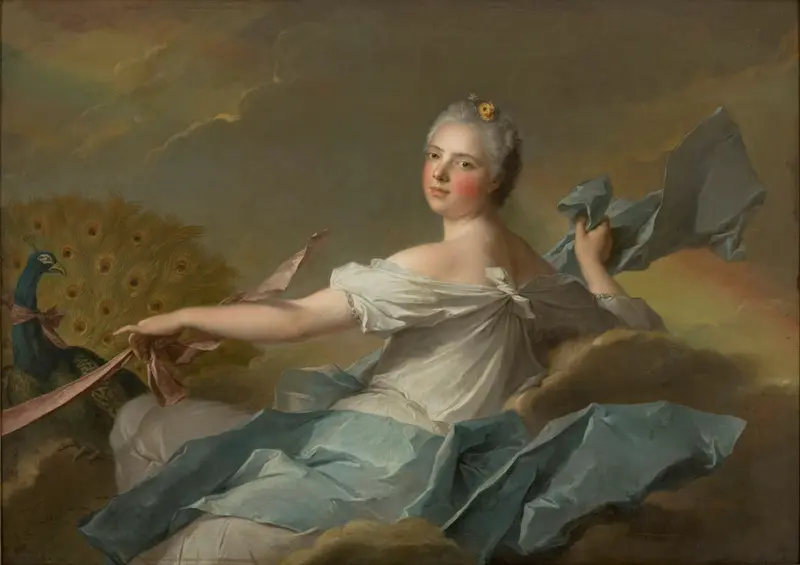
Princess Marie Adélaïde of France - The Air
Jean-Marc Nattier
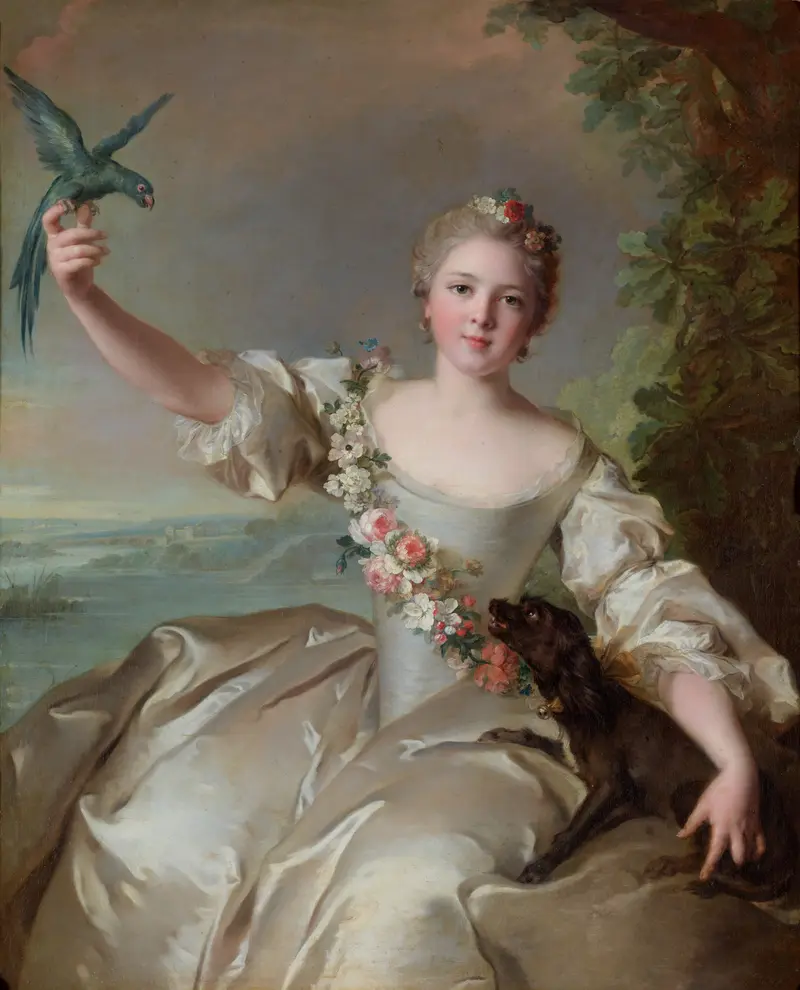
Portrait de Mathilde de Canisy, marquise d'Antin
Jean-Marc Nattier
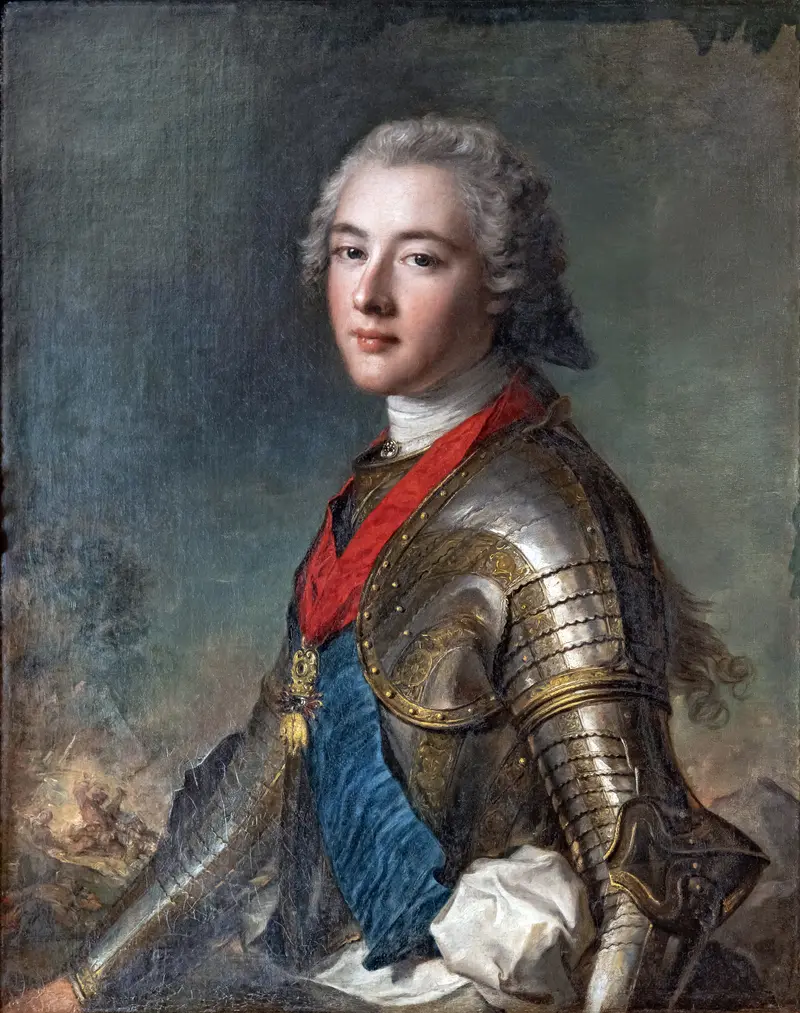
Bemberg Fondation Toulouse - Portrait de Louis Jean Marie de Bourbon, Duc de Penthièvre - Jean Marc Nattier inv.1158 82x65.4
Jean-Marc Nattier
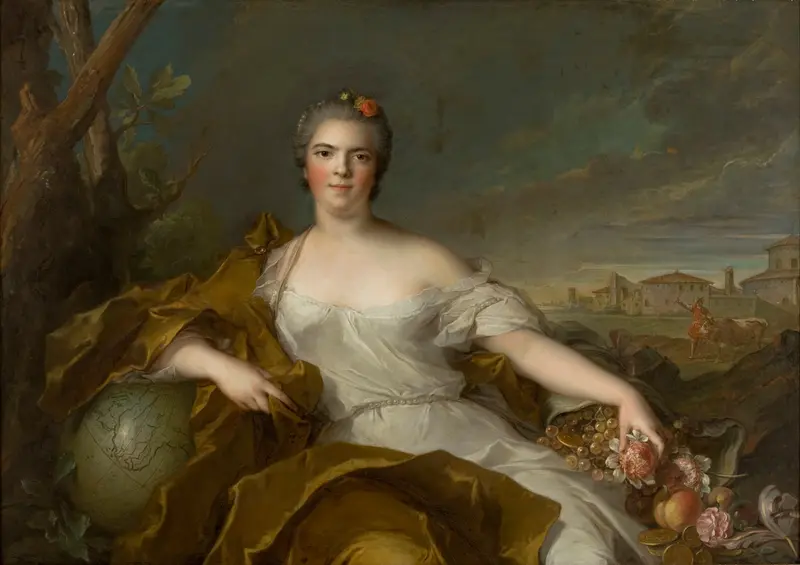
Princess Louise-Élisabeth of France - The Earth
Jean-Marc Nattier
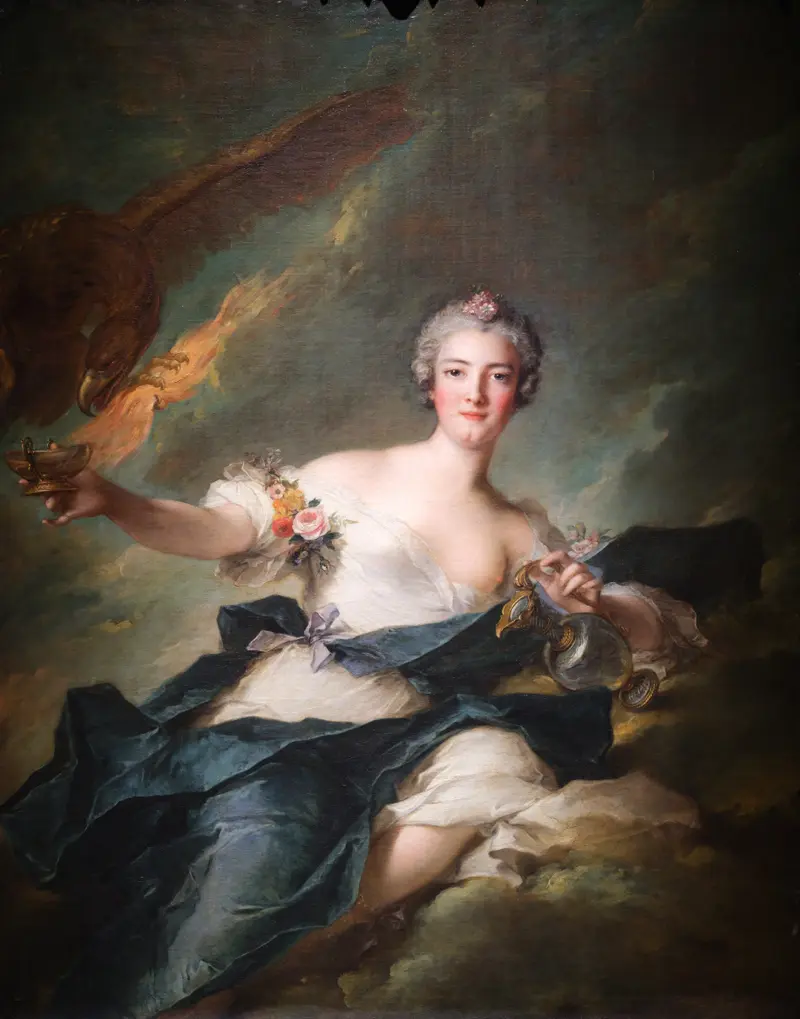
The Duchess of Chaulnes Represented as Hebe
Jean-Marc Nattier
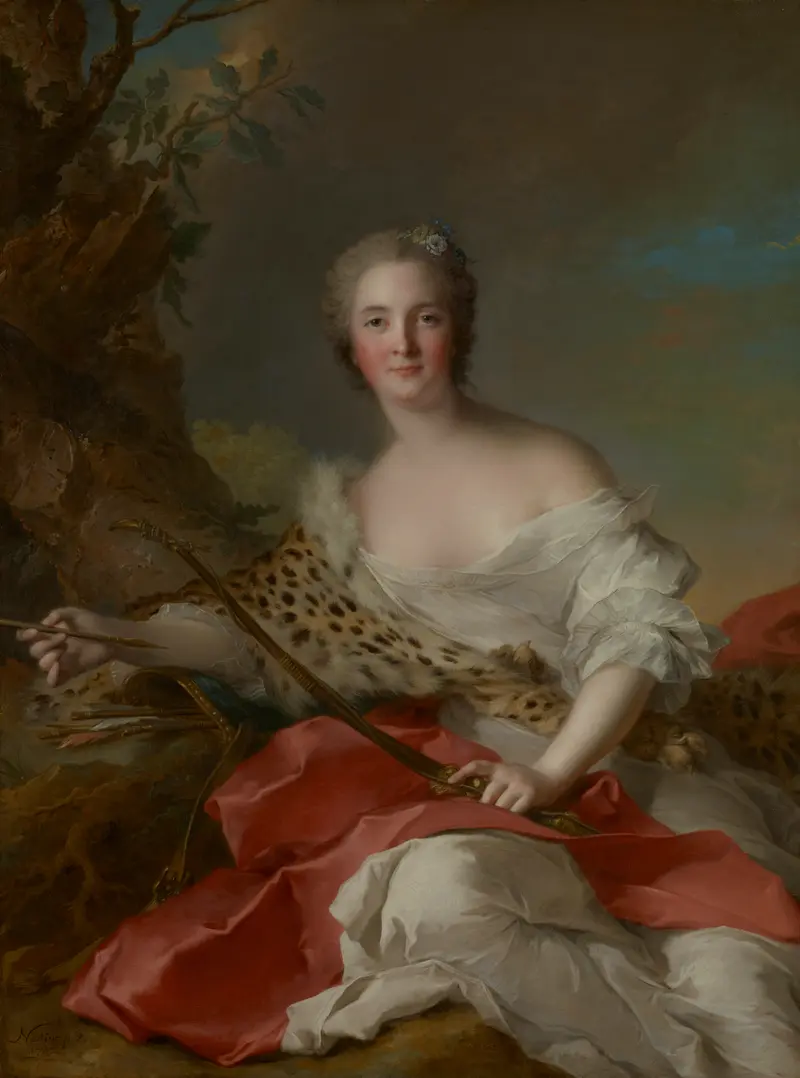
Portrait of Madame Bonnier de la Mosson as Diana (Constance-Gabrielle-Magdeleine du Monciel de Lauraille
Jean-Marc Nattier
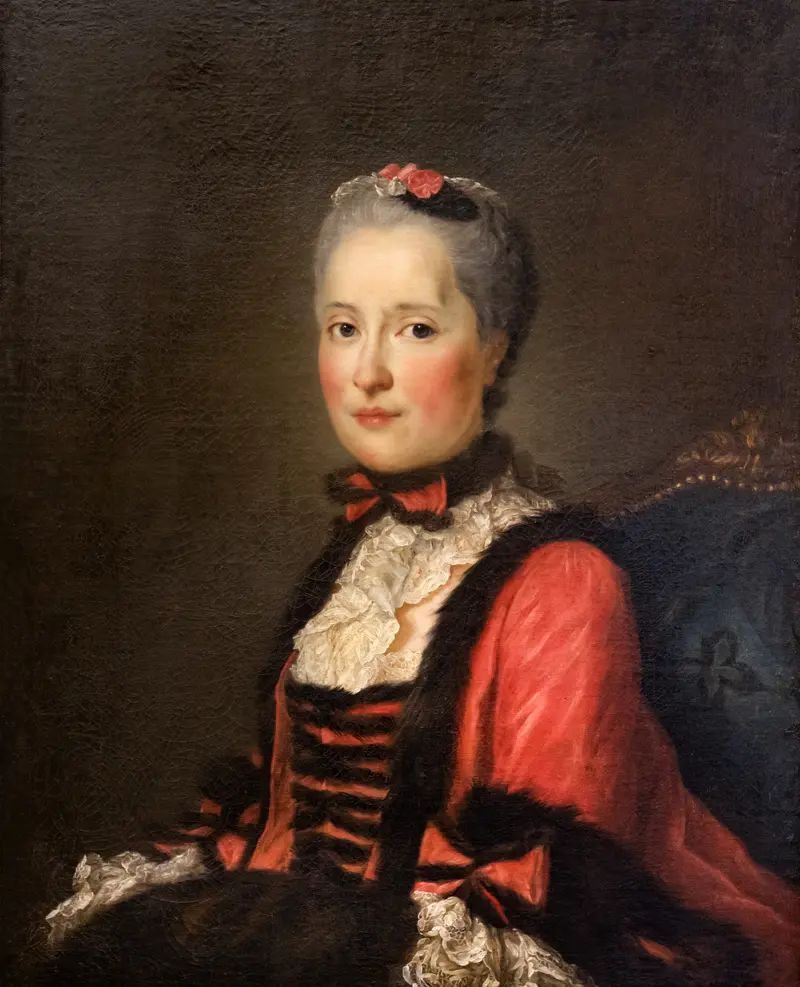
Portrait of Marie-Josephe of Saxony, Dauphine of France
Jean-Marc Nattier
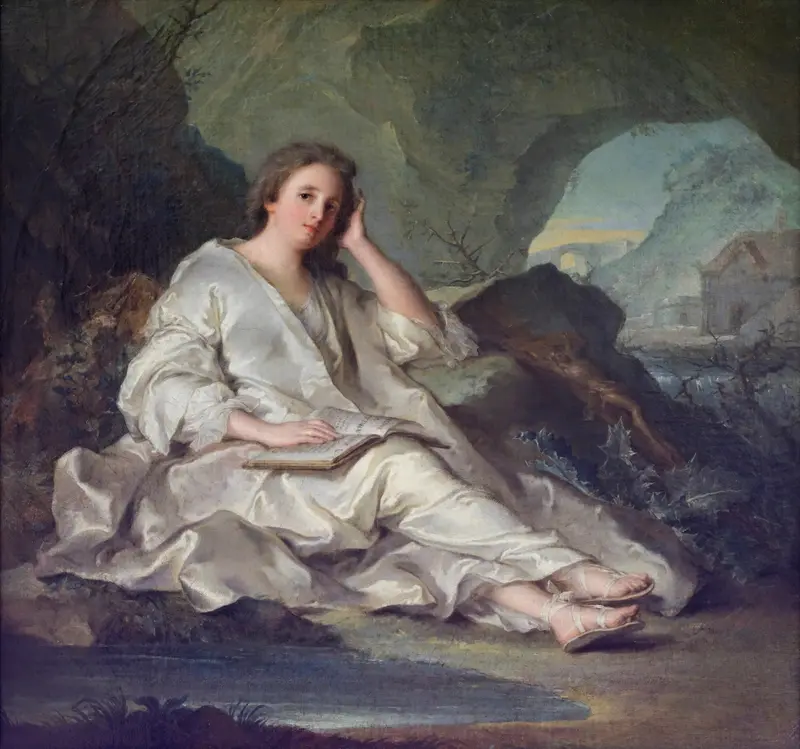
La Madeleine, ou Une Pénitente dans le désert Musée du Louvre Peintures INV 6880 ; MR
Jean-Marc Nattier
Princess Anne-Henriette of France - The Fire
Jean-Marc Nattier





