
Portrait of Philiberte-Orléans Perrin de Cypierre, Countess of Maussion — History & Facts
It is the shimmer of sheer lace and the confident gaze that first catch the eye, as if the sitter has just turned from conversation to meet us directly. The sweep of powdered hair, crowned with a veil sparkling with golden threads, sets the tone of cultivated elegance, while the deep teal silk of her dress gathers light across its folds. Every detail is a signal: the ropes of gold chain, the delicate transparency at her neckline, the subtle flush in her cheeks.
The artist, Adélaïde Labille-Guiard, draws us in with both warmth and formality, balancing the sitter’s poise with the softness of her expression. The oval frame and muted background push all attention to the woman herself, making her presence immediate and unmistakable. Painted in 1787, this portrait belongs to a world on the cusp of revolution, when the French elite still commissioned likenesses to assert status and taste. Portraits like this, especially by women artists such as Labille-Guiard, were both personal and political: they celebrated individual identity while reinforcing the codes of aristocratic society.
The sitter’s elaborate dress and jewelry reflect the fashions of late eighteenth-century Paris, where portraiture was a stage for both self-presentation and artistic rivalry. Today, housed in the collections of Paris Musées, this painting stands as a testament not only to its era’s ideals of beauty and decorum, but also to the quiet authority women could claim—on both sides of the canvas. Look again, and notice how the painter’s hand lingers over the textures, as if to remind us that every surface tells a story.
More Artworks by Adélaïde Labille-Guiard
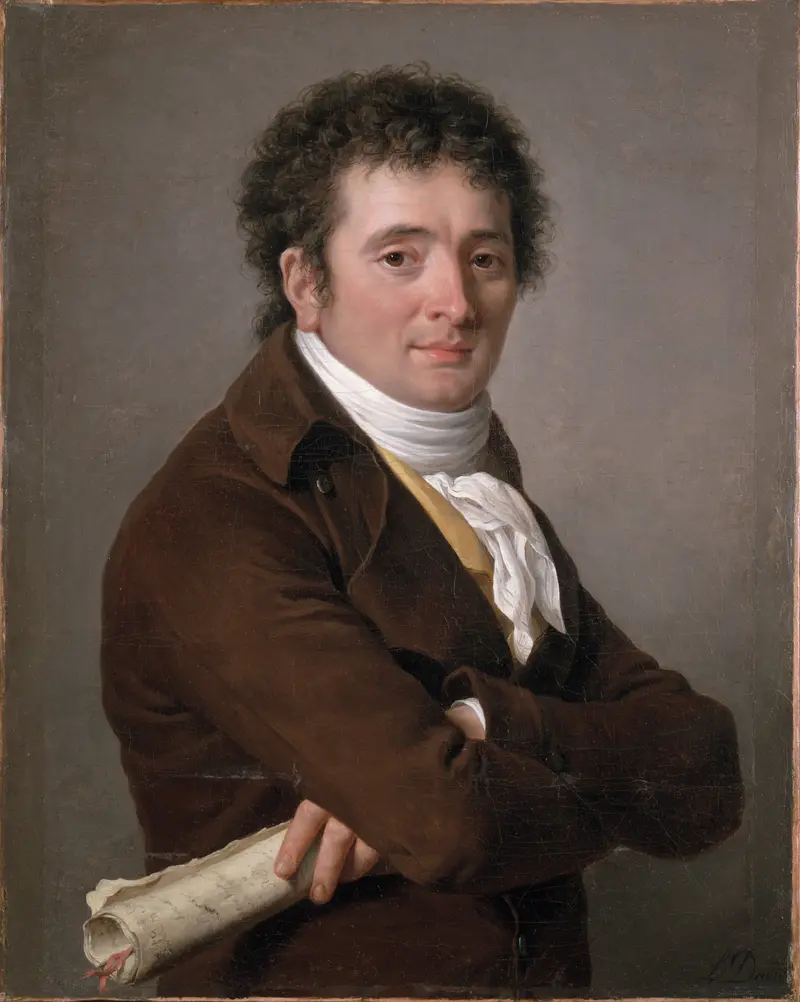
Tournelle, called Dublin (1761-1820)
Adélaïde Labille-Guiard
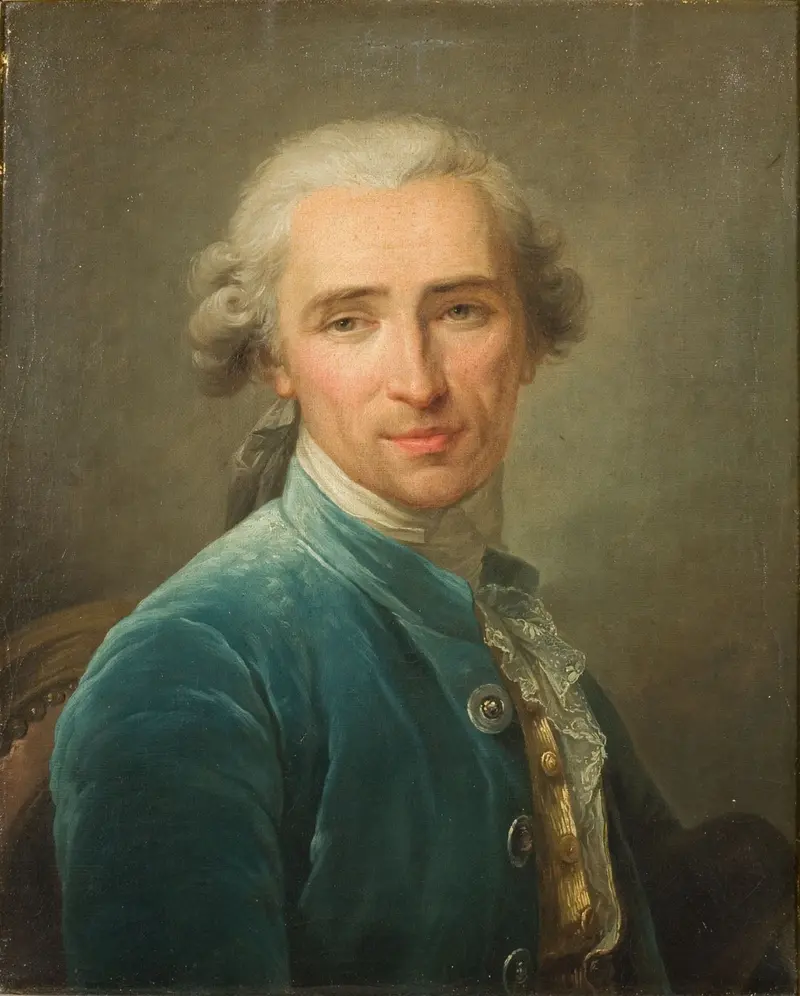
Portrait de Joseph Benoît Suvée
Adélaïde Labille-Guiard
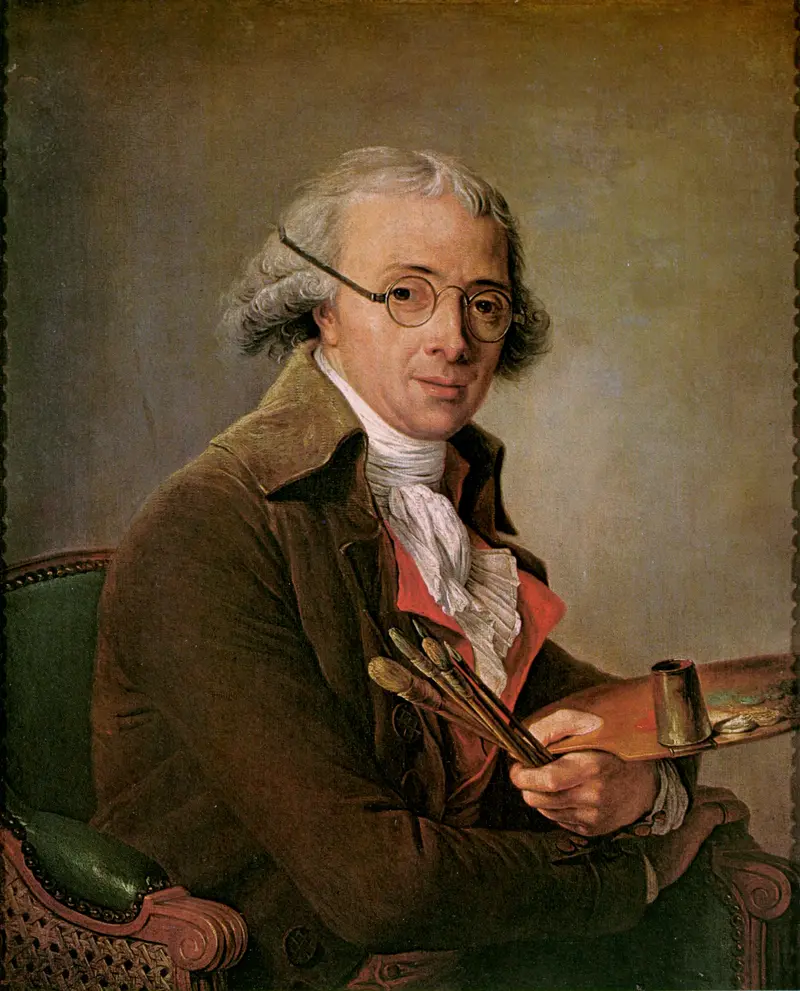
The Painter François-André Vincent
Adélaïde Labille-Guiard
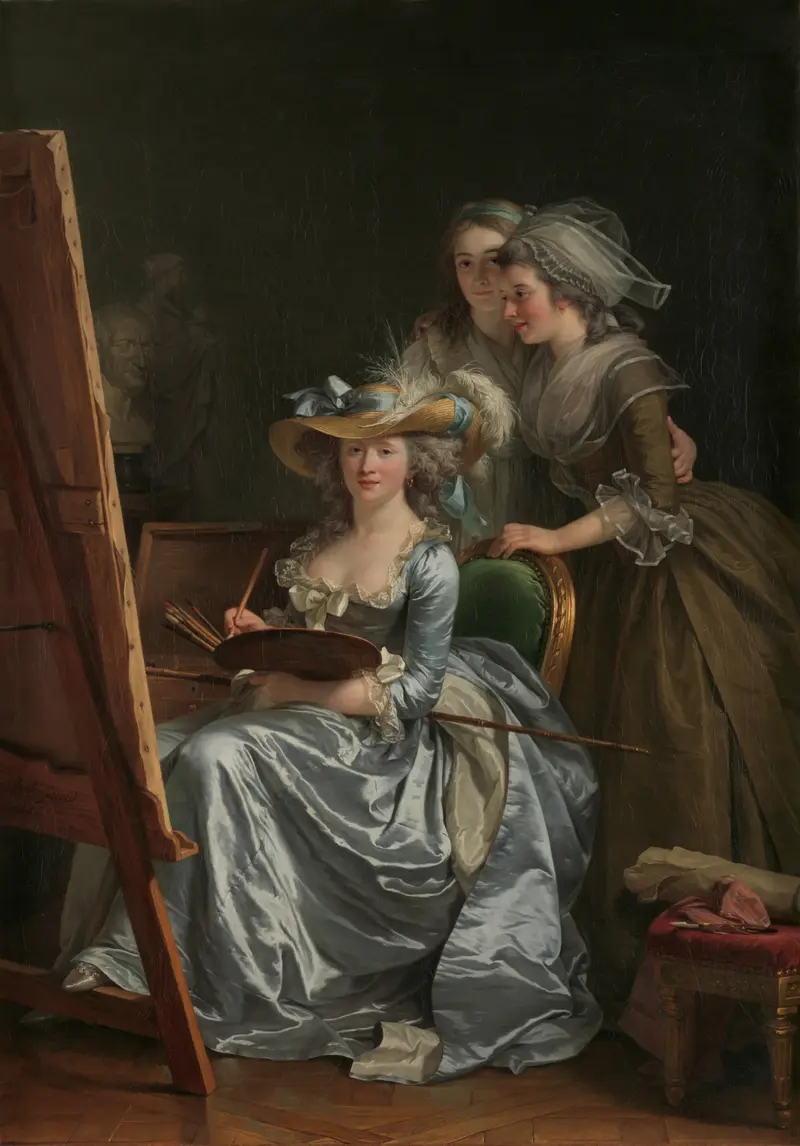
Self-Portrait with Two Pupils
Adélaïde Labille-Guiard
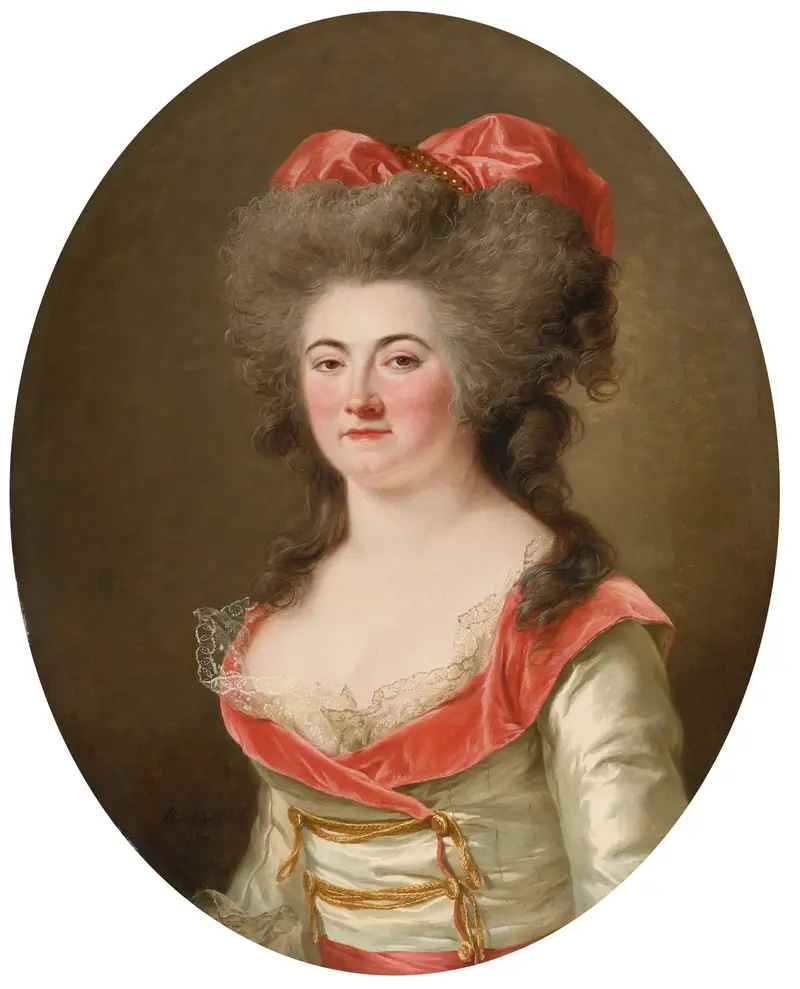
Portrait of a Lady
Adélaïde Labille-Guiard
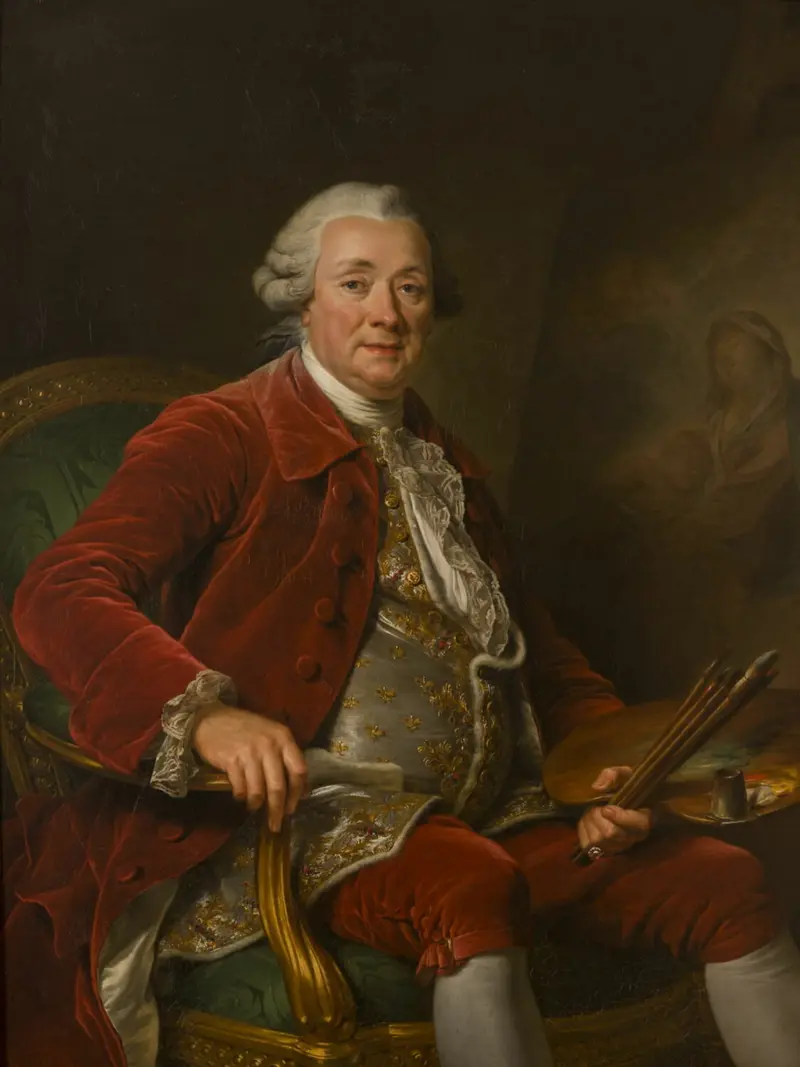
Portrait of Charles-Amédée-Philippe Van Loo
Adélaïde Labille-Guiard

Portrait of Elisabeth of France, Duchess of Parma (1727-1759)
Adélaïde Labille-Guiard
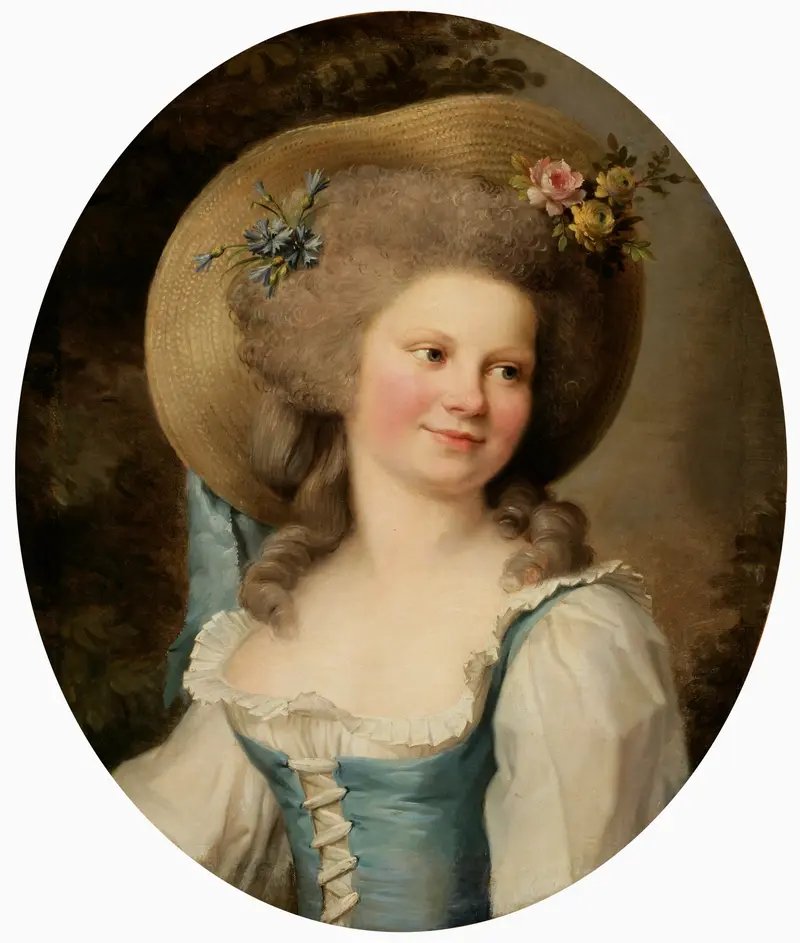
Mme Dugazon in the role of Babet
Adélaïde Labille-Guiard
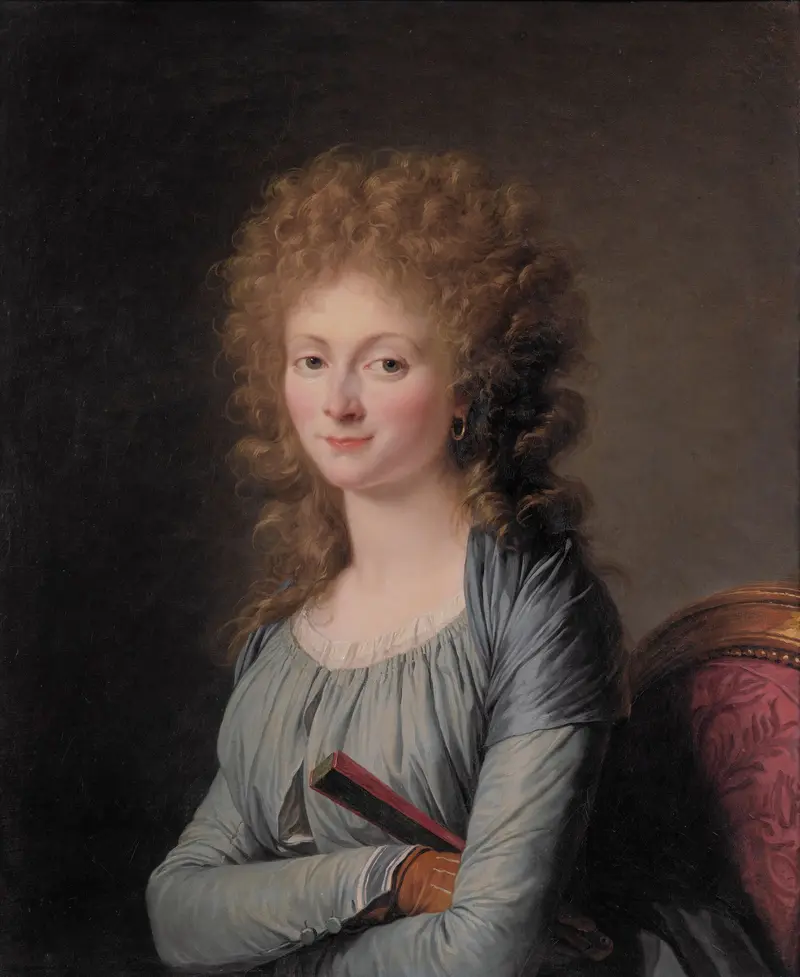
Portrait of Duchesse d'Aiguillon
Adélaïde Labille-Guiard
Monsieur Meunier
Adélaïde Labille-Guiard





