
Portrait of pianist and comtesse Louise de Mercy-Argenteau — History & Facts
What holds the viewer first is the sense of quiet intimacy: Ilya Repin has caught the comtesse Louise de Mercy-Argenteau not in the formal pose of a grand salon, but in a moment of private rest. She reclines, her copper hair vivid against the lace pillow, her gaze meeting ours with a frankness that feels both inviting and unguarded. The light, cool and even, brushes her face and hands, softening the textures of her gown while letting the crispness of her expression remain.
Every brushstroke in the folds of her dress and in the patterned cushion beneath her head seems chosen to heighten the sense of presence—the sitter is not just seen, but encountered. Painted in 1890, this portrait belongs to a world in which artists and their patrons were renegotiating the boundaries between public image and private self. Portraits of the European elite, especially women of accomplishment like the pianist and comtesse here, were often intended to project status and refinement. Yet, in the hands of Repin, a leading figure of Russian realism, the genre becomes a vehicle for psychological insight.
Gone is the stiff formality of earlier academic portraiture; instead, we sense the sitter’s individuality, her fatigue or perhaps her contentment. History has kept few traces of this particular painting’s journey, but its quiet candor draws us back, inviting us to imagine the world behind that steady, knowing gaze.
More Artworks by Ilya Repin
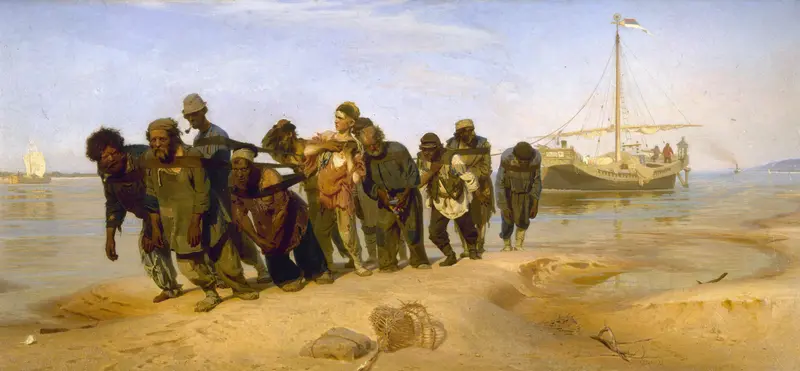
Barge Haulers on the Volga
Ilya Repin
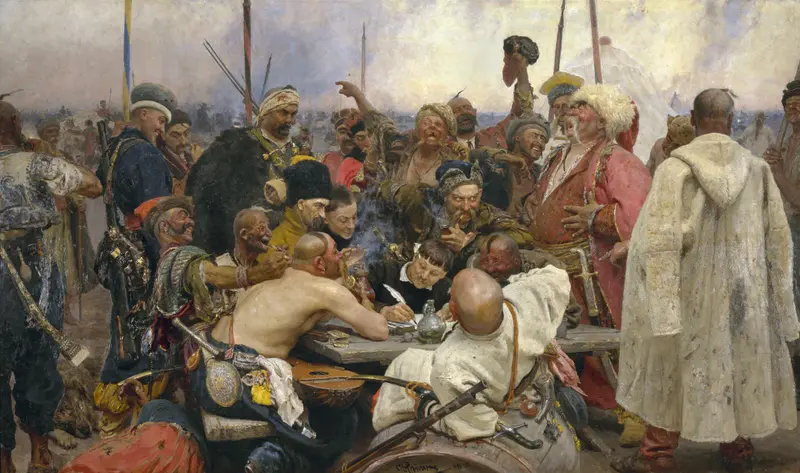
Reply of the Zaporozhian Cossacks
Ilya Repin

Religious Procession in Kursk Province
Ilya Repin
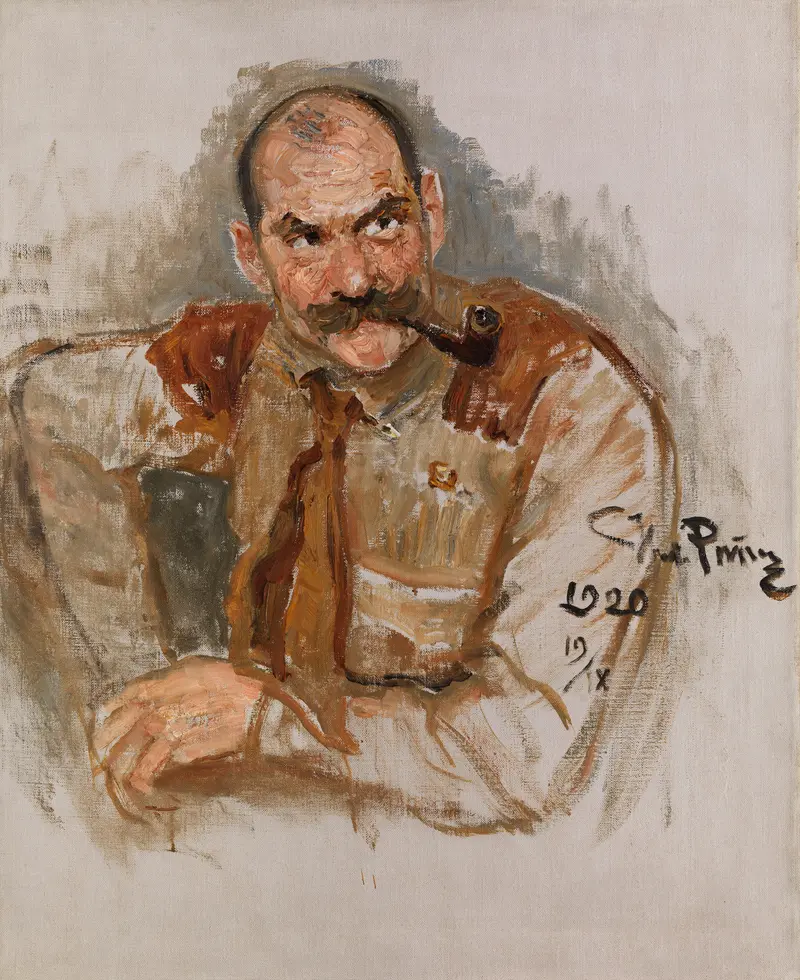
Akseli Gallen-Kallela
Ilya Repin
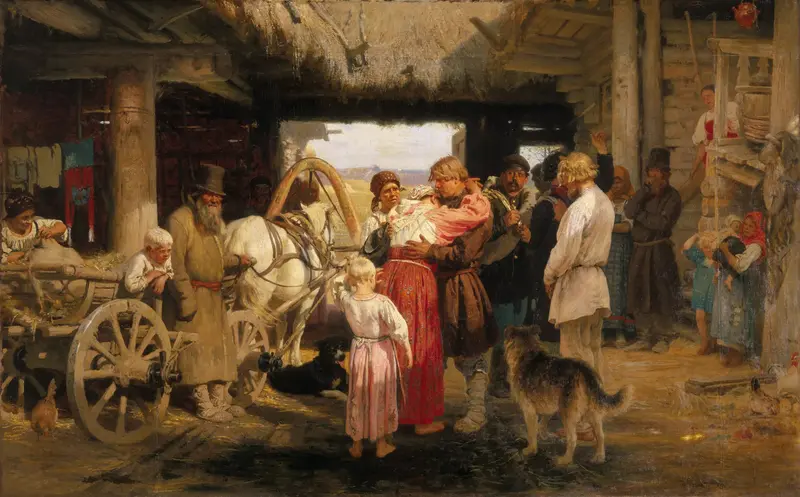
Seeing off the Recruit
Ilya Repin
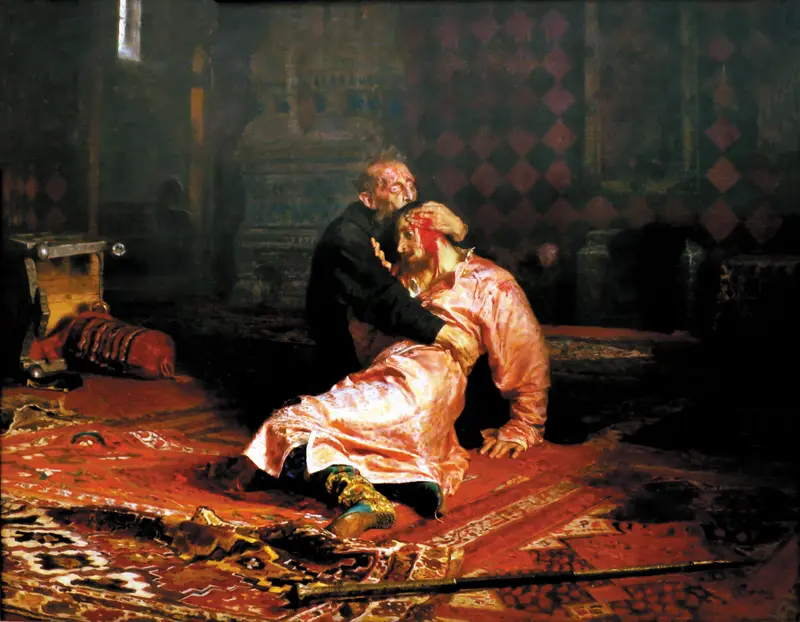
Ivan the Terrible and his son Ivan on November 16
Ilya Repin
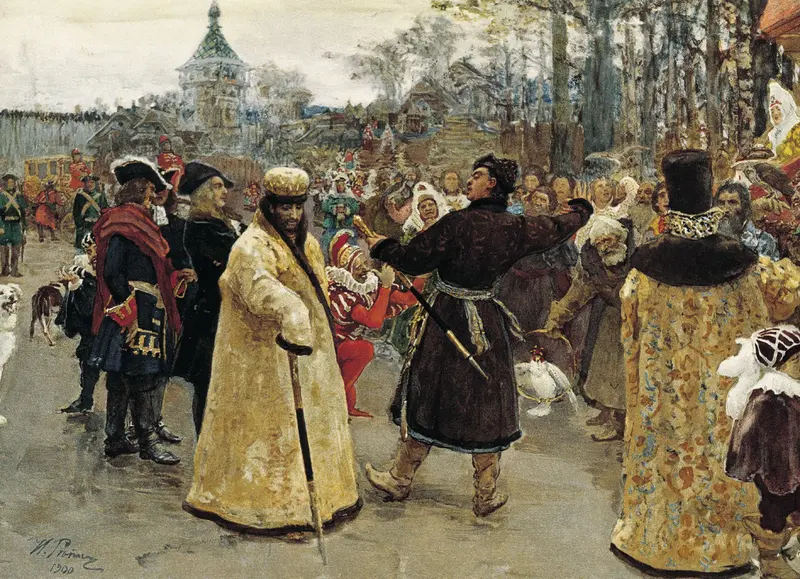
Arrival of the tsars Peter I and Ivan V
Ilya Repin
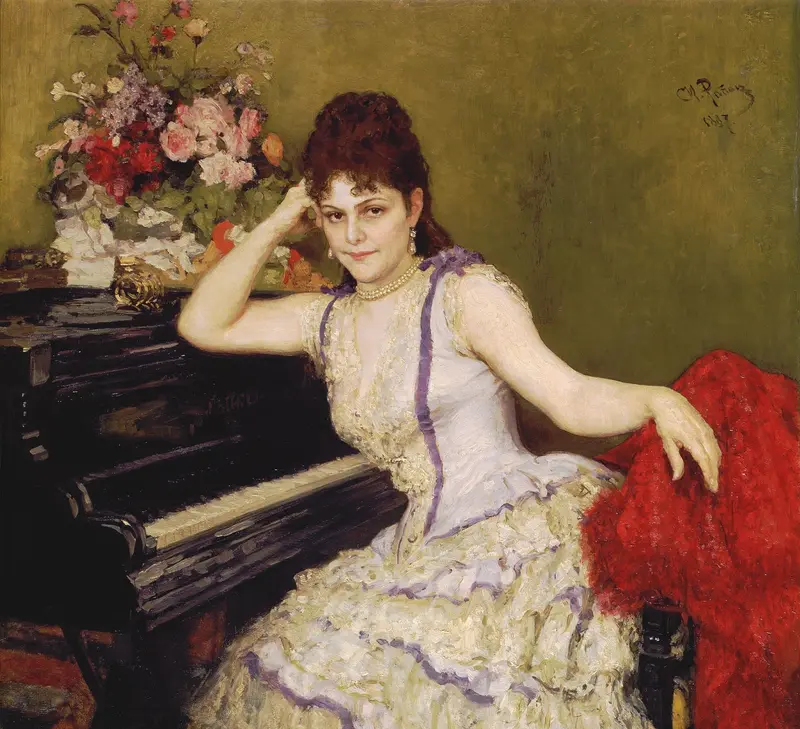
Menter by Repin
Ilya Repin
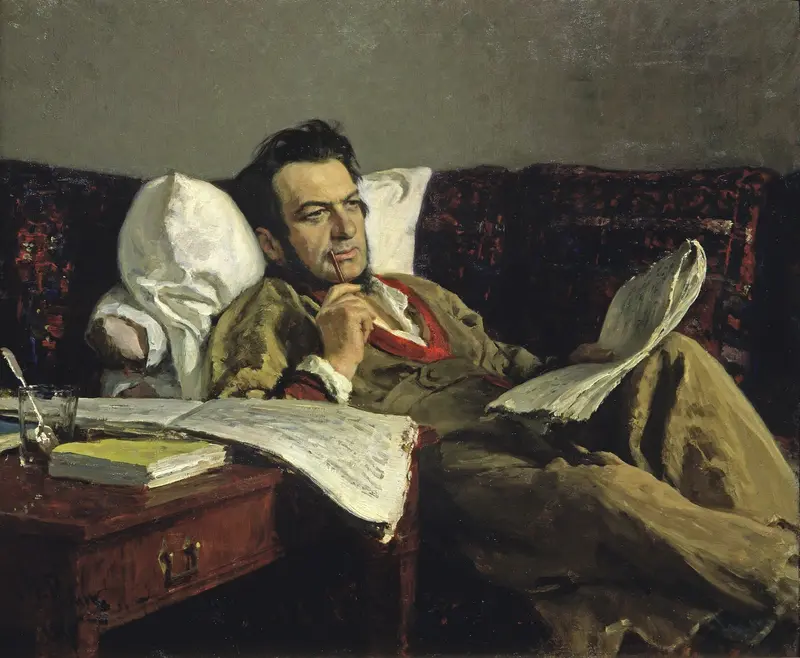
Mikhail Ivanovich Glinka during the composition of the opera “Ruslan and Lyudmila”
Ilya Repin
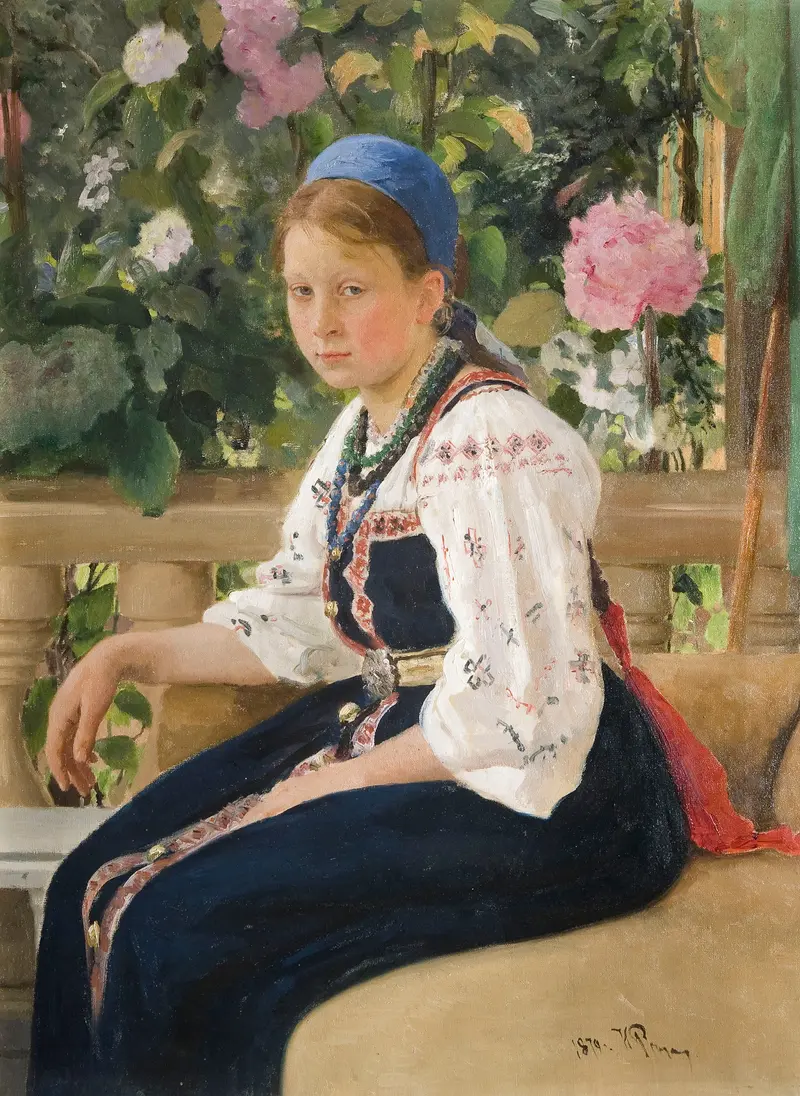
Портрет Софьи Федоровны Мамонтовой
Ilya Repin





