
Portrait of Prudence De Schepper, the Artist’s Wife — History & Facts
When Gustave Van de Woestijne painted his wife, Prudence De Schepper, he was not only capturing a beloved companion but also creating one of the most enigmatic and psychologically charged portraits in early twentieth-century Belgian art. The painting has long intrigued viewers and scholars alike because its date and medium remain unknown, leaving its place in the artist’s development tantalizingly unclear. This air of mystery is heightened by the fact that, unlike many of his contemporaries, Van de Woestijne rarely painted intimate portraits of those closest to him.
The work stands as a rare and personal testament within his oeuvre, inviting speculation about its origins and purpose. In the portrait, Prudence sits quietly, her gaze meeting the viewer with a mixture of reserve and quiet strength. The artist’s hand is evident in the careful modeling of her features and the subtle play of light across her face, which seems to both reveal and guard her inner world. The muted palette and the simplicity of her attire focus all attention on her expression, while the background recedes into shadow, isolating her in a space that feels both private and timeless.
This psychological intensity recalls the portraits of Félix Vallotton, another artist who excelled at capturing the inner life of his sitters through restraint and clarity. Here, every detail—the set of her mouth, the directness of her gaze—becomes a clue to the relationship between artist and subject. Little is known about the painting’s early history, and it is not clear whether it was ever exhibited during Van de Woestijne's lifetime or remained in the family’s possession. The lack of documentation has made it difficult for historians to trace its journey, but it is generally accepted as an authentic work, closely linked to the artist’s most introspective period.
Today, Portrait of Prudence De Schepper, the Artist’s Wife is valued not only as a rare glimpse into the artist’s personal life but also as a significant example of the psychological realism that marks the best of Van de Woestijne’s portraits. Its quiet power continues to invite viewers to look deeper, both into the sitter’s character and the artist’s own world.
More Artworks by Gustave Van de Woestijne
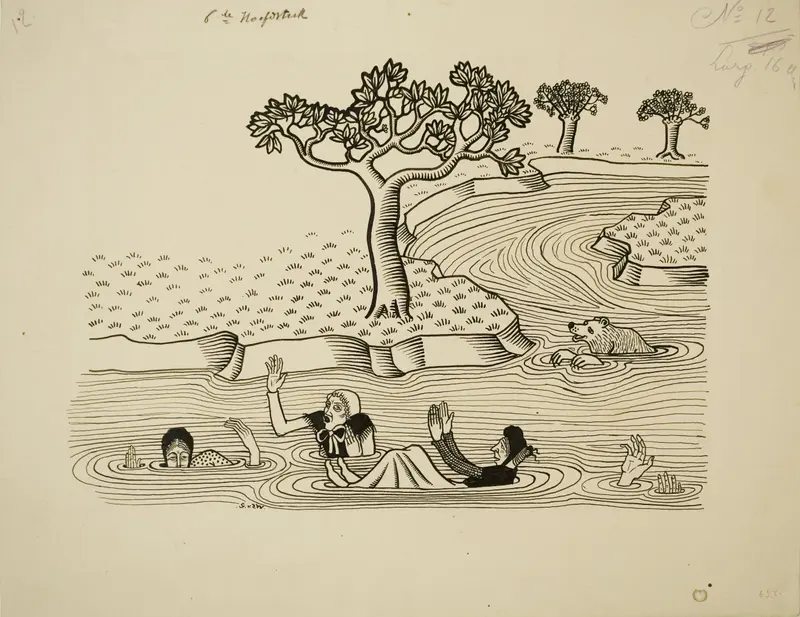
How Brown went out with Reynard where he thought he was eating honey and how he was caught by head and feet and suffered further misfortune
Gustave Van de Woestijne
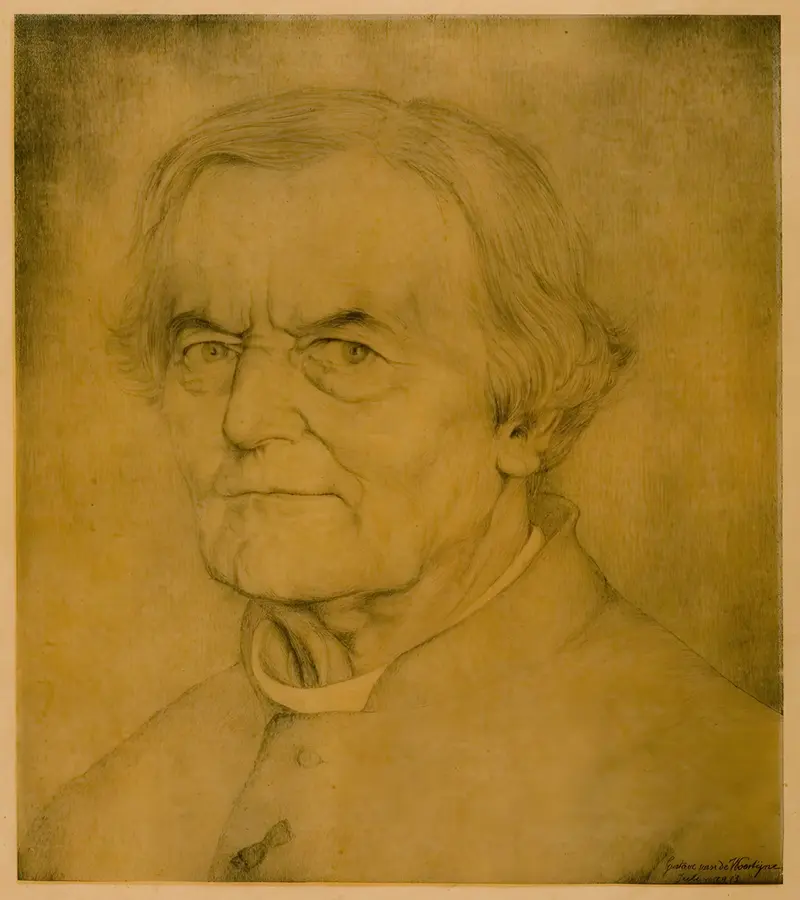
Portrait of Hugo Verriest
Gustave Van de Woestijne
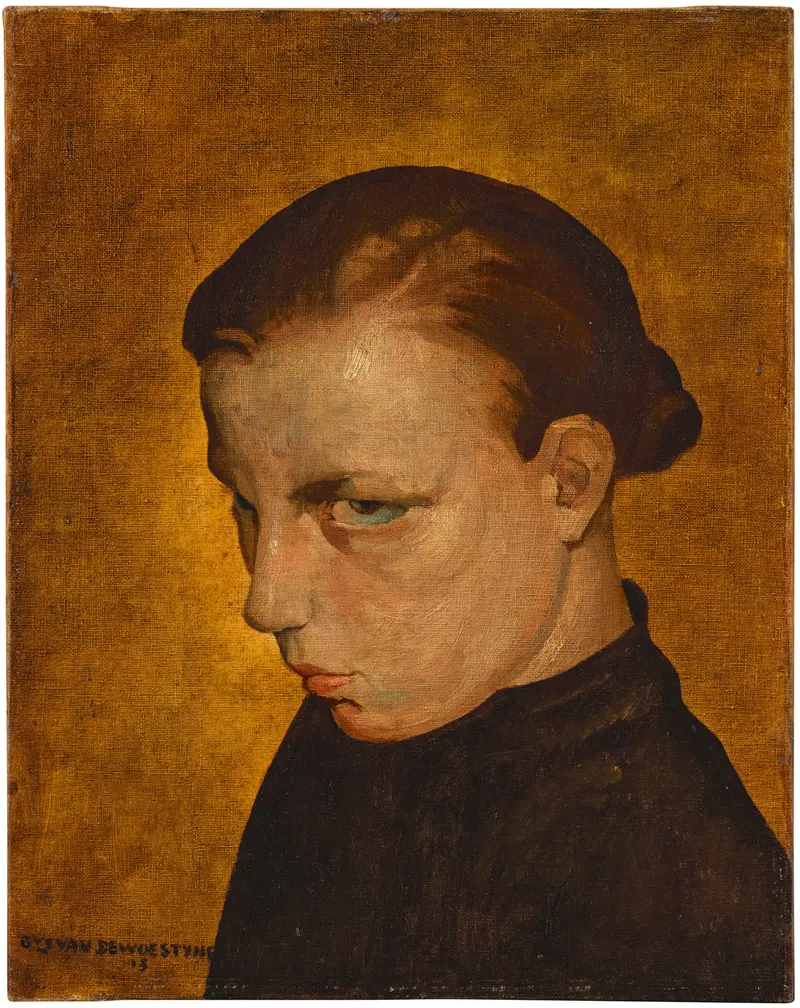
Angèle
Gustave Van de Woestijne
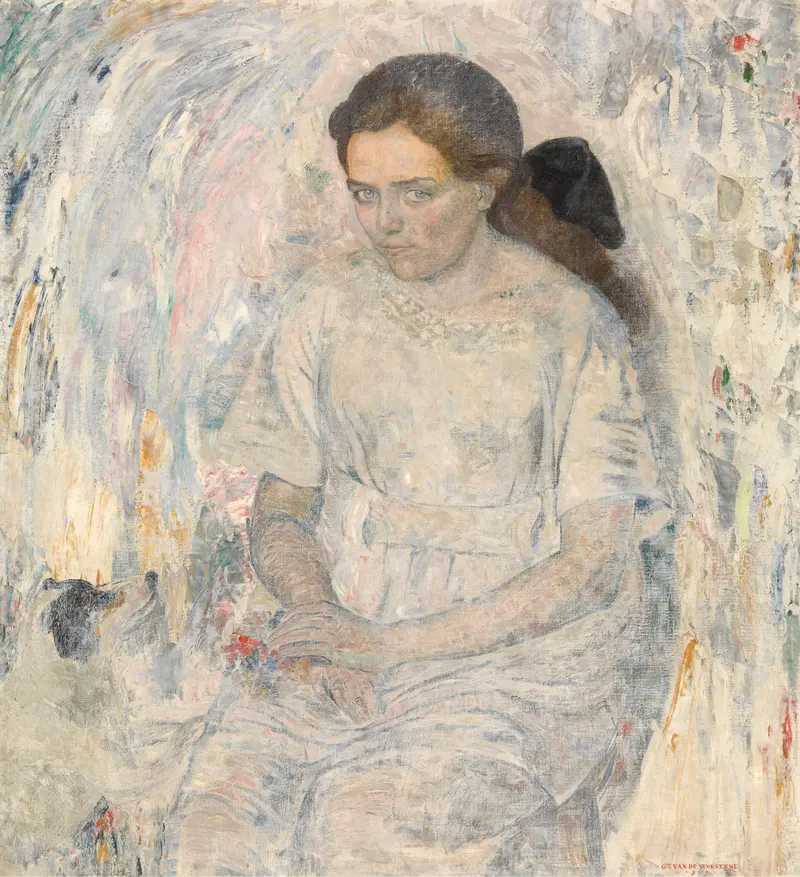
Adrienne
Gustave Van de Woestijne
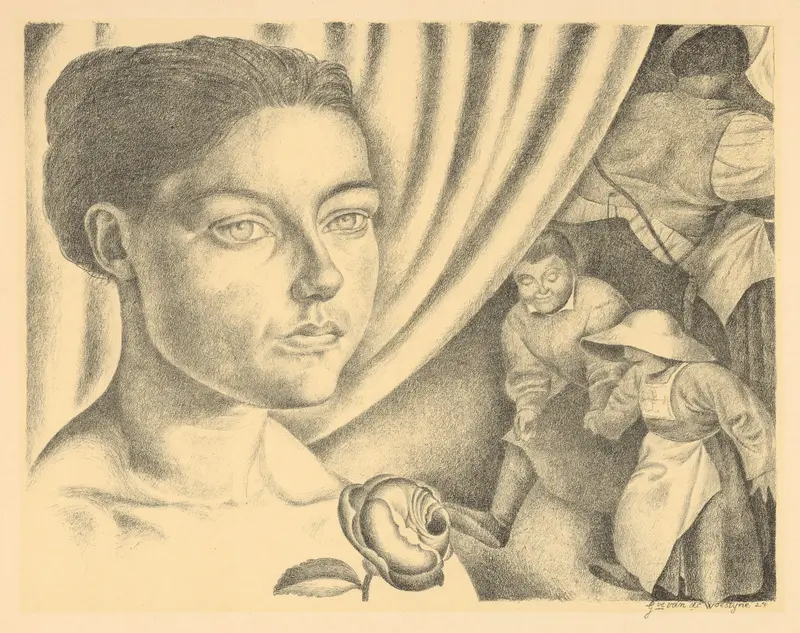
Jeune Femme
Gustave Van de Woestijne
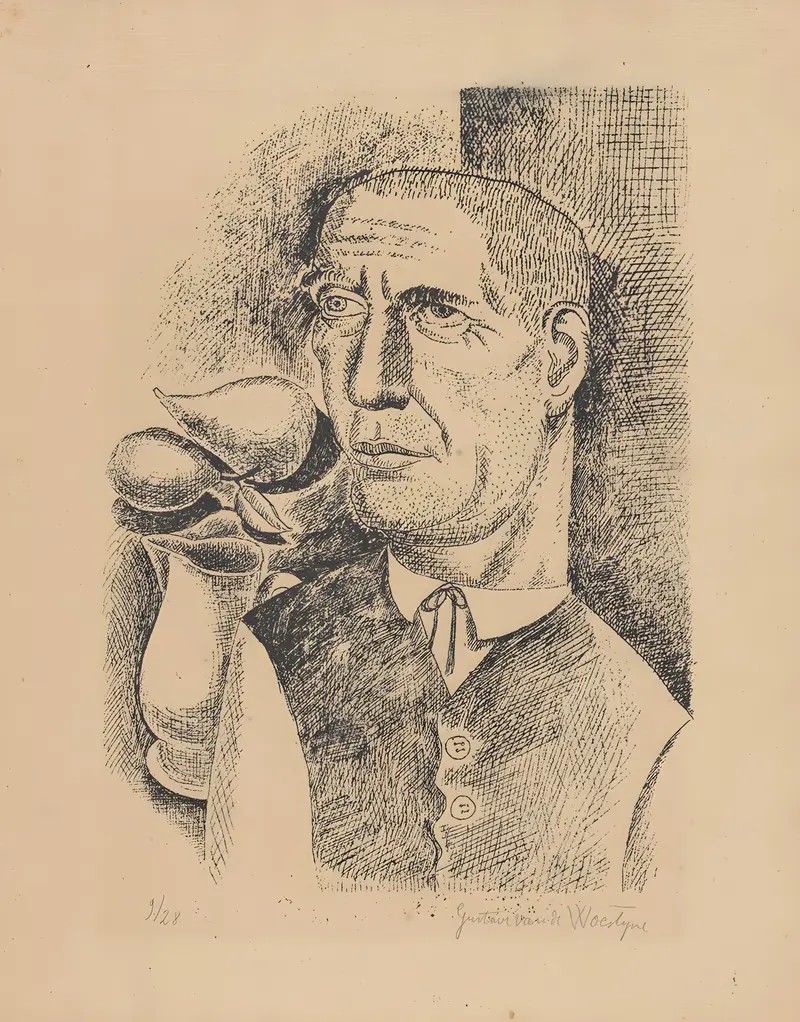
Boer op zijn zondags (Paysan endimanché)
Gustave Van de Woestijne
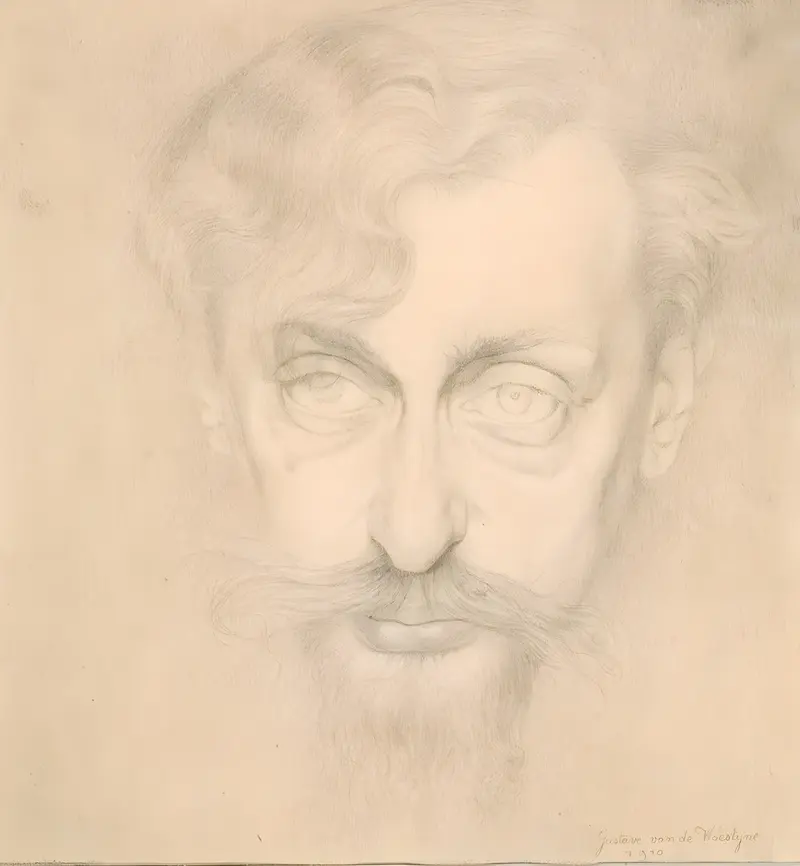
Portrait of the Writer Karel van de Woestijne
Gustave Van de Woestijne
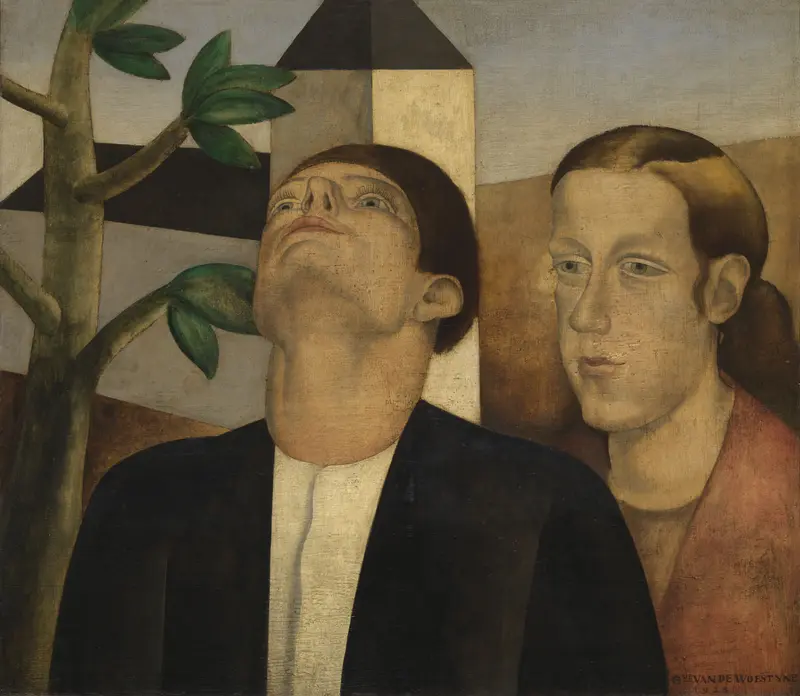
Azure
Gustave Van de Woestijne
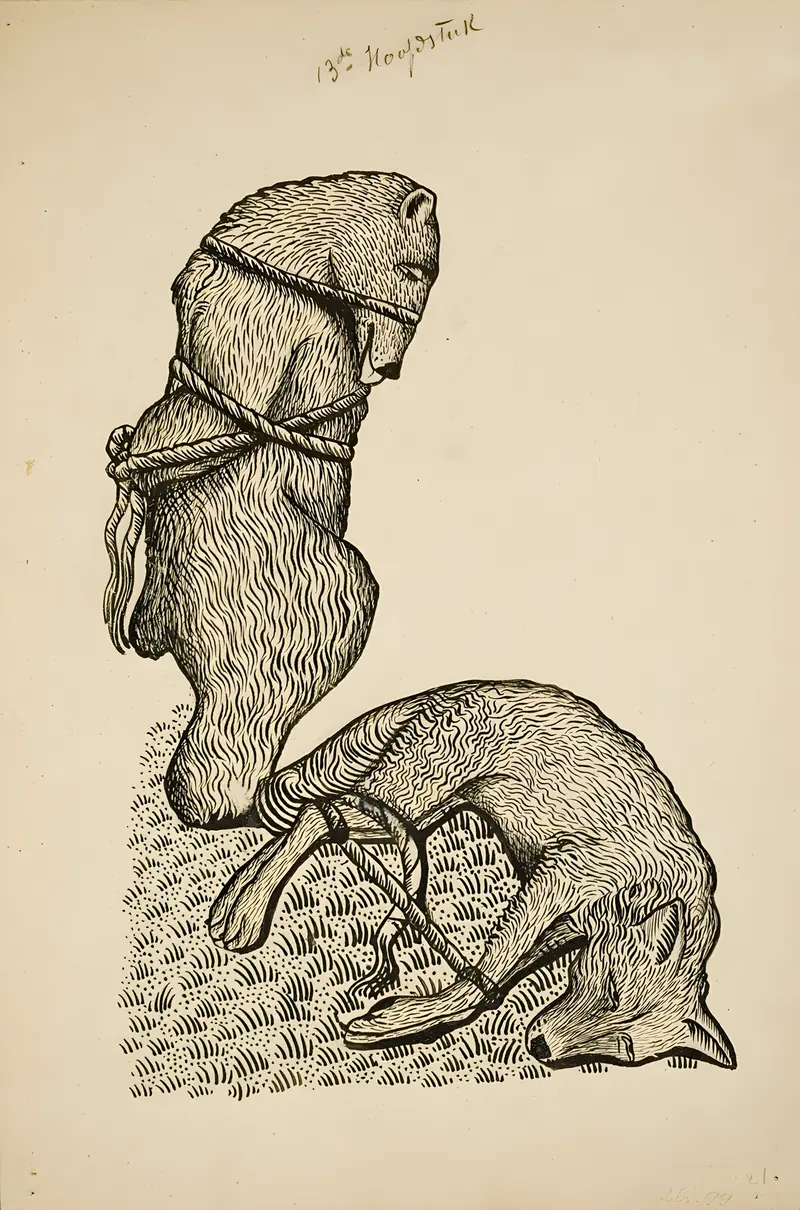
How Reinaert devises a new trick to get free and exterminate his enemies
Gustave Van de Woestijne
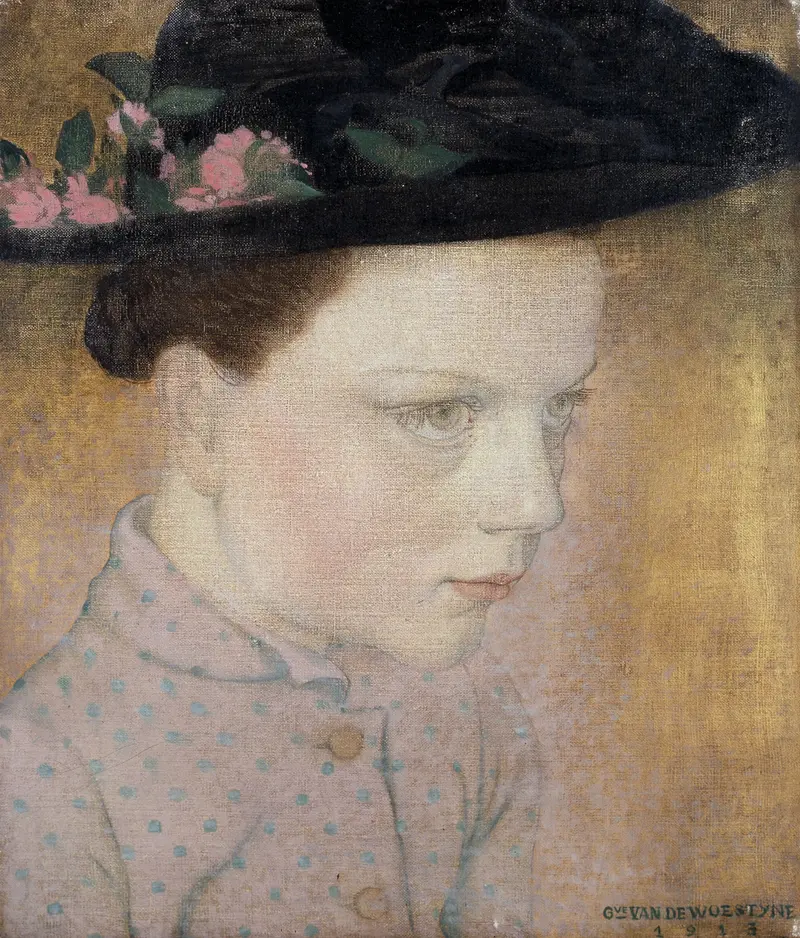
Country Girl
Gustave Van de Woestijne





