
Portrait of Sir George and Lady Strickland in the park of Boynton Hall — History & Facts
What immediately draws the eye in Portrait of Sir George and Lady Strickland in the park of Boynton Hall is the poised, almost theatrical pause between the two figures—a moment suspended between conversation and contemplation. The gentleman, upright and formal in his dark coat, leans with studied ease on a rustic fence, while the lady, dressed in a luminous gown of rose and green, gestures delicately with her hand as if to make a point or perhaps to draw attention to the landscape beyond. The dog at her feet, attentive and alert, anchors the scene in domesticity, but the real drama lies in the sweep of the river and the distant sail, which opens the composition to a world beyond the couple’s immediate exchange.
The light, gentle but clear, falls across her silk dress and the dog’s glossy coat, guiding the viewer from the intimacy of the foreground to the vast, rolling hills and water that stretch away into the soft haze. Painted in 1751, this work by Arthur Devis belongs to a tradition of English portraiture that celebrated both the landed gentry and the landscapes they claimed as their own. Such paintings were more than likenesses; they were declarations of taste, property, and lineage, often commissioned to mark marriages, inheritances, or new estates. In the mid-eighteenth century, the English countryside was being reshaped by new ideas of landscape gardening and polite leisure, and portraits like this one—collected today in projects such as the Yorck Project’s compendium of masterworks—capture that transformation.
History has kept few traces of the sitters’ personal stories, but the painting itself remains a testament to an era when identity and place were woven together on canvas. Let your gaze linger on the horizon, and imagine the lives that unfolded just beyond the painted edge.
More Artworks by Arthur Devis
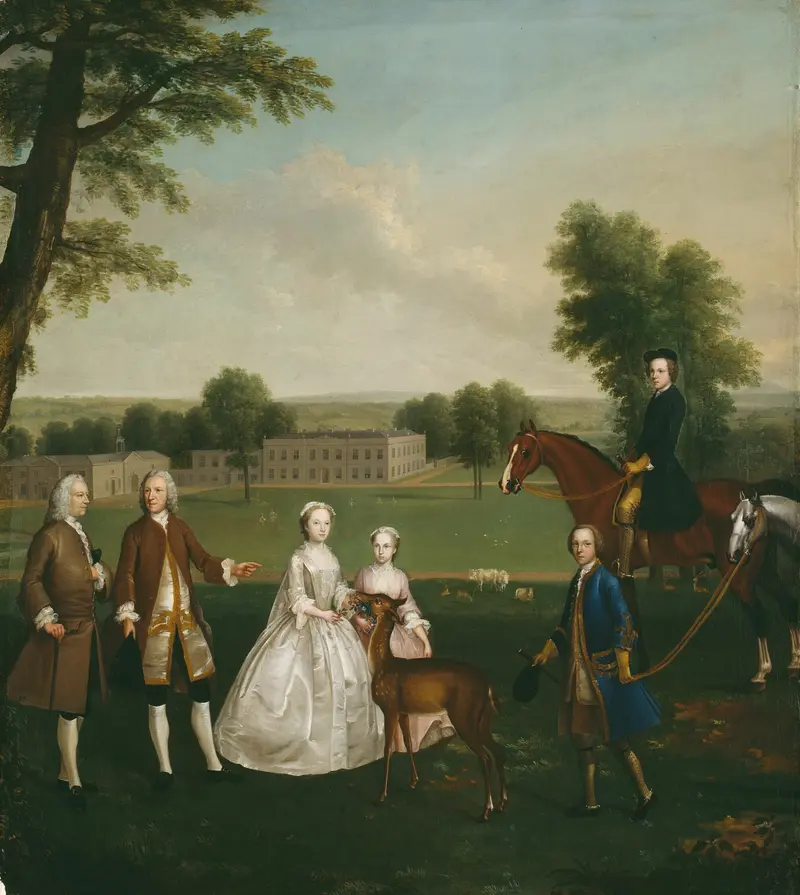
Thomas Lister and Family at Gisburne Park
Arthur Devis

Sir John Shaw and his Family in the Park at Eltham Lodge, Kent
Arthur Devis
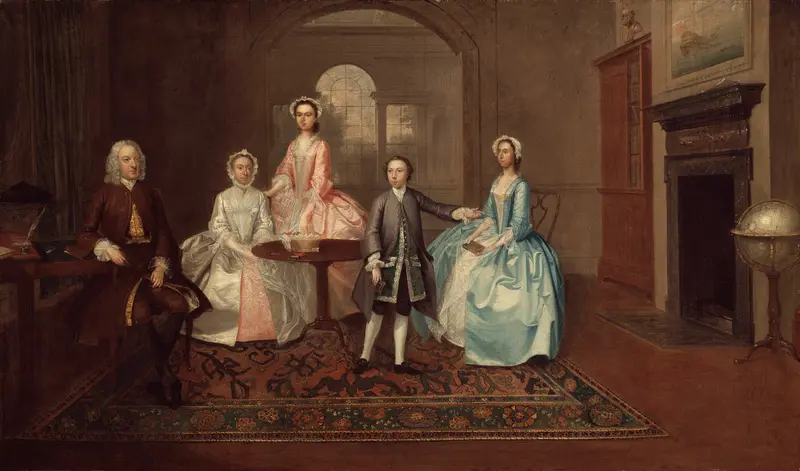
John Thomlinson and His Family
Arthur Devis
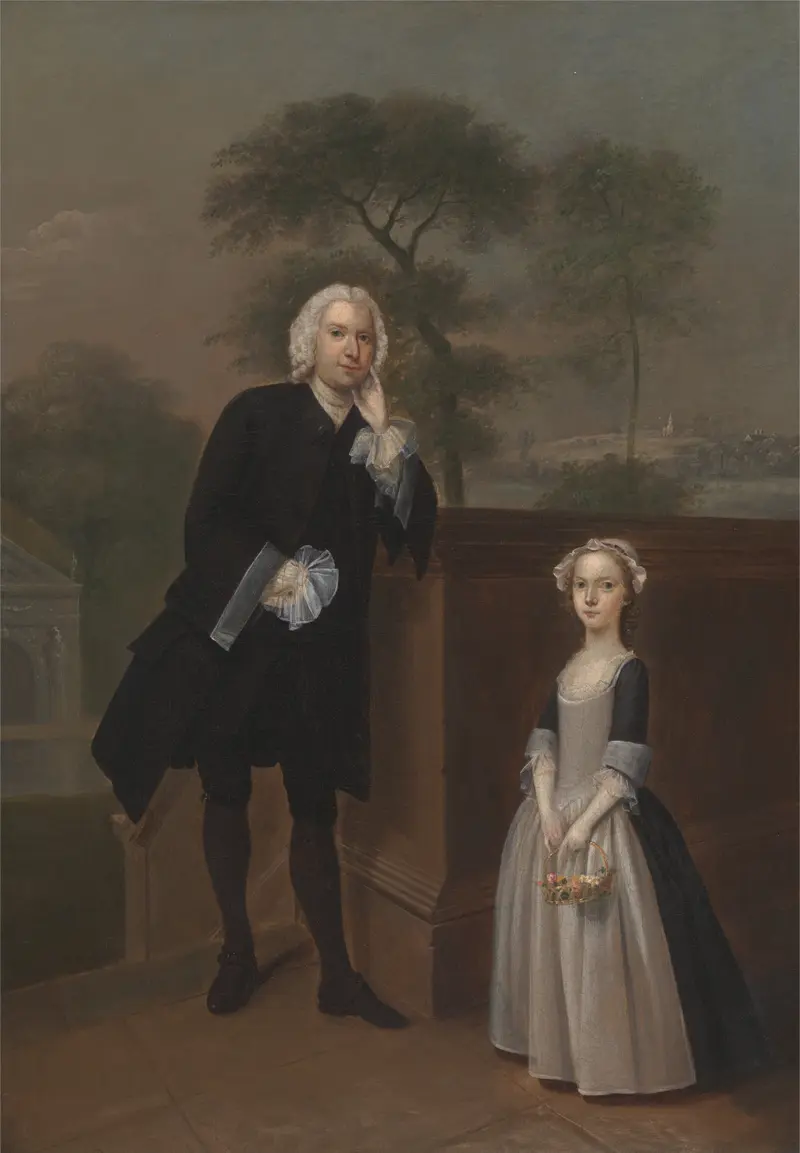
An Unknown Man with His Daughter
Arthur Devis
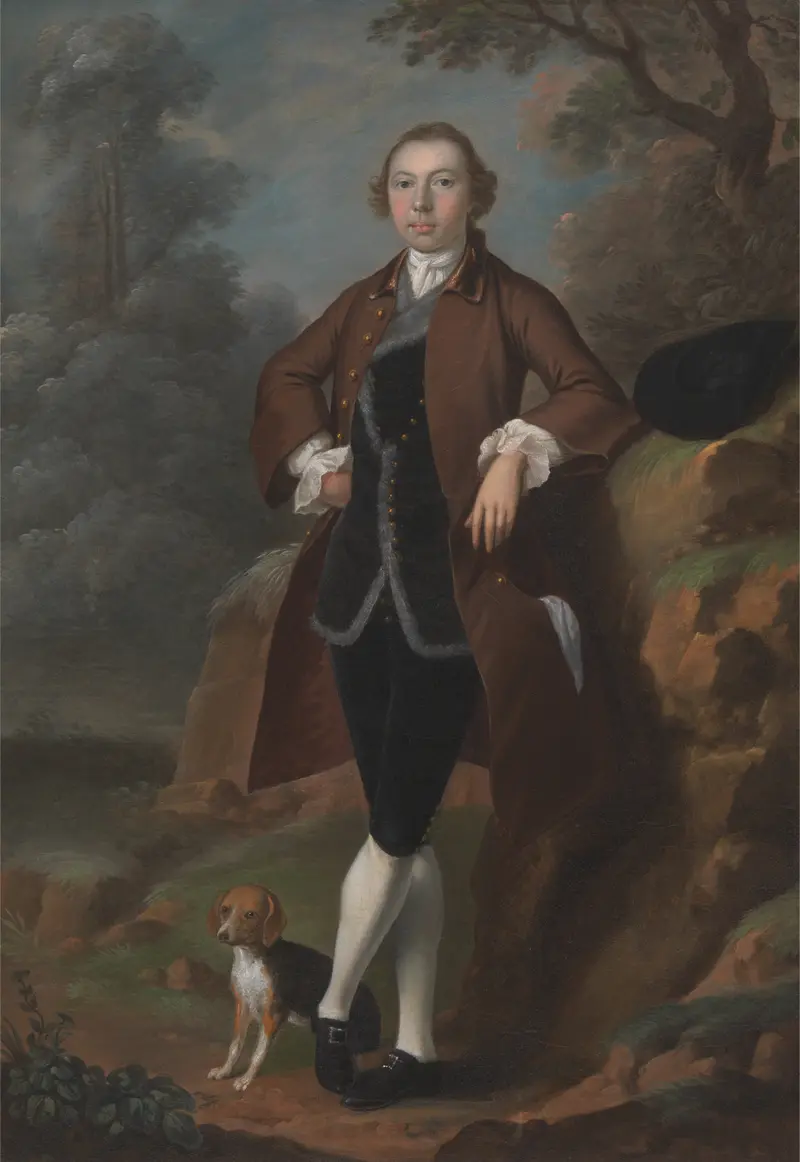
William Farington of Shawe Hall, Lancashire
Arthur Devis
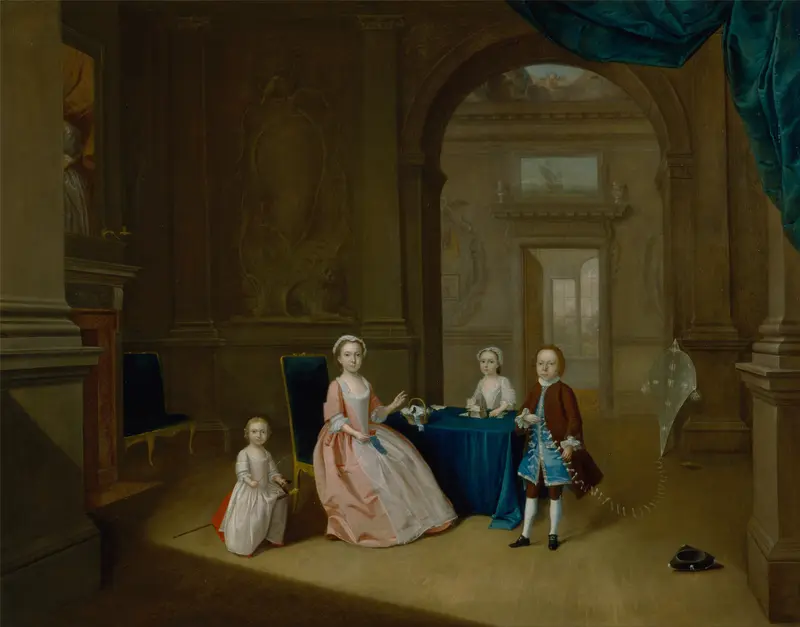
Children in an Interior
Arthur Devis
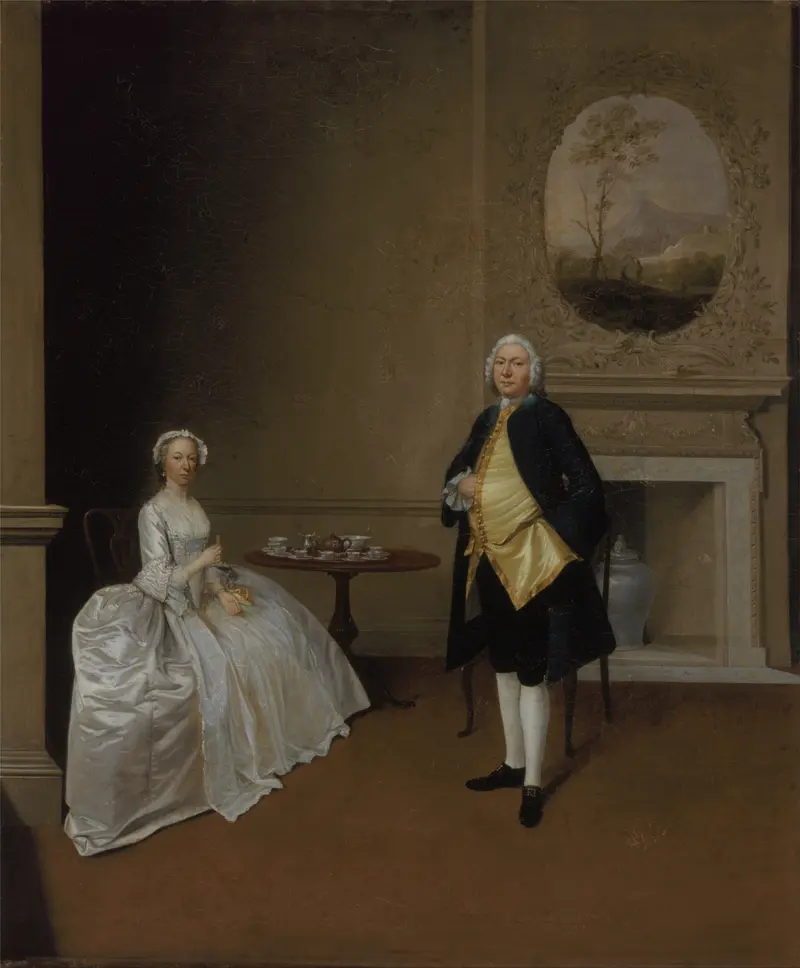
A Couple, Traditionally Identified as Mr. and Mrs. Hill
Arthur Devis
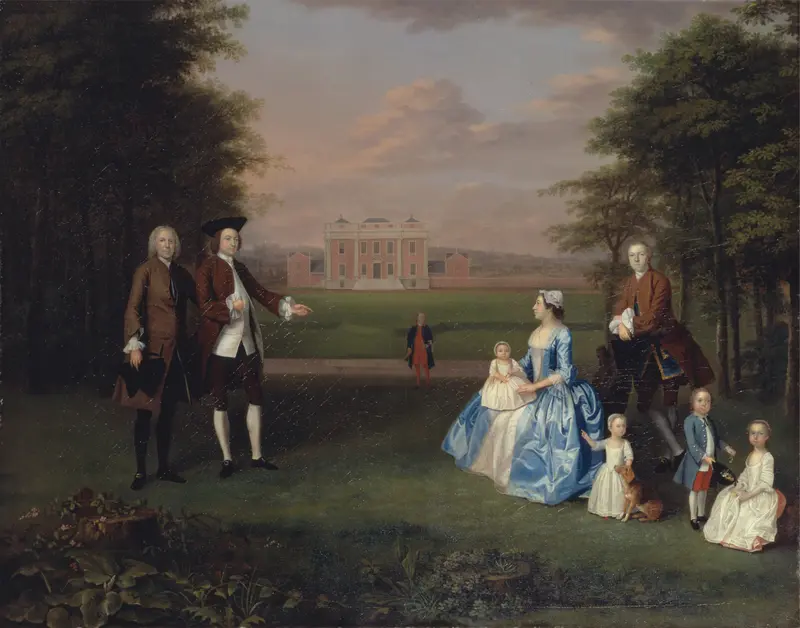
Robert Gwillym, Elizabeth Gwillym (née Atherton), and Their Family
Arthur Devis
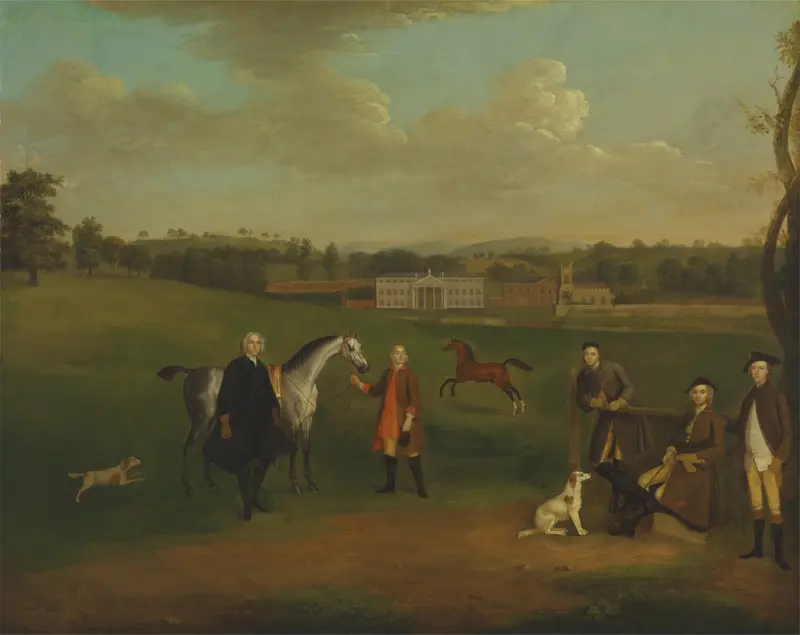
Leak Okeover, Rev. John Allen and Captain Chester at Okeover Hall, Staffordshire
Arthur Devis
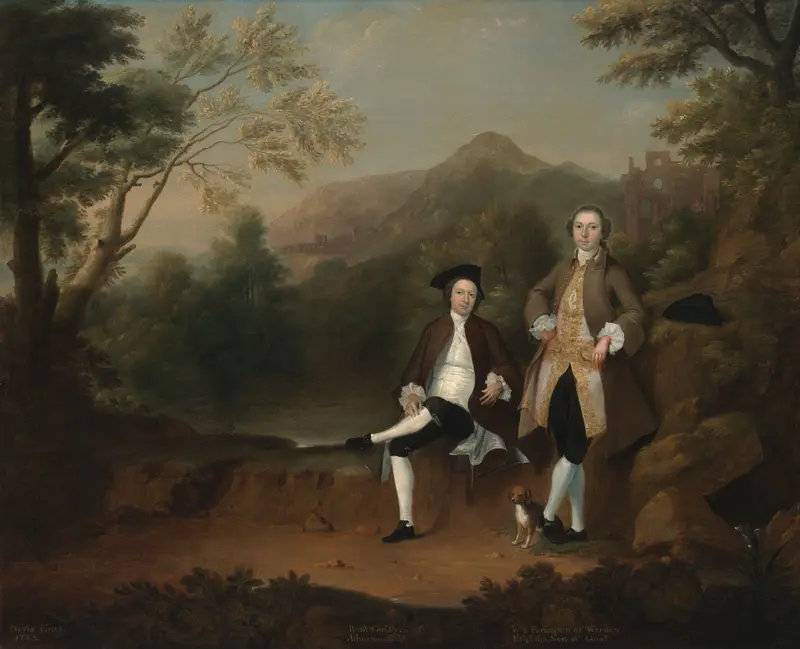
Robert Gwillym of Atherton and William Farington of Werden
Arthur Devis





