
Portrait of Szymon Darowski — History & Facts
In 1858, a 20-year-old Jan Matejko painted Portrait of Szymon Darowski—a work that marks one of the earliest surviving likenesses by the artist who would later become Poland’s great national painter. This portrait is remarkable not only for its youthful confidence but also because it captures a close friend and fellow student from the Kraków School of Fine Arts. The intimacy and directness of the image have led some scholars to suggest it was painted as a token of friendship rather than a formal commission, an uncommon practice among aspiring artists of the time.
The painting stands as a rare window into Matejko’s formative years, before his rise to fame with grand historical canvases. Here, Matejko chooses a quiet, introspective moment: Szymon Darowski, seated, gazes slightly away from the viewer, his expression both thoughtful and alert. The sitter’s dark suit and crisp white collar suggest the earnestness of a young intellectual, while the soft modeling of his features and the gentle play of light across his face reveal the artist’s growing command of character. The background is subdued, focusing all attention on Darowski’s steady gaze and the subtle tension in his hands, which rest just out of sight.
Unlike the more theatrical portraits of Franz Xaver Winterhalter, Matejko’s approach is sober and psychological, hinting at the Polish Romantic spirit that would soon define his mature work. The precise provenance of Portrait of Szymon Darowski remains somewhat obscure, as is often the case with early works by young artists. It is known, however, that the painting was kept within private collections for much of its life, surfacing in exhibition catalogues only in the twentieth century as interest in Matejko’s early career grew. Today, it is recognized as a significant milestone in the artist’s development, offering a glimpse of the personal networks and friendships that shaped his artistic vision.
While the medium is not definitively recorded, the work’s careful modeling and intimate scale suggest the use of oil on canvas or panel, typical of student portraits in mid-nineteenth-century Kraków.
More Artworks by Jan Matejko
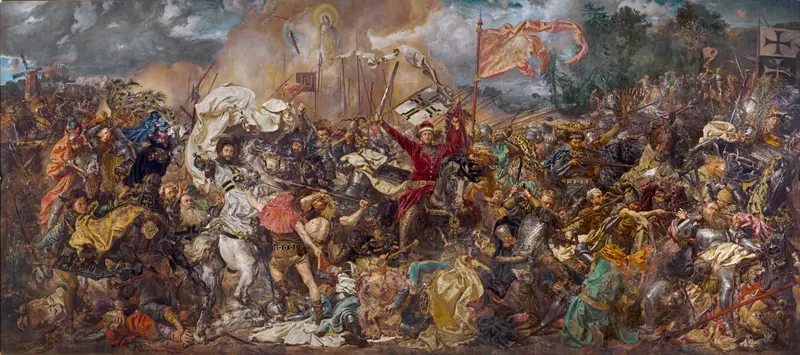
Battle of Grunwald
Jan Matejko

Stańczyk
Jan Matejko

Battle of Raclawice
Jan Matejko
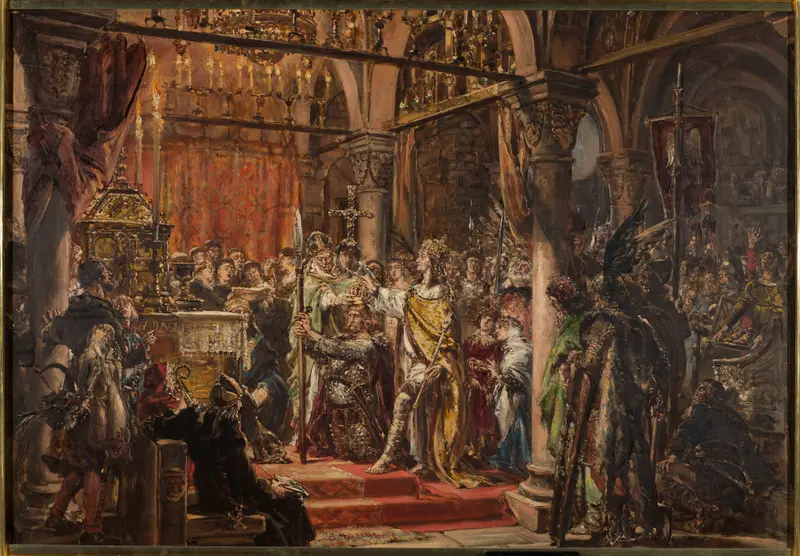
Coronation of the First King, 1001 AD, from the series “History of Civilization in Poland”
Jan Matejko
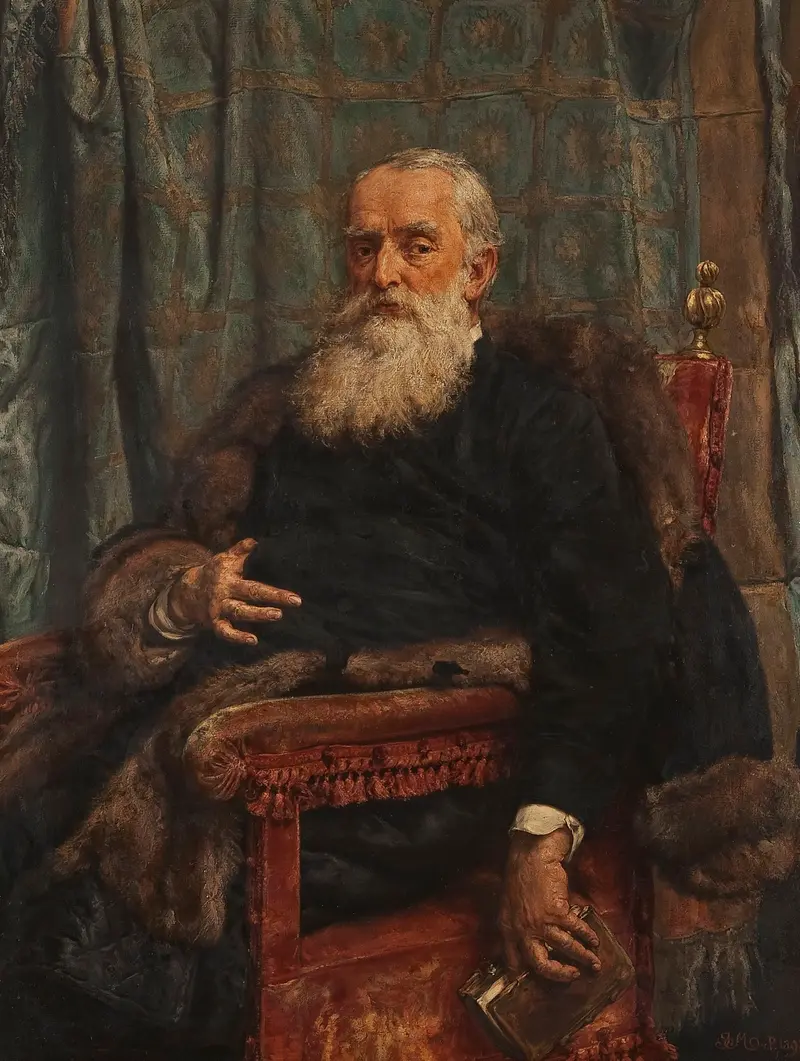
Portrait of Henryk Krajewski
Jan Matejko
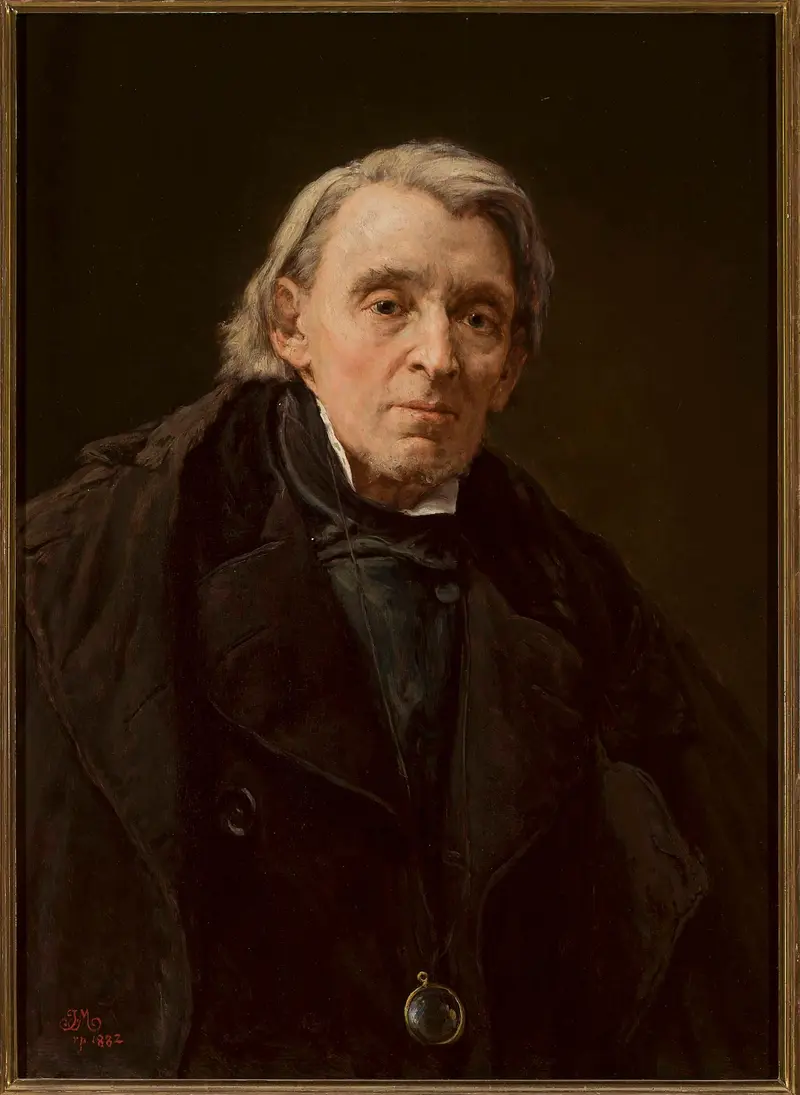
Portrait of Karol Podlewski
Jan Matejko
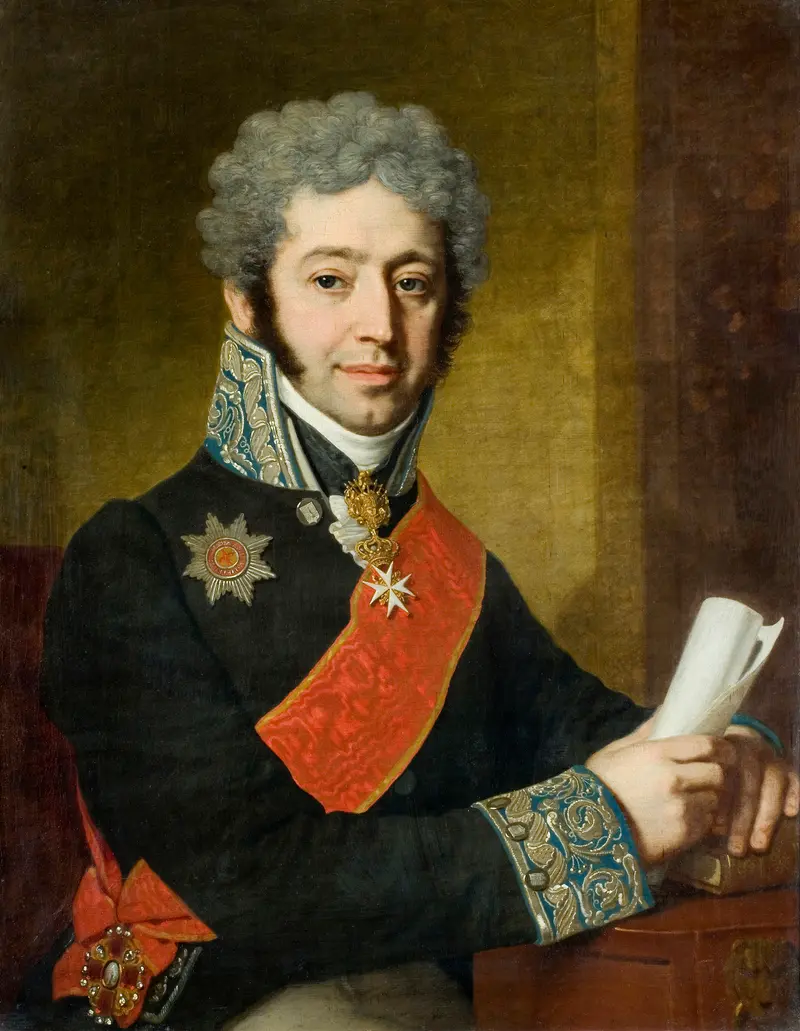
Portrait of Potocki and Poninski
Jan Matejko
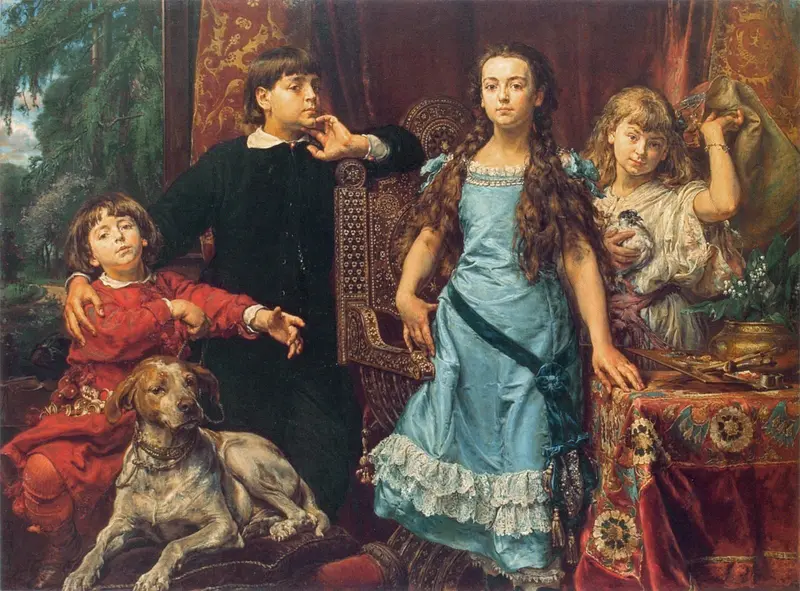
Portrait of the artist's four children
Jan Matejko
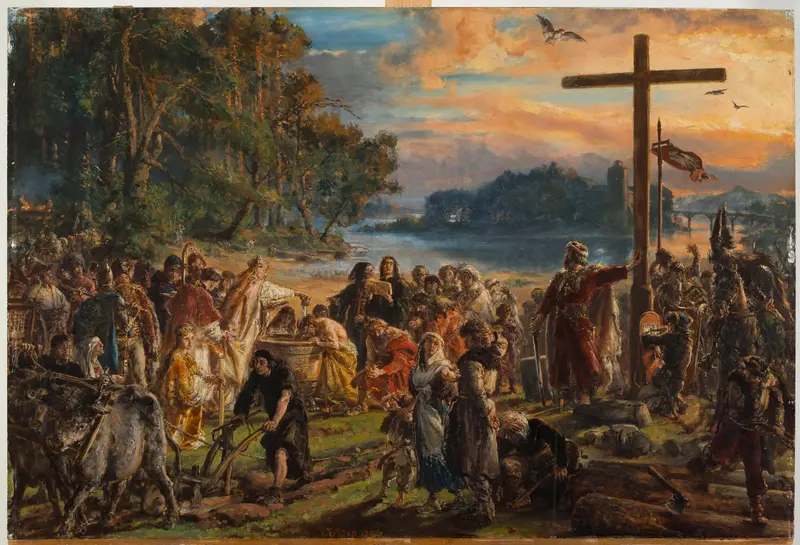
Introduction of Christianity in Poland
Jan Matejko
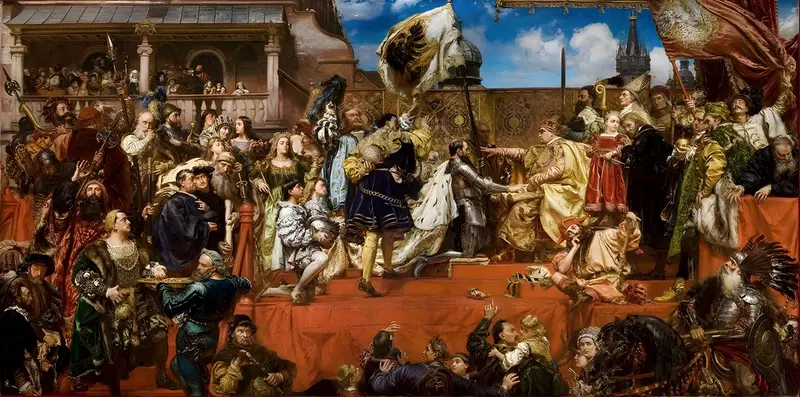
Prussian Homage
Jan Matejko





